Built for long welding shifts in busy shops
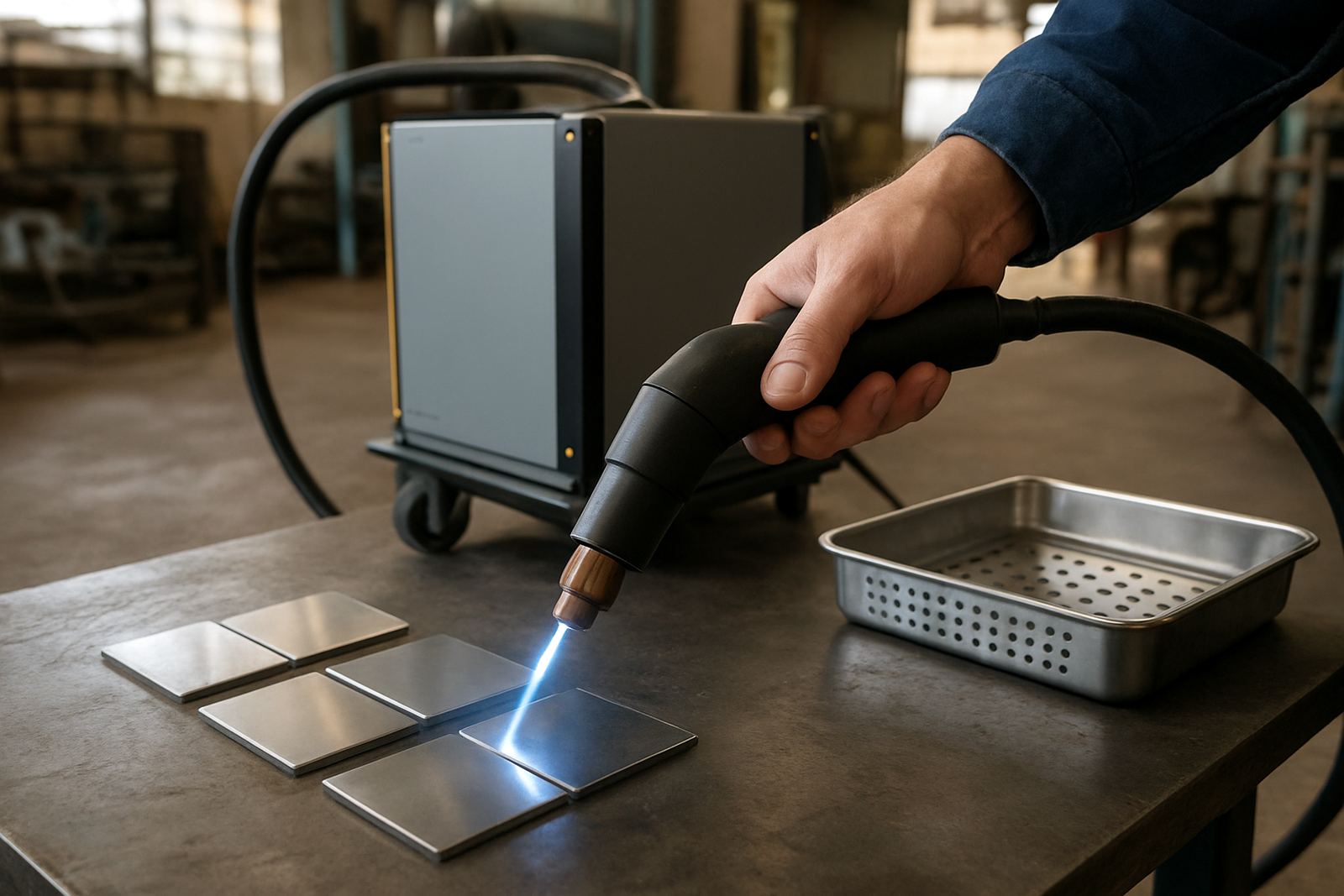
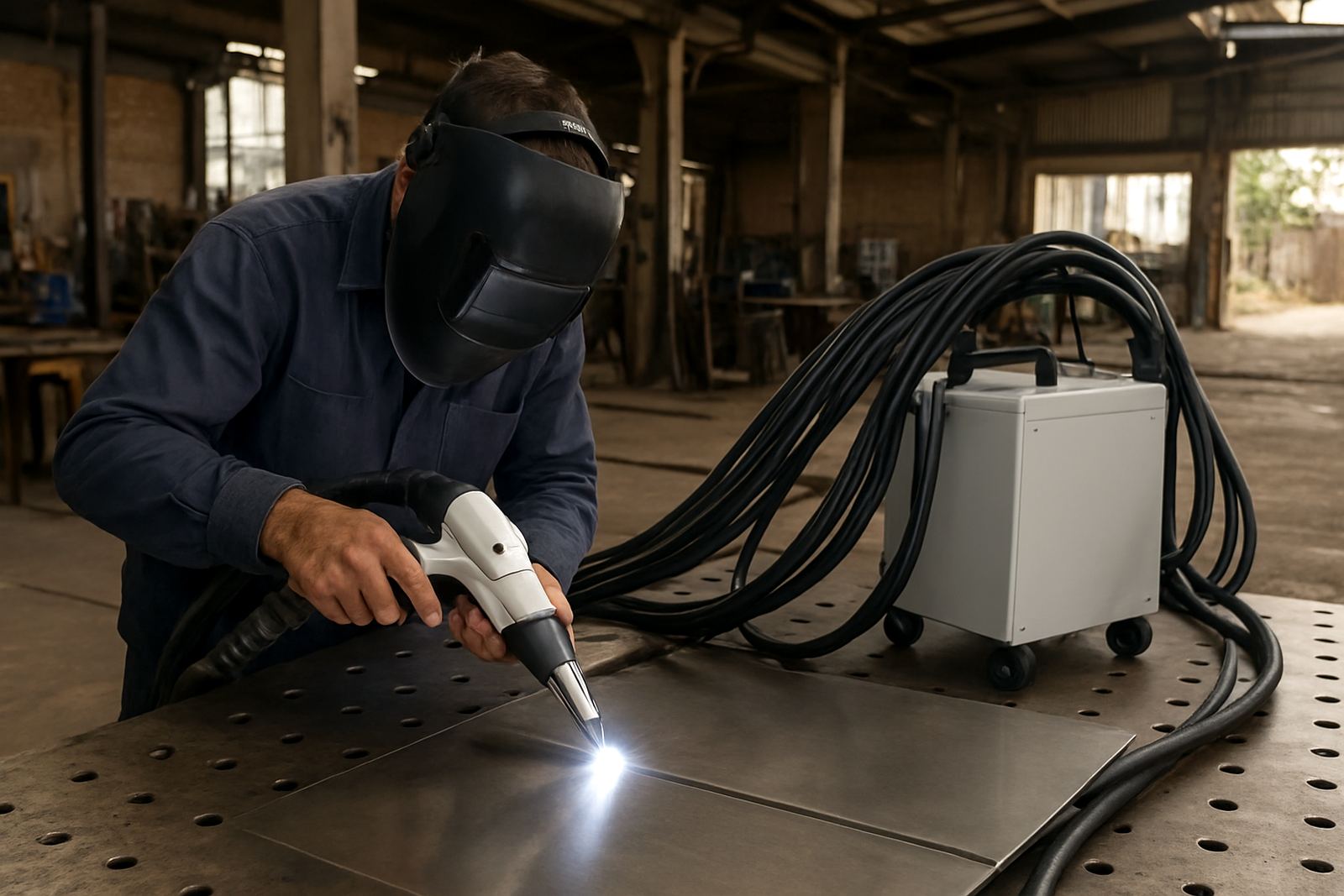
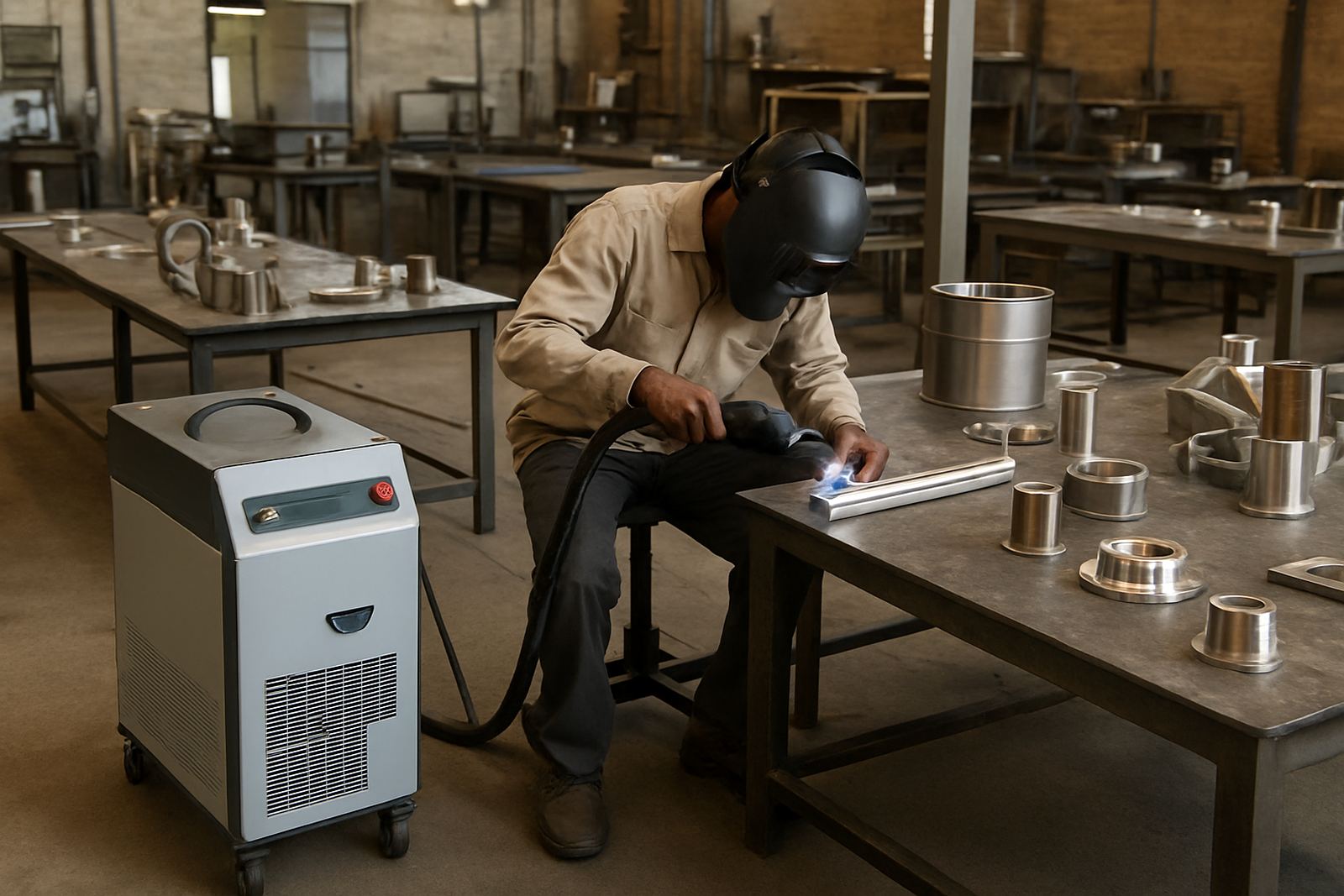
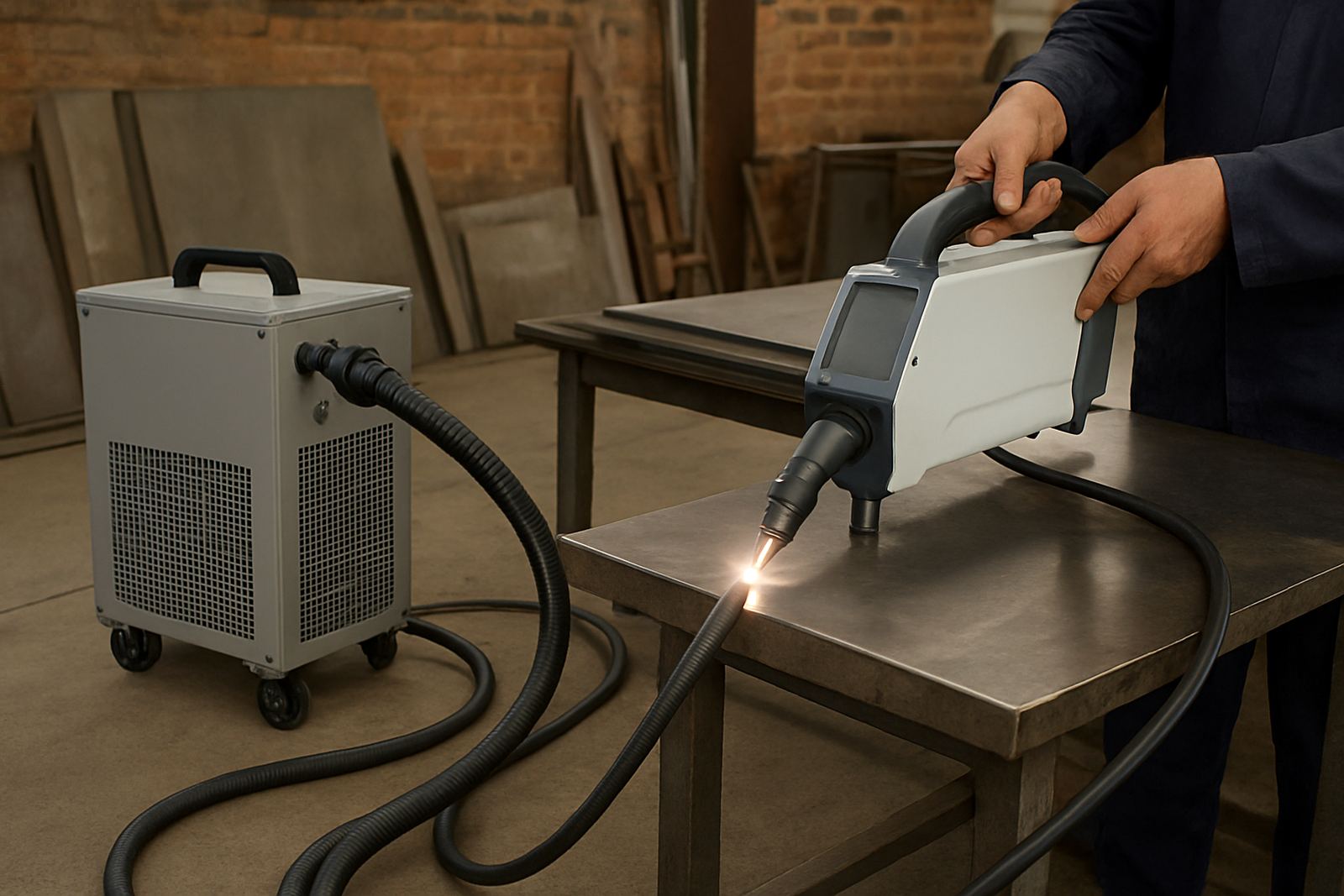
A water cooled handheld fibre laser welder keeps the torch and internal components at a more stable working temperature during extended use. That matters in fabrication shops where runs are long, parts are repetitive, and the team needs consistent weld quality from the first shift to the last.
Compared with a basic air cooled setup, the water cooled configuration is better suited to heavier duty daily work. It helps reduce heat build-up, supports steadier performance and can be a better match for stainless steel fabrication where finish quality and speed both count.
Where this configuration fits best
This unit is a practical choice for small and medium workshops as well as larger production lines that work with stainless steel sheet, tube, covers and assemblies. It is especially useful where jobs are repeated through the week and the operator needs a machine that can keep going without temperature cutbacks becoming a problem.
- Stainless steel fabrication shops in Spartan, Jet Park, Isando and Kempton Park
- Commercial kitchen and food equipment builders
- Balustrade, ducting and sheet metal producers
- Maintenance teams handling on site repair work
- Manufacturers doing production welding on thin to medium gauge stainless parts
In coastal areas the cooler can also help when workshop temperatures and humidity are high, because the machine is less likely to drift during a long day. For municipal or site-based work, it is useful when the welding schedule has tight deadlines and there is no time for repeated stoppages.
Sizes, options and practical configuration choices
Water cooled units are usually selected as a complete system, with the laser source, welding gun, cooling circuit and wire feed options matched to the job. The right choice depends on the thickness range, the length of each shift, and whether the shop is doing fine detailing or heavier production work. Proper selection matters, because an undersized cooler can shorten duty cycle and make the operator work around the machine instead of with it.
- Output options typically from 1000 W to 3000 W depending on production needs
- Handheld welding gun with straight, precise access for corners, seams and internal joints
- Dedicated water cooling unit sized to the laser source and working duty
- Optional wire feed for gap bridging and thicker section work
- Touchscreen control with preset settings for common stainless steel jobs
For many fabricators, 1500 W and 2000 W are the most practical starting points. Higher output is worth considering where sheet thickness is greater, or where cycle times need to be cut on repeat work. We can help match the machine to the actual job load rather than guessing from brochure figures.
Installation, power and workshop requirements
Before installation, the shop should check floor space, power supply, ventilation and access for routine servicing. The machine needs a clean, dry position with enough room around the cooler and cable runs, plus a stable bench or stand where the operator can move safely.
Most workshops will need a suitable single-phase or three-phase supply depending on the model selected. Because some sites in Gauteng still deal with load-shedding and supply dips, voltage stability is worth checking before commissioning. A proper changeover plan can prevent avoidable downtime and protect the equipment.
- Stable electrical supply with earthing in place
- Clean water circuit with suitable coolant mixture for the machine
- Dry indoor working area, away from grinding dust and spray
- Good extraction or airflow for fumes and heat
- Gas supply for shielding, usually argon for stainless steel work
Gas choice and flow settings should be matched to the weld type and nozzle size. If the shield gas is wrong, the finish can suffer and the weld may need rework. That is why commissioning on site is important, especially when a shop is changing from TIG or MIG to laser welding.
Care, servicing and keeping the cooler working properly
Like any production machine, the water cooled unit performs best when it is checked regularly. The cooling circuit should stay clean, the filters should be inspected and the coolant level should be monitored. Dirty water or neglected filters can affect temperature control and shorten component life.
Operators should also keep an eye on hose routing, torch condition, nozzle wear and any changes in welding sound or bead appearance. If the machine starts to run warmer than usual, that is often the first sign that service is due. A small issue caught early can save a full day of lost production, which matters when orders are stacked up.
- Check coolant level and condition weekly
- Inspect hoses, seals and fittings for leaks
- Keep dust, grinding grit and metal off the cooler intake
- Clean the work area to reduce contamination on stainless steel
- Book preventive maintenance before peak production periods
We also assist with breakdown response, remote help and refresher training, so your team can keep working without waiting for avoidable faults to grow into bigger repairs.
What to confirm before placing an order
When ordering a water cooled unit, it helps to provide a clear picture of the jobs you do every day. That includes material type, thickness range, part size, access points and whether the machine will be used for production, repair work or both. The more accurate the job details, the better the machine match.
Please check these points before ordering: the thickness of stainless steel you weld most often, whether you need wire feed, the available power supply, the length of your shifts, and if the machine must move between work areas or stay in one cell. Also confirm where the unit will be installed, because workshop layout can affect cable length, cooler placement and operator movement.
For fabricators in Ekurhuleni and further afield, we can arrange demonstrations at your shop and walk the team through weld testing, setup and operating practice. If the unit will support multiple operators, say so upfront so training and process settings can be planned properly.
Key facts
| Product type | Handheld fibre laser welder with dedicated water cooling |
|---|---|
| Typical power options | 1000 W, 1500 W, 2000 W, 3000 W |
| Material focus | Stainless steel fabrication and repair |
| Cooling system | Integrated water cooled unit with monitored circulation |
| Shield gas | Argon recommended for stainless steel work |
| Service support | Commissioning, training, maintenance and breakdown response nationwide |