
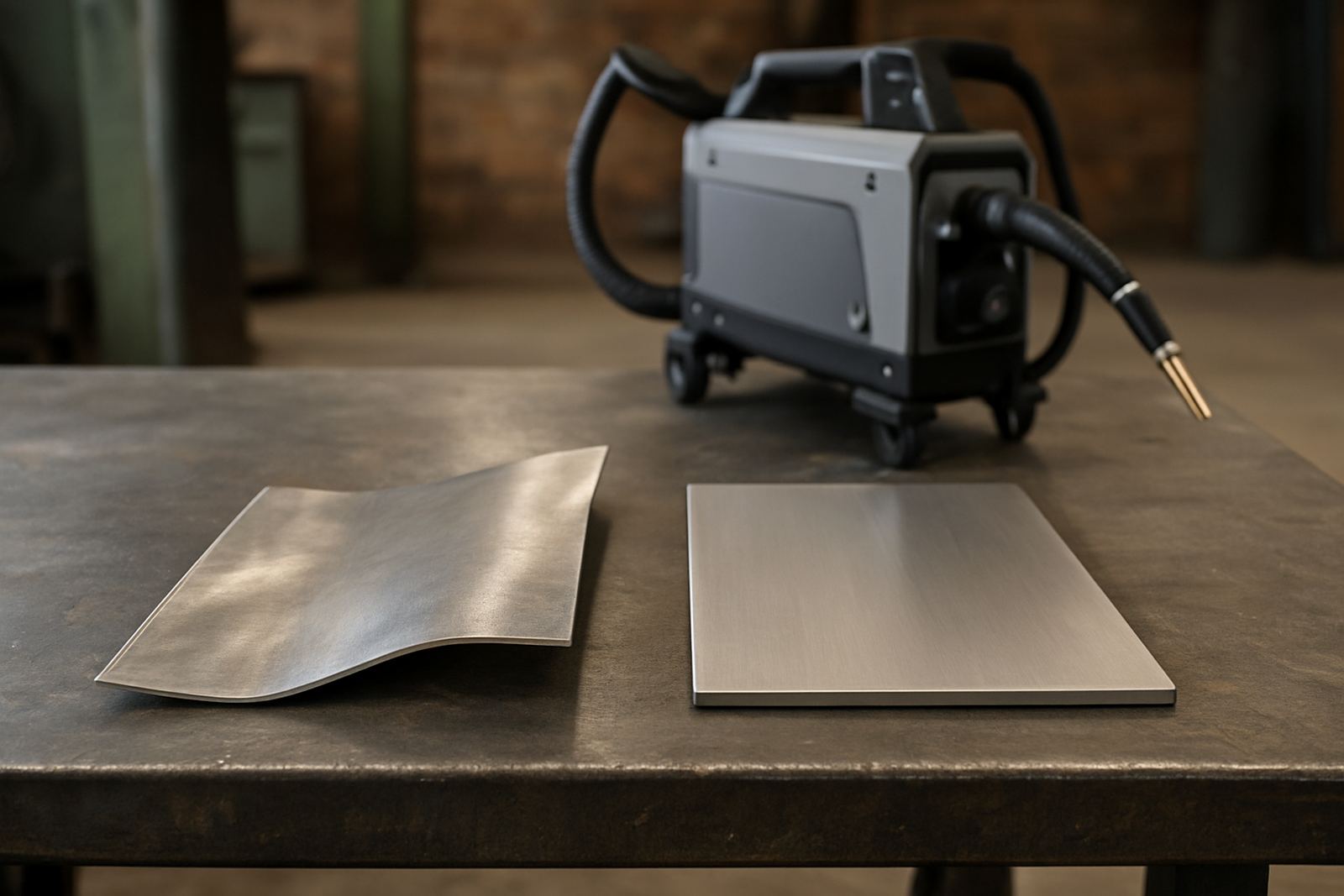
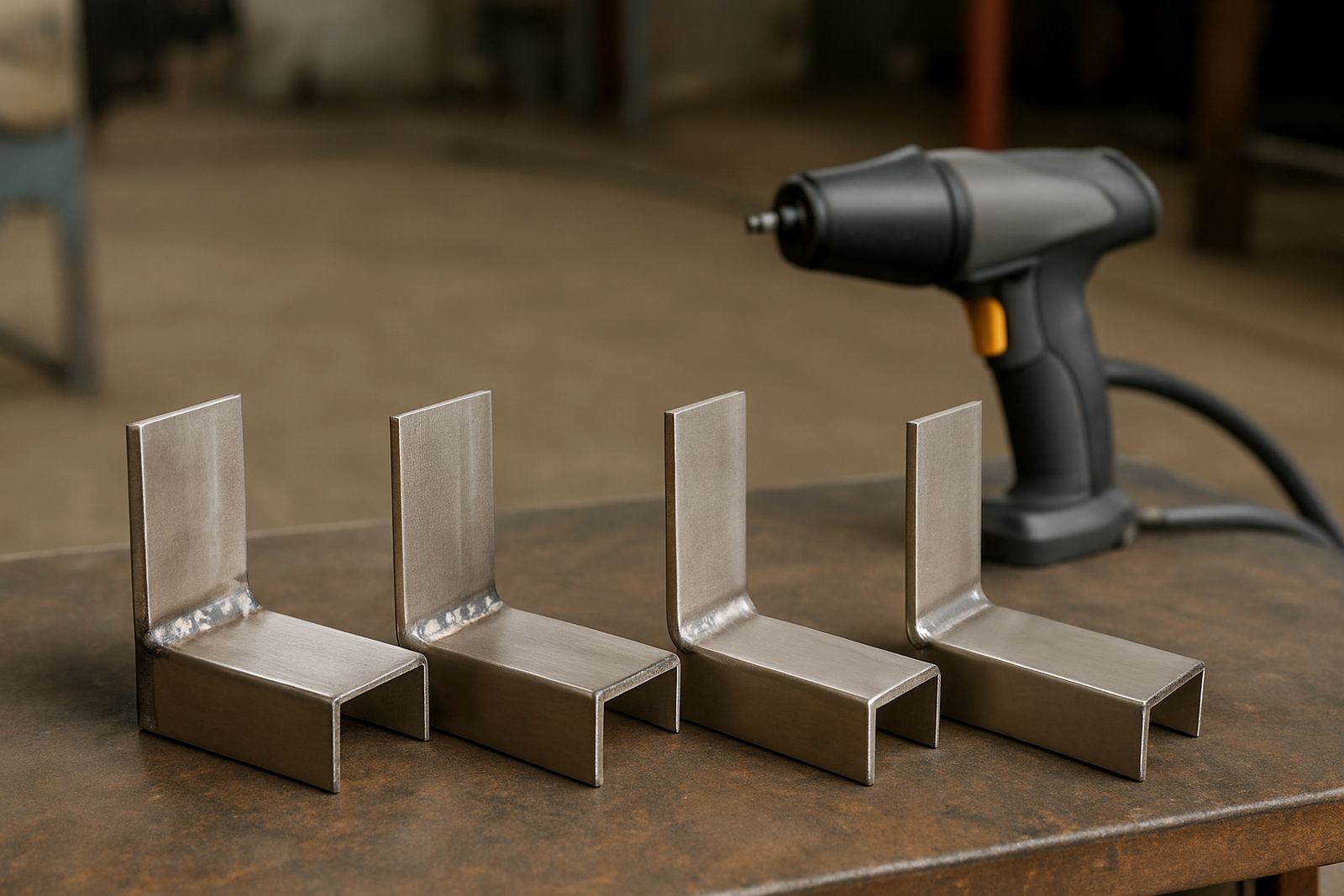
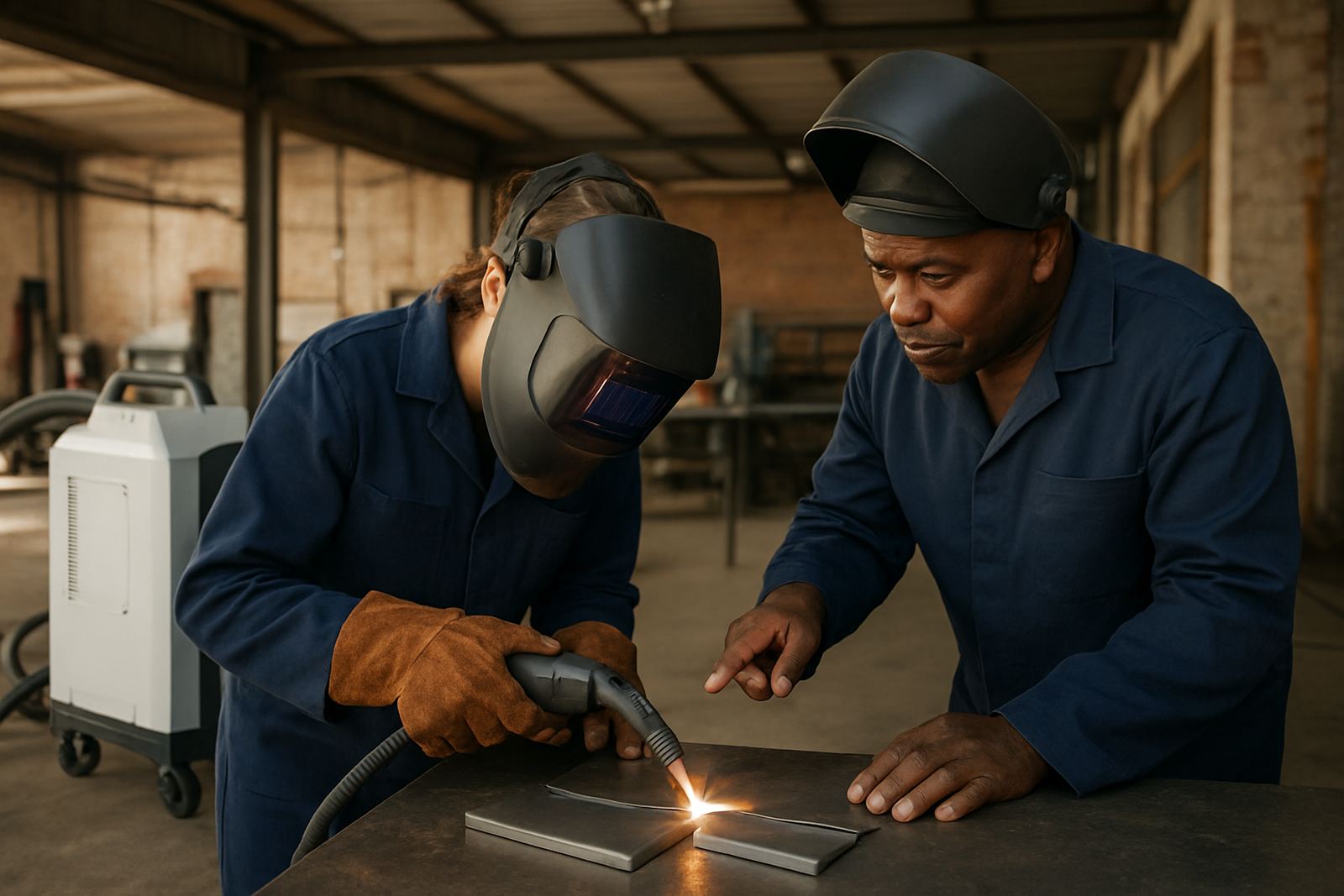
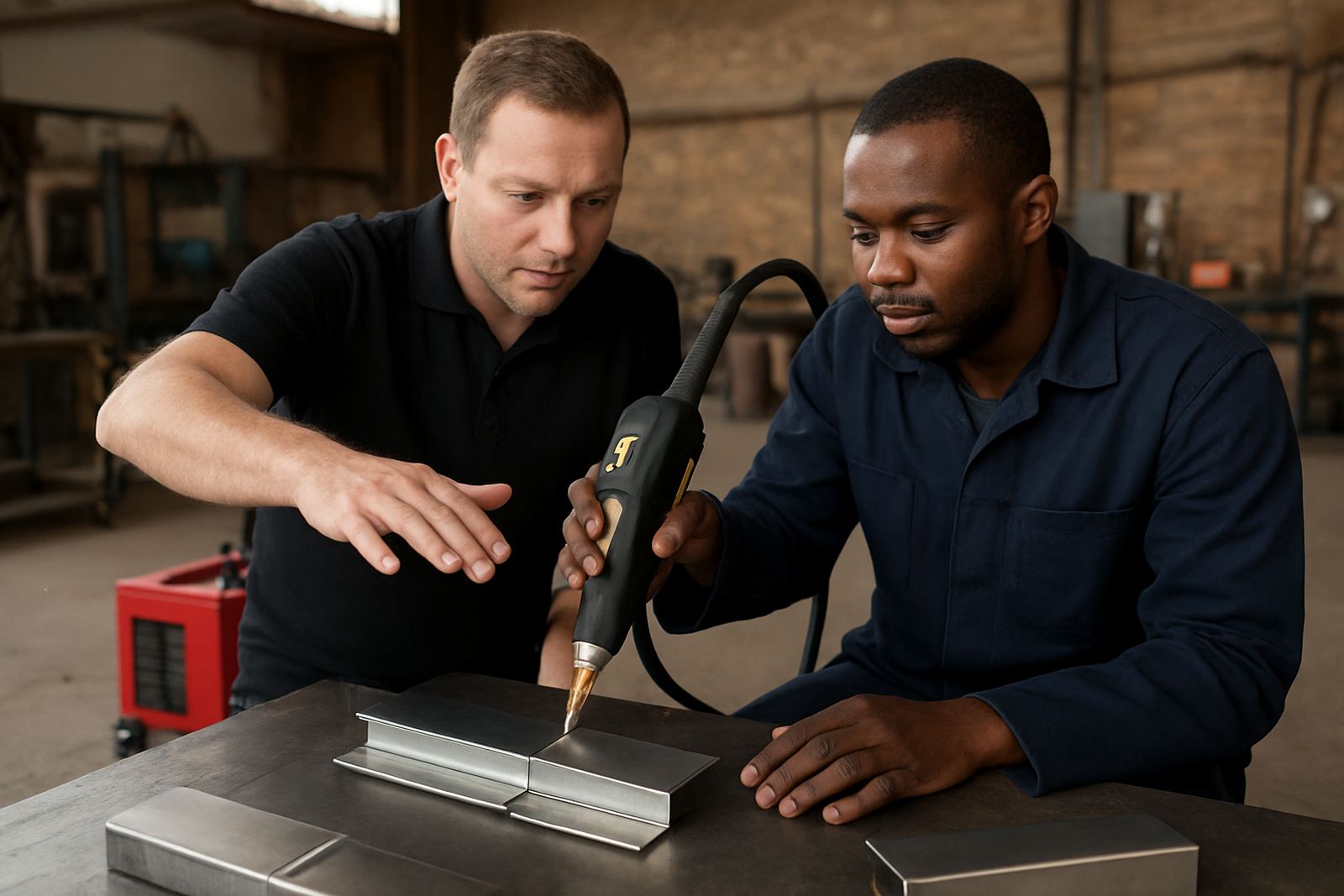
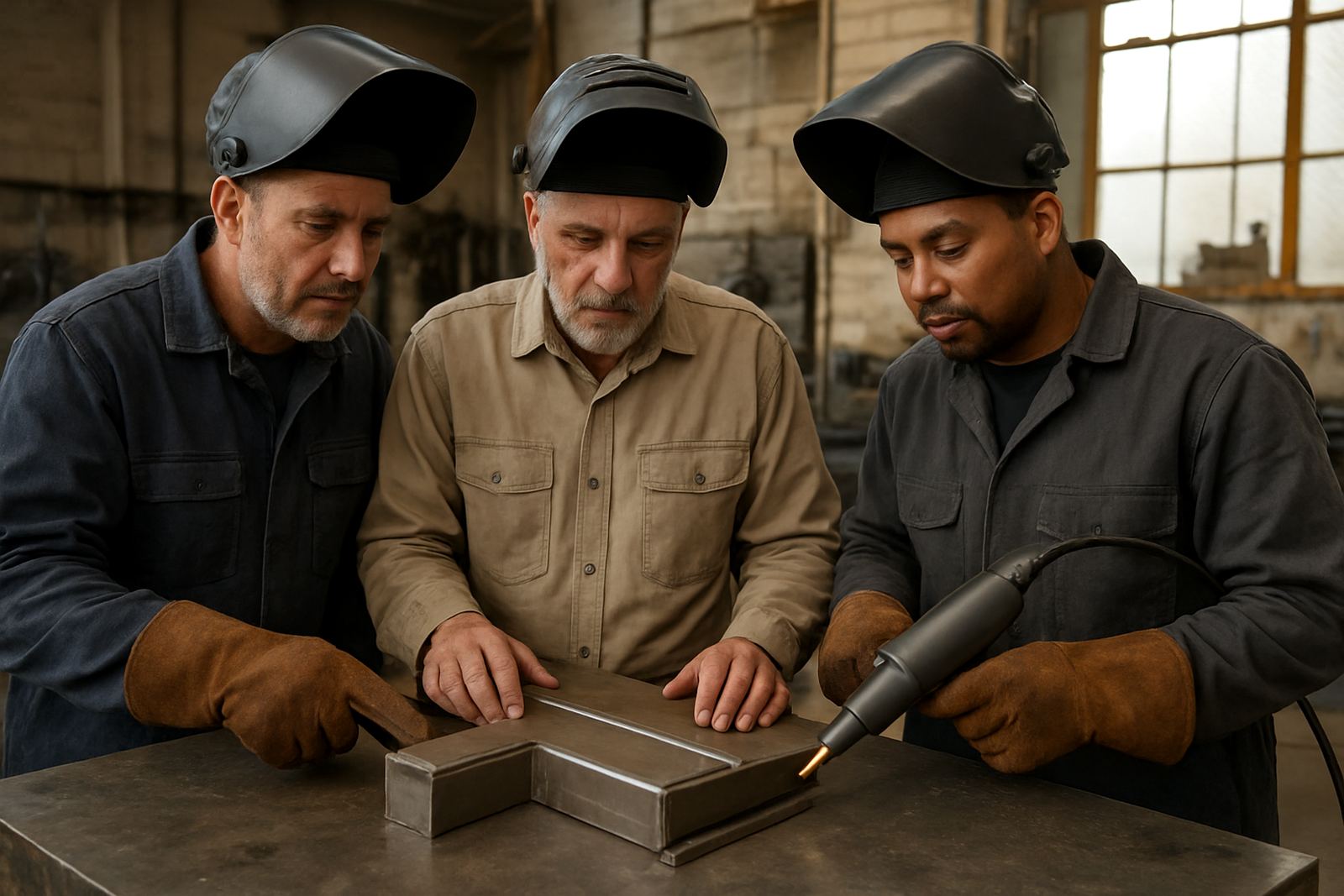
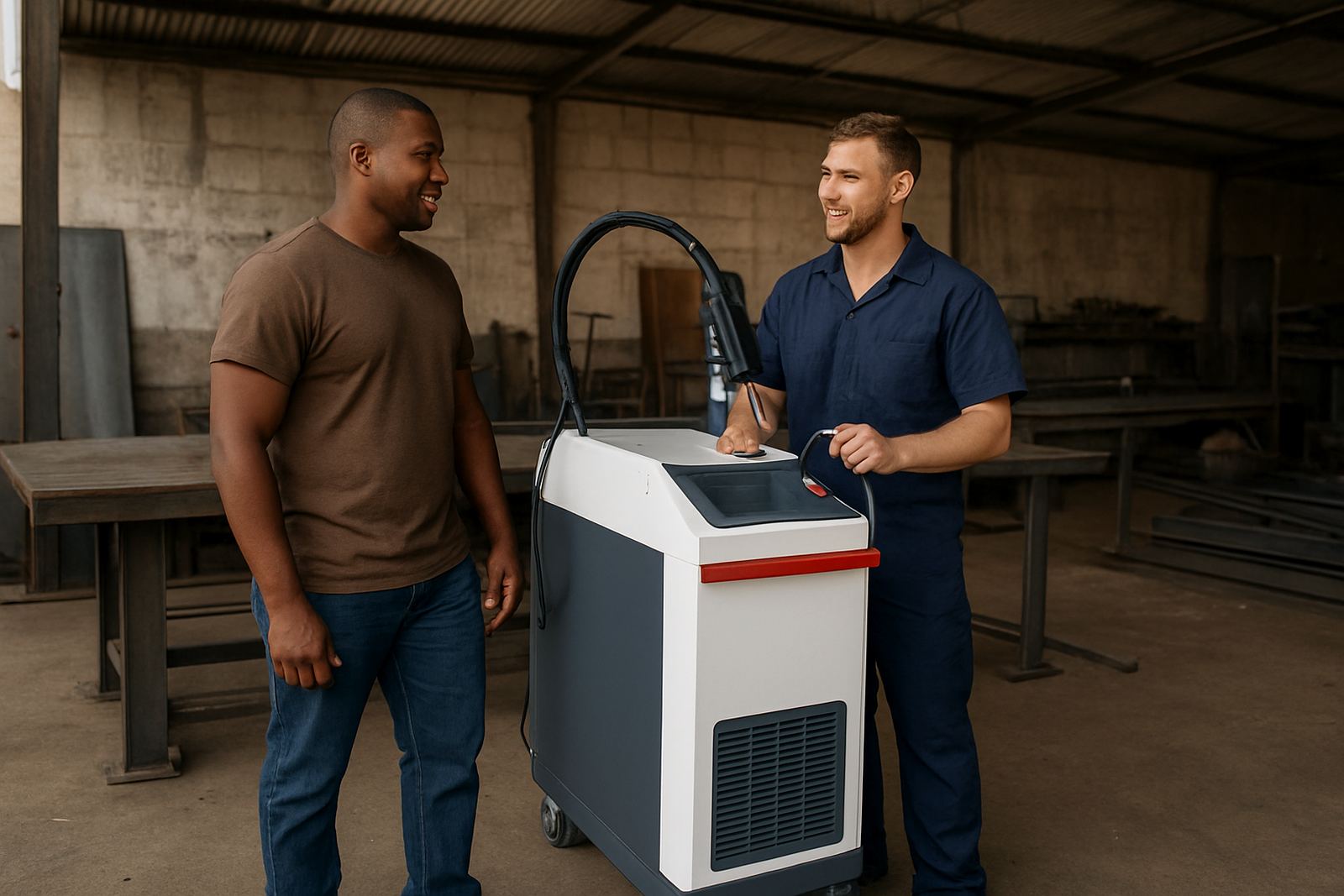
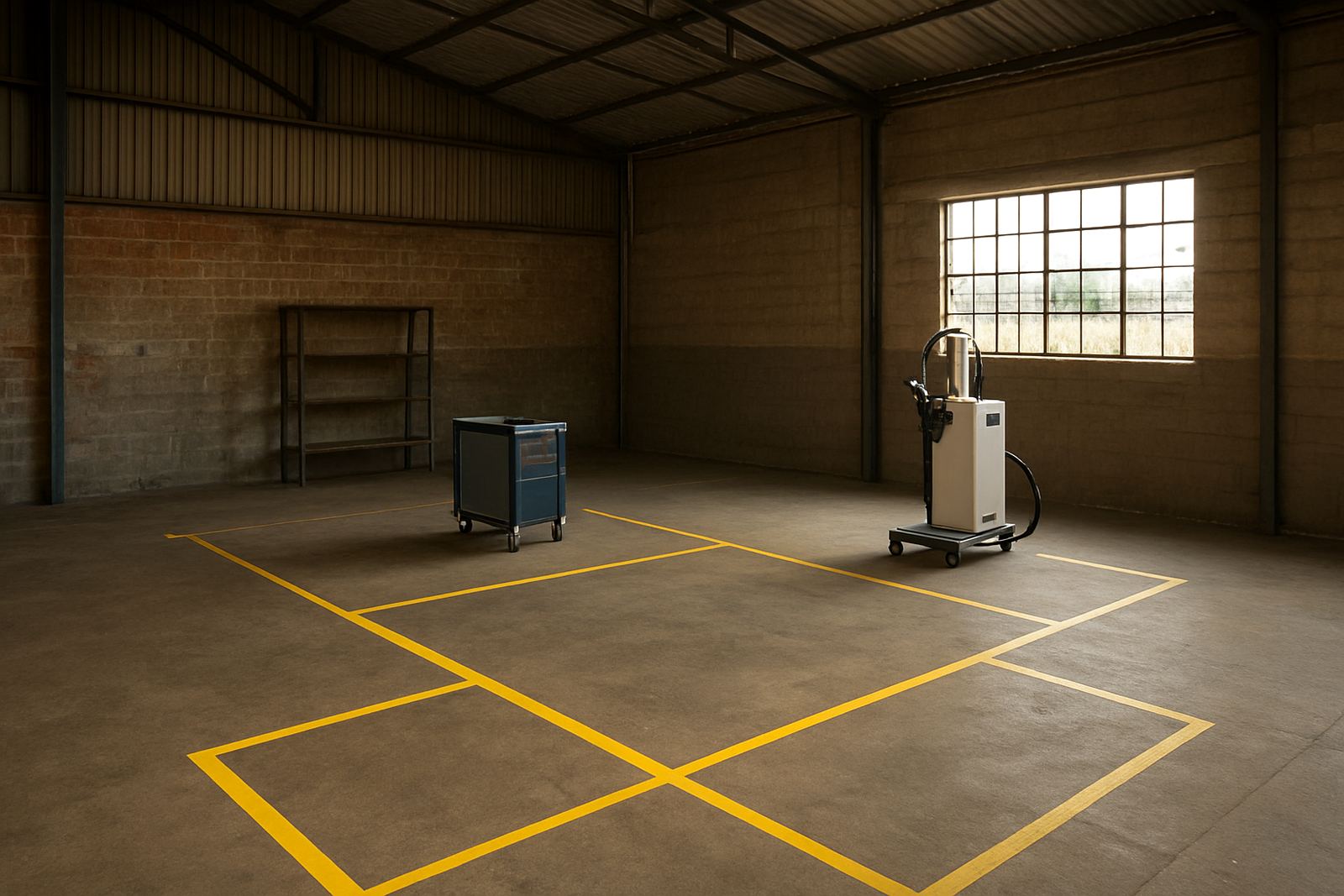
What this journal covers for stainless workshops
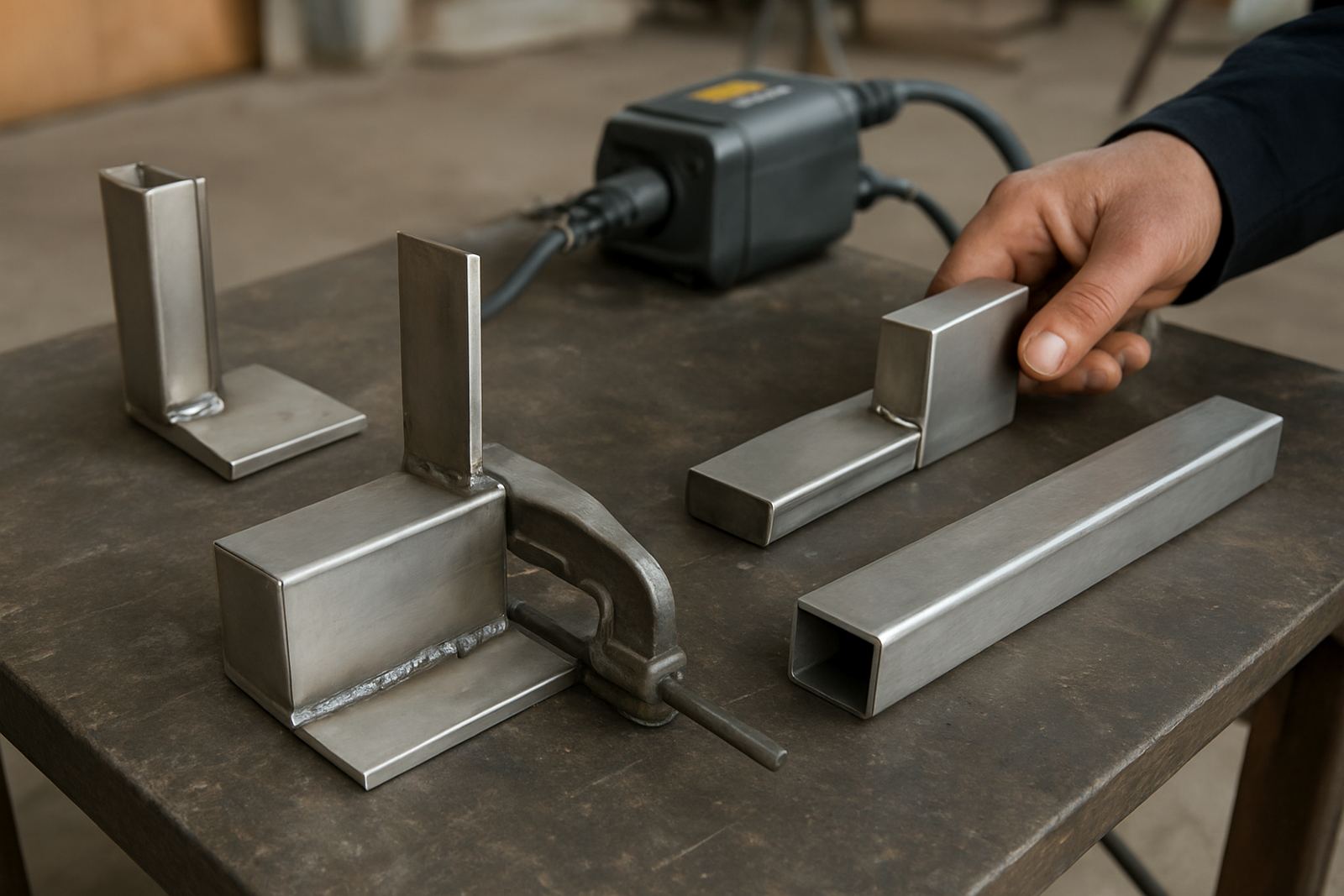
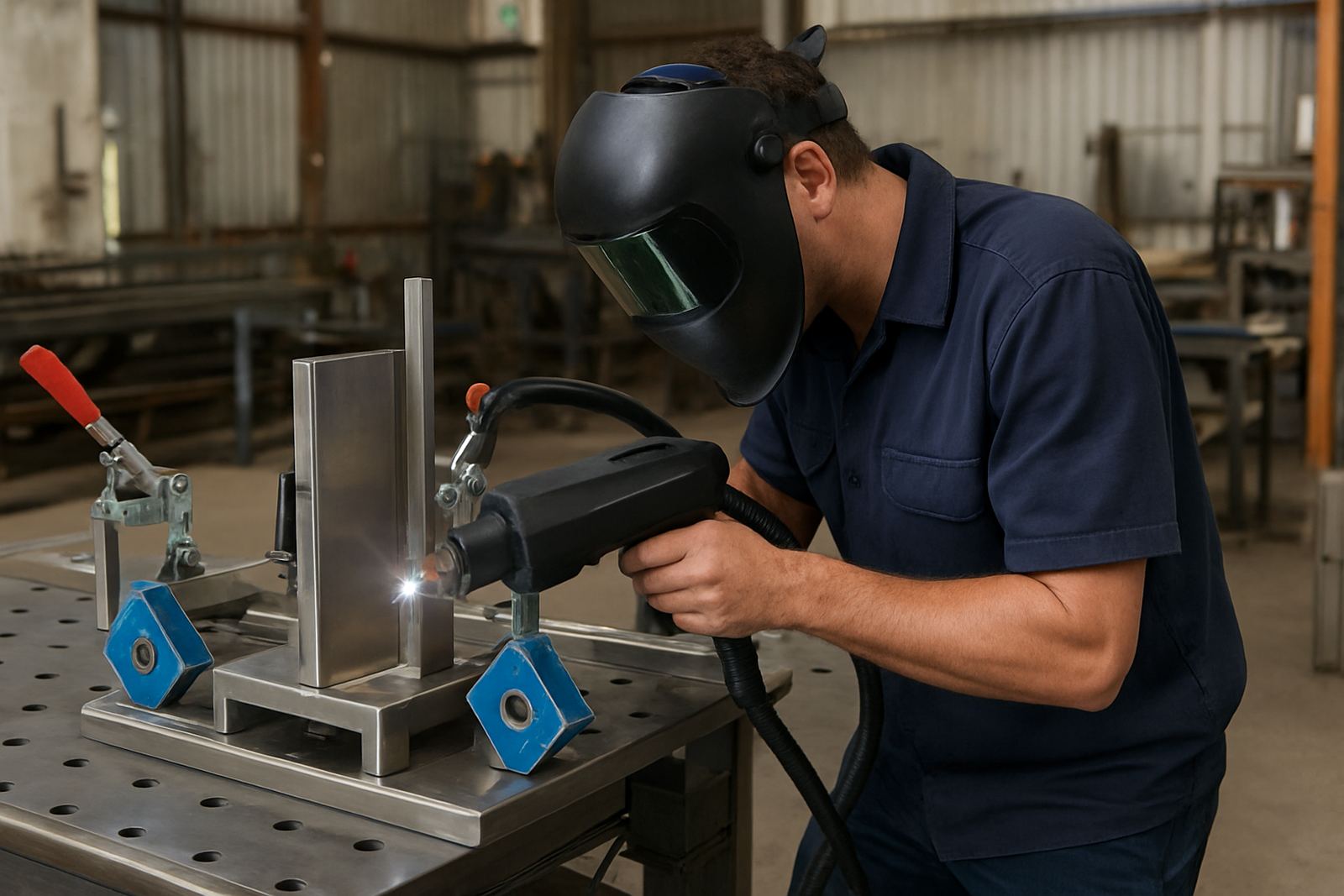
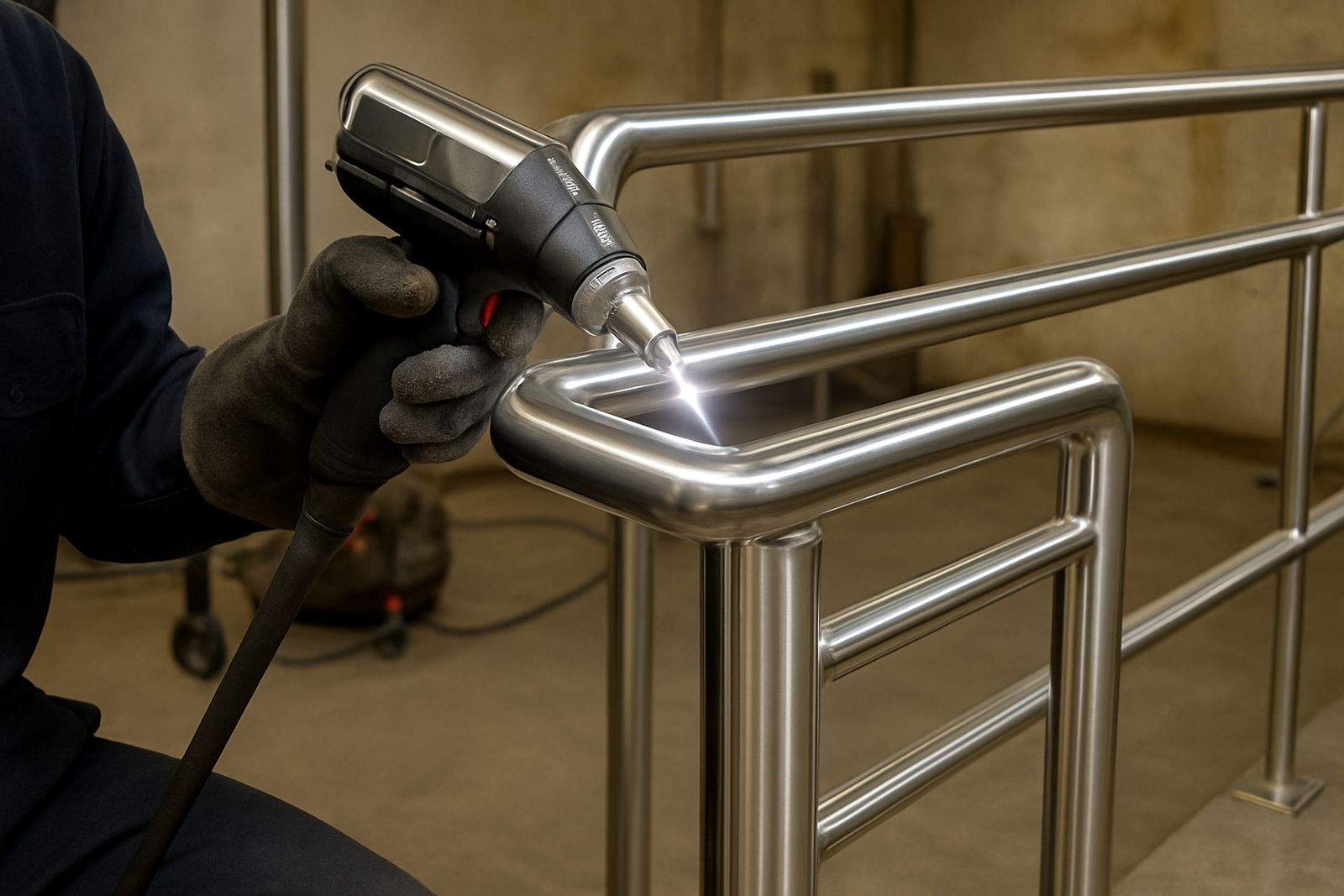
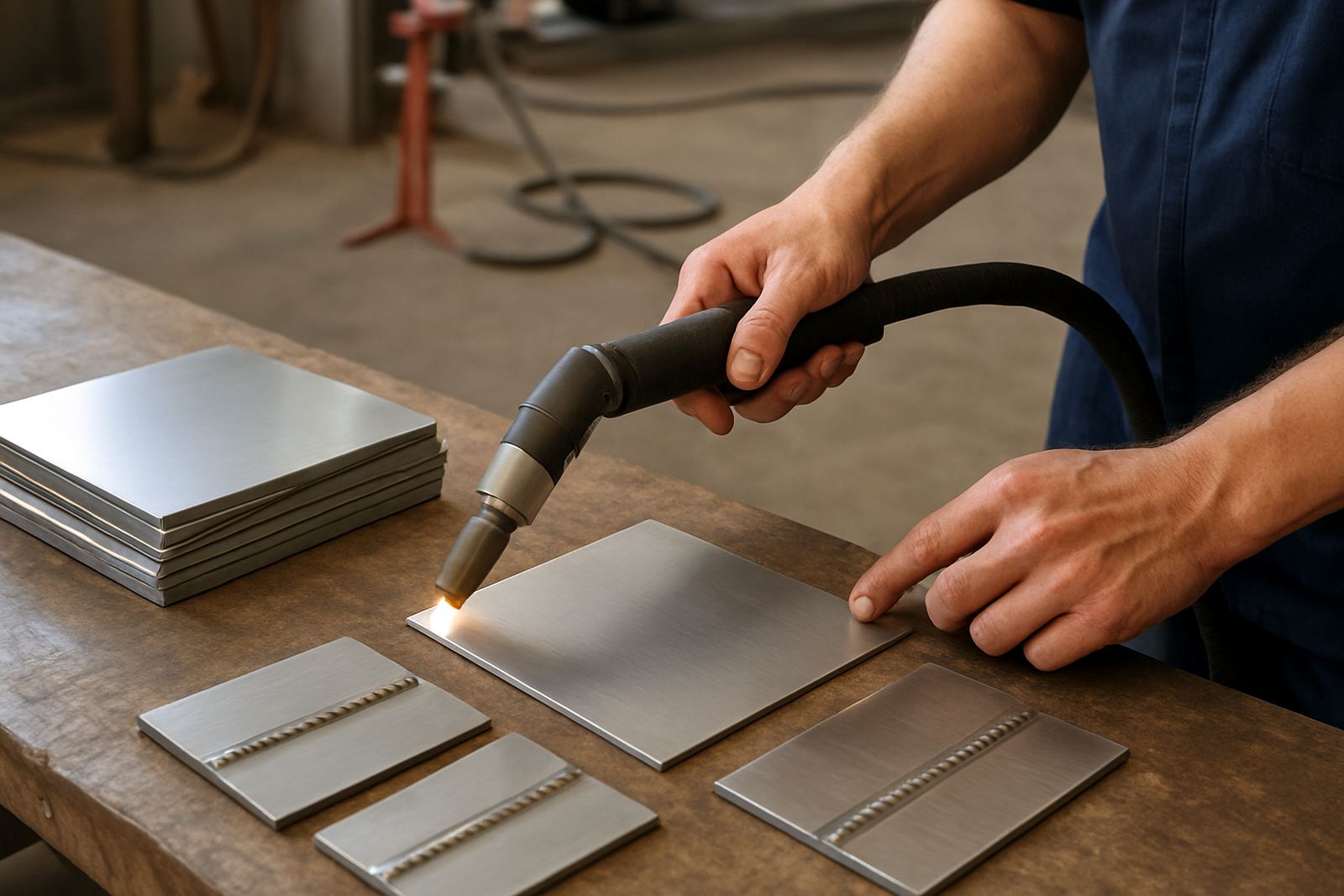
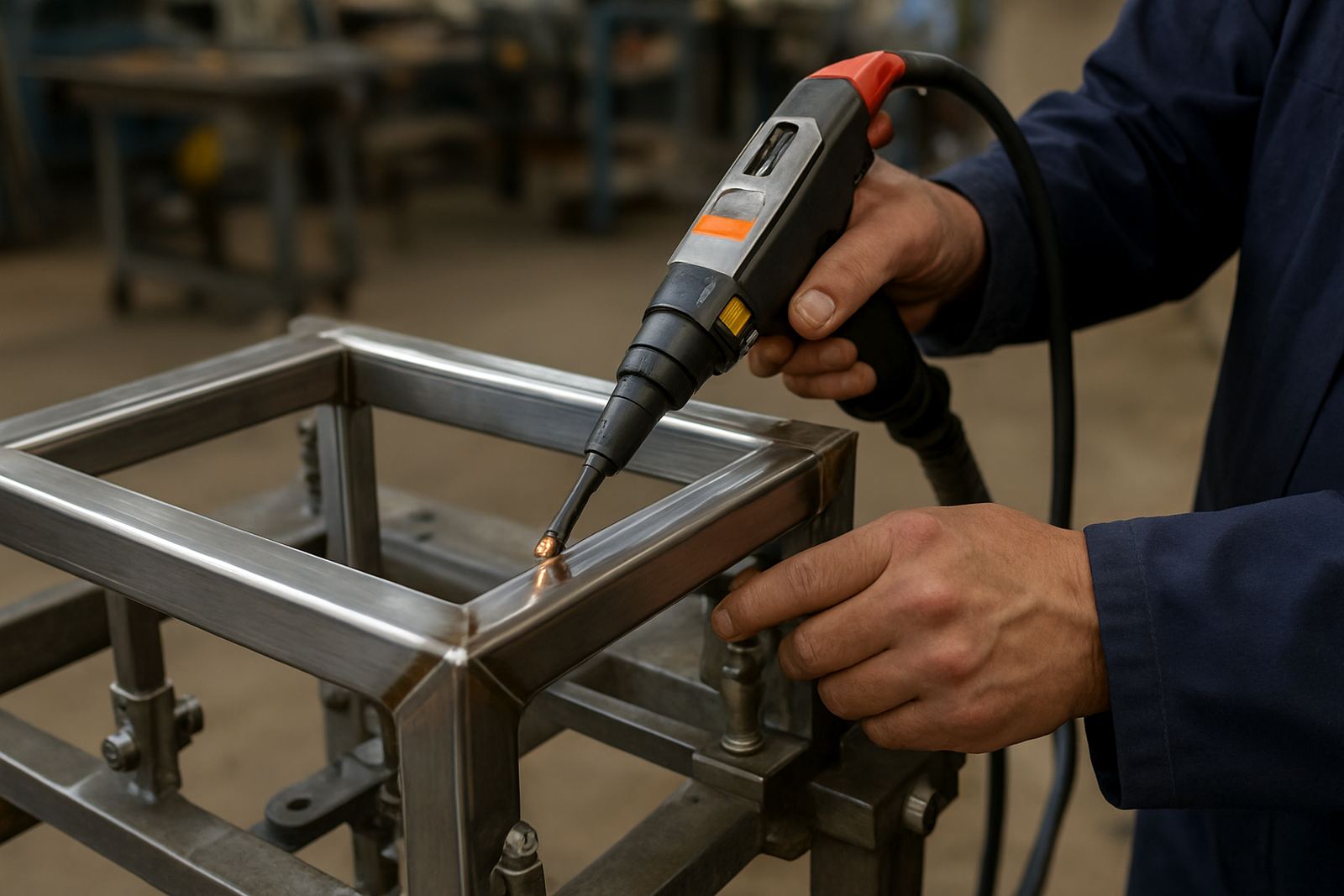
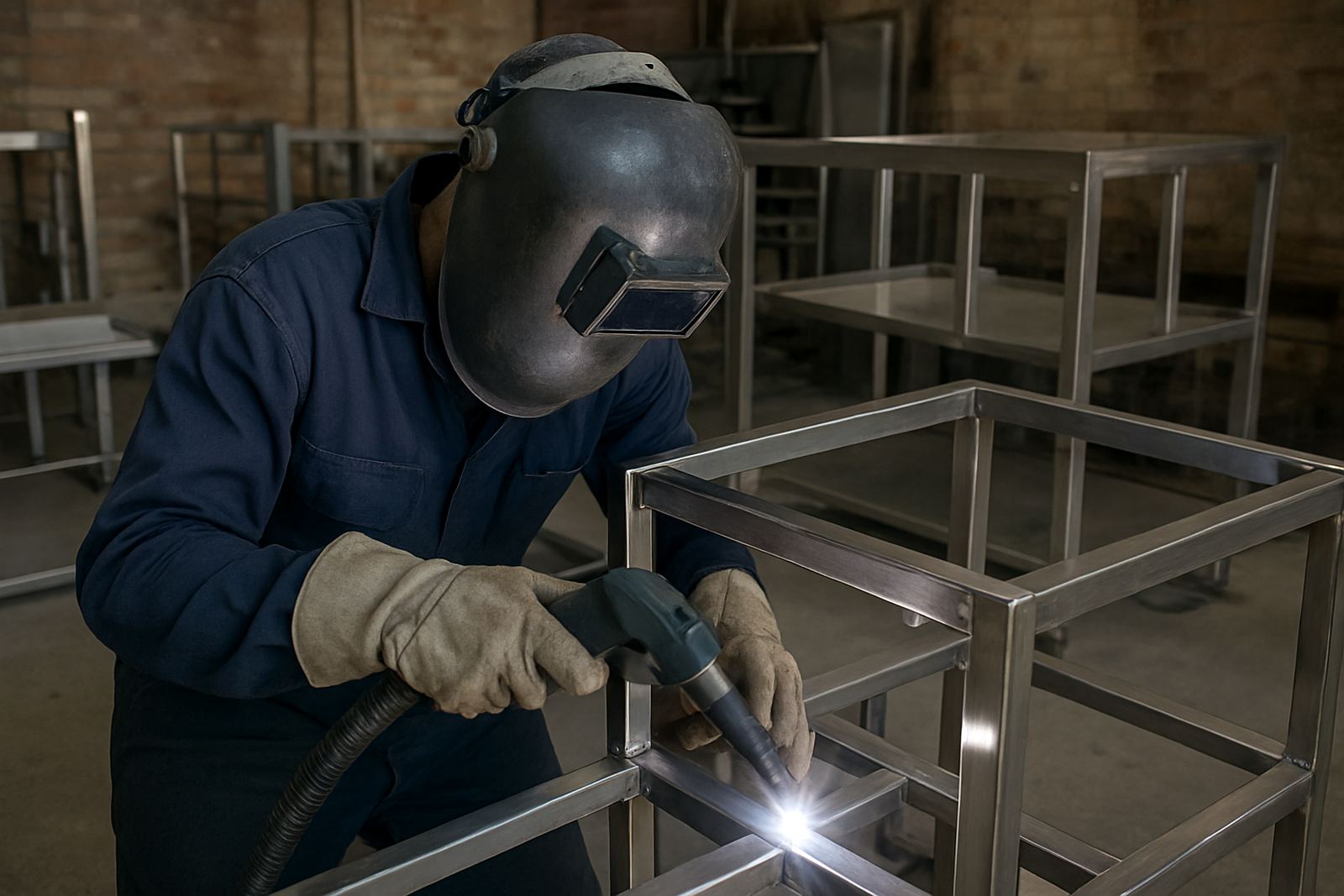
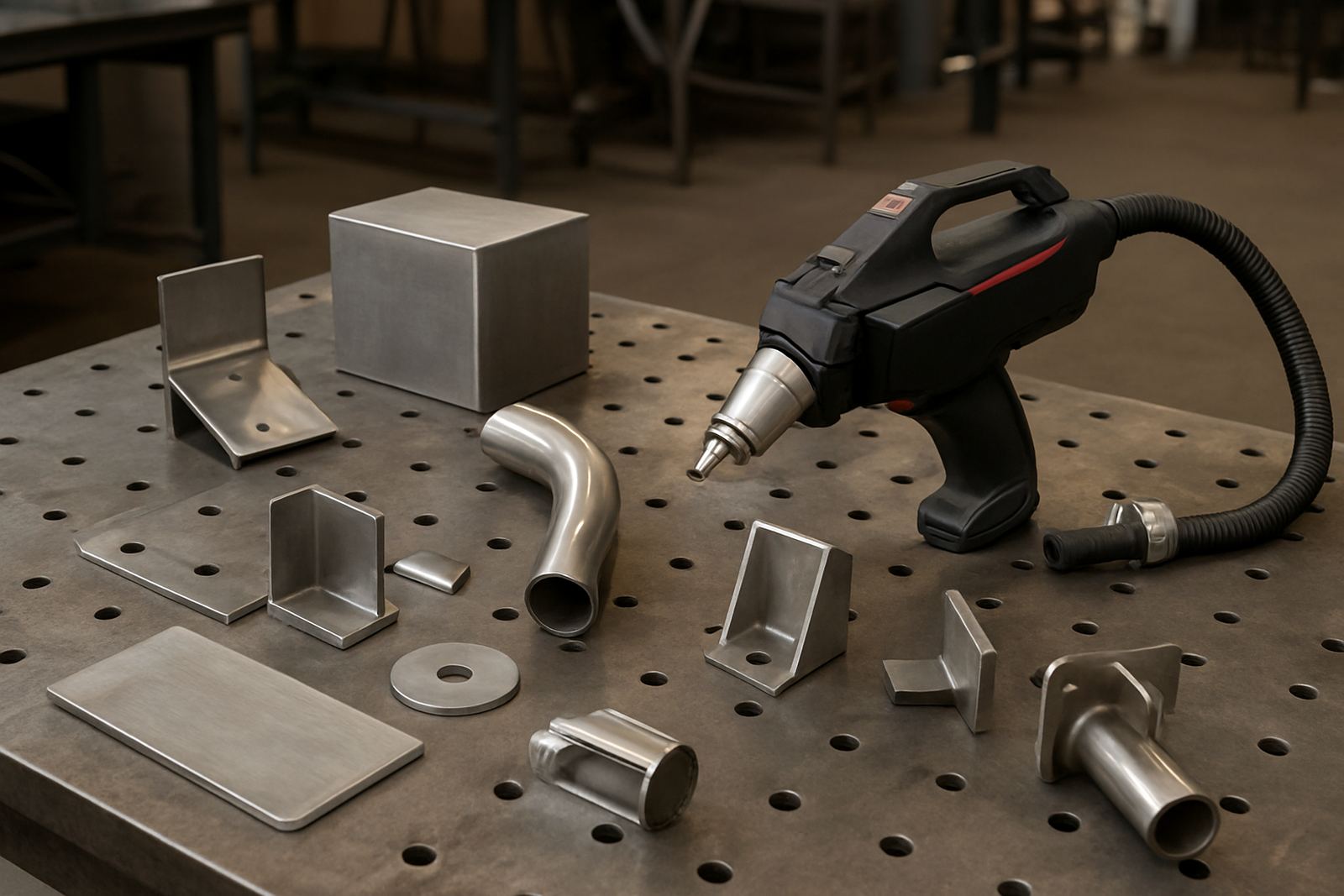
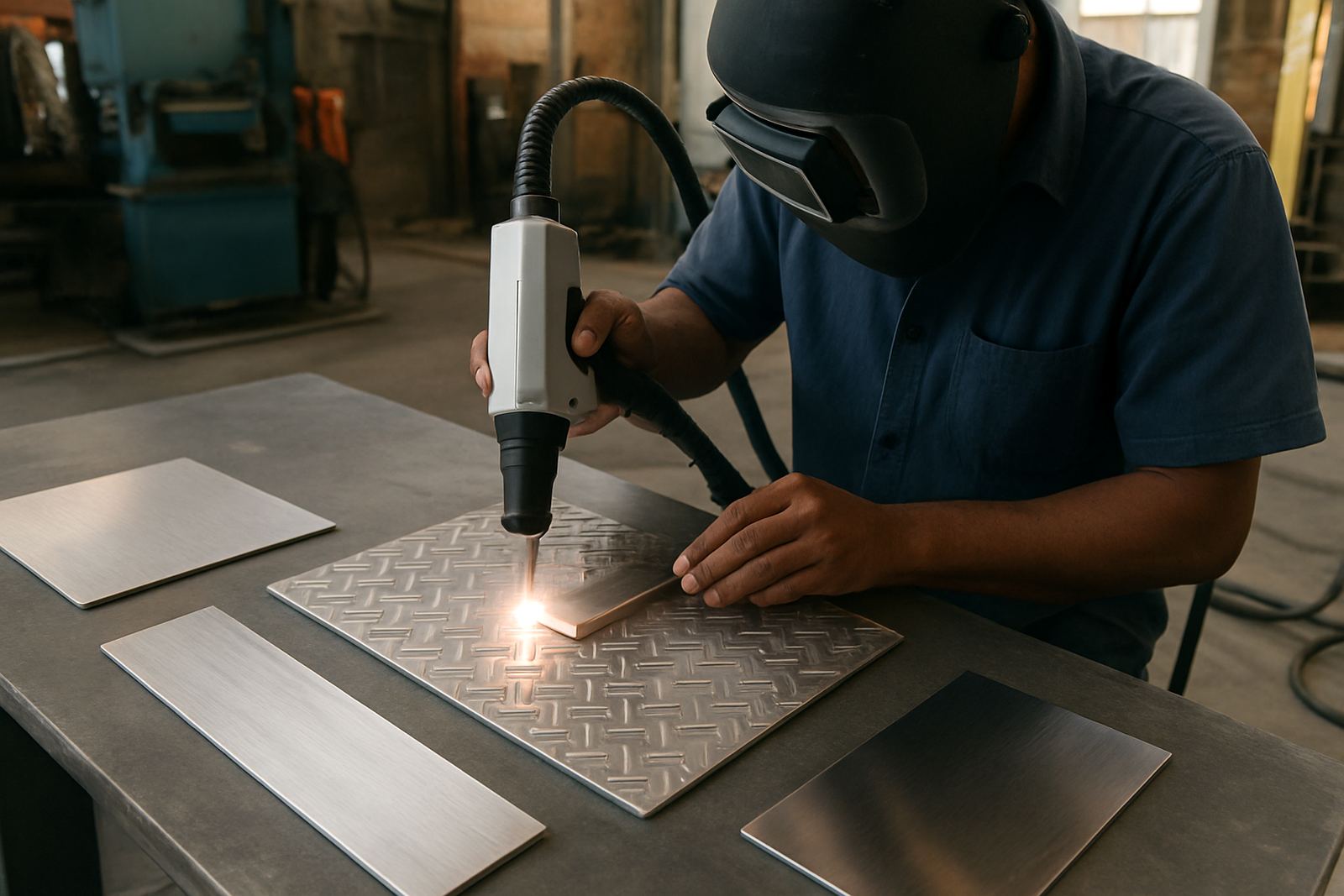
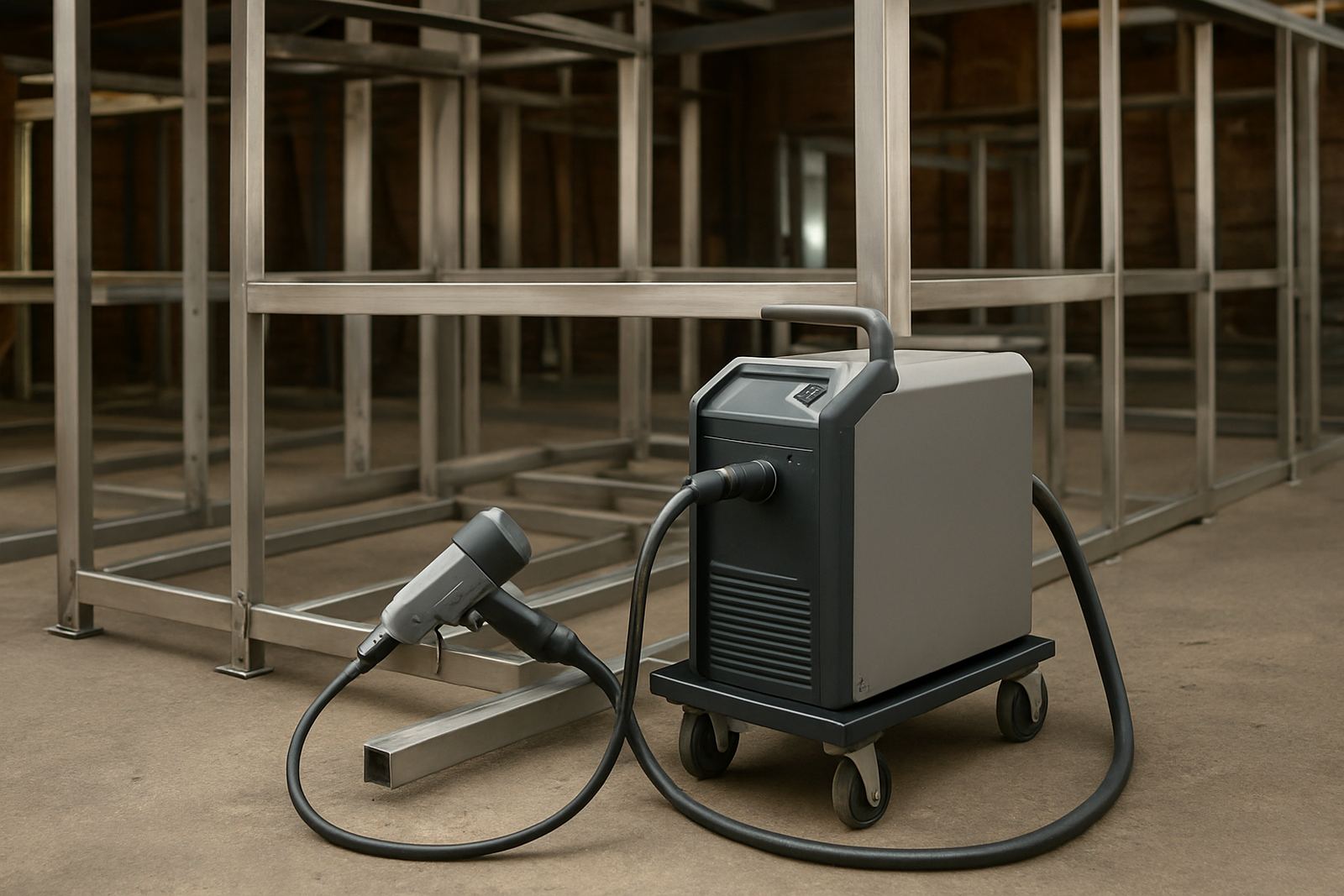
The articles focus on handheld fibre laser welding in real workshop conditions, from thin sheet and tube work to repeat jobs where finish quality, speed and consistency matter.
You will find guidance that helps with day to day decisions such as when laser welding makes sense, how to plan a job for quicker turnaround, and what to watch for when you are trying to improve weld appearance. The aim is to support better output in small fabrication shops, busy production areas and mixed manufacturing environments across Ekurhuleni, Gauteng and further afield.
How to pick the right article for your welding work
Different workshops need different support. Some need setup advice before buying, while others need help with operating habits, training or maintenance after the machine is already on the floor.
- Start with process articles if you are still comparing welding methods for stainless work.
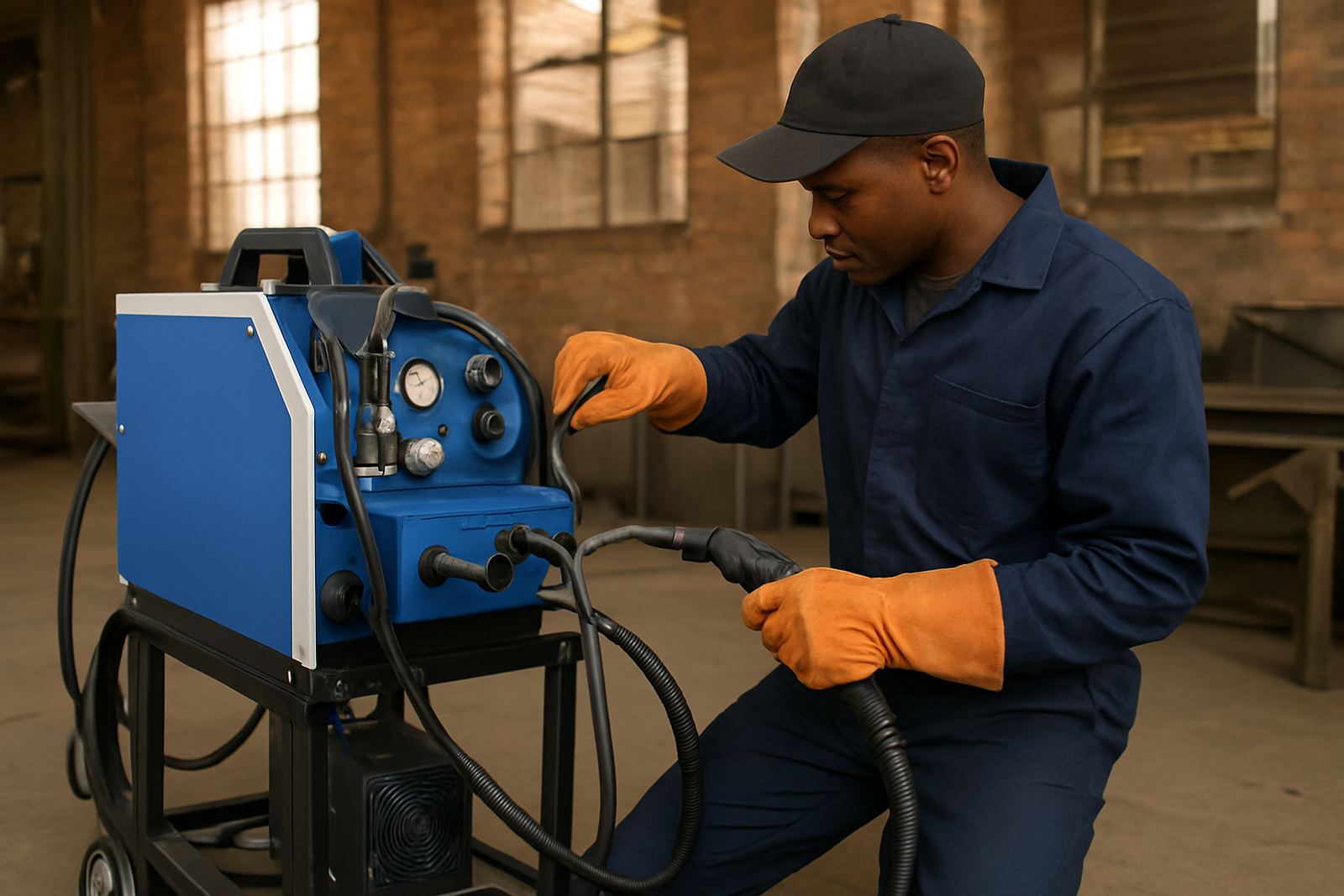
- Read training pieces if your operators are new to handheld laser equipment.
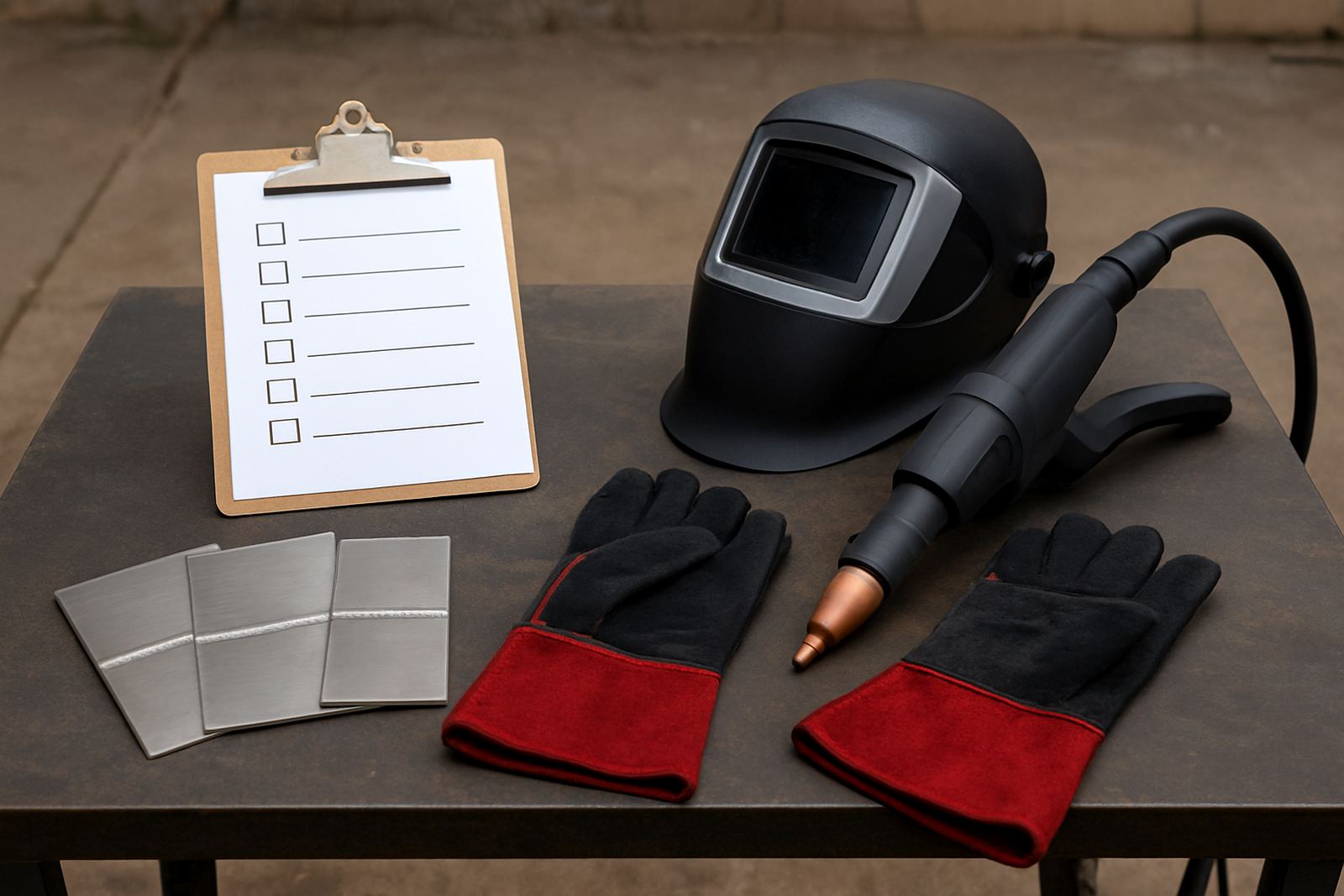
- Use quality and testing articles when you need cleaner seams, less rework or more repeatable results.
- Check production planning topics if you run shift work, job cards or a busy repair bench.
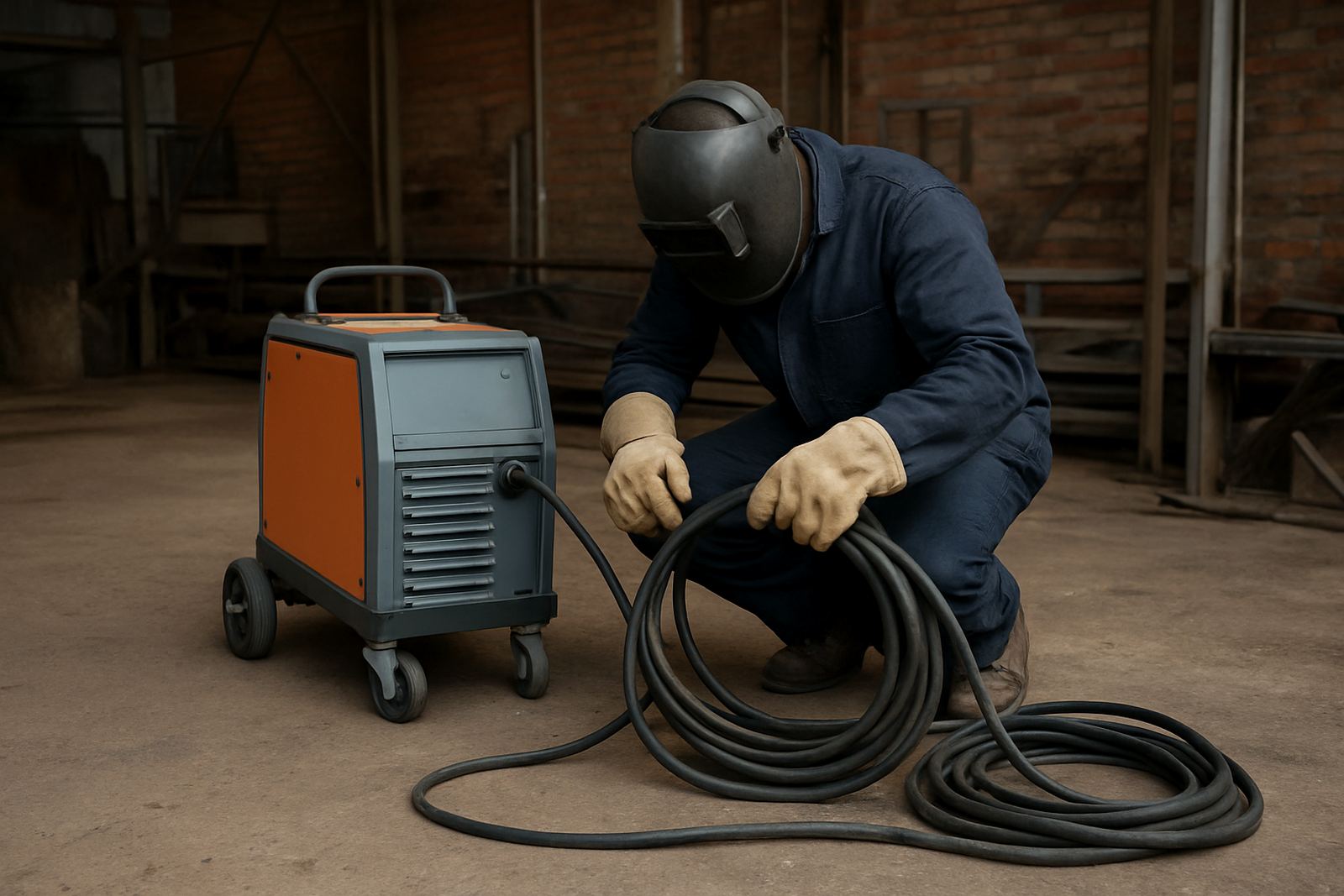
- Open maintenance and service notes if downtime, contamination or poor beam consistency is slowing work down.
If you are not sure where to begin, choose the article that matches the bottleneck in your shop right now. That is usually the quickest way to get useful value from the journal.
Topics that matter in South African fabrication shops
South African workshops work under real pressures, from load-shedding and compressed deadlines to municipal compliance, limited floor space and fluctuating workload. That means the useful articles are the ones that speak to practical conditions, not ideal workshop setups.
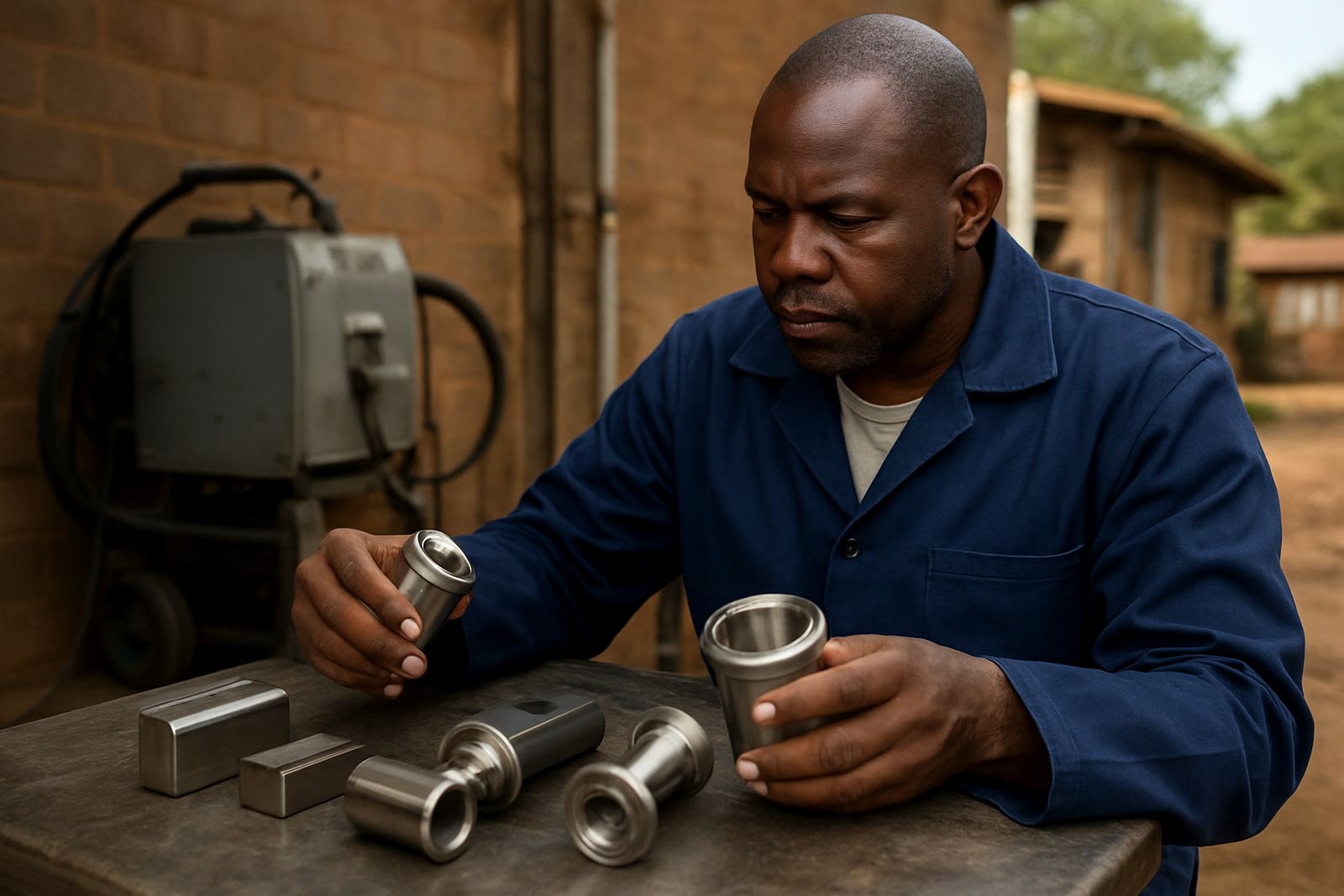
Expect reading on welding stainless steel in a way that supports clean finish work, safer handling, better throughput and fewer reworks. The journal also touches on production rollouts, preventive maintenance, remote help, weld testing and refresher training, since those are often the details that decide whether a machine stays productive or becomes another idle asset.
- Process understanding for handheld fibre laser welding
- Workshop planning for small and larger fabrication teams
- Quality control habits that support consistent welds
- Training notes for new operators and supervisors
- Production improvements that save time without cutting corners
Using the journal to improve output, not just knowledge
Useful welding advice should lead to a change in the workshop. That might mean adjusting technique, planning jobs differently, checking fit-up more carefully or deciding when a refresher session is needed. Turning information into practical improvement matters on the floor.
For many shops, the benefit comes from small gains added together. A cleaner weld can reduce grinding. Better preparation can shorten setup time. More consistent training can lower scrap. Those gains matter when you are balancing labour, power interruptions and delivery dates. And yes, even a small process improvement can make a noticeable difference by the end of a busy week.
Who will get the most value from these articles
The journal is most useful for fabricators working with stainless steel who need dependable results and clear working methods. It suits owners, supervisors, workshop managers, lead welders and operators who want better control over quality and output.
- Small fabrication shops looking to improve weld appearance and reduce finishing time
- Manufacturing teams wanting faster repeat work and better process discipline
- Workshop managers planning operator training or rollout across multiple bays
- Businesses that need help with maintenance, testing or breakdown response
- Teams wanting practical support for stainless steel production in Gauteng and beyond
Because the journal is grounded in shop-floor use, it is written for people who need useful information they can apply on the same day, not broad advice that sounds good but does little in practice.
How the journal fits with demos, training and support
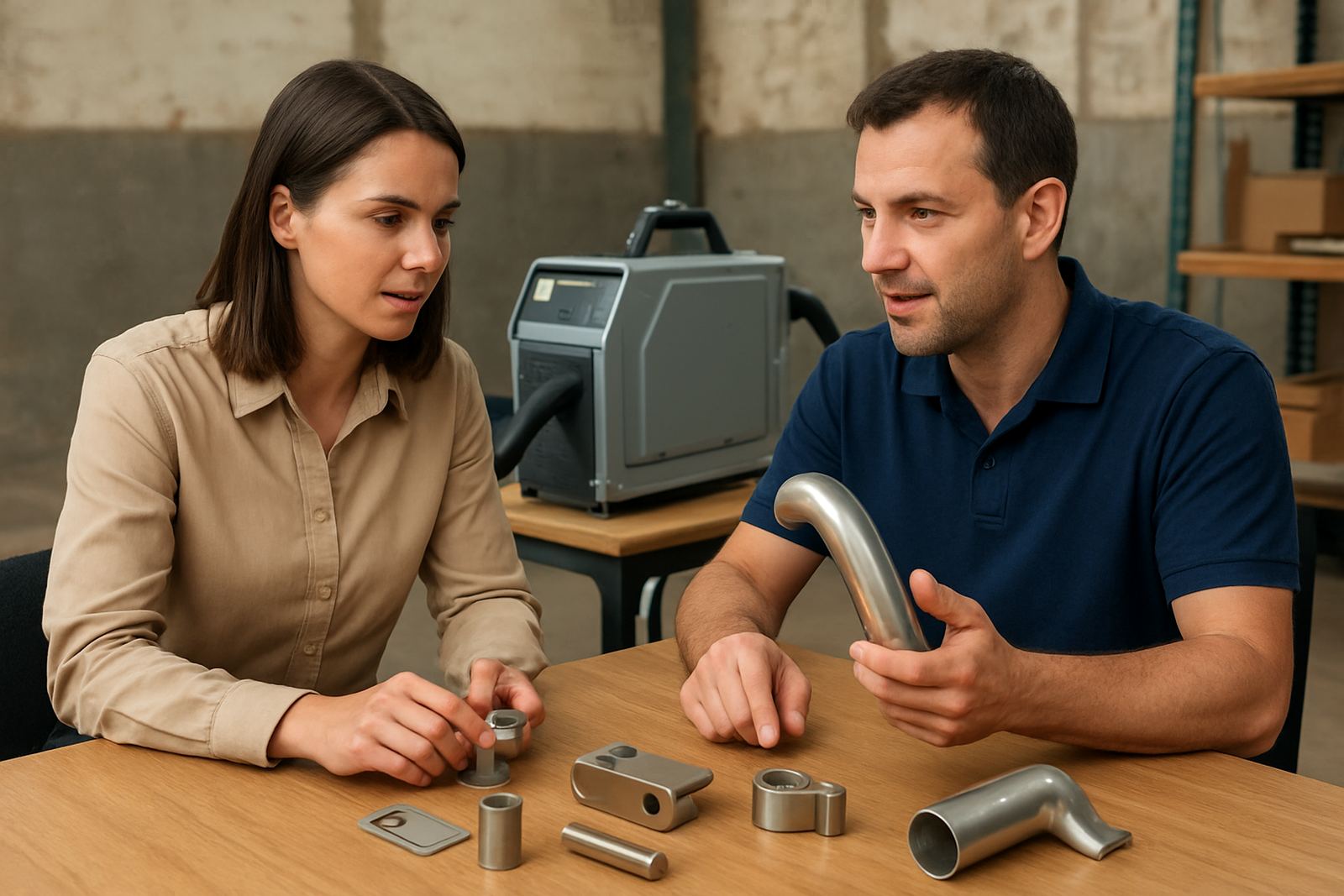
Reading is one part of the picture. Many fabricators also want to see a machine in use, discuss joint types, or ask about training for their own team. That is why the journal sits alongside practical services such as shop demonstrations, weld testing, operator training, process optimisation and preventive maintenance.
Demos and welder training are available at fabrication shops nationwide, so teams can move from theory to hands-on understanding when needed. If a topic raises questions about setup, consumables or production use, send a message to the team in Spartan, Kempton Park.