Start with the part flow, not the machine
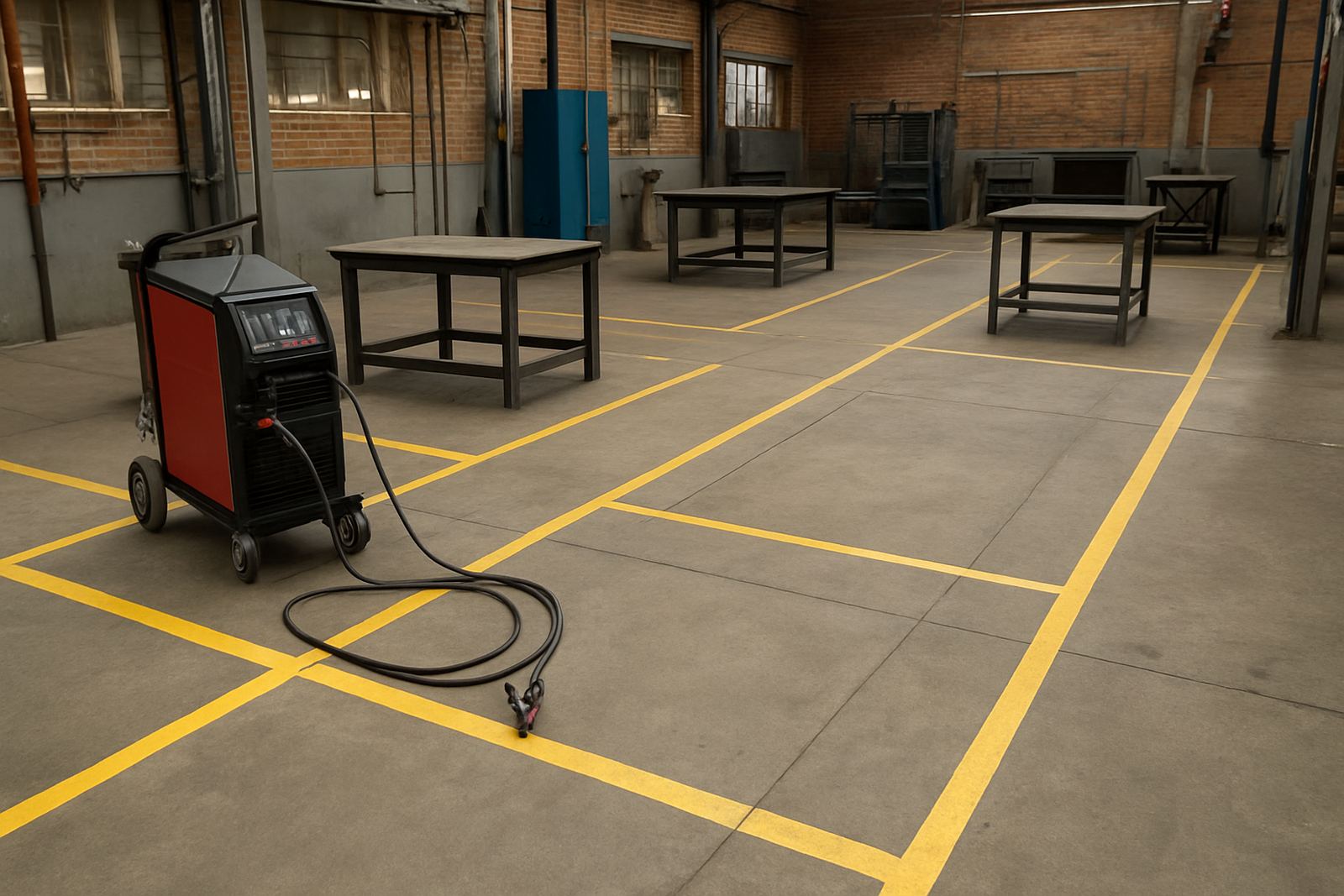
When a workshop buys a handheld fibre laser welder, the first question should not be where to bolt it down. It should be where the parts come from, where they go next, and which jobs keep bottlenecking the floor. A welding station near cutting, bending, cleaning and final inspection saves steps every day, and those steps add up fast.
For stainless steel work, part flow matters because finished components are often handled more than once before dispatch. If the welding point sits far from the prep area, offcuts and half-assembled frames get moved around the shop, sometimes by more than one person. That creates delays, scratches and the odd mixed-up job card. Planning the flow before installation keeps the team moving in one direction instead of criss-crossing the floor.
- Place the station close to the most frequent part source, not the least noisy corner.
- Allow space for trolleys, clamps and cleaned parts to enter and leave without blocking walkways.
- Keep the route to finishing, polishing or packing short and straight where possible.
Build around material handling, not just floor space
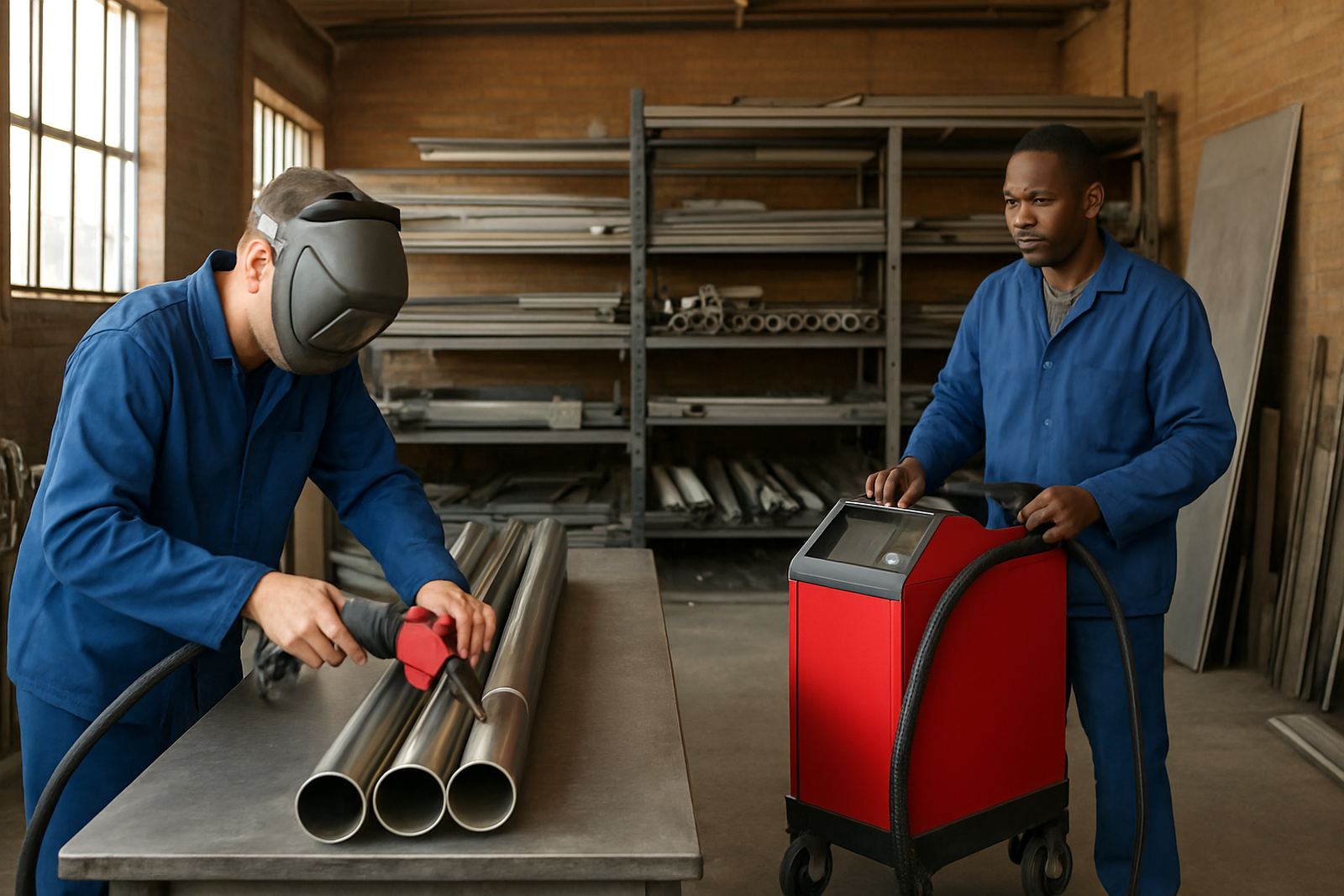
Floor space in a factory is never empty for long. There is always a rack, a trolley, a gas bottle, a pallet or a finished batch waiting for room. That is why production line planning must include how material moves, not only the footprint of the laser welder itself. A compact station can still waste time if operators need to dodge around stock or stop for lifts and hand-offs.
In many Ekurhuleni workshops, especially around Spartan and Kempton Park, space is tight and the work is mixed. One day it is stainless guardrails, the next it is brackets, tanks or small frames. In that setting, the best layout has a clear loading point, a clear welding point and a clear exit point. If possible, keep the operator facing the incoming parts and the finished side separate so parts dont build up in the wrong place.
- Leave enough turning room for trolleys and small lifts between stations.
- Keep consumables, nozzles and spares close but not inside the main traffic path.
- Mark a clean staging area for prepared parts so they do not mix with scrap or returns.
Plan for power, ventilation and daily uptime
Handheld laser welding is efficient, but the station still needs proper support. In South Africa, power interruptions and load-shedding mean a production line should not depend on guesswork. If the team must stop mid-job every time the supply dips, the value of the machine drops quickly. Planning should include where the machine plugs in, how the area is protected, and what backup arrangements are in place for the jobs that cannot wait.
Ventilation and housekeeping also matter. Stainless jobs can produce fumes and fine residue, so the station should sit where extraction or air movement can do its job properly. A clean floor helps the operator work faster and lowers the risk of contamination on finished welds. Near-coastal sites, including parts of KwaZulu-Natal and the Western Cape, must also think about humidity and storage. Consumables left exposed can suffer, and that creates avoidable downtime.
- Put the station where power distribution is practical and cables are not crossing walkways.
- Keep the working area dry, clean and free of oil spray or grinding dust.
- Store consumables in a controlled area, especially where humidity is high.
Choose a layout that suits the job mix
Not every fabrication shop runs the same way. Some do repeat batches, while others handle one-off jobs all week. The production line plan should match that reality. A repeat batch line can be arranged for faster part handover and tighter takt times, while a mixed-job workshop needs flexibility for quick changeovers and different part sizes. If the line is too rigid, it slows down the very people it was meant to help.
Laser welding stations work well in both cases, but the supporting layout changes. For repeat work, keep jigs, clamps and measuring tools close and standardised. For mixed work, build in enough open bench space for repositioning and test fitting. The goal is not to force every job into one pattern, but to make each handover simple and predictable.
- Use fixed locations for the tools that are used on every shift.
- Separate repeat production jobs from custom work if the floor allows it.
- Keep job cards, sample parts and quality checks within easy reach of the operator.
Use training to lock in the gains
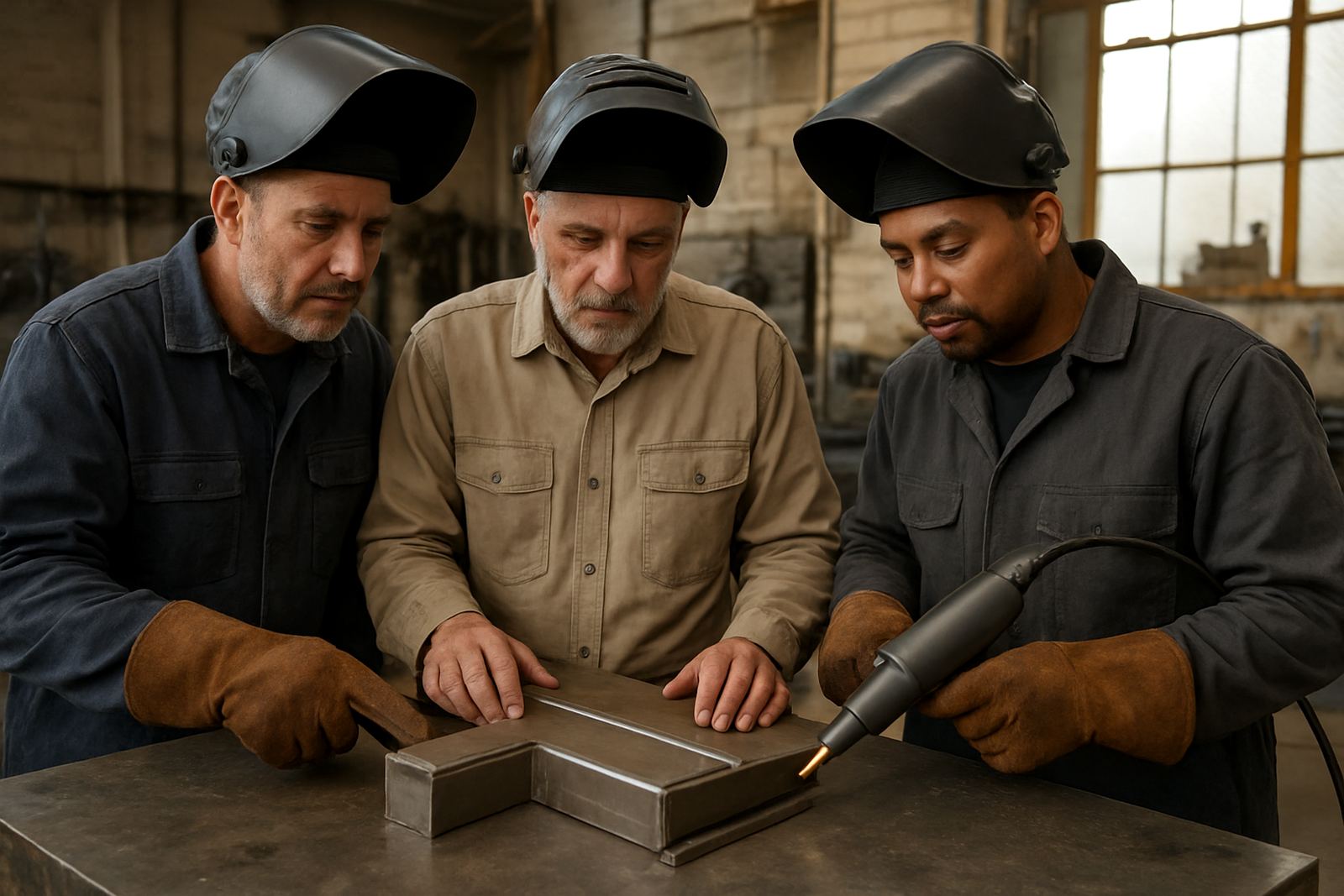
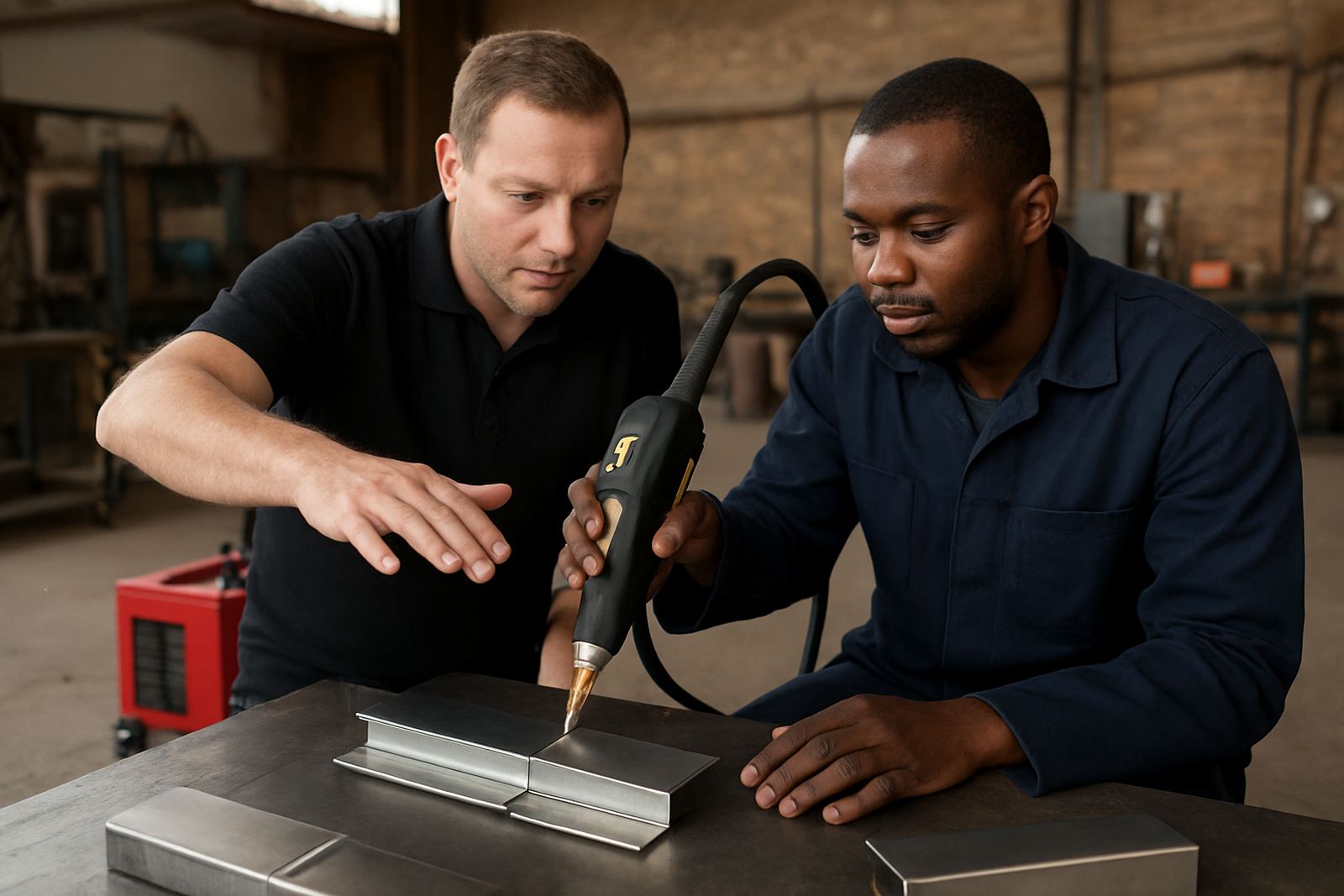
Even a well-planned station can underperform if the people using it have not been trained for the flow around it. Training should cover more than torch control. Operators need to know where parts should arrive from, how to stage them, how to reduce rework and when to call for support. That is where a supplier-led process review makes a real difference.
Laser-Welder works with fabrication shops across the country on shop demonstrations, operator training, process optimisation and production rollout. In practice, that means the team looks at the job from the first part drop-off to the final packed batch. Small changes often make the biggest difference. A better trolley height, a clearer staging line or a faster clamp change can save minutes on every cycle, and that turns into measurable output by month-end.
- Train more than one operator so output does not stop when someone is off sick or on leave.
- Include refresher training after the first production run, not only on day one.
- Review the layout after a few weeks and adjust the flow where the team is still stopping or backtracking.
A local example from Spartan to the shop floor
Take a stainless fabricator in Spartan, Kempton Park, handling handrails, small frames and enclosure parts. The workshop has limited aisle width, regular supplier deliveries and a mixed team working under tight deadlines. If the laser welding station is placed too far from the cut-and-bend area, operators spend time carrying parts by hand. If it is placed too close to incoming stock, it gets blocked by new deliveries and the job stalls.
The better plan is usually a simple one. Set the machine near the prep zone, keep a clear lane for trolleys, and create a defined finished parts area beside the welding point. Add a routine for preventive maintenance, spare consumable checks and breakdown response so the station stays productive through busy weeks. In a shop like that, the difference between a good layout and a poor one can be seen in the daily output, not just the final invoice.
That is why production line planning is not an admin exercise. It is a floor-level decision that shapes labour, quality and delivery. When placement, movement and part flow are lined up properly, the welding station earns its keep from the first batch.