Why first-week habits matter on stainless steel work
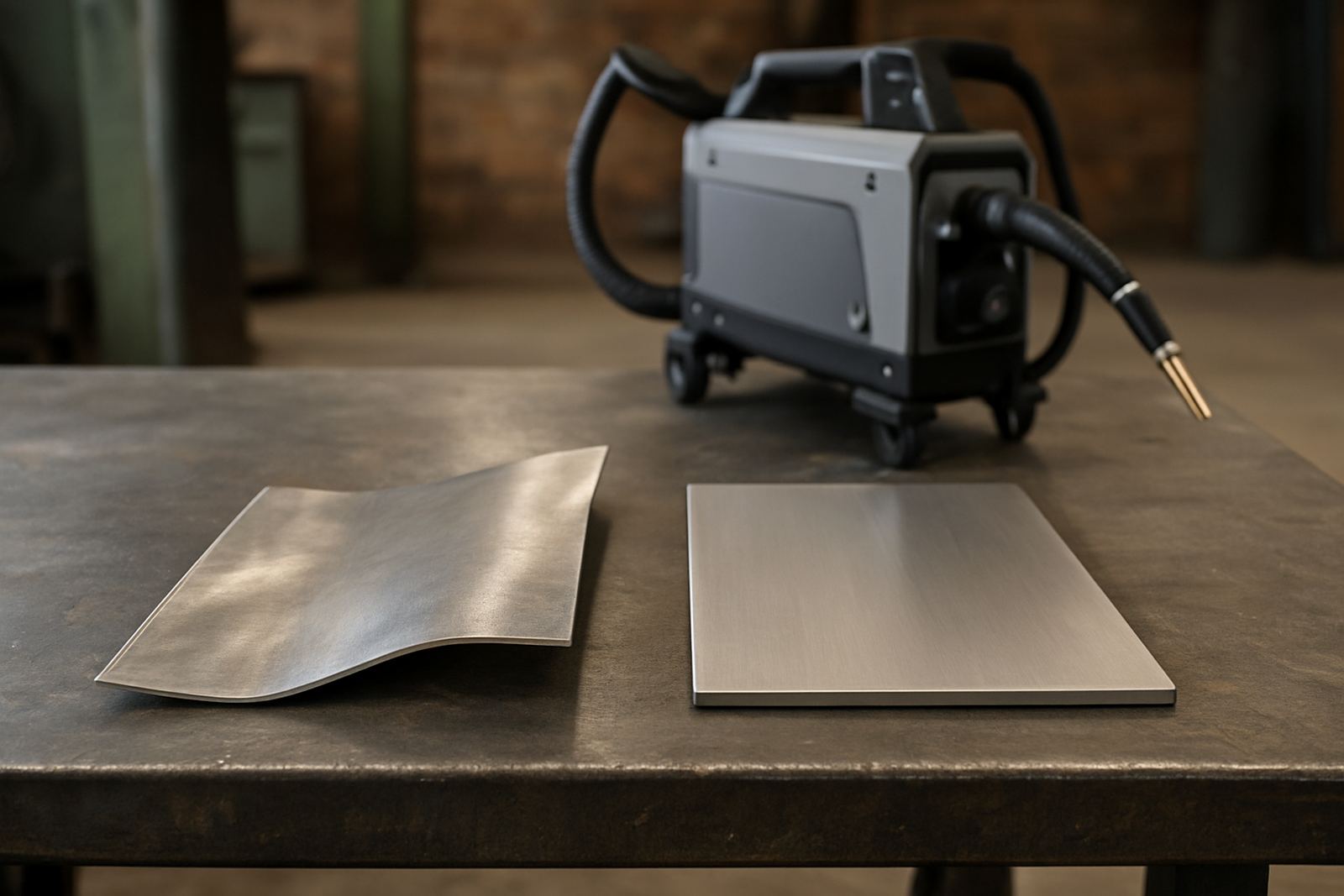
New operators often learn fastest by copying the person standing nearest to them. That can be helpful, but it can also lock in bad habits very quickly, especially on stainless steel where surface finish, heat control, and joint prep all affect the end result. A proper training plan gives the operator a clear method, not just a machine and a task list.
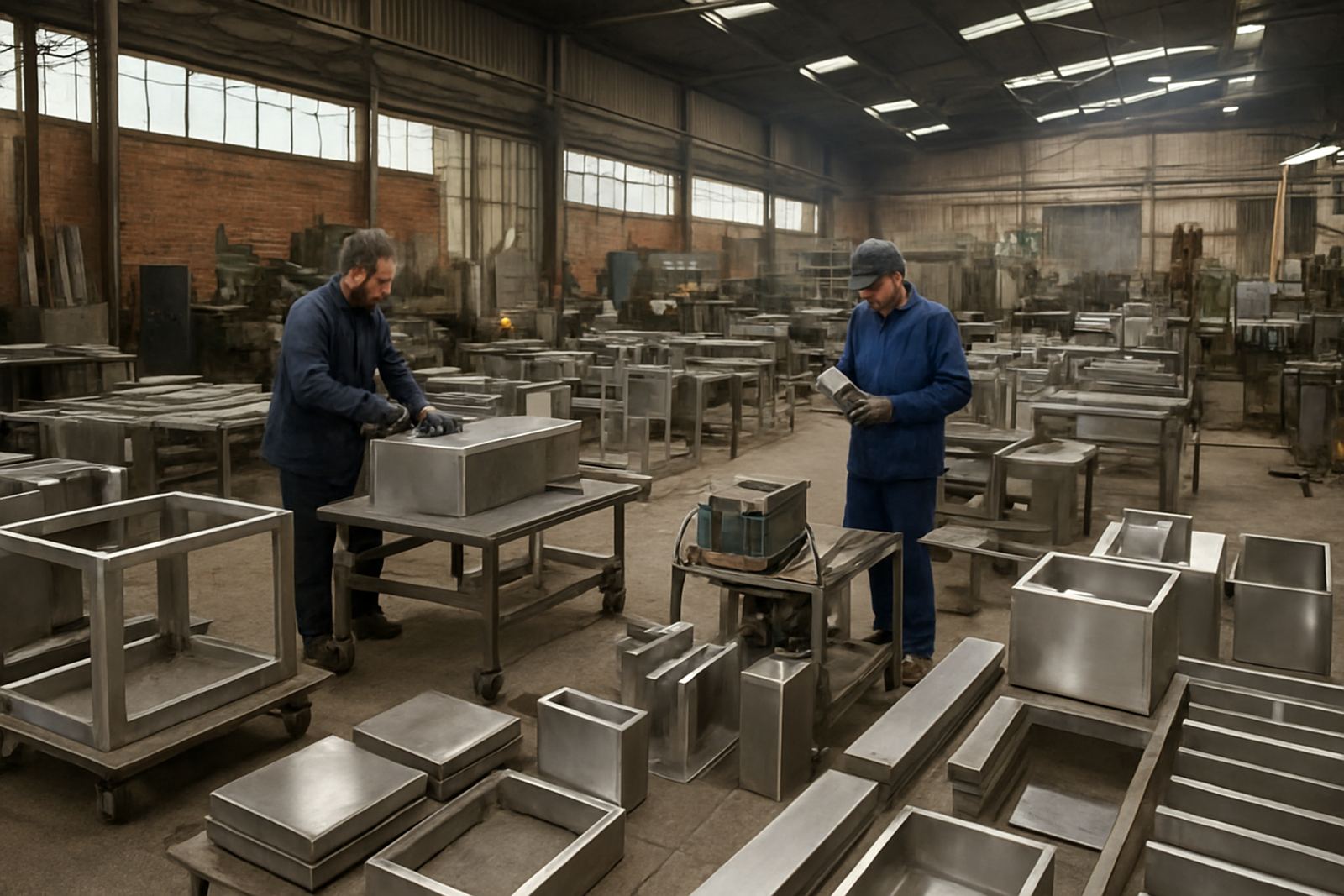
In a busy workshop in Spartan or Isando, the pressure is usually on output. There is cutting, folding, fitting, and dispatch all happening at once. If the operator is not shown the right sequence for cleaning, clamping, setting parameters and checking the weld, the job can still get done but the finish may need more grinding or even a rework. That costs time and material, and it puts strain on the whole line.
Good training is not about memorising buttons. It is about building confidence, consistency, and safe working habits from day one.
Build the training around the job, not just the machine
Operators do better when training is tied to the actual jobs they will run every day. A person welding 1.2 mm stainless kitchen parts needs a different focus from someone doing heavier fabrication or site-ready assemblies. The training should match the workshop flow, the joint types and the finish standard expected by the client.
A practical plan usually starts with the basics, then moves into live production work. Keep the first sessions short and specific. It helps to repeat the same steps until the operator can do them without rushing. One clear method is better than three half-explained methods.
- Show the material prep standard for stainless steel, including cleaning and fit-up.
- Explain how to check the weld path, angle and hand speed before striking an arc.
- Set one or two common parameter ranges for the most used material thicknesses.
- Teach what a good weld looks like, and what signs mean the settings need adjusting.
- Finish with a short supervised run on actual production parts.
What new operators must know before production starts
Before anyone starts full production, they need to understand the basics of safe handling, housekeeping, and machine care. Fibre laser equipment is designed for efficient welding, but that does not remove the need for clear rules. In a workshop, a simple routine prevents avoidable stoppages.
Operators should know how to inspect the torch, check consumables, confirm shielding gas supply if used, and recognise when the machine needs attention. They should also know how to handle power interruptions. Load-shedding can interrupt a shift in Ekurhuleni and the restart process should be calm and correct, not rushed. If a machine is switched back on too quickly after a drop in power, it can affect consistency and delay the next job.
- Start each shift with a visual inspection of cables, torch condition and work area.
- Check that extraction and ventilation are working properly in the welding bay.
- Confirm the correct job settings before the first test weld.
- Keep stainless steel surfaces clean and dry to reduce contamination.
- Record any faults or unusual results straight away, rather than waiting until the end of the day.
Supervised practice saves time later
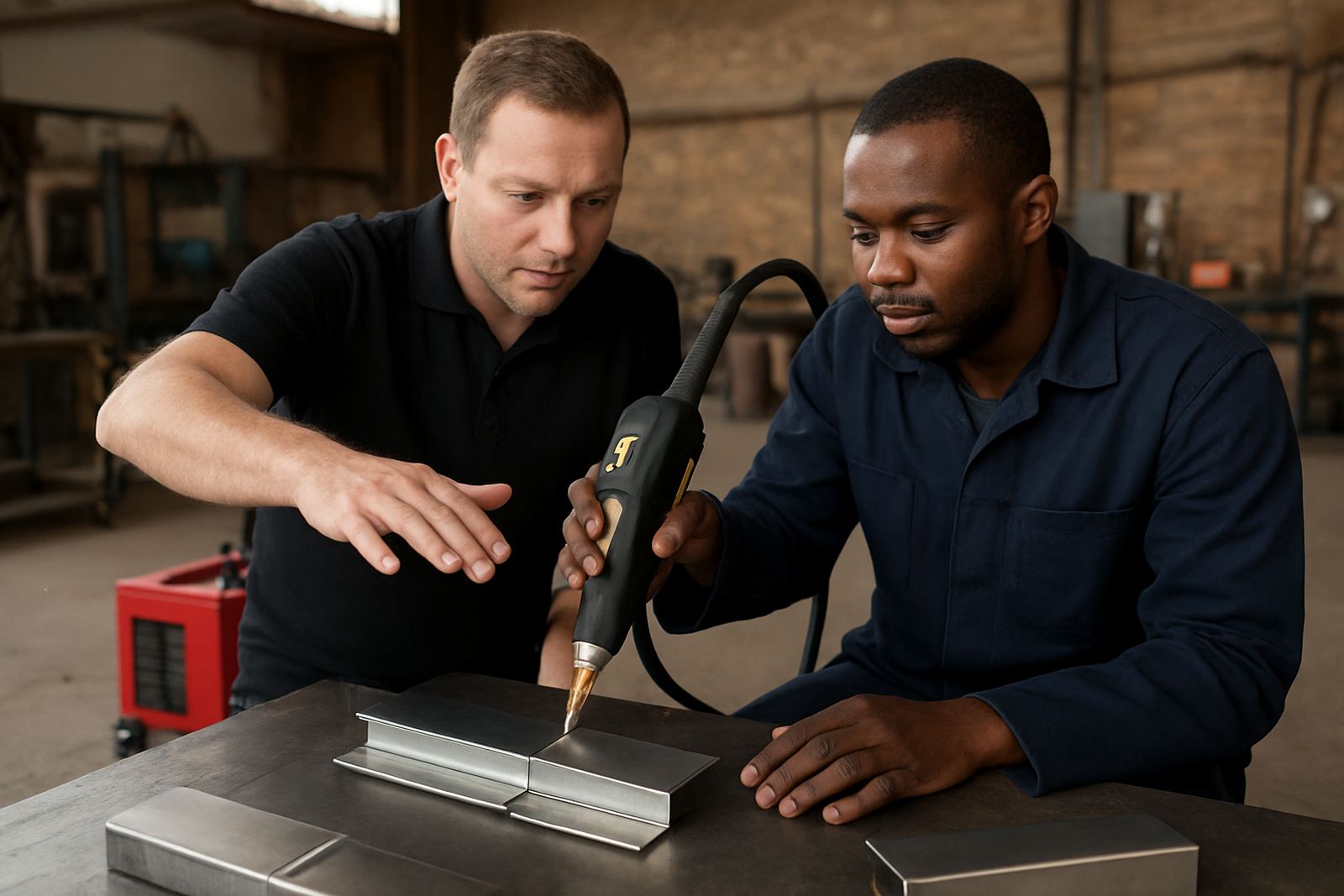
It is tempting to move a new operator onto live work as soon as the first weld looks acceptable. That can work on a quiet day, but consistency usually only comes after repeated practice under supervision. The first few shifts should include short check-ins, sample welds and feedback on each pass.
This is where a trainer or experienced lead adds real value. They can spot small issues like poor torch angle, overtravel, or uneven travel speed before those habits become normal. A minor typo in the setup sheet or a missing setting can create a lot of scrap, so the supervisor should also verify the paperwork and the job card, not just the weld itself.
At our Spartan base, we often see better results when the operator is trained on the same part family they will run in production. That keeps the learning relevant and helps the workshop measure progress properly.
Use simple checks to measure progress
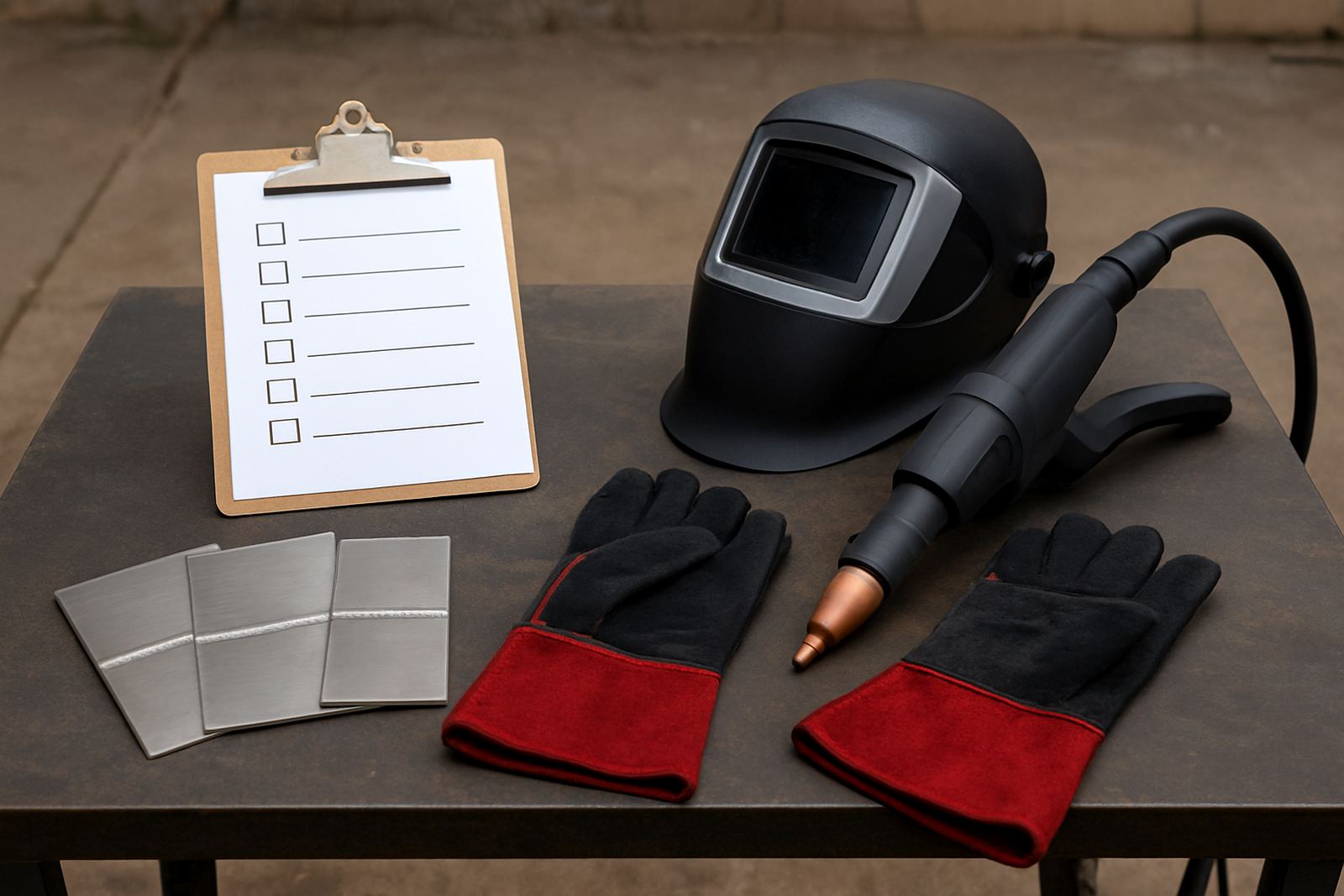
Training should not end when the operator can make a weld that looks neat. The real test is whether they can repeat it across a full shift, under normal workshop pressure. A simple checklist helps the team measure progress without turning the process into paperwork for its own sake.
For example, a supervisor can track start-up time, first-pass success, number of adjustments needed, and any rework required on the day. If the operator improves on those points week by week, the training is working. If not, the team can see exactly where support is needed.
Good records also help when you are training across multiple sites. A shop in Kempton Park may need the same standard as a fabrication team in Germiston, but the pace, floor layout, and product mix can differ. Keeping the assessment simple makes it easier to compare results and keep standards consistent.
A local example from Ekurhuleni
A stainless steel fabricator in the Ekurhuleni area may bring in two new operators at the same time. One is strong on fitting and measuring, while the other learns faster by doing hands-on work. If both are trained through the same short, structured plan, they can still reach the same output standard without guessing their way through the job.
That might mean a morning of machine familiarisation, an afternoon of supervised practice, then a second session focused on production welds and final inspection. A refresher two weeks later helps lock in the method. With the right support, the workshop gets less waste, fewer call-backs and a cleaner finish on stainless work that has to look good as well as hold up in service.
For many shops, that is the real gain: not just learning how to weld, but learning how to produce consistent results when orders are tight and the power is not always steady.
When outside training support helps most
Some workshops can train operators internally and do well. Others need extra support when a new machine arrives, when production shifts to a different product range, or when a team is expanding after a big contract. Outside training can help shorten the learning curve and reduce the pressure on the most experienced staff.
It is especially useful when the shop wants a standard process across more than one branch or job type. Support can include machine commissioning, operator training, process optimisation, weld testing, and refresher sessions once the first production run is underway. That way the workshop does not rely on guesswork when a new person comes on board.
For fabricators working across Spartan, Kempton Park, Jet Park, Boksburg, Alberton or further afield, a clear training structure gives the whole team a common method. That keeps the weld quality steady, even when the workload shifts from week to week.