

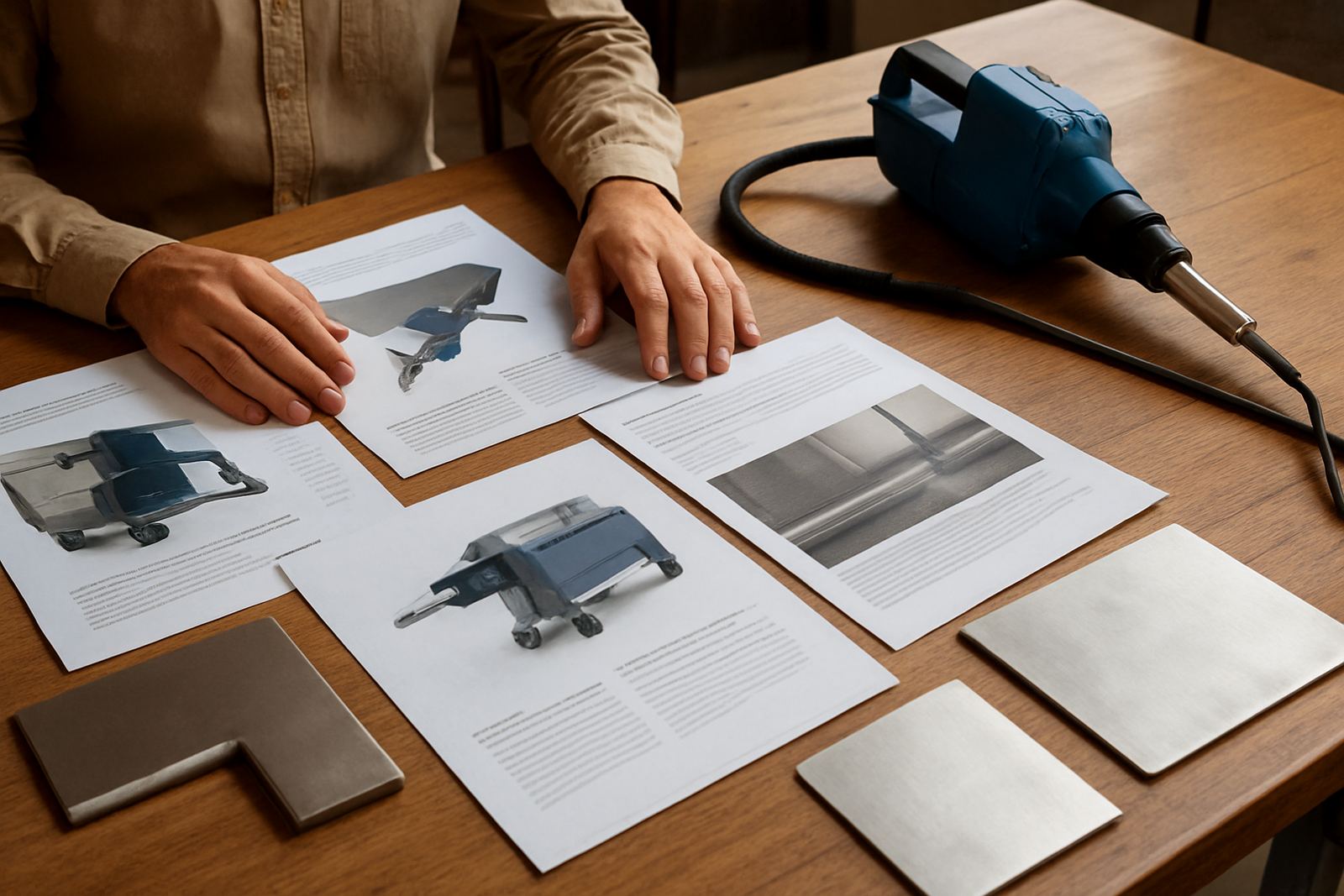

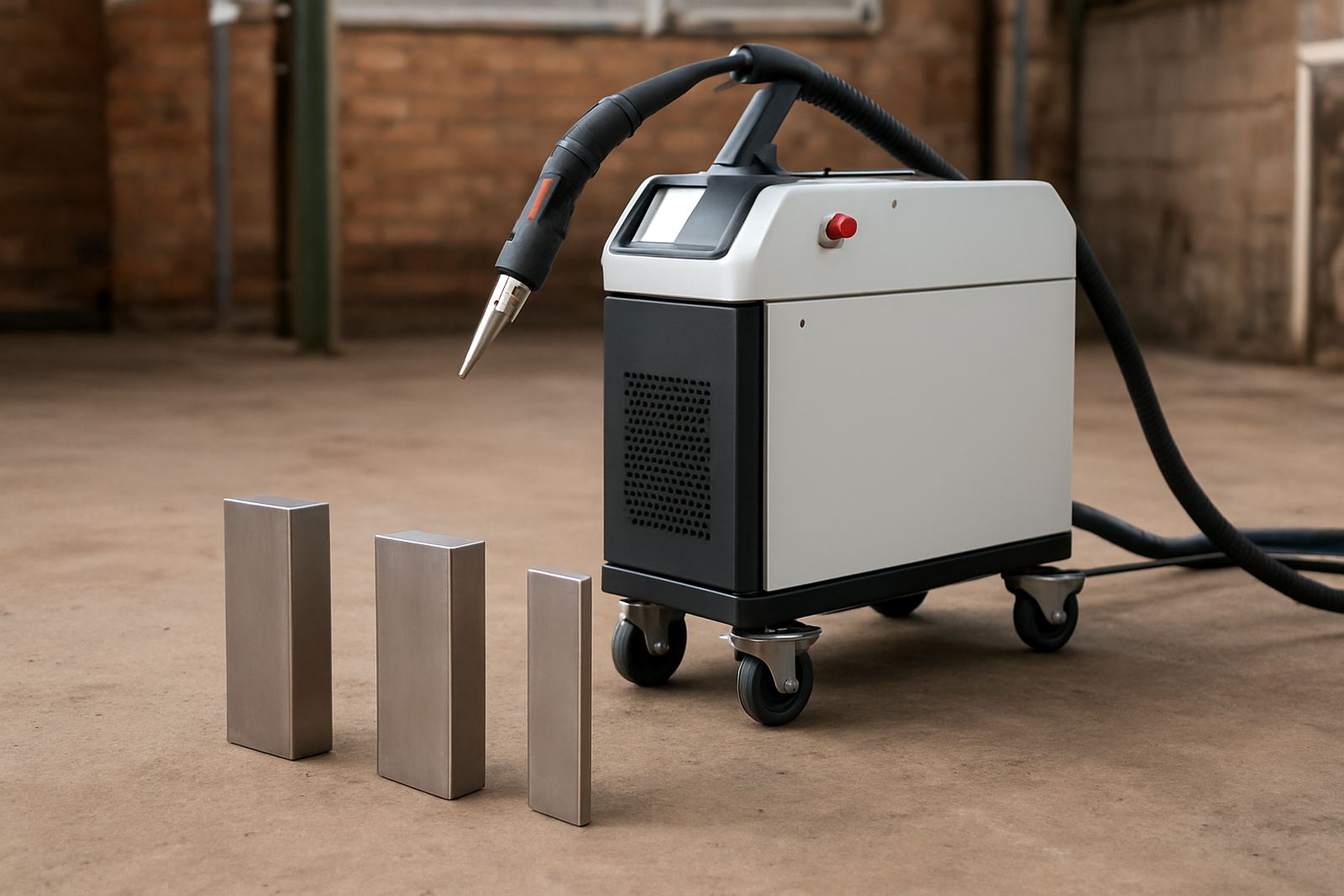
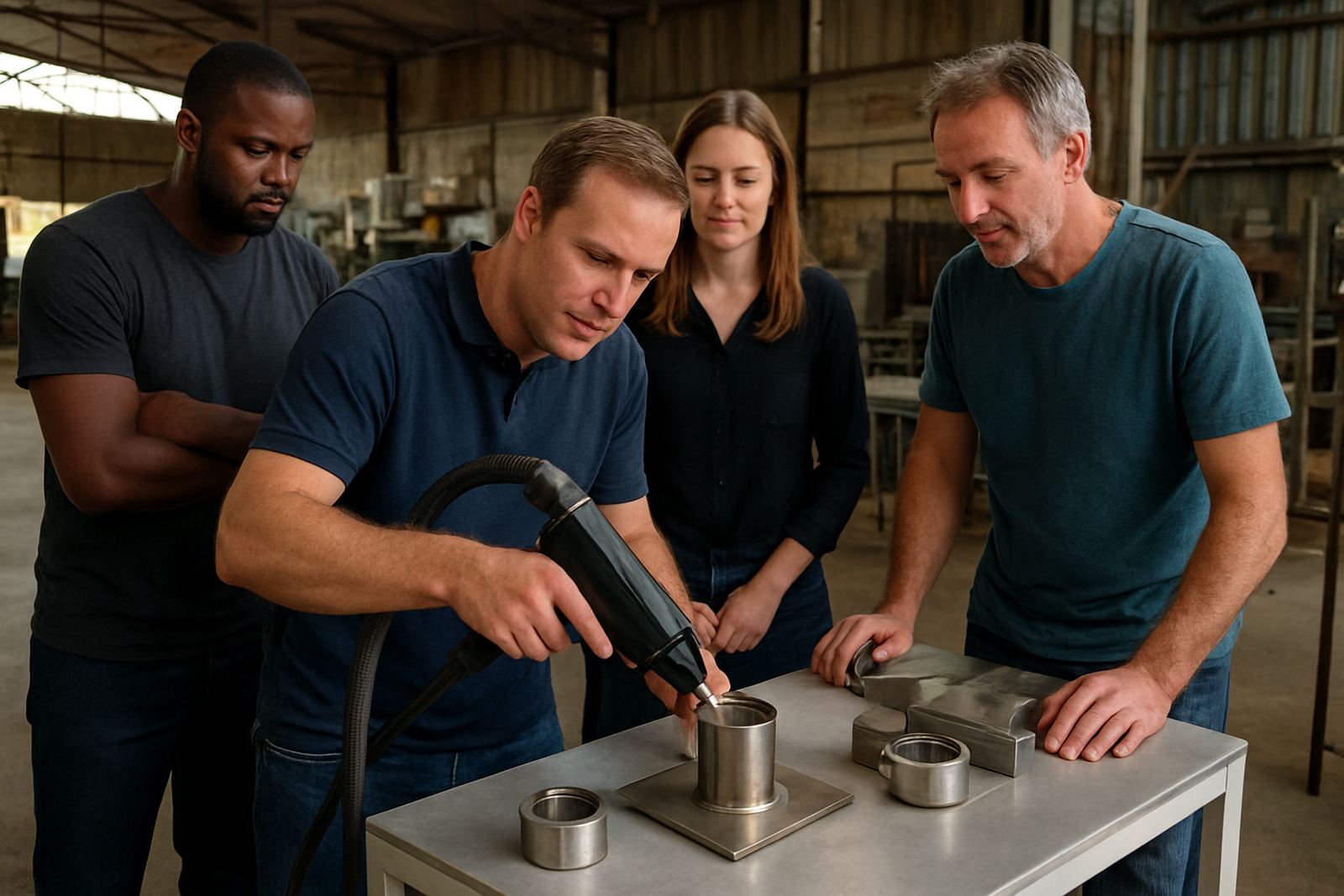
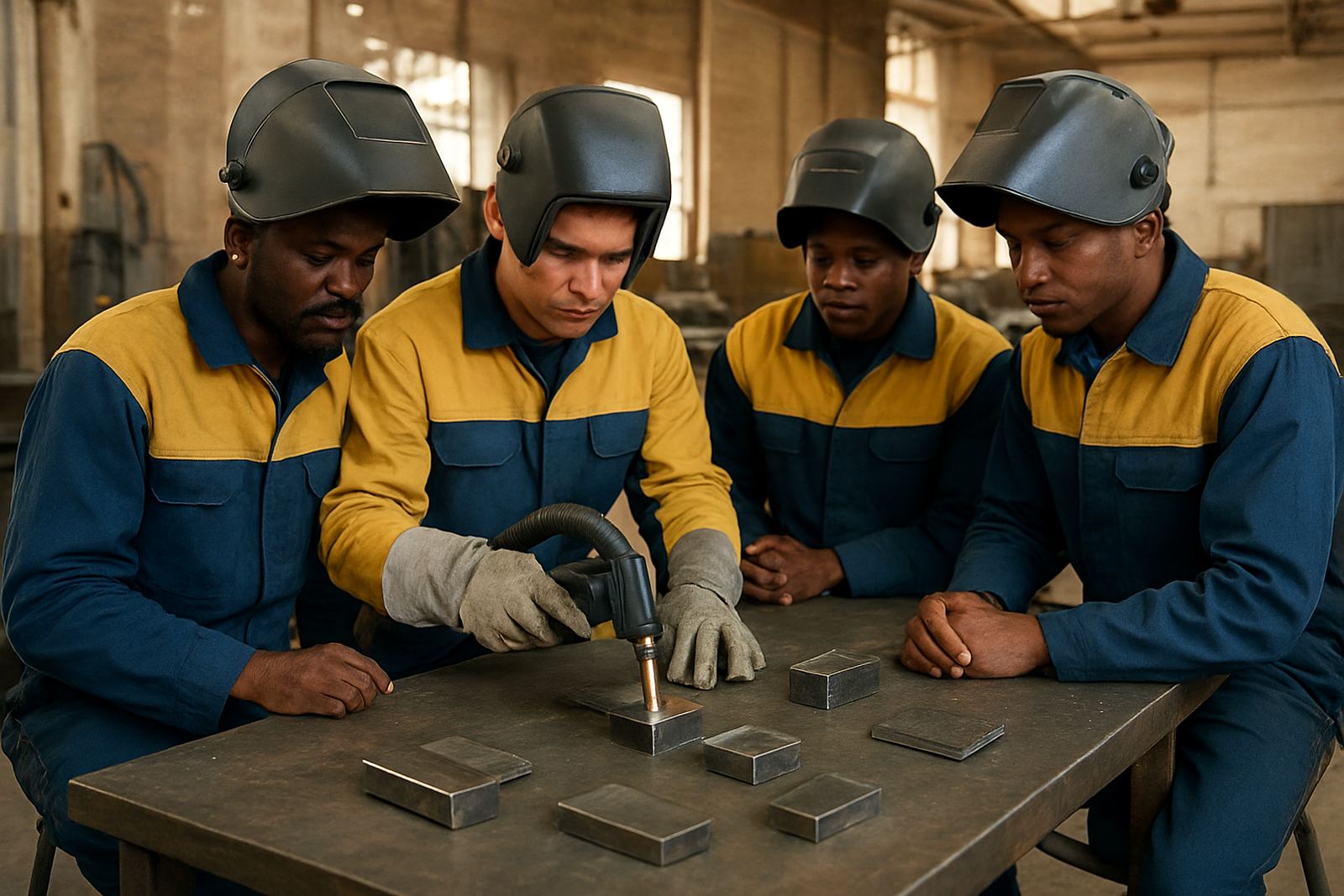


How to choose the right handheld fibre laser welder
Choosing a handheld fibre laser welder starts with the type of stainless work you do every day. Thin kitchen fabrications, tanks, guards, frames and sanitary items all ask for different power settings, torch handling and joint preparation. A small job shop in Kempton Park will not always need the same package as a plant doing repeat production in Germiston or Boksburg.
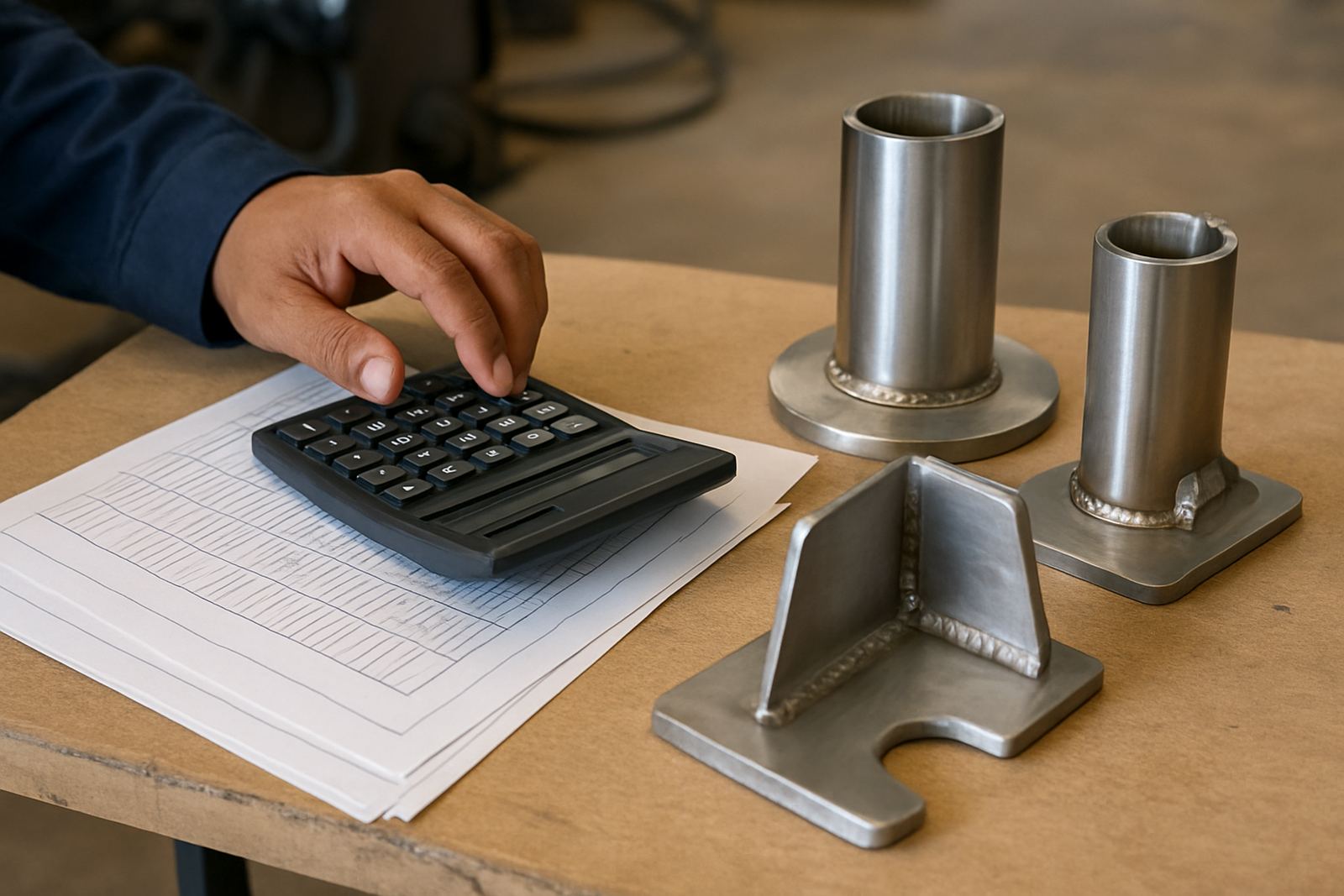
Look at the material thickness, the weld finish you need, and how often the machine will run in a shift. If the work changes from 0.8 mm sheet to heavier sections, the guide should help you think through heat control, bead appearance, and whether your team needs simple operation or more process control. We also help shops compare setup time, gas use and the amount of post weld cleaning needed after each job.
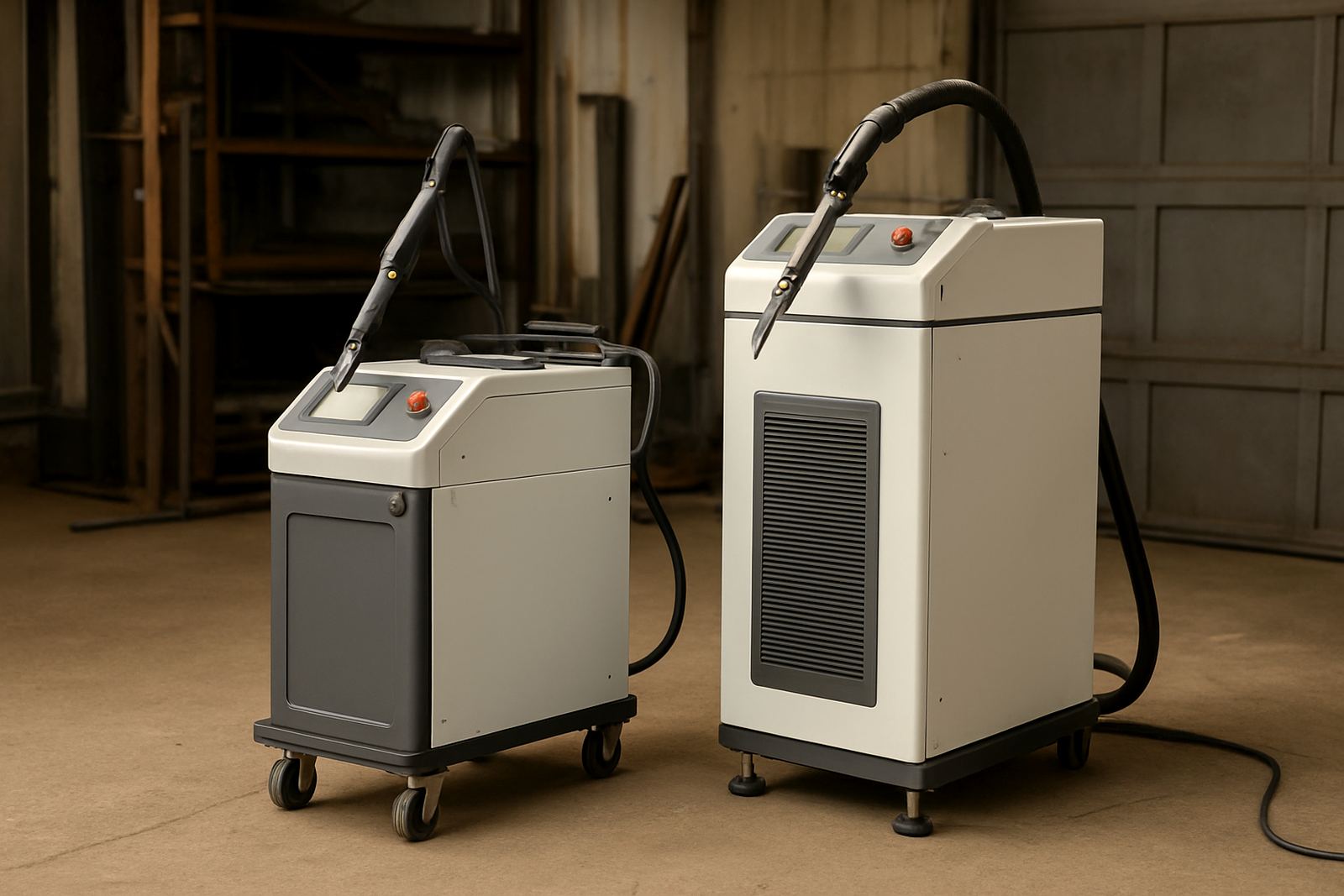
- Match output power to the steel thickness you weld most often
- Check whether your team needs simple controls or more process adjustment
- Allow for local power supply conditions, including load-shedding planning
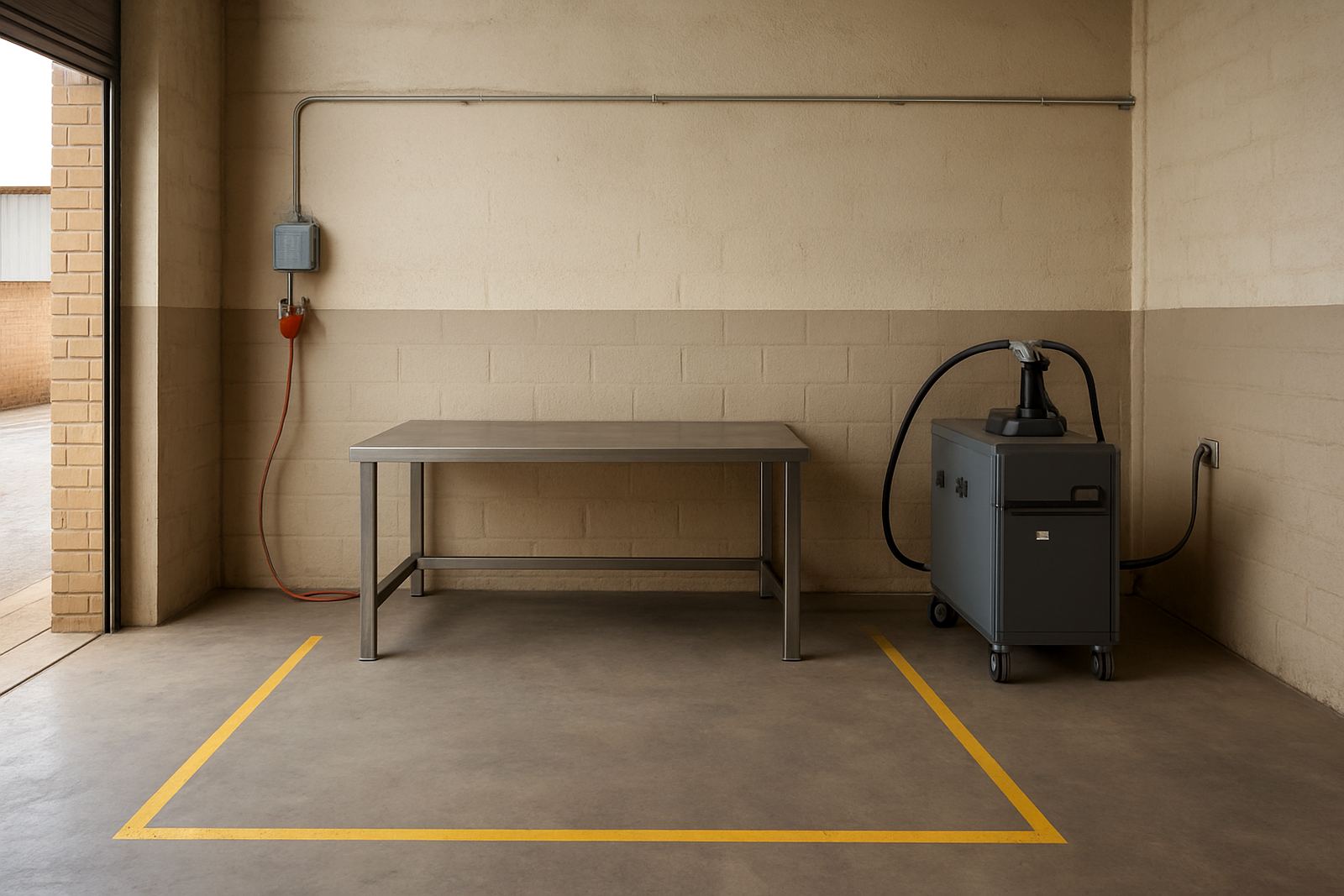
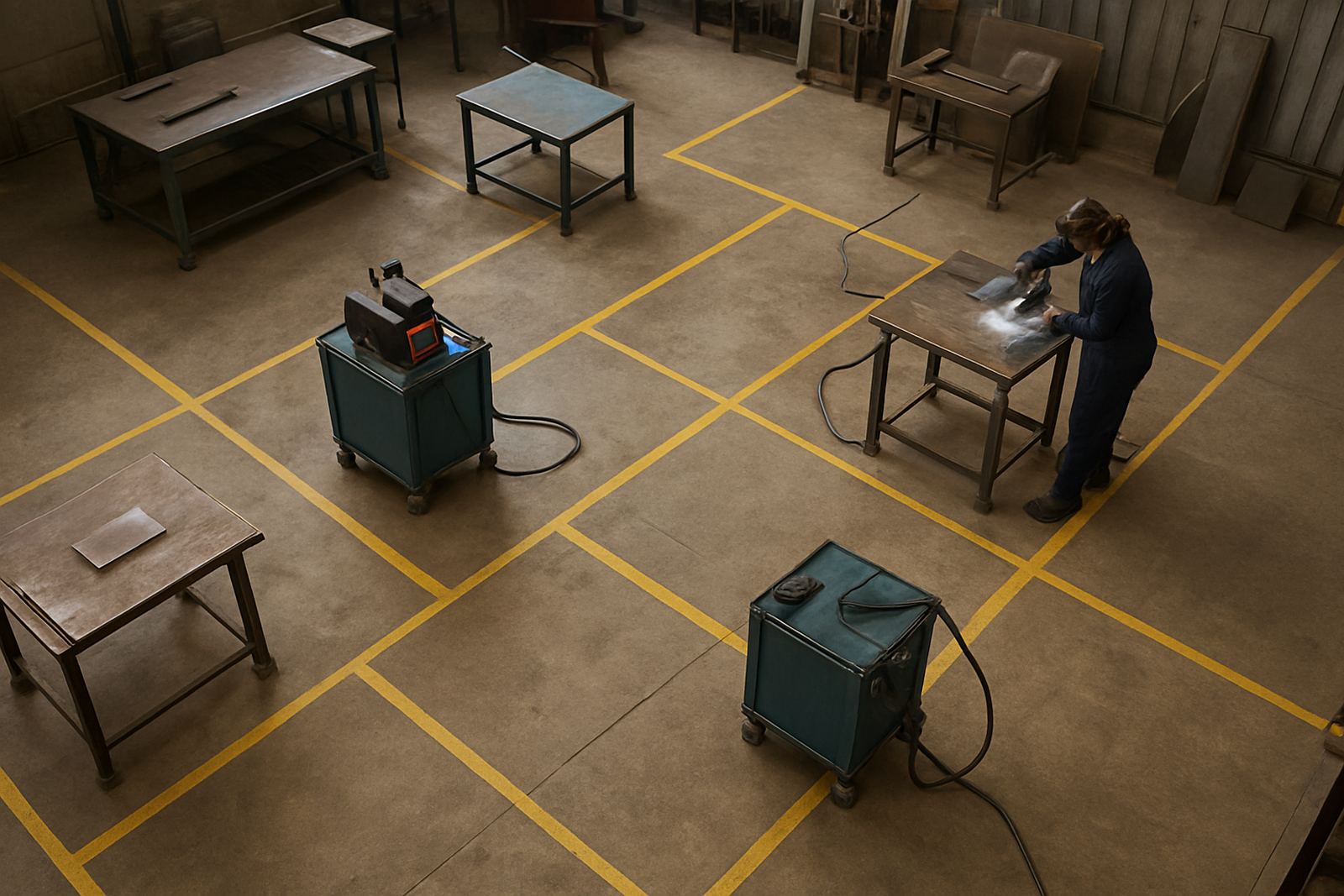
- Think about workshop space, fume extraction and safe cable routing
Setup details that affect weld quality
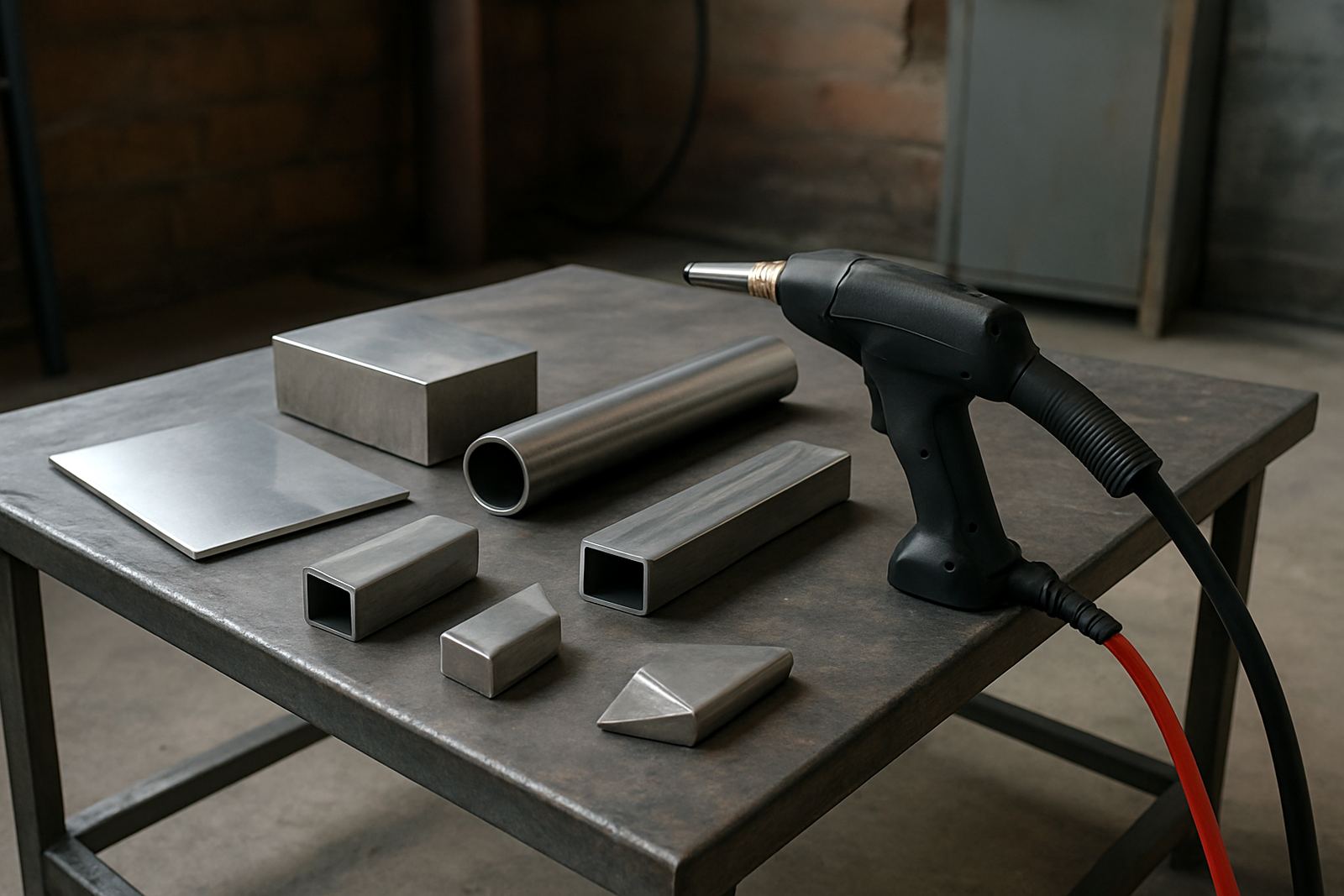
Good setup matters just as much as the machine itself. Stainless steel welding is sensitive to surface condition, joint fit-up and shielding gas flow. If the material is dirty or the gap is too wide, you will fight spatter, colour change and inconsistent penetration. In coastal areas with higher humidity, storage and handling become even more important because condensation can affect edges and consumables if parts are left out overnight.
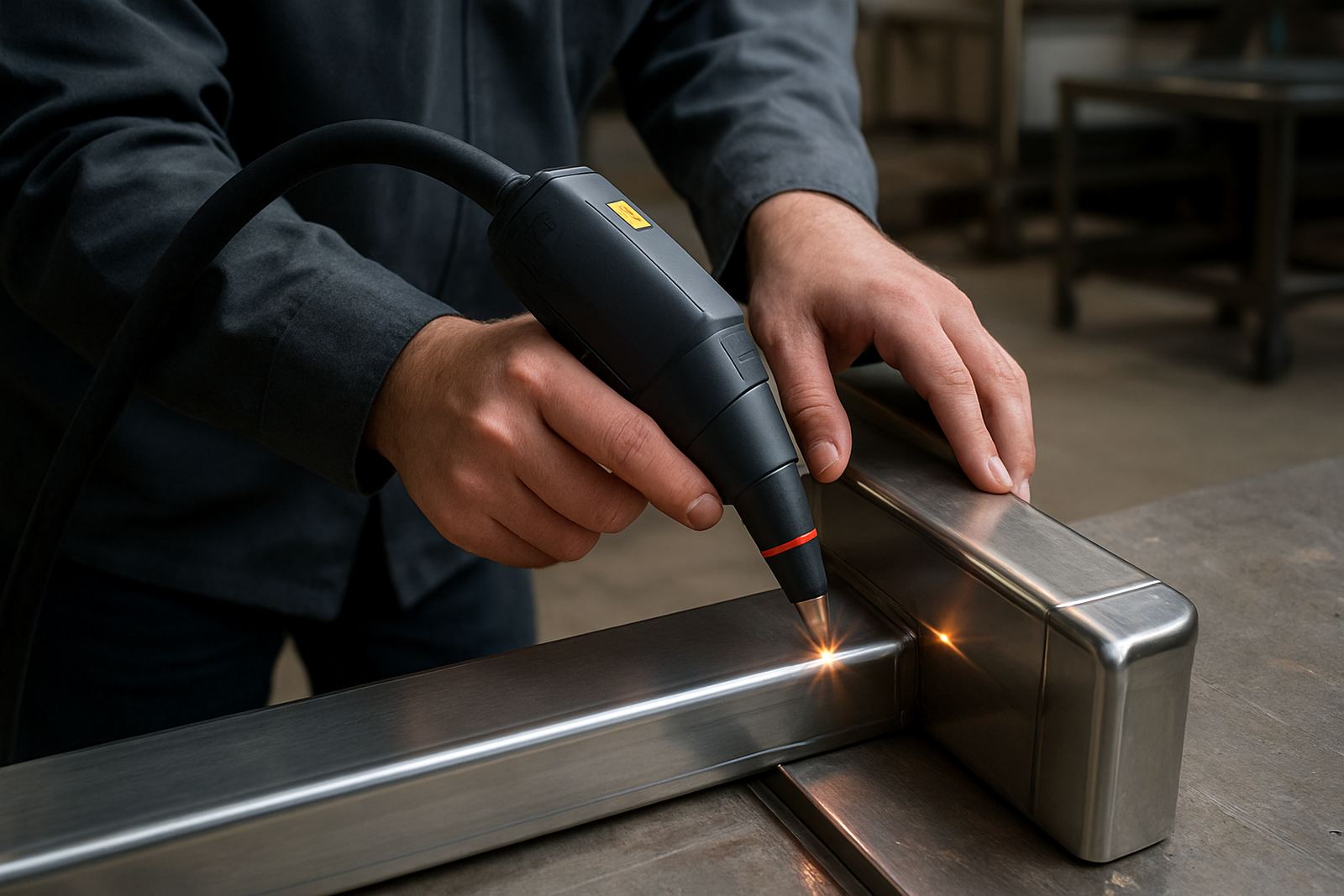
These guides explain the practical basics that help operators get to first good welds faster. That includes nozzle position, travel speed, workpiece clamping, lens protection and how to set up the bay so the welder can move safely around the job. For many shops the biggest gain is not speed alone, but less grinding after the weld is done.
- Keep stainless parts clean and dry before welding
- Use proper clamping so joints stay consistent
- Check shielding gas flow before every production run
- Protect optics and consumables from dust, oil and moisture
Training for operators, supervisors and workshop owners
A handheld fibre laser welder is easier to learn than many fabricators expect, but good training still makes a clear difference. The operator needs to understand set-up, movement, joint prep and the limits of the process. Supervisors need to know what a good weld should look like, when to stop a job, and how to manage repeatability across shifts. Workshop owners often want the fastest route to better output without losing control of quality.
Our guides cover the kind of training that suits real production floors, from first introduction to refresher sessions after a machine has been in service for a few months. We also cover common mistakes like poor torch angle, rushing the seam and changing settings mid-job without testing first. That sort of thing costs time, and sometimes material too.
- Use a structured learning path for new operators
- Build supervisor checks into daily production routines
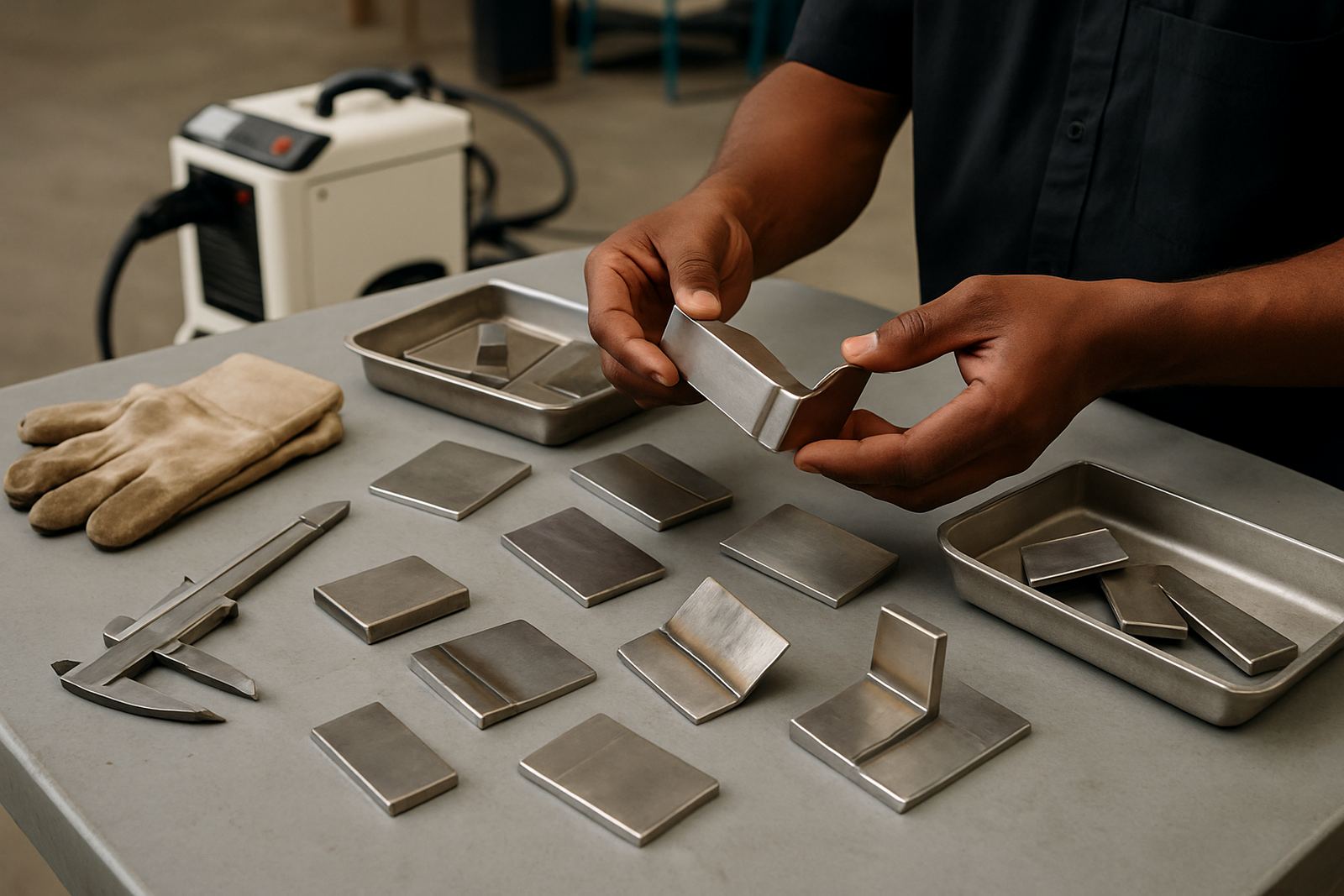
- Include weld testing on real production samples
- Schedule refresher training after process changes or staff turnover
Maintenance, spares and uptime in South African workshops
In South African fabrication shops, uptime matters. Power cuts, dusty floors and long production days all place pressure on equipment, so maintenance has to be practical. The guides explain what to inspect regularly, which parts wear first, and how to spot early signs of trouble before the machine goes down. That is useful for both small workshops and busy manufacturing lines with tight deadlines.
We also explain the value of preventive maintenance, because waiting for a breakdown usually means lost production and rushed work. A steady maintenance routine helps keep weld quality consistent and reduces avoidable delays. If your team is spread across sites in Ekurhuleni or you run projects nationwide, having clear service steps saves time and keeps everyone on the same page.
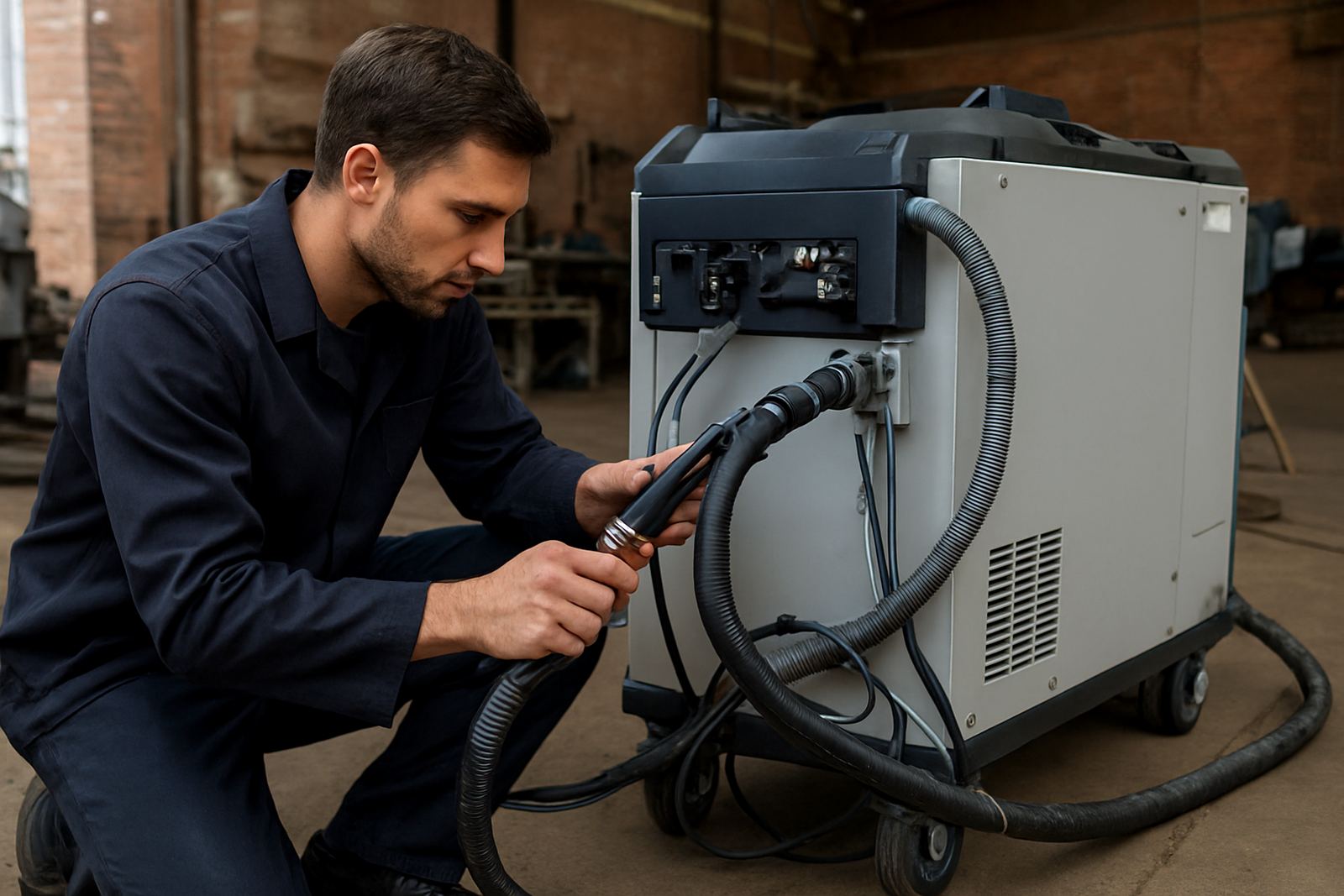
- Inspect cables, torch parts and protection components regularly
- Keep spare wear parts on hand for high-use machines
- Plan for downtime during load-shedding and recovery periods
- Record service checks so faults are easier to trace
Using laser welding in stainless fabrication production
Once a shop is set up properly, the next question is how to use the process in production without slowing other jobs down. These guides look at production rollout, job planning, weld sequence and how to introduce handheld fibre laser welding beside your existing fabrication methods. For many teams the best results come from starting with repeatable work pieces, then expanding to more complex assemblies once the crew is comfortable.
If you are making products for food, architectural, medical or general stainless work, the process can improve consistency and reduce finishing time. It can also help when you need a cleaner appearance for visible welds. Still, the process has limits and it is worth choosing the right application rather than forcing it onto every joint.
- Start with repeatable jobs before moving to mixed production
- Use weld testing to confirm appearance and strength
- Track cycle time before and after rollout
- Keep a clear list of suitable and unsuitable applications
Where these guides fit into your buying decision
The goal is not just to buy equipment, but to make sure it works for the way your shop actually runs. Simple questions up front can prevent expensive changes later.
Our team in Spartan, Kempton Park supports demos, training and service work at fabrication shops nationwide, so the guidance here is practical, not theoretical. If you are planning a first purchase or looking to improve an existing line, use these articles to narrow the choices and understand what matters most for stainless steel work.
From first enquiry to commissioning, the right information makes the whole job easier, and sometimes a lot less stressful too.