
Start With Proper Commissioning, Not Just Delivery
Aftersales support should begin on day one, with proper machine commissioning at your workshop in Spartan, Kempton Park or at your production site anywhere in South Africa. That means checking power supply, safety settings, shielding gas routing, cooling, fibre connections and the first weld parameters before the unit goes into daily use. If a machine is rushed into service without setup checks, the team will spend weeks fighting spatter, poor penetration, uneven bead shape or unnecessary rework.
A good commissioning visit should also match the machine to the actual job mix. Stainless steel sheet, tube, brackets and thin fabrication all need different settings. The support team should confirm what thicknesses you run, what finish is required, and how often the machine will be moved between bays. In some plants the issue is not the welder itself but the site conditions, especially dust, heat and load-shedding recovery.
- Power supply checked under real workshop conditions
- Cooling and gas flow verified before production starts
- Parameter guidance matched to your common jobs
- Operator handover completed on the actual workpieces
Training That Builds Confidence on the Shop Floor
Training should be practical and repeated, not a once-off talk that nobody remembers after lunch. Operators need to know how to prepare joints, clean stainless properly, set the torch correctly, read weld results and recognise when a setting is drifting. In a busy fabrication shop, a confident operator saves time on every shift and reduces scrap from the first week onwards.
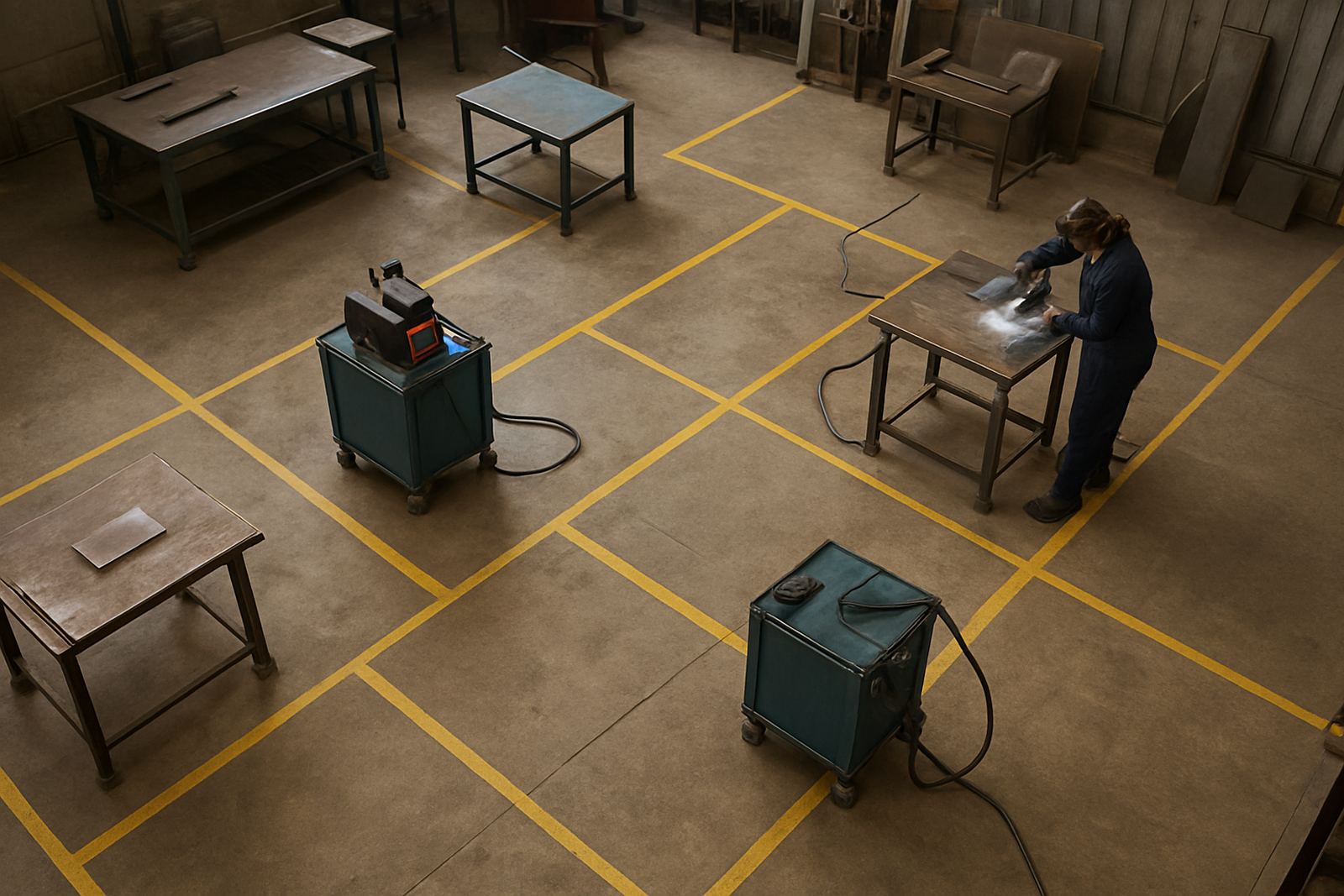
Good aftersales support includes both initial training and refresher sessions. This is useful when staff rotate between jobs, a new supervisor takes over, or your team adds a second shift. Training at fabrication shops nationwide is especially valuable because it happens in the same conditions where the machine will actually be used. A clean demo bay is useful, but it is not the same as a real production floor with noise, deadlines and mixed material batches.
- Basic machine operation and start-up routine
- Joint prep for stainless steel parts and assemblies
- Safe handling, PPE and work area discipline
- Troubleshooting common weld faults before calling for help
- Refresher sessions for new staff or changing production runs
Support When Production Is Waiting
When a laser welder is part of daily output, support speed matters. A breakdown that sits for two days can back up a whole week of work, especially if you are supplying commercial kitchens, process equipment, architectural fabrications or hygienic stainless assemblies. Good support should include clear fault diagnosis, practical remote help where possible, and on-site response when the issue cannot be solved by phone or message.
Breakdown response should not stop at the machine itself. The support team should look at the power source, fibre delivery, cooling, torch condition, gas quality and operator handling. Many problems are linked to simple site issues such as contaminated joints, incorrect feed rates or poor electrical stability during load-shedding. A proper response finds the cause, not just the symptom.
Customers should also be told what to check before logging a fault. That saves time and helps the technician arrive prepared with the right spares. If a spare lens, nozzle or switch is needed, the process should be direct and well managed. No workshop wants to wait around while a small consumable holds up production.
Preventive Maintenance Keeps the Welds Consistent
Preventive maintenance is one of the most useful parts of aftersales support because it protects output before a failure occurs. In a stainless fabrication environment, the machine works hard and the torch end picks up wear, dust and heat stress. If maintenance is delayed, weld quality usually drifts before anyone notices. That is when rework starts creeping up and operators begin guessing instead of working to a set standard.
A practical maintenance plan should be based on usage, not just the calendar. A high-volume shop in Ekurhuleni will need more frequent checks than a smaller workshop doing short runs. The support team should inspect optics, cables, cooling flow, gas delivery, safety interlocks and consumable wear, then record what was done and what needs watching next. That makes planning easier and helps avoid unplanned stoppages.
- Daily visual checks by the operator
- Weekly inspection of torch end parts and cleaning points
- Scheduled service on cooling and electrical components
- Recorded wear trends for nozzles, lenses and connectors
- Seasonal checks for heat, dust and humidity related issues
Process Optimisation for Better Throughput
Support should help you improve the welding process, not only keep it running. For many workshops, the first gains come from reducing post weld cleaning, improving joint fit-up and standardising parameters across similar parts. With the right guidance, a team can move faster without sacrificing finish or strength.
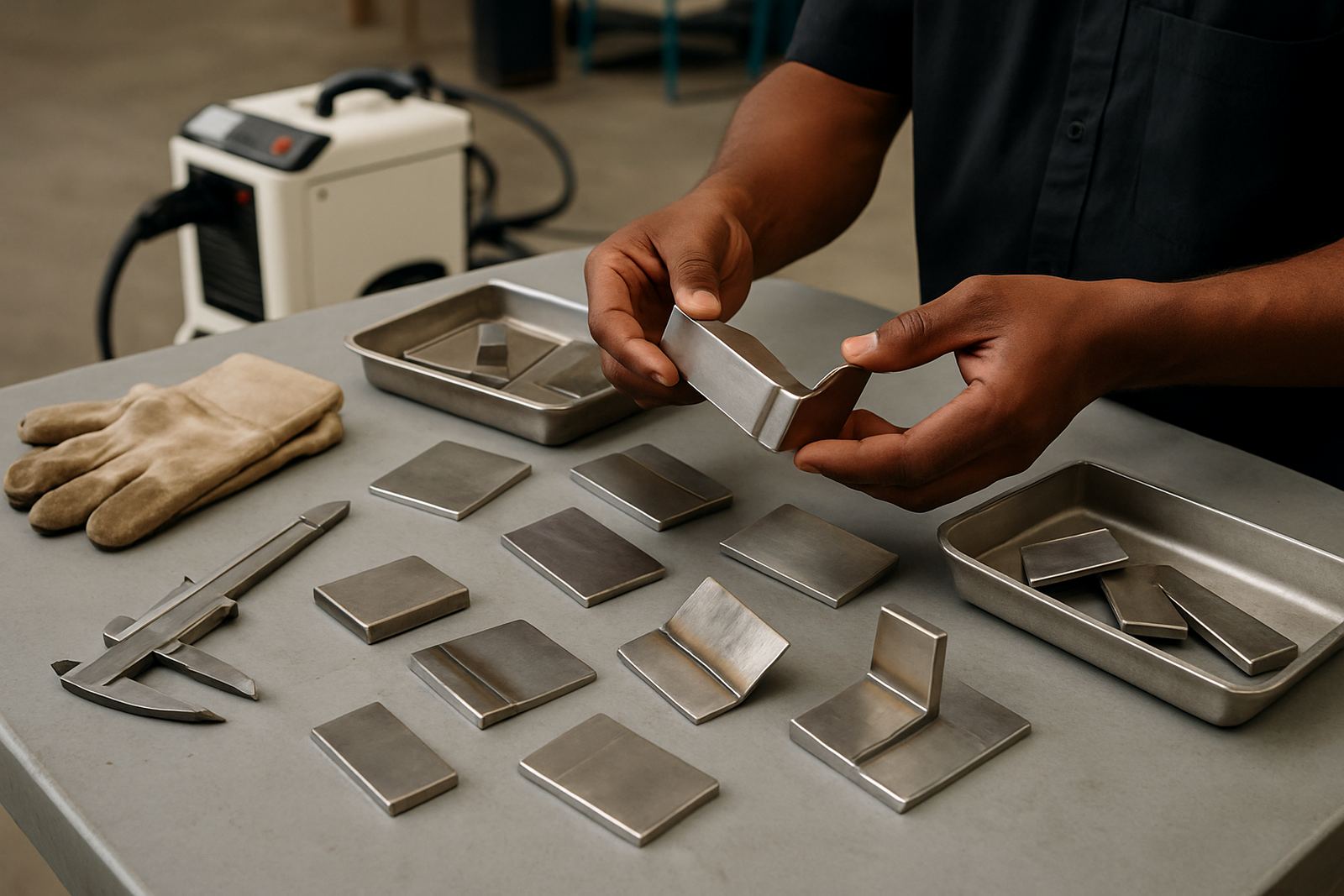
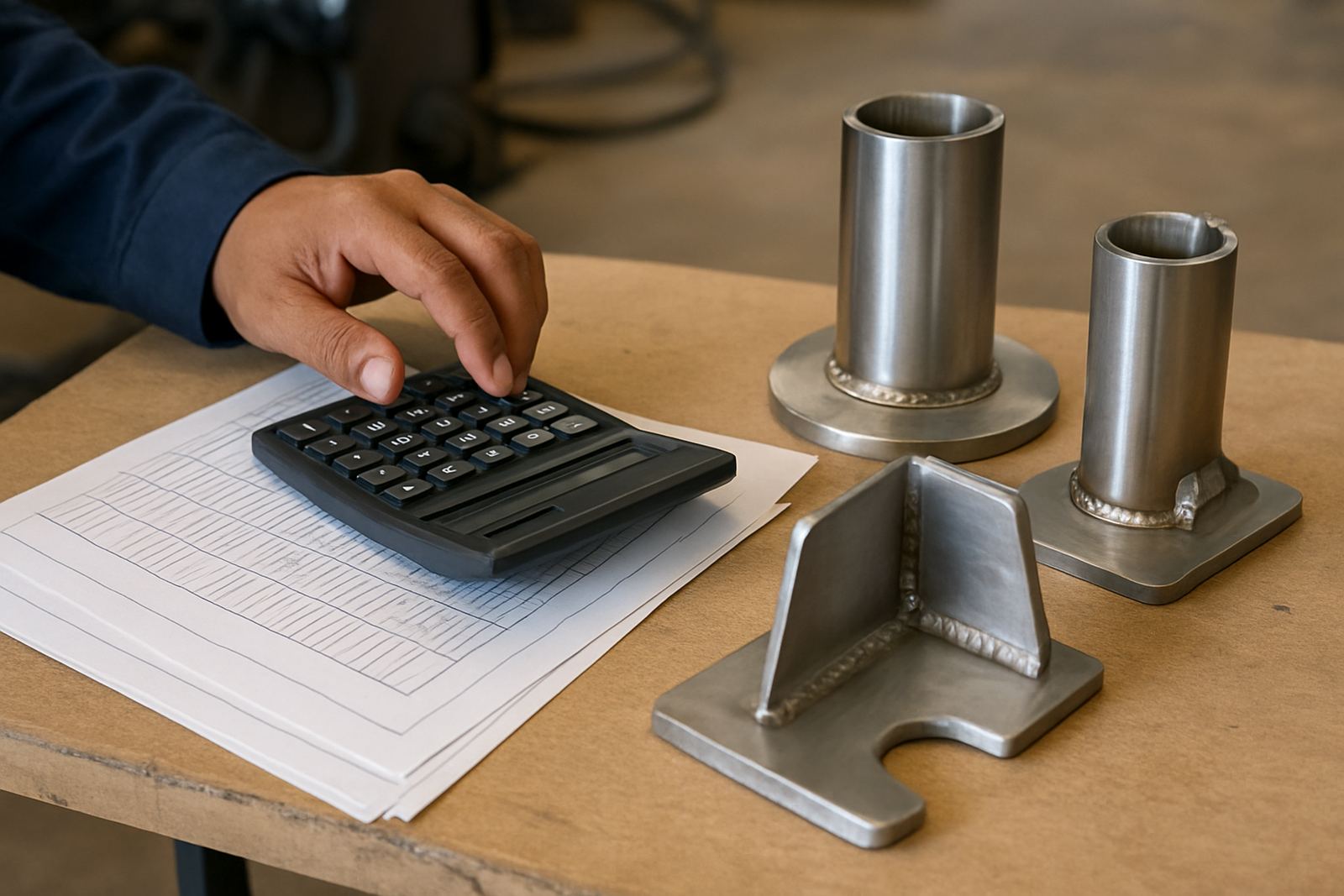
Process optimisation should include weld testing on your actual parts, not generic samples. A good support team will compare bead appearance, heat input, distortion and cleaning time, then help set a repeatable method for each common job. This is especially useful for fabricators producing repeat orders where consistency matters more than chasing a different setting every morning.
In practical terms, optimisation may mean changing joint prep, adjusting travel speed, rethinking clamp positions, or assigning the right operator to the right job. Small changes save real money over a month. One shop in Germiston or Boksburg may not need a bigger machine, just a better method and a more disciplined routine.
Support That Fits Real South African Workshops
South African workshops deal with power cuts, municipal delays, varying site access and pressure to finish jobs on time. Good aftersales support should fit those realities. That means clear escalation, practical advice, and service that works whether you are in Spartan, Isando, Jet Park, Edenvale, Alberton or farther afield. It also means support staff who understand fabrication schedules and know that stopping a line for half a day can affect deliveries across the week.
At Laser-Welder, the support process is shaped around machine commissioning, operator training, process optimisation, preventive maintenance, breakdown response, spares supply, consumables support, remote help, shop demonstrations, weld testing, production rollout and refresher training. The point is simple: if the machine is part of your daily output, support must protect that output. A small workshop needs the same care as a larger plant, just in a different form.
Before choosing a supplier, ask what happens after the first install. Who handles training? How fast can help arrive? Are spares kept moving? Can the team help tune the process for your actual production mix? Those answers tell you far more than a brochure ever will.
A Simple Aftersales Checklist for Buying Confidence
Use this checklist before you commit to a supplier or plan your next machine rollout. It keeps the focus on service quality, not sales talk. If a supplier cannot answer these points clearly, expect trouble later.
- Is commissioning included and done at your site or demo shop?
- Will operators receive practical training on real workpieces?
- Is breakdown response available when production is under pressure?
- Can the supplier support preventive maintenance and routine checks?
- Are spares and consumables easy to source without long delays?
- Will they help with weld testing and parameter improvement?
- Can refresher training be arranged when staff or jobs change?
A workshop that welds every day needs support that is organised, responsive and grounded in the way South African fabrication actually works. That is what keeps the welds clean and the output moving.