Start with the job, not the machine
Project qualification is about matching the welding process to the actual work in front of you. For stainless steel fabricators, handheld fibre laser welding is often a strong choice when the job needs neat appearance, low distortion and repeatable results with less rework. It can suit kitchen equipment, hygienic fabrications, light to medium gauge parts, covers, trays, brackets and assemblies that must stay straight after welding.
The best projects are usually the ones where parts fit well, the material is clean, and access is straightforward. If the shop in Spartan, Kempton Park or a client site in Germiston is already working with decent prep and controlled jigs, laser welding can lift output quickly. If the job has poor fit-up, heavy contamination or thick sections with wide gaps, it needs a careful review first.
Jobs that usually suit handheld laser welding
Some work is a natural fit for laser welding because the heat is concentrated and the welds can be made quickly with less finish work after. On stainless steel this is especially useful where appearance matters or where distortion causes later problems during assembly, sealing or polishing. A well qualified job should let the operator move at a steady pace without fighting the material.
- Thin to medium stainless steel parts with clean edges and good joint contact
- Visible components where neat welds reduce grinding and polishing time
- Repeated production work with fixtures or jigs already in place
- Assemblies that must stay flat, square or dimensionally accurate
- Jobs where lower heat input helps protect nearby bends, seals or finishes
- Workshop work where output matters and the team needs a shorter weld cycle
For fabricators doing recurring work in Ekurhuleni, this process often makes sense when you can standardise the joint, training and after-weld inspection. That consistency is what turns a promising demo into proper production value.
Jobs that need a closer look before approval
Some jobs can still be welded, but they should be assessed more carefully before anyone commits to production. The main risks are poor fit-up, excessive thickness, contamination, and joints that need deep fusion across a wide gap. If the job has mixed materials, unknown grades, or parts that are badly distorted from cutting or forming, qualification becomes more important.
Projects that often need testing first include pressure related components, complex repair work, assemblies with heavy heat sinks, or jobs where the access angle is awkward. On site in Jet Park, Alberton or Boksburg, it is common to find that the welding itself is not the only issue the prep and clamping are just as important. A quick demo may look good, but production conditions can tell a different story.
- Thick plate or sections that need deep penetration beyond the normal handheld setup
- Joints with visible gaps, poor edge prep or inconsistent part lengths
- Repairs on unknown stainless grades or parts with prior heat damage
- Work that must meet strict customer specs, inspection points or test records
- Parts that are hard to clamp, especially long runs or awkward frames
A simple qualification checklist for the workshop floor
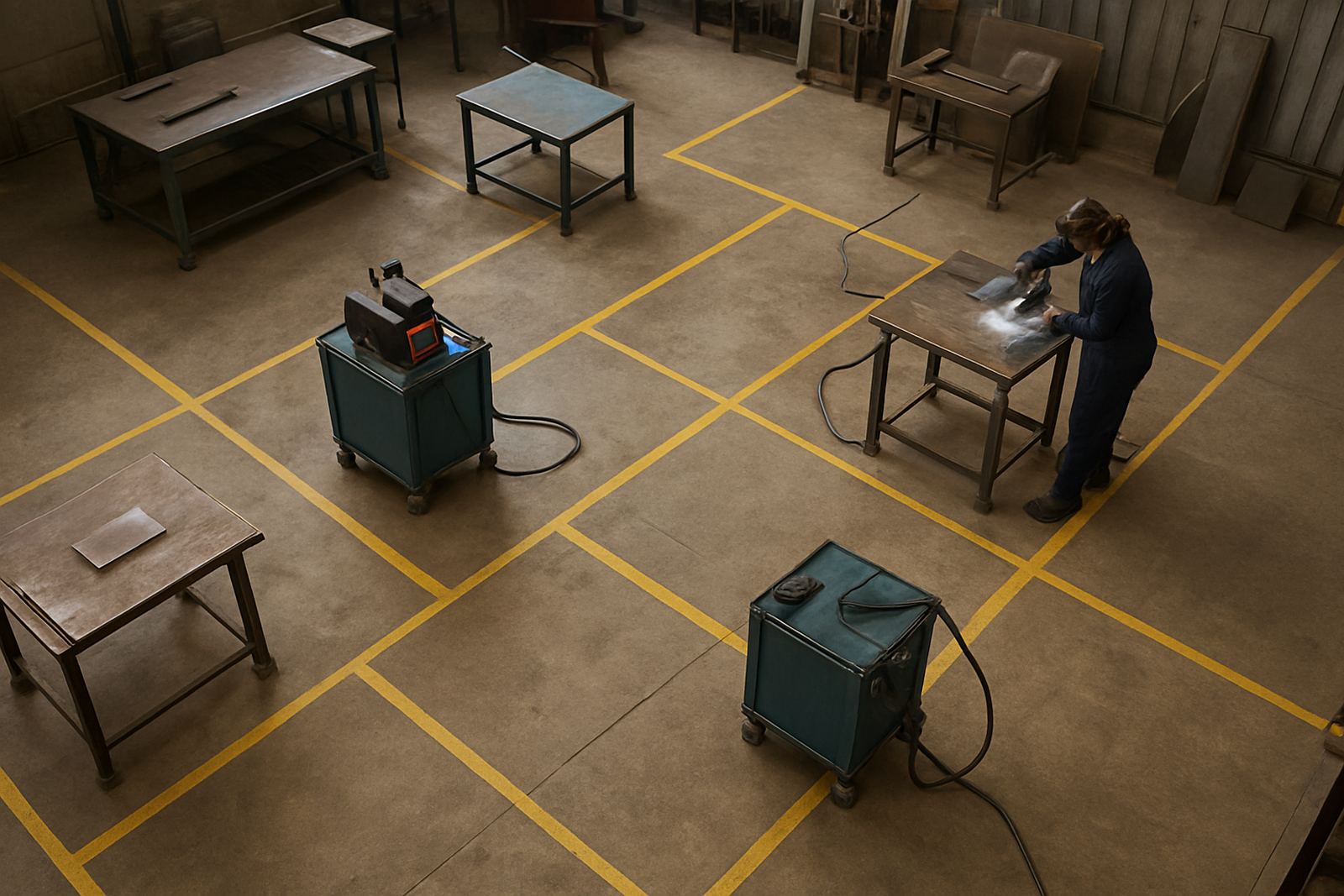
Before you release a job to the welding team, work through a basic checklist. It does not take long, and it saves trouble later. The goal is to confirm that the part can be welded consistently, safely and with acceptable finish in your normal workshop conditions, including load-shedding backup if your site depends on generators or invertors.
- Material: confirm the stainless grade and thickness range
- Joint fit: check gap size, edge alignment and repeatability
- Cleanliness: remove oil, oxide, paint and grinding dust
- Access: make sure the torch angle and movement are practical
- Fixtures: confirm clamping, stops and part location
- Finish: decide if brushing, polishing or passivation is needed
- Output: check target pieces per shift and whether one operator can keep pace
If the job fails two or more of these checks, it should be treated as a test piece first, not a full production release. That approach keeps scrap down and helps the team build confidence before going live.
Test before production, especially on first-run parts
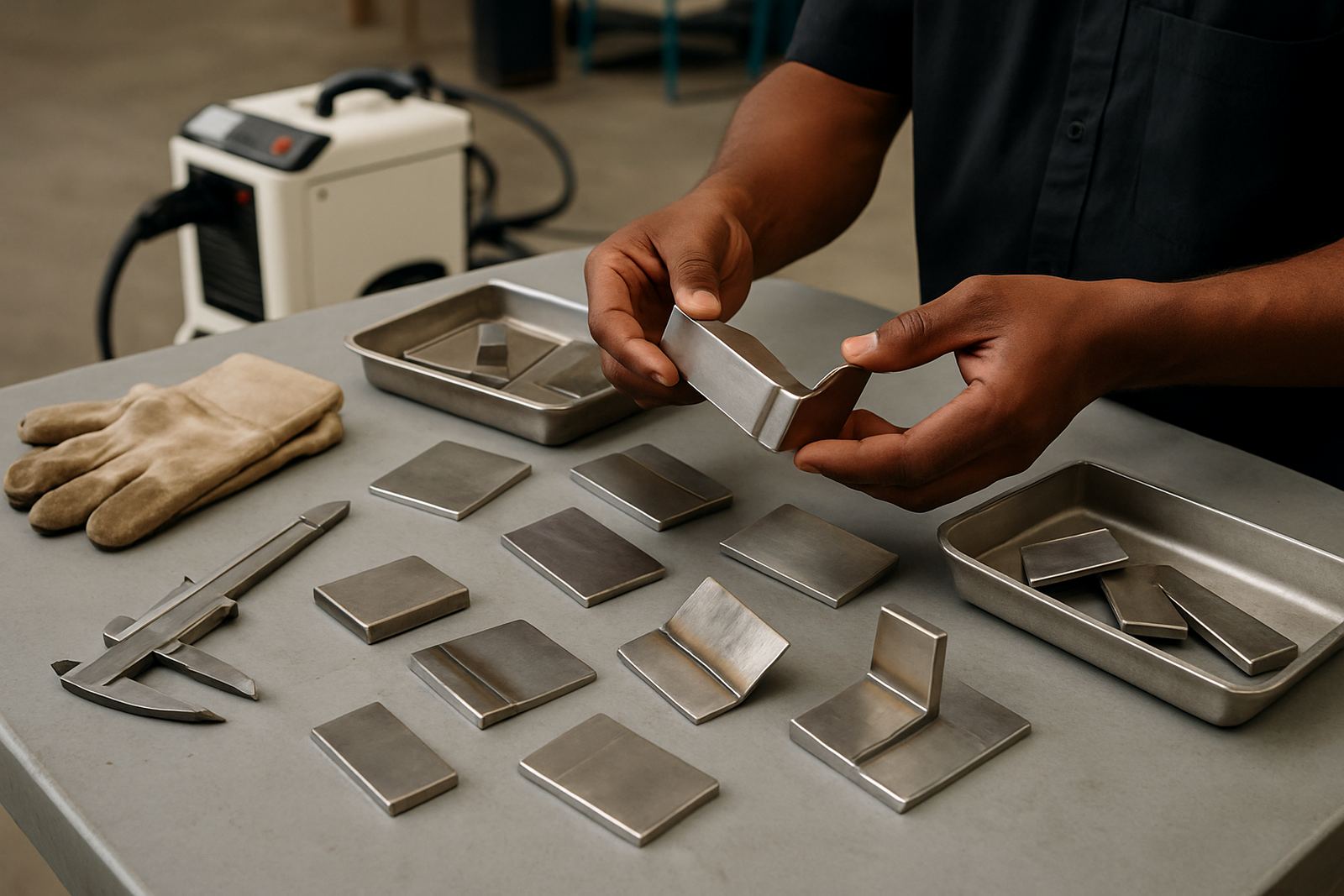
A proper test weld gives you more than a visual check. It shows whether the joint closes properly, whether the weld profile is consistent, and whether the cleaning steps are enough for your final finish. For first-run work, ask for sample parts from the same batch, not loose offcuts from another job. That way the test reflects real production conditions.
During testing, check penetration, back side appearance where relevant, distortion, discolouration and the amount of post-weld work required. If the part must pass a customer sign-off or internal inspection, record the settings, travel speed and any setup notes. This makes the next job faster and far less dependent on memory. On a busy floor in Edenvale or Isando, those notes are worth keeping.
What good qualification looks like in practice
A qualified project is one where the team knows the joint, the settings, the prep and the expected finish before full production starts. That does not mean every part is perfect on day one. It means the job is predictable enough to run without constant adjustments, rework or guesswork. When that happens, the process supports faster throughput and cleaner stainless results.
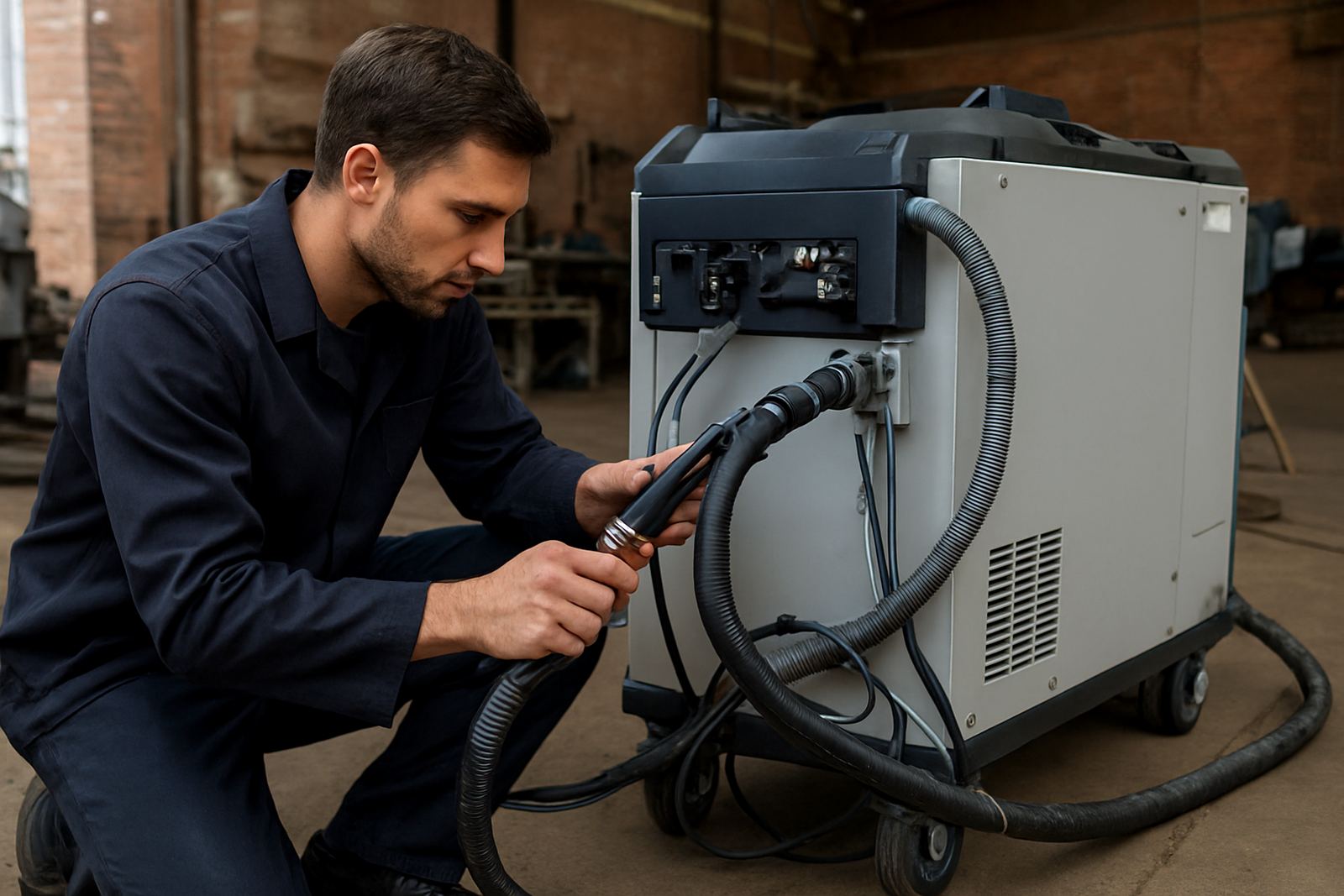
Laser-Welder works with fabricators across Spartan, Kempton Park and nationwide sites to assess jobs, run shop demonstrations, test welds and train operators on the actual parts being made. The most successful rollouts usually start with one product family, then move into a wider range once the team has proven the process on the floor. If a job is worth welding, it is worth qualifying properly first.
When to ask for a shop demonstration or training visit
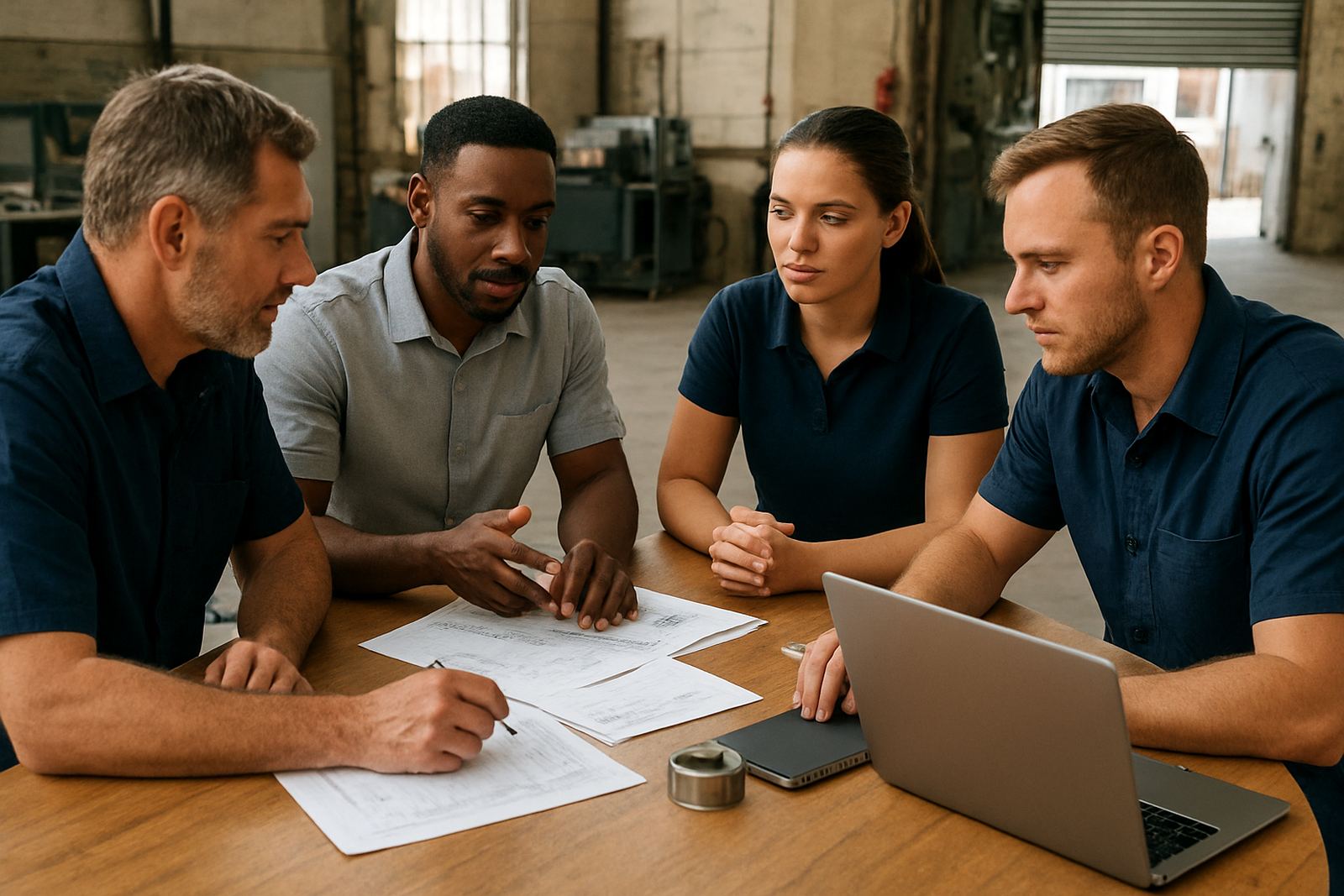
If you are unsure whether a job suits handheld fibre laser welding, a shop demonstration is the fastest way to decide. Bring the real parts, the real thicknesses and the real production target. That allows the team to judge travel speed, access, cleanliness and finish under practical conditions rather than guesswork.
Training is also useful when the same job is being done by different operators or when output is uneven between shifts. With operator training, process optimisation and weld testing, your team can compare results and settle on a method that suits your workshop. In many cases the difference is not the machine itself, it is the prep, the clamp up and the discipline around each step.