Start of shift checks that save time later
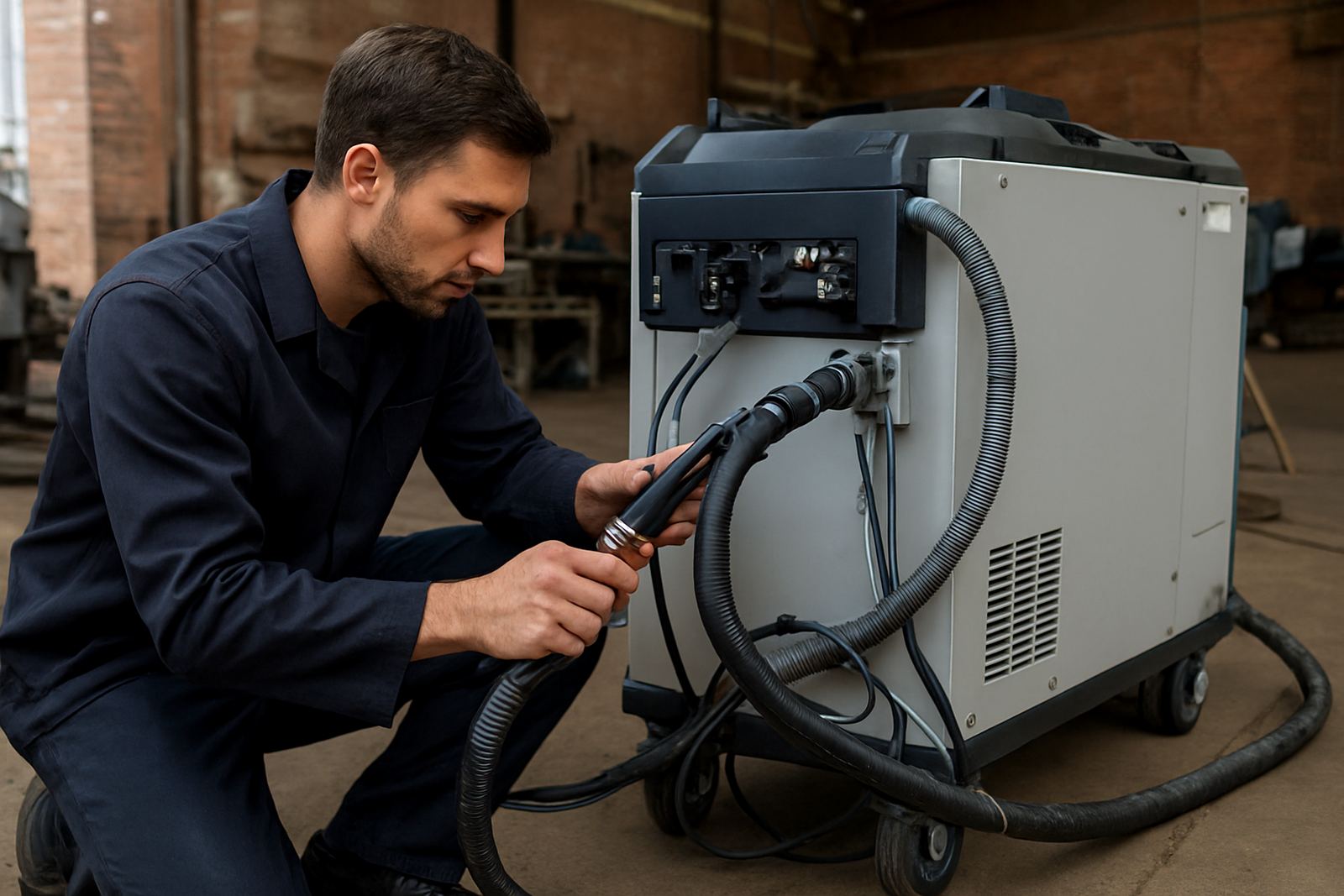
Before the first weld of the day, give the machine a quick once-over. In a busy workshop in Spartan or Kempton Park, five minutes at the start can prevent a lost afternoon. Check the torch body, cable run, trigger action, gas line, and power connection. Look for obvious wear, loose fittings, bent pins, or kinks in the fibre cable. If the unit was moved after the last job, make sure it is standing level and clear of grinding dust.
For stainless steel fabrication, cleanliness matters just as much as power settings. Wipe down the work area, remove oil and cutting residue from joints, and confirm the shielding gas supply is open and flowing correctly. If the previous shift left a note about spatter, poor bead appearance, or unstable output, sort that first and dont push the machine into production until the cause is known.
- Inspect torch head, cable and connectors for wear
- Check gas flow and hose condition
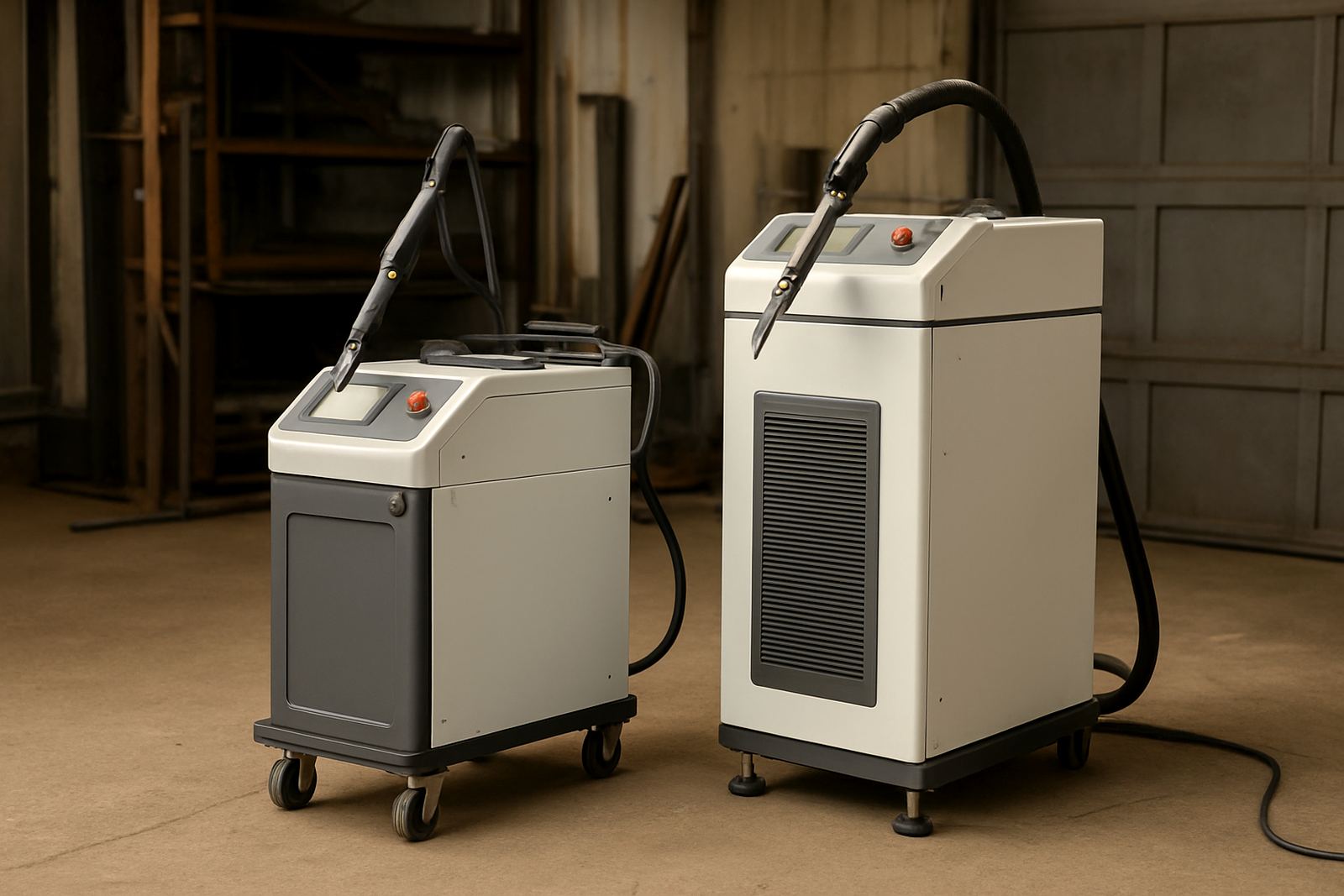
- Confirm cooling fans and filters are unobstructed
- Test the trigger and safety controls before welding
- Clear dust, offcuts and grinding debris from the machine area
Keep the optics and nozzle clean enough for repeatable welds
The biggest day to day maintenance job on a handheld laser welder is keeping the optical path clean. Dust, grease and metal fines reduce performance and can make the weld unstable. Use a clean, dry cloth only where appropriate and follow the cleaning routine recommended for the lens window, protective glass and nozzle area. Never use rough cloths or dirty compressed air that blows grit deeper into the head.
When working on stainless steel, especially in fabrication shops handling polished tube, sheet or cabinets, fine contamination can show up quickly as discolouration or irregular penetration. If the nozzle has burnt residue or the protective window has marks, replace it before the next production run. A small mark today can become a costly fault by Friday.
- Clean the nozzle and protective glass at set intervals
- Store spare lenses and covers in sealed packaging
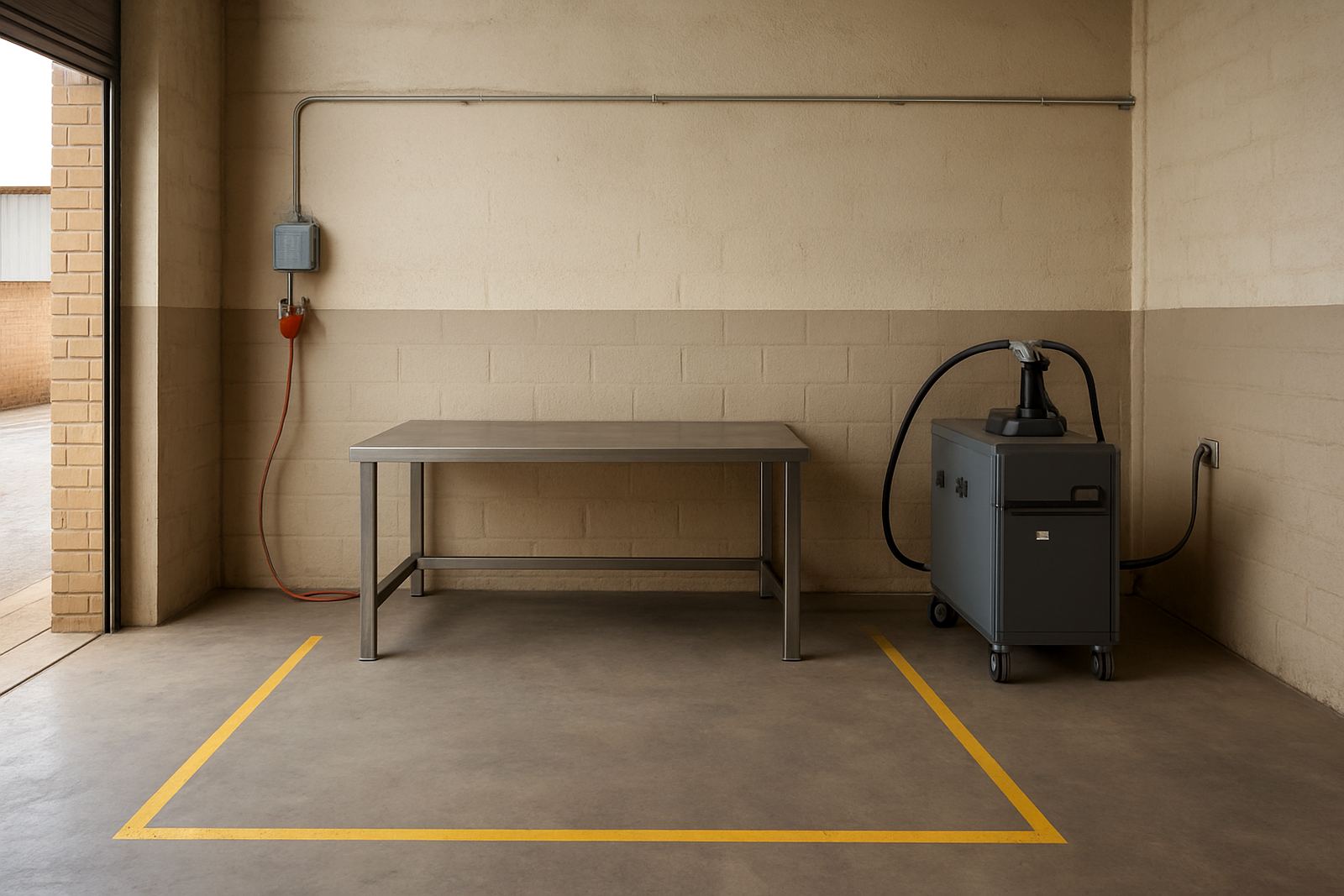
- Keep the welding bench away from grinding dust where possible
- Inspect the shielding gas nozzle for blockage or damage
Weekly checks for cooling, air and electrical health
Each week, spend a bit more time on the support systems. Even a well kept laser welder can struggle if the cooling, ventilation or power supply is neglected. Check that filters are not clogged, fans are running properly, and there is no unusual noise from the unit. In coastal areas, humidity can build up inside cabinets and around connectors, so look for condensation, corrosion or staining on metal parts.
In South Africa, load shedding and voltage swings can affect workshop equipment. Use the correct protection on the supply side and make sure the machine is connected through the recommended electrical setup. If the unit has been exposed to a power cut, allow it to restart properly and confirm the settings remained intact. Dont keep welding through unstable supply conditions, because faults often show up later as intermittent output or control errors.
- Check cooling fans, vents and filters for blockage
- Look for signs of moisture or rust around fittings
- Inspect plugs, breakers and isolation points
- Verify that supply voltage and earthing are in order
- Listen for changes in fan or pump noise
Monthly workshop routine for production reliability
Once a month, treat the machine like a production asset rather than just a tool on the floor. Review the cable condition, the torch alignment, the trigger response, and any changes in weld quality over the last few weeks. If operators have been adjusting settings often to get the same result, something in the process may be drifting. That can be a sign of wear, contamination or setup inconsistency.
Use a short maintenance record. Note date, operator, material type, settings used, and any faults found. This is useful in larger plants in Ekurhuleni where multiple shifts may use the same machine. A simple record helps spot patterns, like repeat issues after weekend shutdowns or after a certain batch of consumables was fitted.
- Record current machine condition and any warnings
- Check whether weld quality has changed since last month
- Review torch wear, cable flex points and connectors
- Confirm spare consumables are on hand
- Test a sample weld and compare it with the last accepted part
Operator habits that prevent avoidable breakdowns
Good maintenance is also about how the machine is used. Most avoidable failures come from poor handling, rushed set-up or skipping simple checks. Operators should keep the torch steady, avoid forcing the cable around sharp corners, and park the unit properly when not in use. If the machine is being moved between work bays or transported for demos, secure it so the head and cable are not bouncing around in transit.
Training makes a measurable difference. A welder who knows how to spot a dirty lens, a weak gas flow, or a cable strain point will catch problems earlier. In a shop where stainless steel jobs change daily, consistency is what keeps output predictable. A bit of discipline on the floor saves a lot of calls later, and it keeps rework low.
- Do not drag the torch cable across sharp edges
- Set the machine down on a clean, dry surface
- Use the correct consumables for the job
- Stop and report unusual noise, smell or heat straight away
- Keep only trained operators on the unit
When to call for service before production stops
Some issues are not for quick fixes on the shop floor. If the weld becomes inconsistent, the machine trips repeatedly, the control panel behaves erratically, or the torch head shows visible damage, arrange a proper inspection. Waiting usually makes the fault worse and can affect a whole batch of work. In production environments, downtime costs more than a planned service window.
Our team supports machine commissioning, preventive maintenance, breakdown response and remote help for fabrication shops across South Africa. If you are in Spartan, Isando, Jet Park, Edenvale, Germiston, Boksburg or Alberton, we can work around workshop schedules. We also assist with weld testing, process optimisation, production rollout and refresher training so your operators stay confident on the equipment.
If you need spares, consumables or a maintenance visit, send an enquiry through the contact page and include the machine symptoms, material type and the issue you are seeing. That makes it easier to plan the right support from the start.