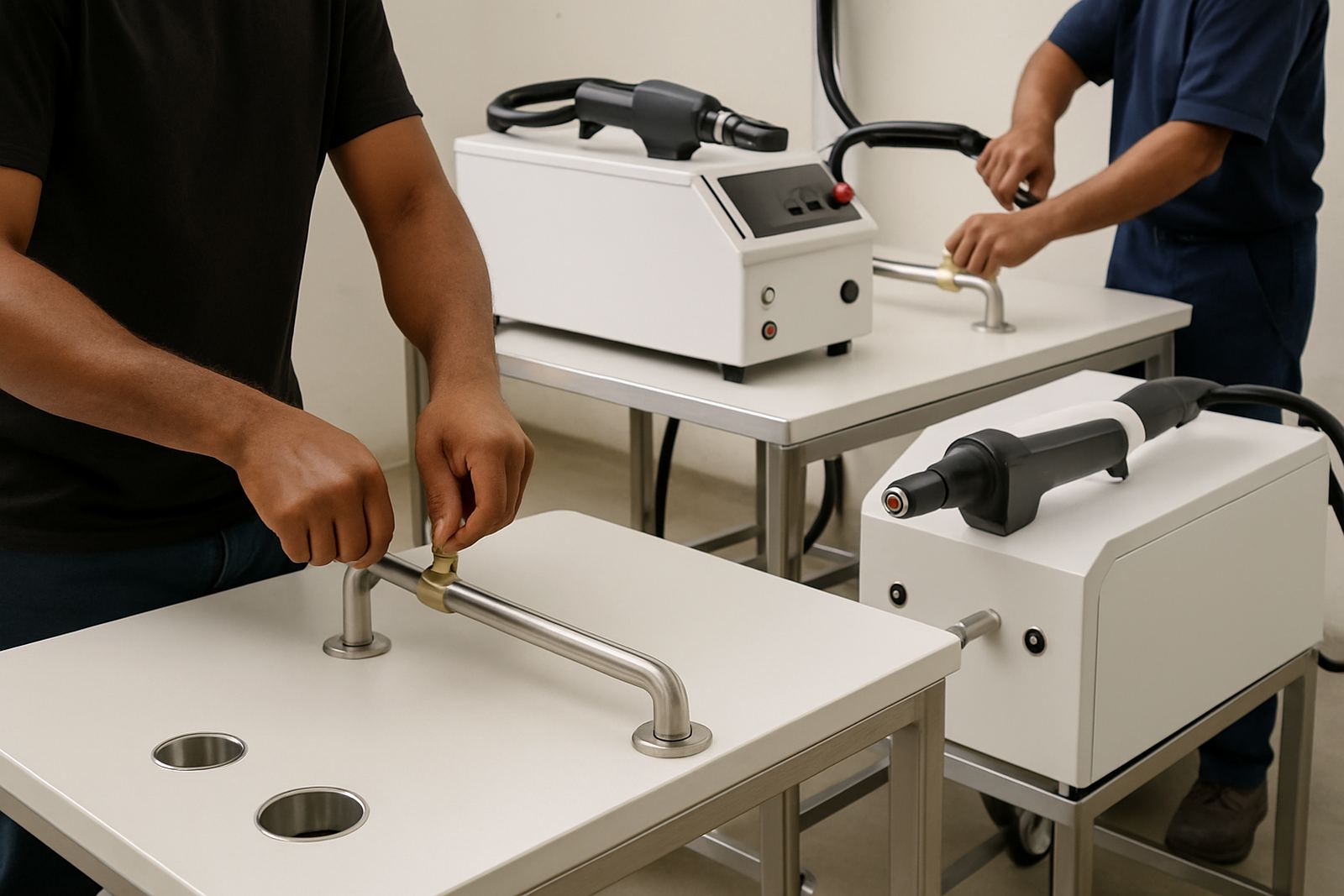
Where handheld fibre laser welding earns its keep
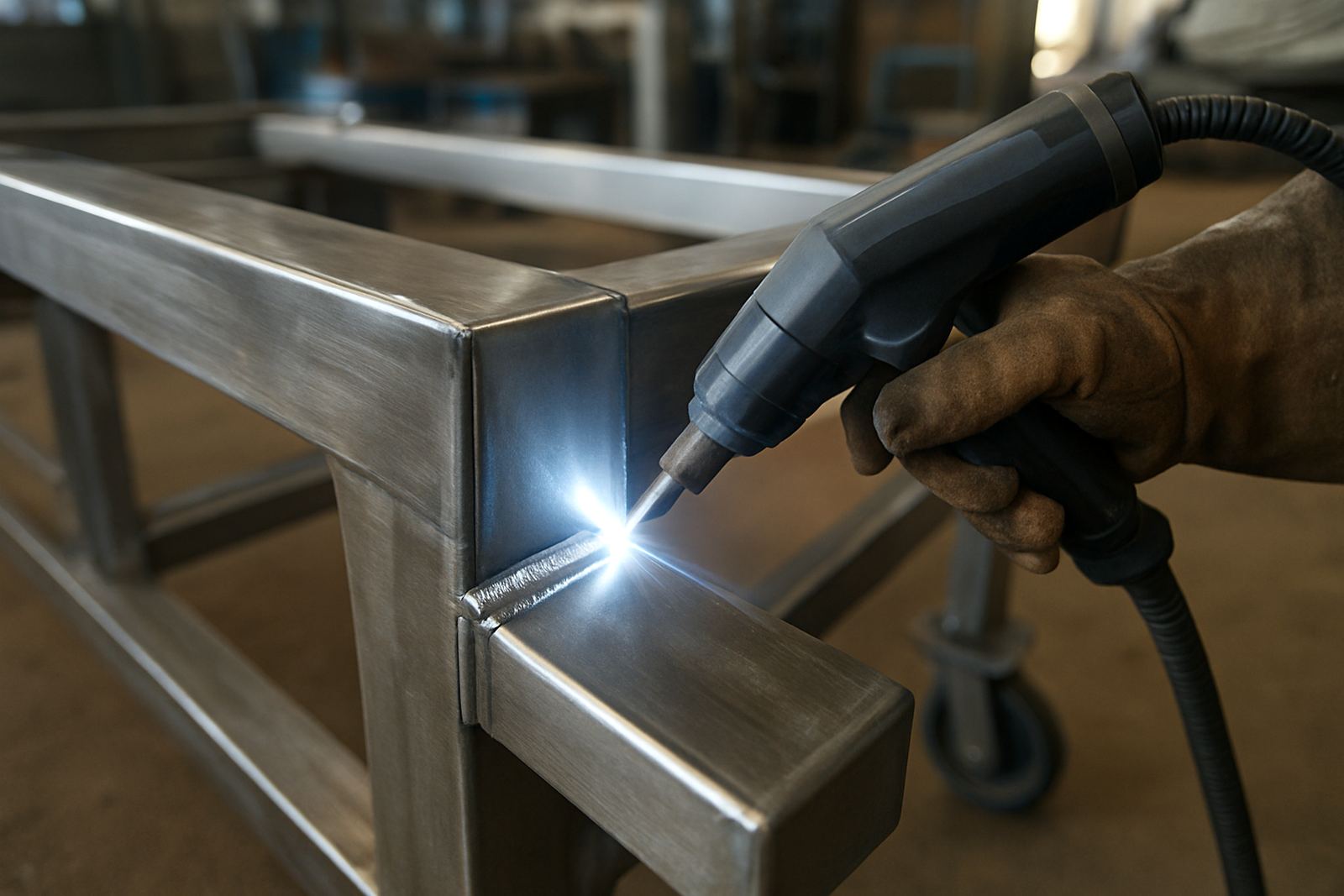
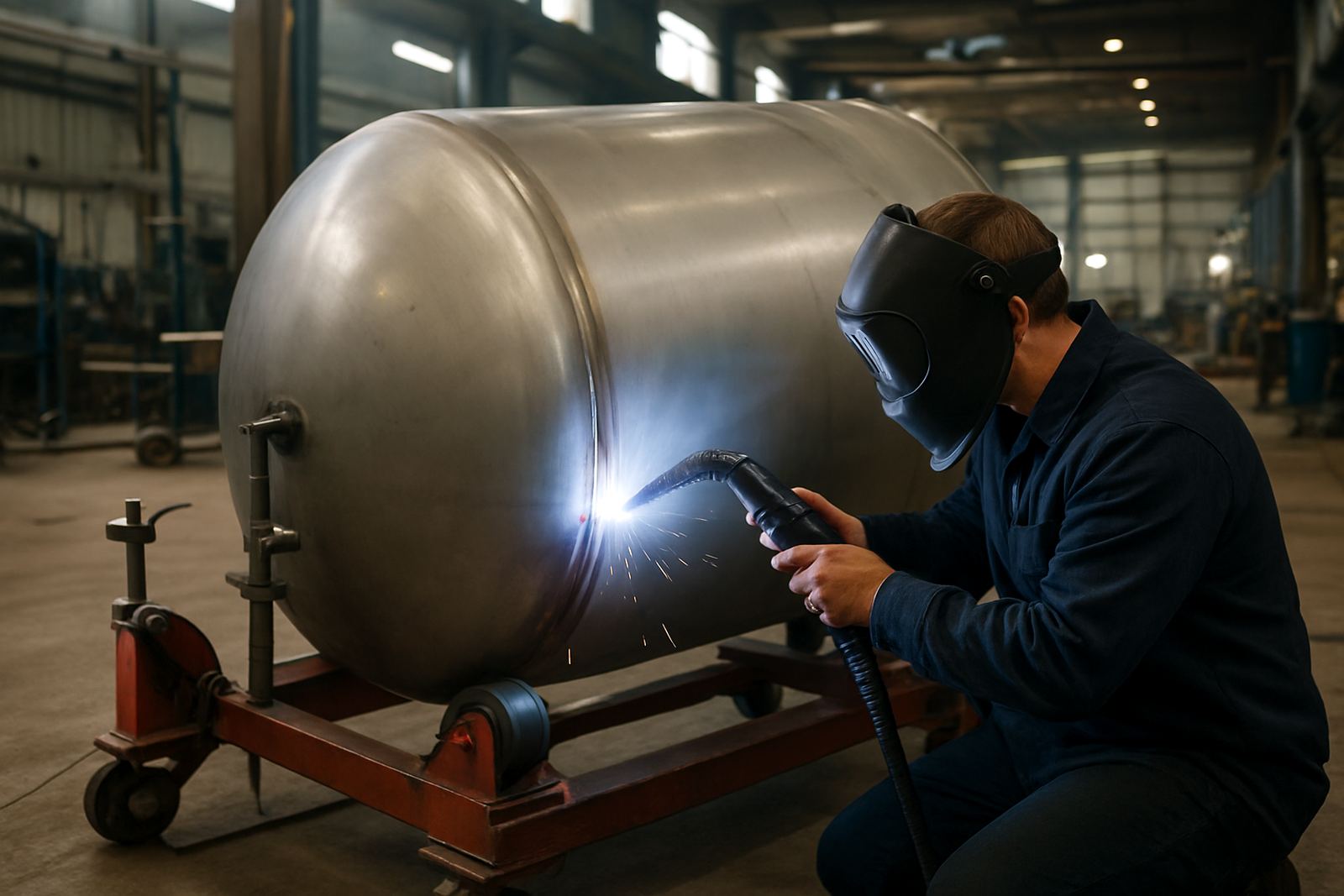
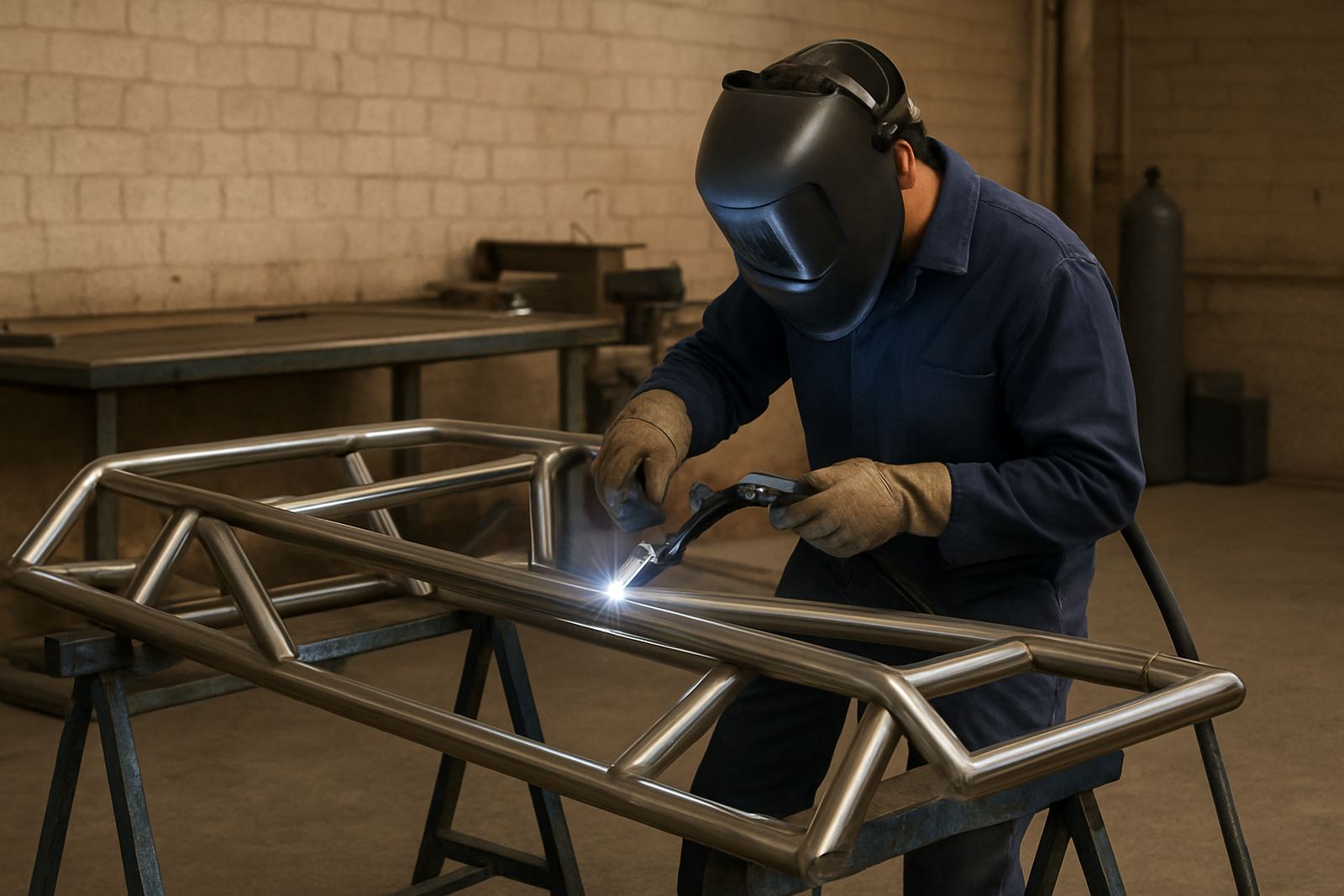
In stainless steel fabrication, the value is easy to see on parts that must look clean straight off the torch. A handheld fibre laser welder can help on thin to medium gauges where heat control, distortion control and neat finish are important. For many South African workshops, that means less rework and a quicker handover to assembly, polishing, or installation.
It is not only for high-volume factories either. Small jobbing shops in Spartan, Kempton Park, Isando, or Germiston often use it on mixed batches, while larger plants use it for repeated stainless work that has to stay consistent across shifts.
Common stainless product types we see in local shops
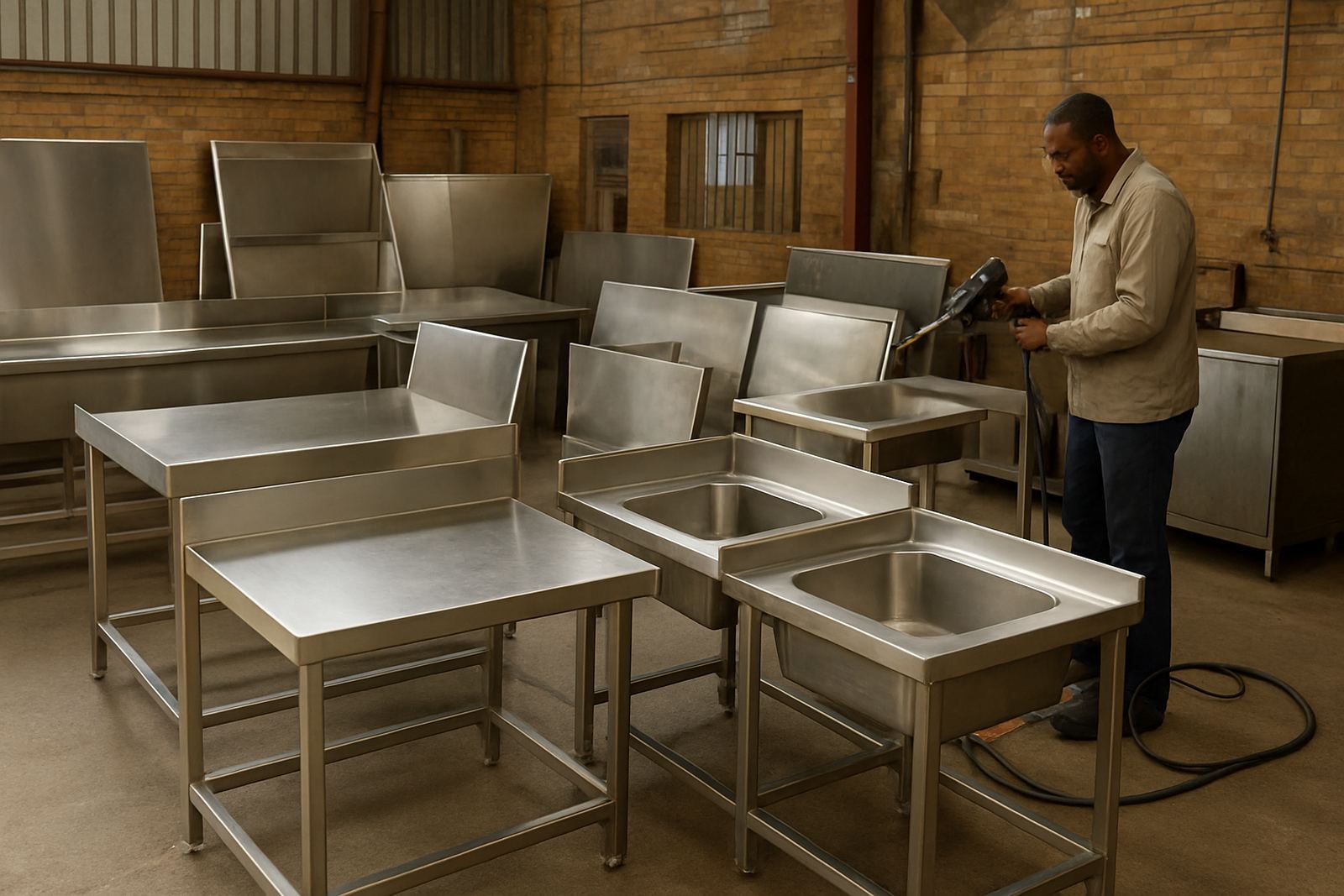
These are the kinds of items where handheld laser welding is often a strong fit, especially when appearance and fit-up matter. Stainless steel sheetwork can move fast and finish clean if the joint prep is right, and the method suits repeatable parts with visible seams.
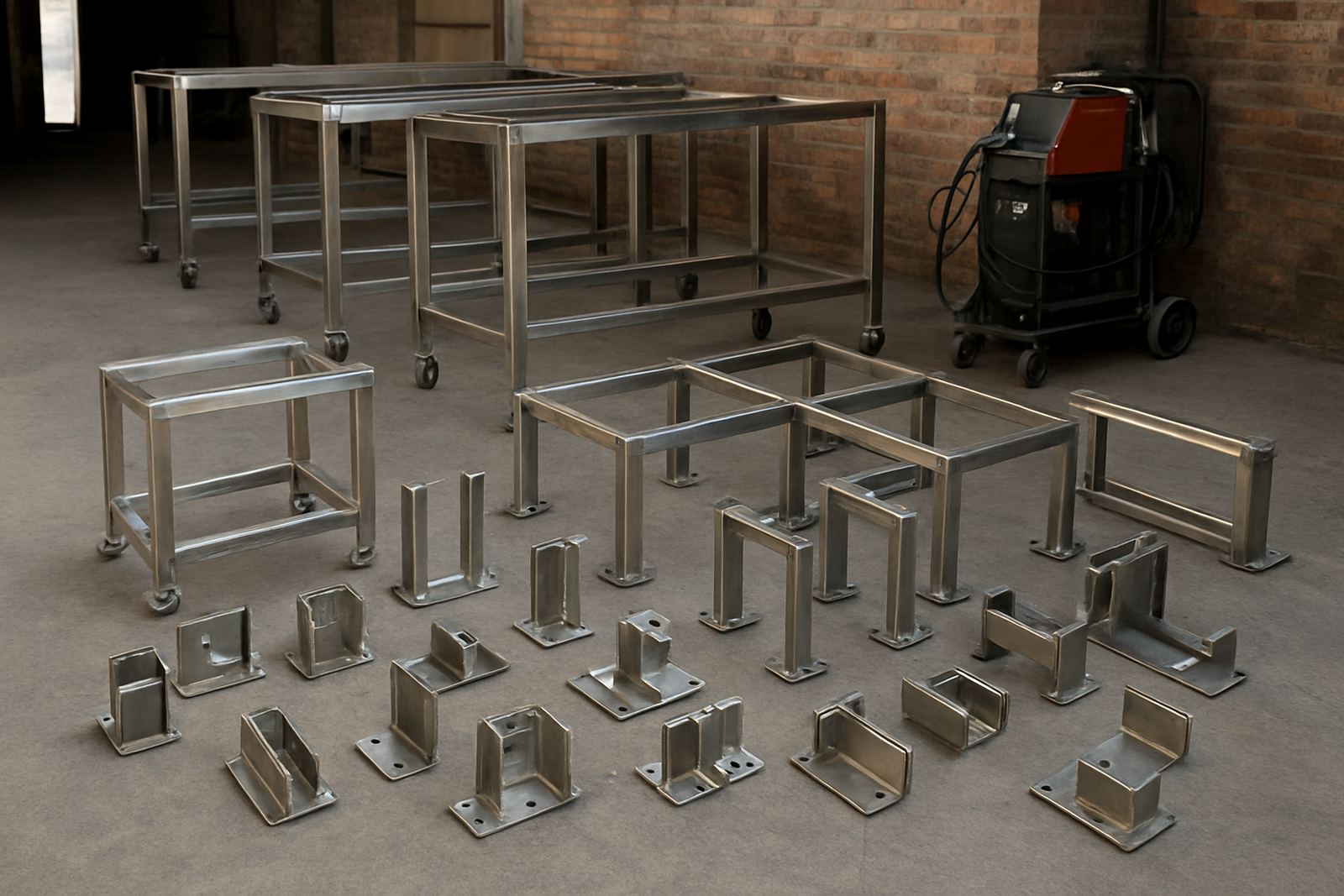
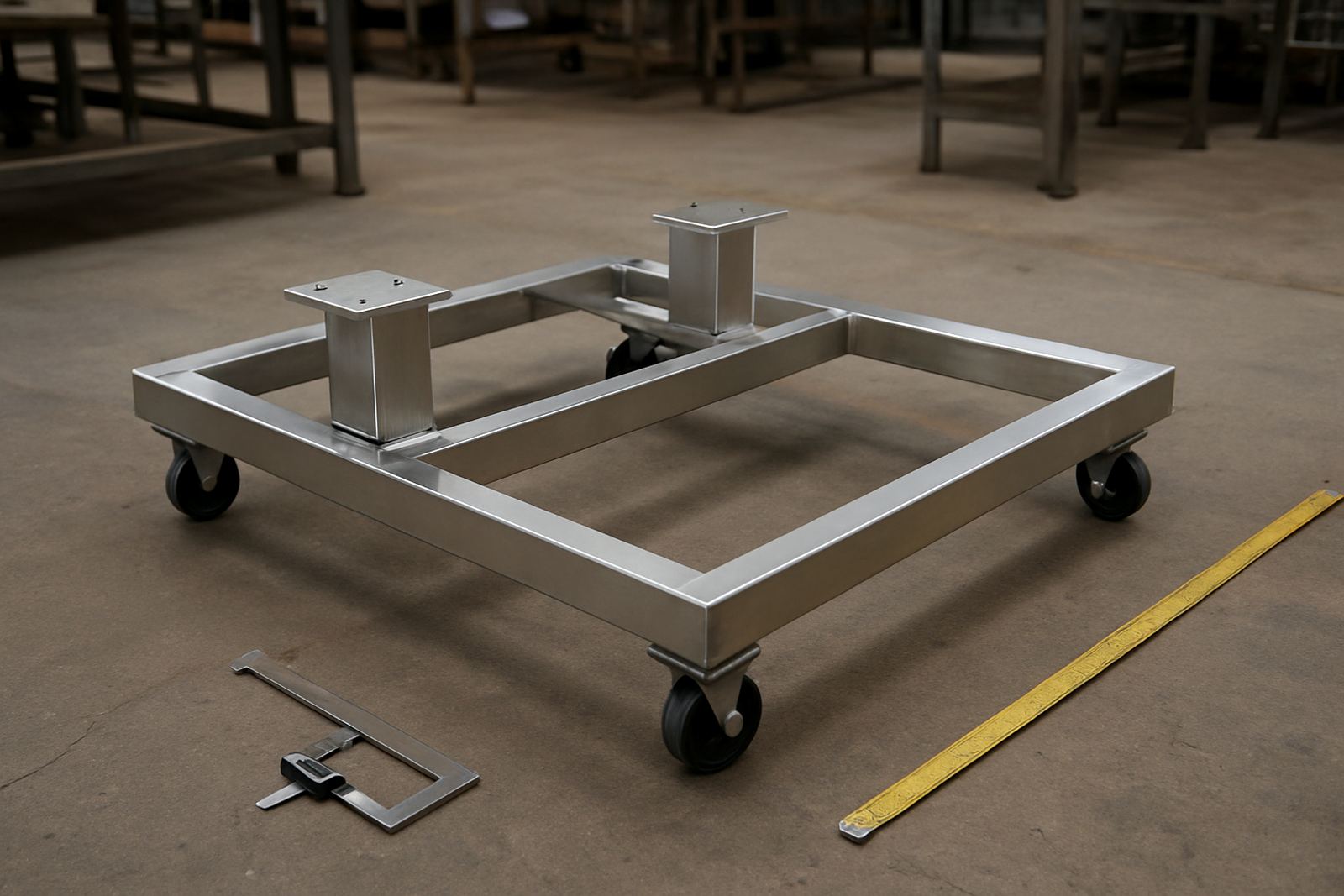
- Food-grade tables, trolleys and prep equipment
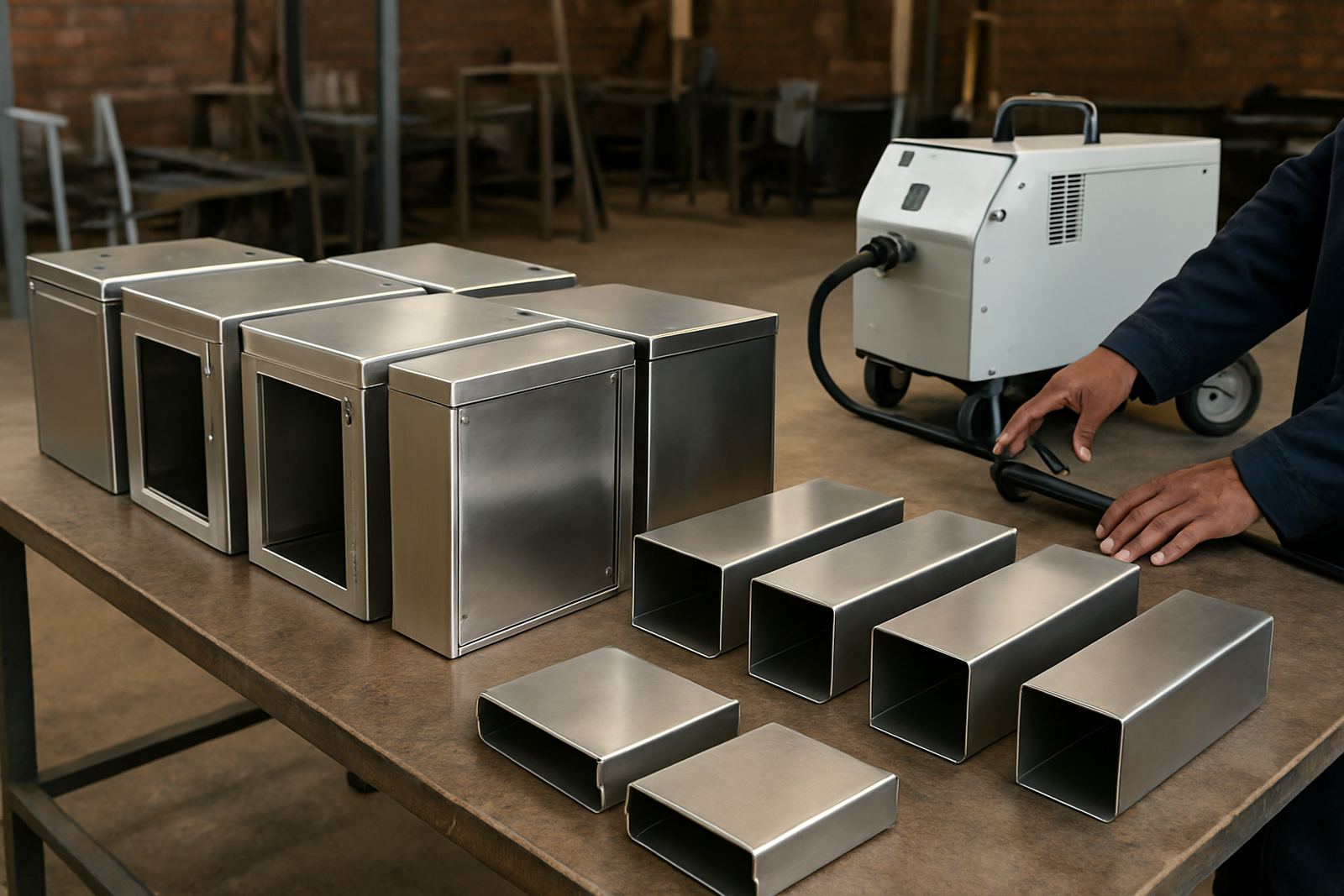
- Stainless cabinets, housings and machine covers
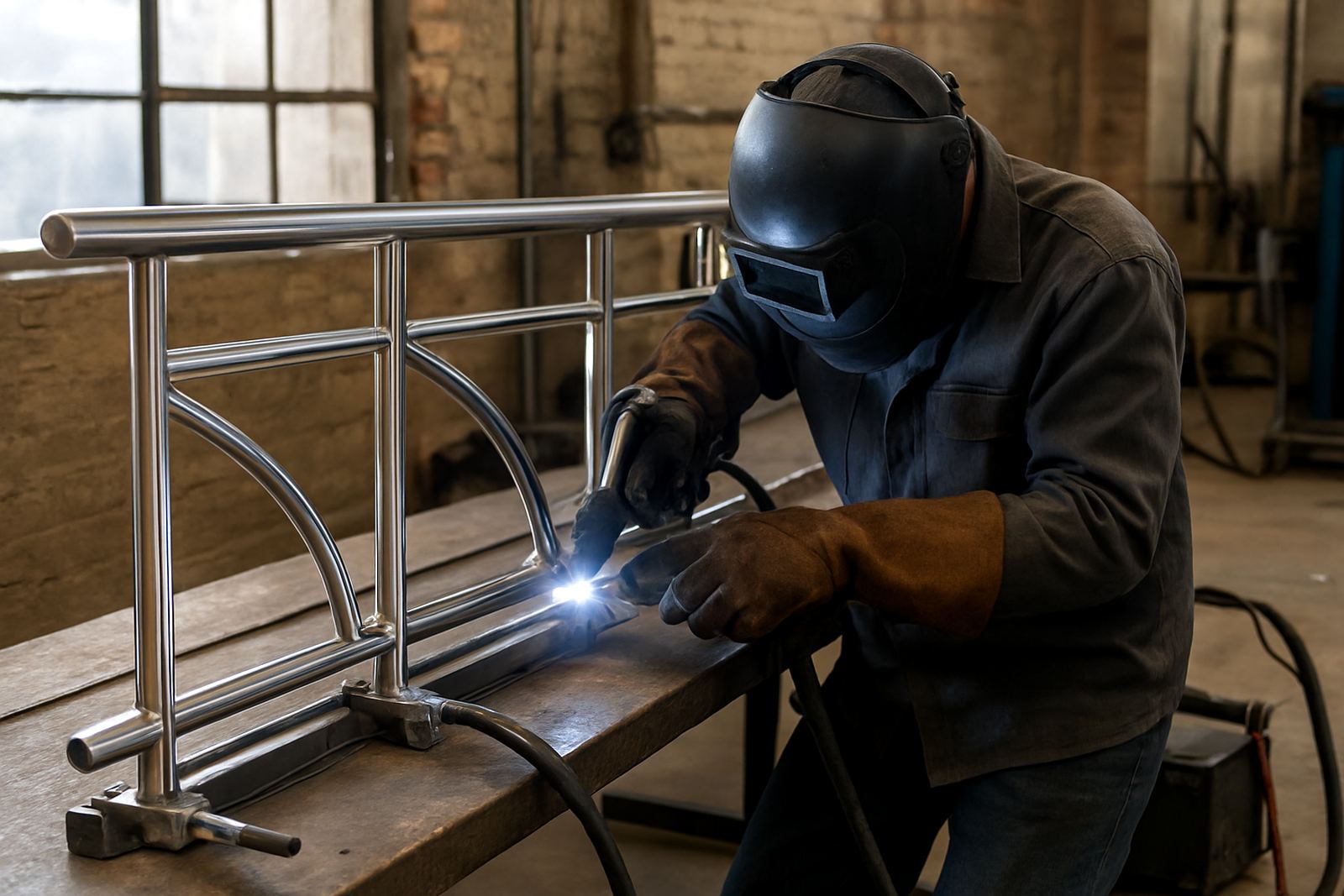
- Balustrade details, trims and architectural features
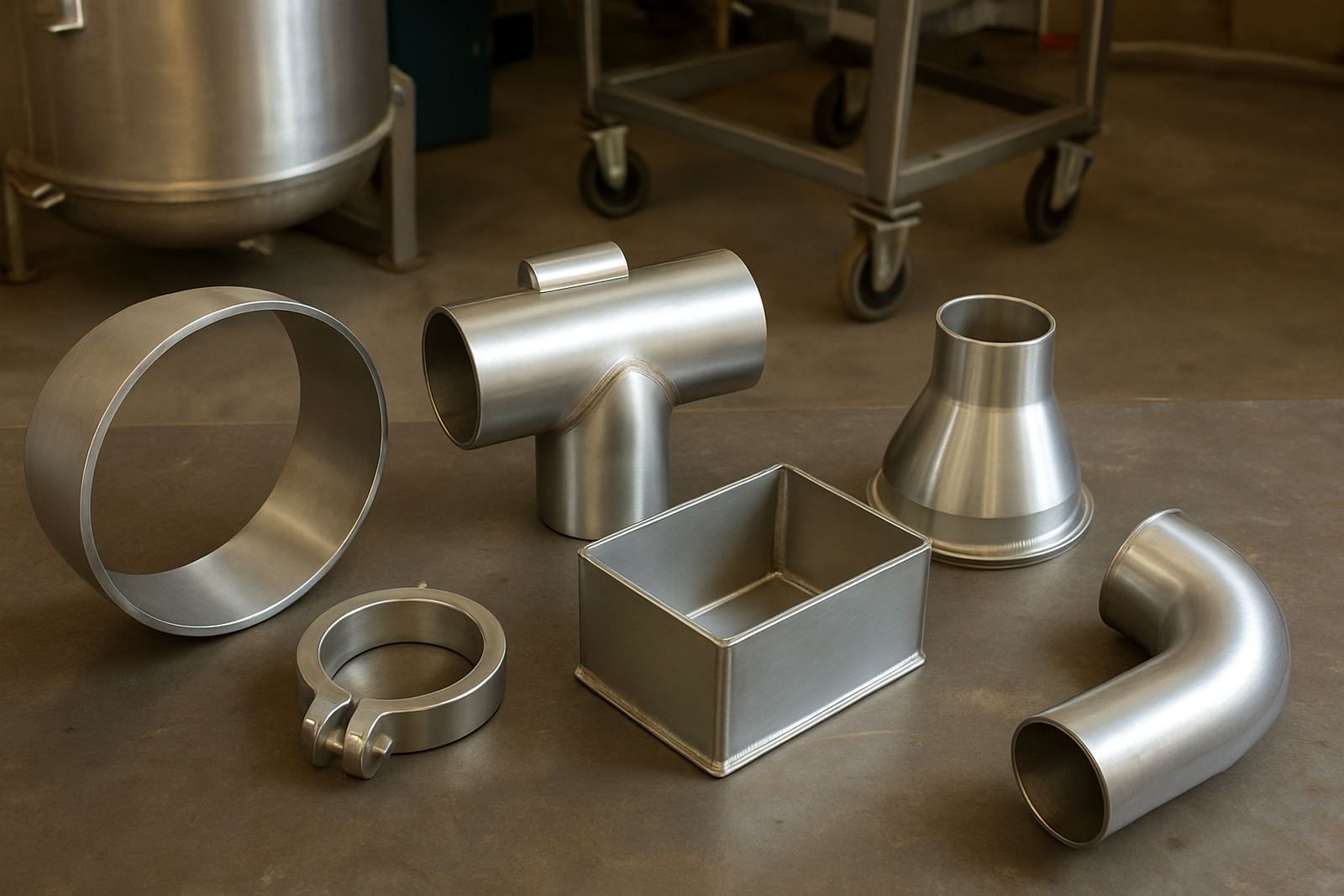
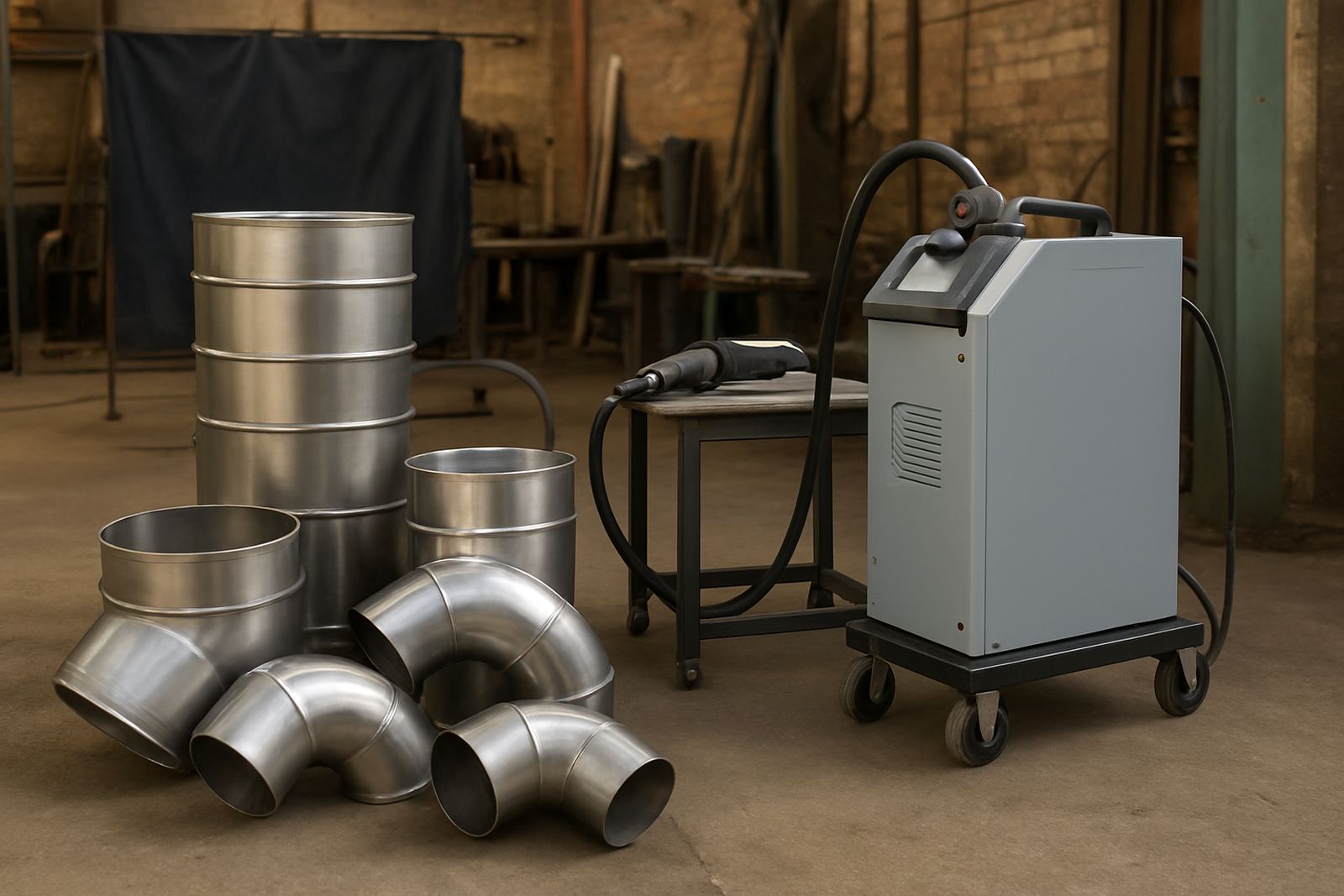
- Ducting, extraction parts and light process pipework
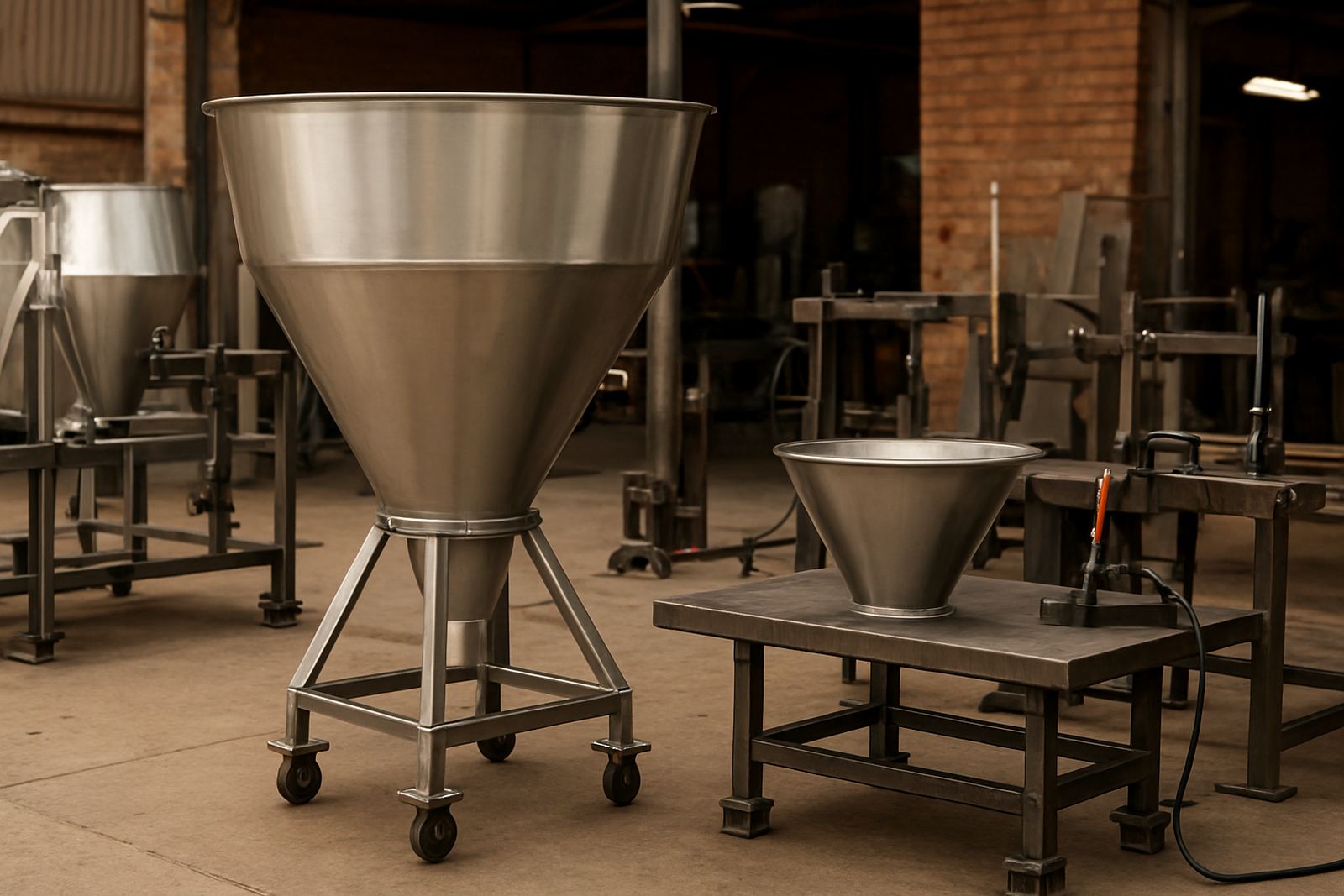
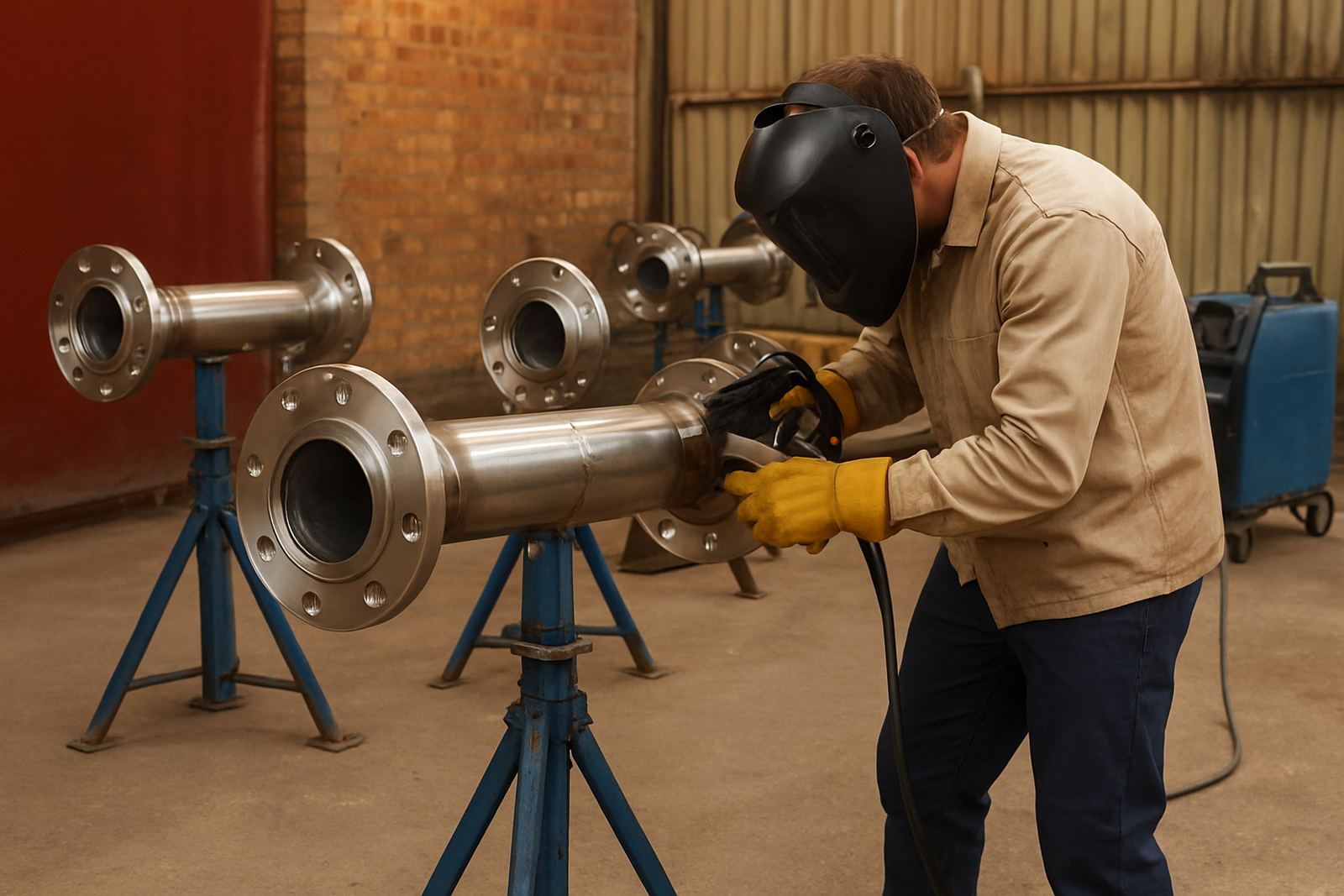
- Tank fittings, brackets, flanges and small supports
- Medical, laboratory and clean-area components
In coastal areas, fabricators also like the neatness because less grinding can mean less chance of surface contamination before final cleaning and passivation.
Best fit for workshops chasing speed and finish
If your team spends too much time cleaning up welds, laser welding can reduce the finishing stage on many stainless parts. That matters when you are trying to move jobs through a small workshop in Ekurhuleni, or keep a production line moving during load-shedding windows. Faster tack to finish times can help you make better use of generator power or back-up supply too.
It is especially useful when the job calls for straight seams, low distortion, and a neat bead that does not need heavy dressing afterwards.
- Thin sheet where burn-through is a concern
- Visible seams that must look tidy
- Parts that must stay flat after welding
- Jobs with tight handover times
- Work where post-weld grinding is costly
Choosing the right application for your shop
Not every stainless job should be treated the same way. The right choice depends on material thickness, joint type, access, and how much finish work the part can tolerate. A simple bracket is one thing, a long cosmetic seam on a food plant cover is another. That is why application testing helps before you roll a process into production.
Good questions to ask include:
- Is the joint visible on the finished item?
- Will the part distort if too much heat goes in?
- Do you need speed, cosmetic quality, or both?
- Will the weld be done in the shop or on site?
- How much grinding, pickling, or polishing follows?
Training, demo work and rollout support nationwide
Laser-Welder works with fabricators across South Africa from Spartan, Kempton Park, with demos also arranged in Isando, Jet Park, Edenvale, Germiston, Boksburg and Alberton. We also visit fabrication shops in other regions for shop demonstrations, weld testing, refresher training and production rollouts. That local support matters when your operators need practical guidance, not theory only.
Our team supports commissioning, operator training, process optimisation and breakdown response. If your workshop is changing from conventional welding to handheld fibre laser welding, the aim is to get your crew comfortable with the process quickly, and keep the machine producing clean work with less down time.
How to judge whether laser welding will pay off
The quickest way to judge value is to compare the total cost of a job, not only the weld time. Look at grinding, rework, distortion fixes, heat mark cleanup and the delays caused by poor fit-up. On stainless steel jobs, those hidden costs often matter more than the weld itself.
If your current process is strong on penetration but weak on finish, or if your team is battling repeat repairs on thin material, a fibre laser trial can show the difference clearly. It is a practical tool for shops that want cleaner output and better consistency without adding unnecessary steps.