Stainless work for food lines needs a cleaner finish
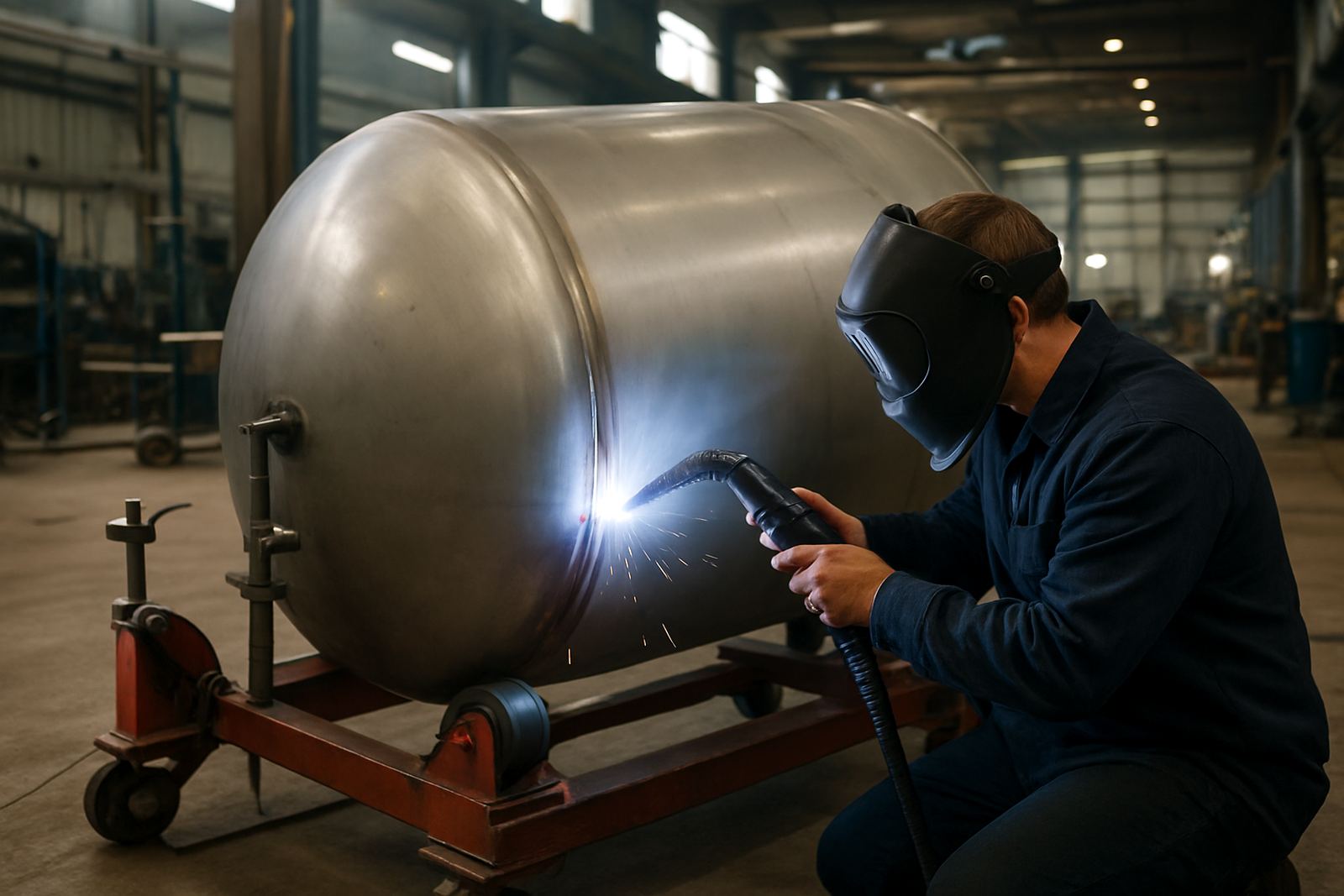
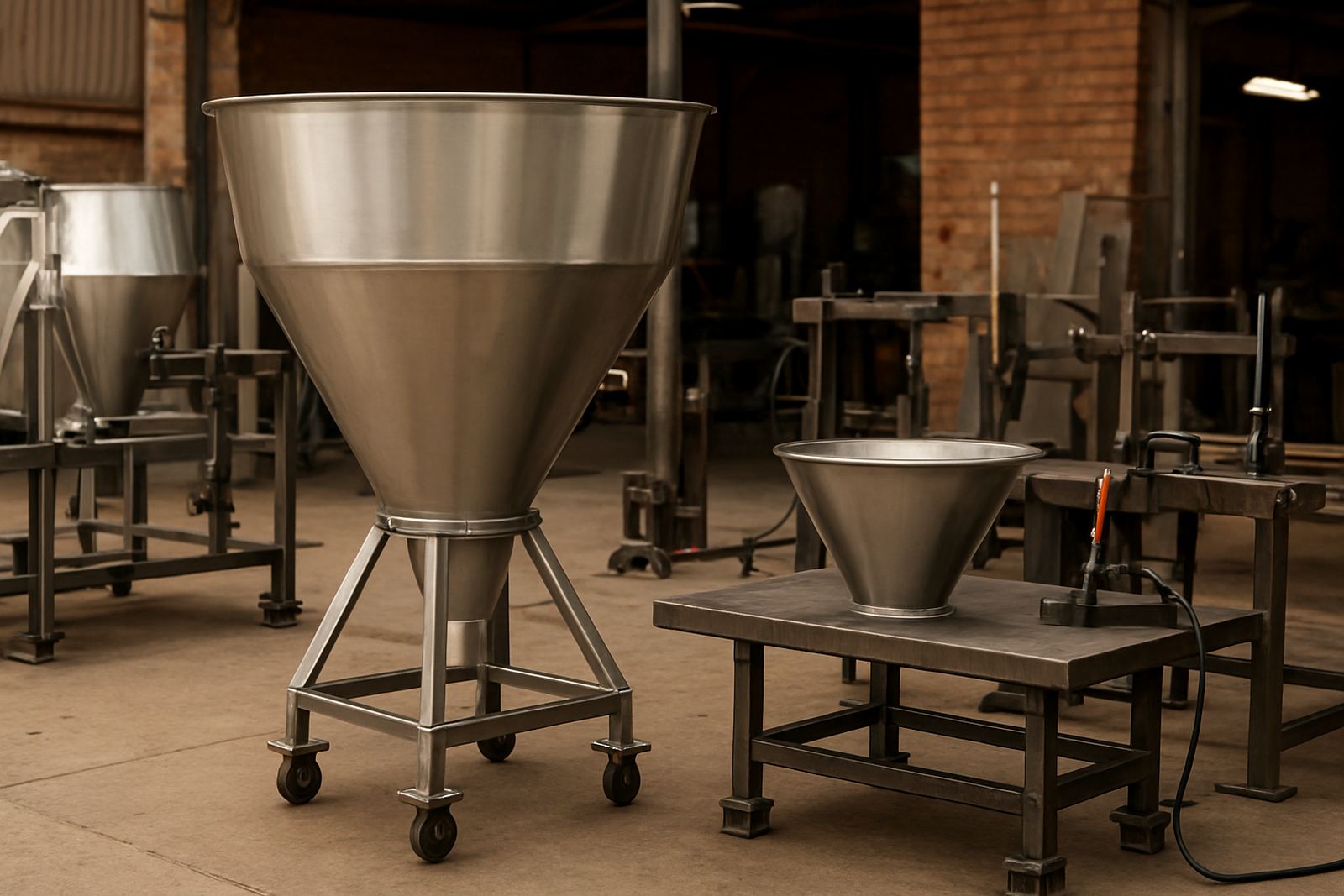
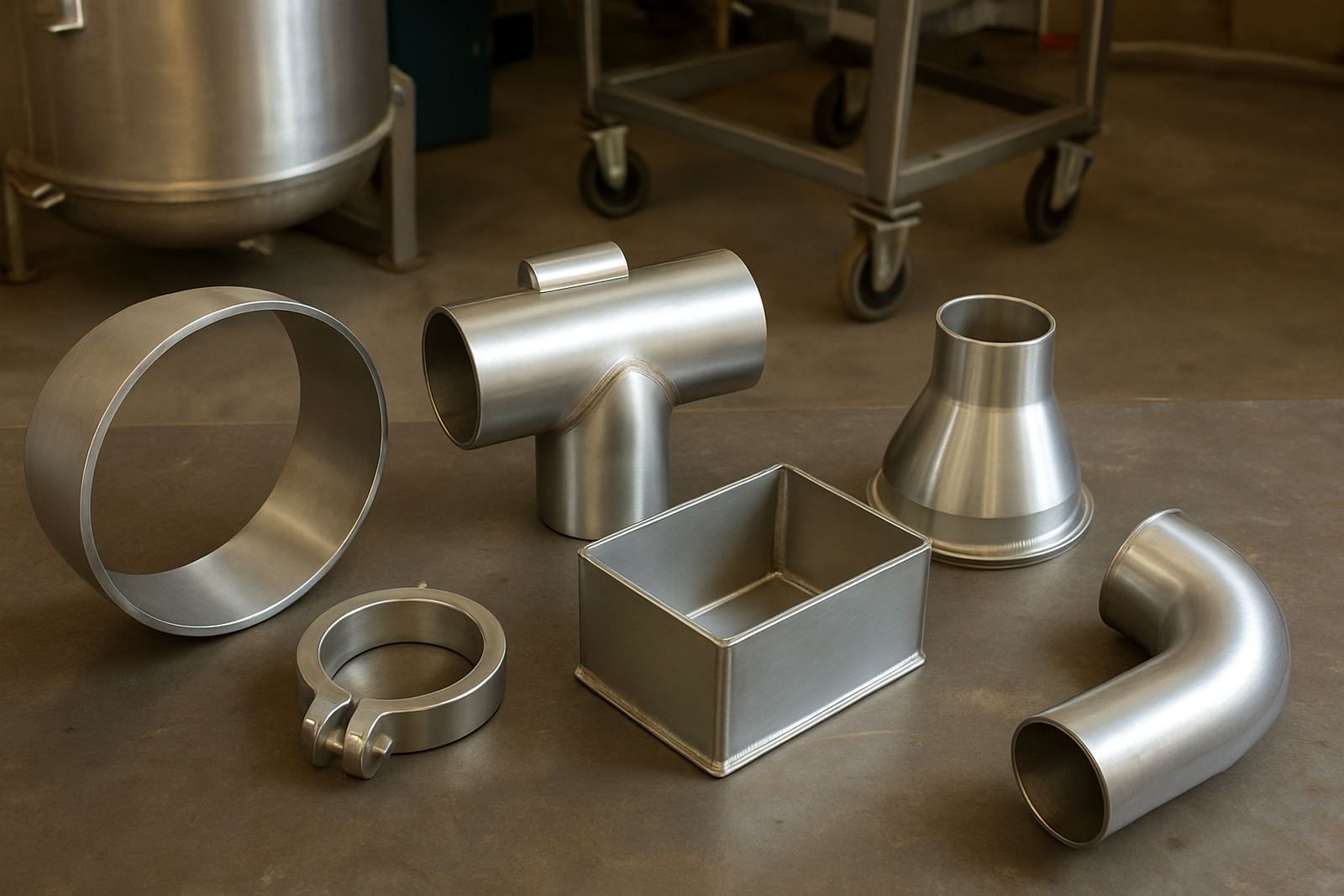
Food equipment is judged on first look and on how it cleans up after a shift. Trolleys, hoppers, mixers, conveyor guards, sinks, tables and change parts all need tidy stainless welds with less grinding and less heat tint. That matters in bakeries, dairies, meat rooms and catering plants where visible surfaces must stay neat and hygienic.
For fabricators in Ekurhuleni, the usual challenge is not only the weld itself but the amount of rework that follows. Handheld fibre laser welding helps reduce distortion on thin stainless, which means fewer marks to remove and less time spent polishing the same joint twice. That is a big help when a job is due for factory acceptance and the client wants a clean finish before installation.
Typical workshop setup for food equipment jobs
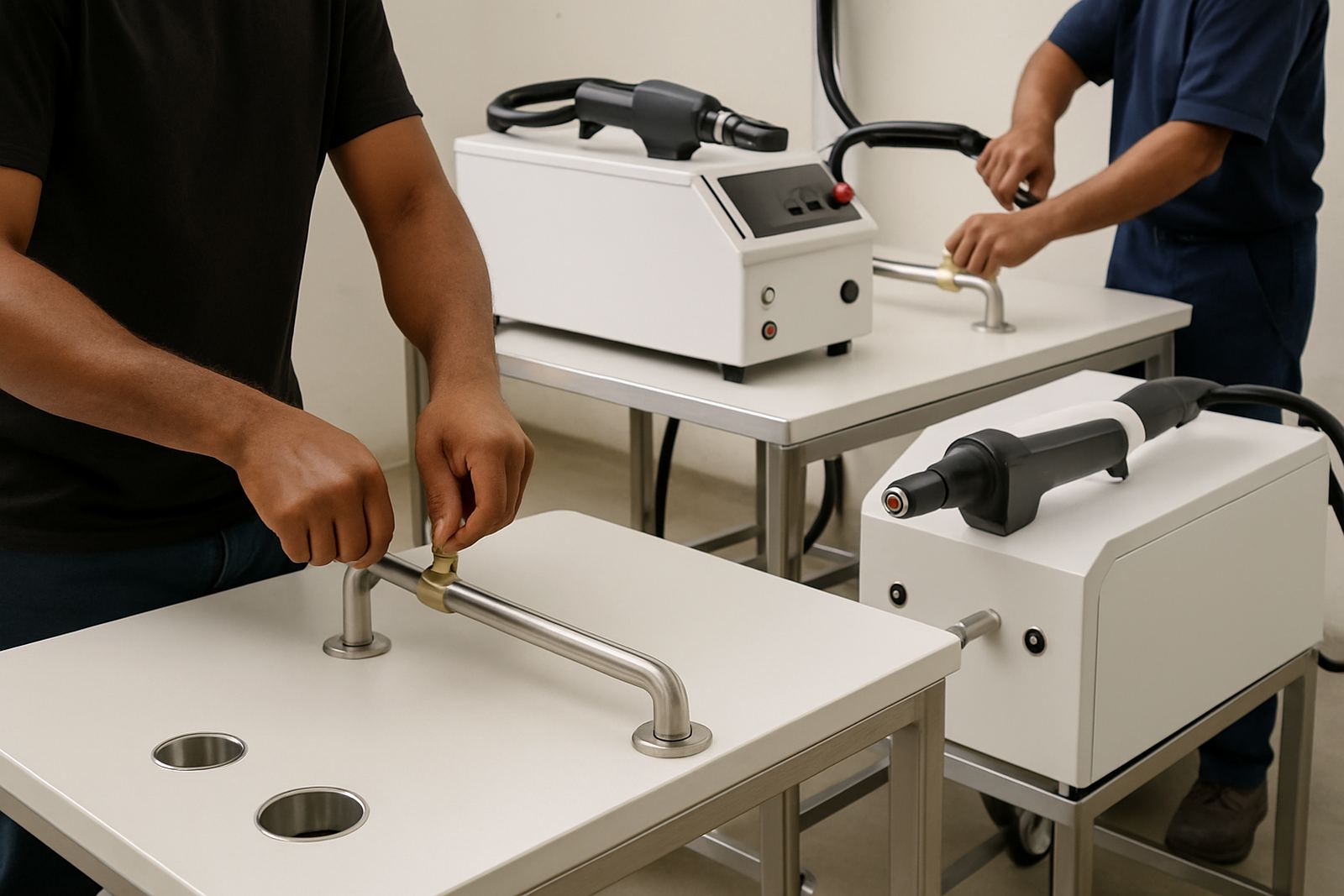
A food equipment shop usually works with 1.0 mm to 3.0 mm stainless sheet, tube frames, cladding and small sections. A practical setup includes the handheld laser welder, wire feed where needed, a chiller, shielding gas, cleaning tools and jigs for repeat parts. Many workshops in Spartan, Isando and Jet Park also keep a dedicated stainless prep bay so mild steel dust does not contaminate food grade work.
- Welders for thin stainless and small fabrication runs
- Holding jigs for tables, frames, sinks and guards
- Dedicated stainless brushes, clamps and prep tools
- Extraction or local fume control for indoor bays
- Stable power supply for load-shedding planning
If your site runs on generators or changeover systems, it is worth checking voltage stability before commissioning. A machine that performs well in a demo can still struggle if the supply is dirty, or if the workshop is sharing power with grinders, polishers and compressors.
Layout planning that saves time on the shop floor
Food equipment production works best when cutting, fit-up, welding and final cleaning are close together. Keep stainless jobs away from carbon steel grinding and give the welder enough space to move around long frames and awkward corner pieces. In Kempton Park and nearby industrial areas, many shops lose time because finished parts have to be carried across a crowded floor just to reach a cleaner bench.
Think about workflow before buying more kit. A small shop may only need one welding station, one prep table and one cleaning area. A larger fabrication floor may need a dedicated bay for trials, a separate bench for small repair work and a protected area for finished product. That reduces handling damage and helps keep welds consistent from one operator to the next.
Common mistakes on food grade fabrication jobs
Many welding problems start long before the trigger is pulled. Poor fit-up, dirty edges, mixed materials and wrong clamping all lead to rework. A common issue in food equipment is using the same tools on mild steel and stainless, then wondering why the finish stains later. Another one is rushing through a joint because the delivery date is tight, then spending an extra two hours on cleanup.
- Using contaminated stainless from shared handling tools
- Skipping surface prep on visible welds and corners
- Running parts with gaps that are too large for the joint
- Poor gas coverage near edges, holes or open seams
- Ignoring operator training and relying on trial and error
We often see fabricators in Alberton, Germiston and Boksburg improve quickly once the team gets proper setup guidance. The machine is only one part of the result, the rest comes from fit-up, settings and a repeatable process.
Budget ranges for food equipment workshops
Budgets vary depending on whether you are adding a single handheld unit for light production or standardising several bays. For smaller food equipment shops, a practical entry point is quoted per job for a usable setup with support items. Mid-size fabrication teams are quoted per job when they need better throughput, commissioning and operator training. Ask for a quote
For higher-volume environments, where the workshop is producing multiple stainless assemblies every week, budgets can move beyond a quoted price once you include process rollout, spares planning and preventive maintenance. That said, the real question is not only purchase price, but how many hours of grinding, polishing and rework you remove from each job. Over a month that can add up fast, especially when labour is tight and power cuts interrupt production. Ask for a quote
Demos, training and support across South Africa
Laser-Welder works with fabricators from our Spartan base in Kempton Park and through shop demonstrations nationwide. We support commissioning, operator training, process optimisation, preventive maintenance, breakdown response, spares supply, consumables support, remote help, weld testing, production rollout and refresher training. If your team is in Edenvale, Jet Park or further afield, we can plan a demo at your fabrication shop and show how the process suits your own parts.
For food equipment work, that local testing matters. A rail, tray, tank section or guard can behave very differently from one shop to the next, depending on material thickness, edge prep and the amount of finishing expected. A hands-on demo gives your team a proper look at speed, finish and handling before you commit to a production change. It also helps identify if your current layout needs a small adjustment, or a full process change.