When conveyor parts need cleaner welds than TIG can give
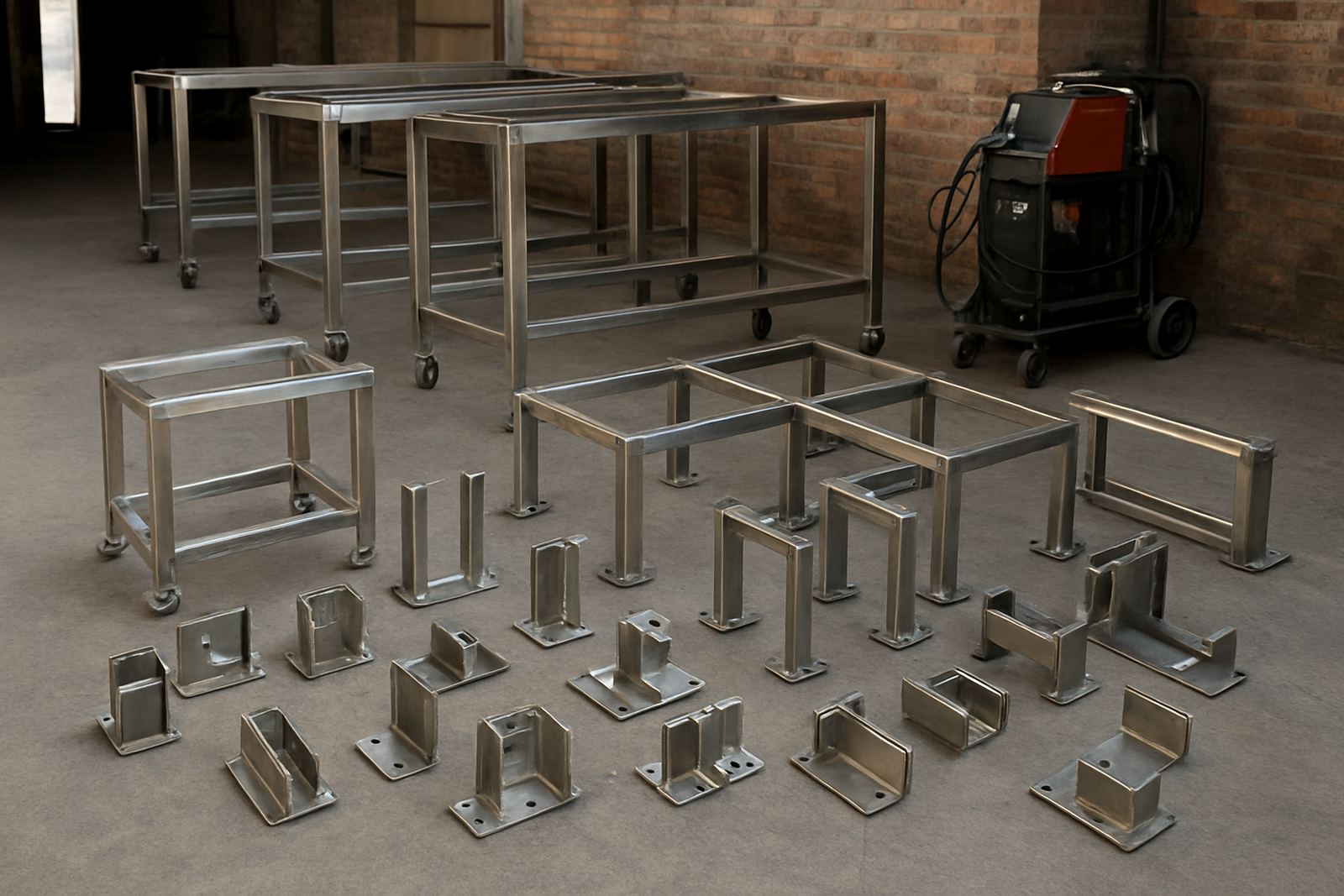
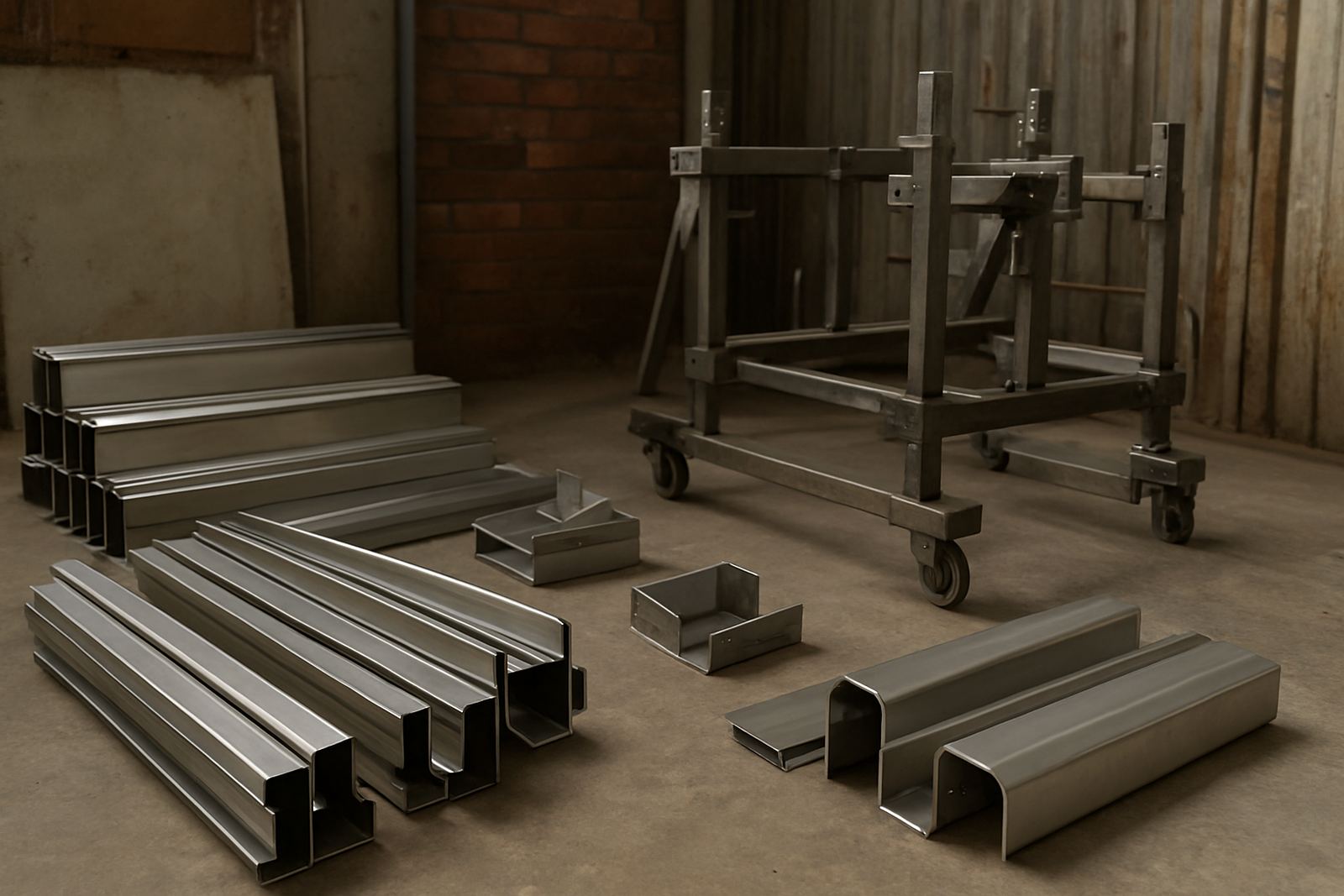
Many stainless conveyor jobs start with the same problem: too much time spent dressing welds after fabrication. On component runs such as side guides, guard panels, angle frames, end caps and support brackets, the weld needs to look good and stay strong without distorting thin material. That matters when parts must line up, sit flat and move through production without snagging or contamination points.
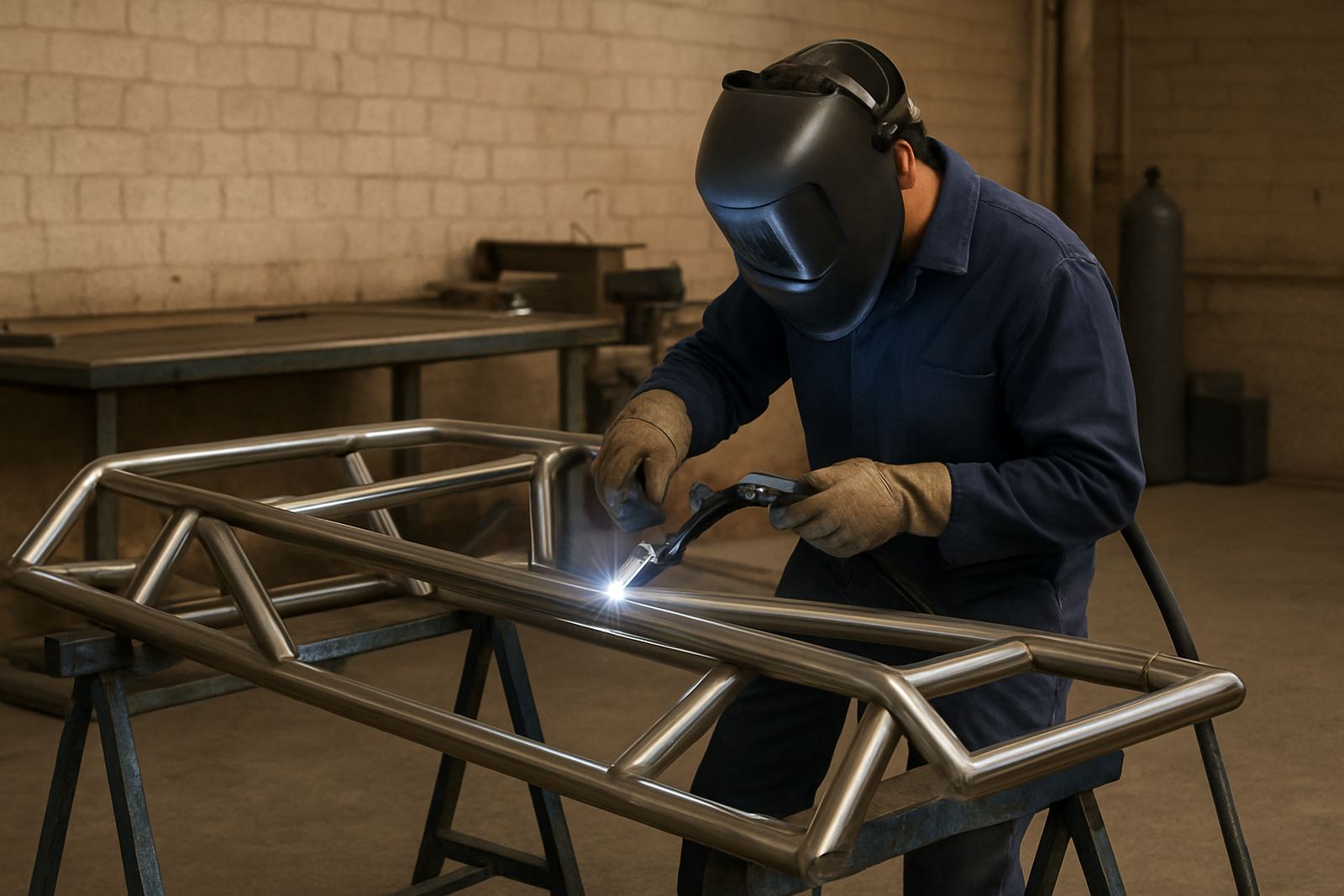
Laser welding suits this work because the heat goes into a very small area. For conveyor parts made from 1 mm to 3 mm stainless steel, the seam is usually narrow, neat and repeatable. That helps when a workshop is making 10 parts or 200 parts in a batch. It also helps in food, beverage, packaging and handling plants where weld finish is checked closely and maintenance teams do not want rough edges trapping dirt.
In Ekurhuleni and other industrial areas, fabricators often work under load-shedding pressure, with jobs needing to move quickly between power windows. A handheld fibre laser welder gives a shop a practical way to keep output moving on smaller conveyor parts without setting up long post weld finishing cycles.
Typical setup for conveyor fabrication shops
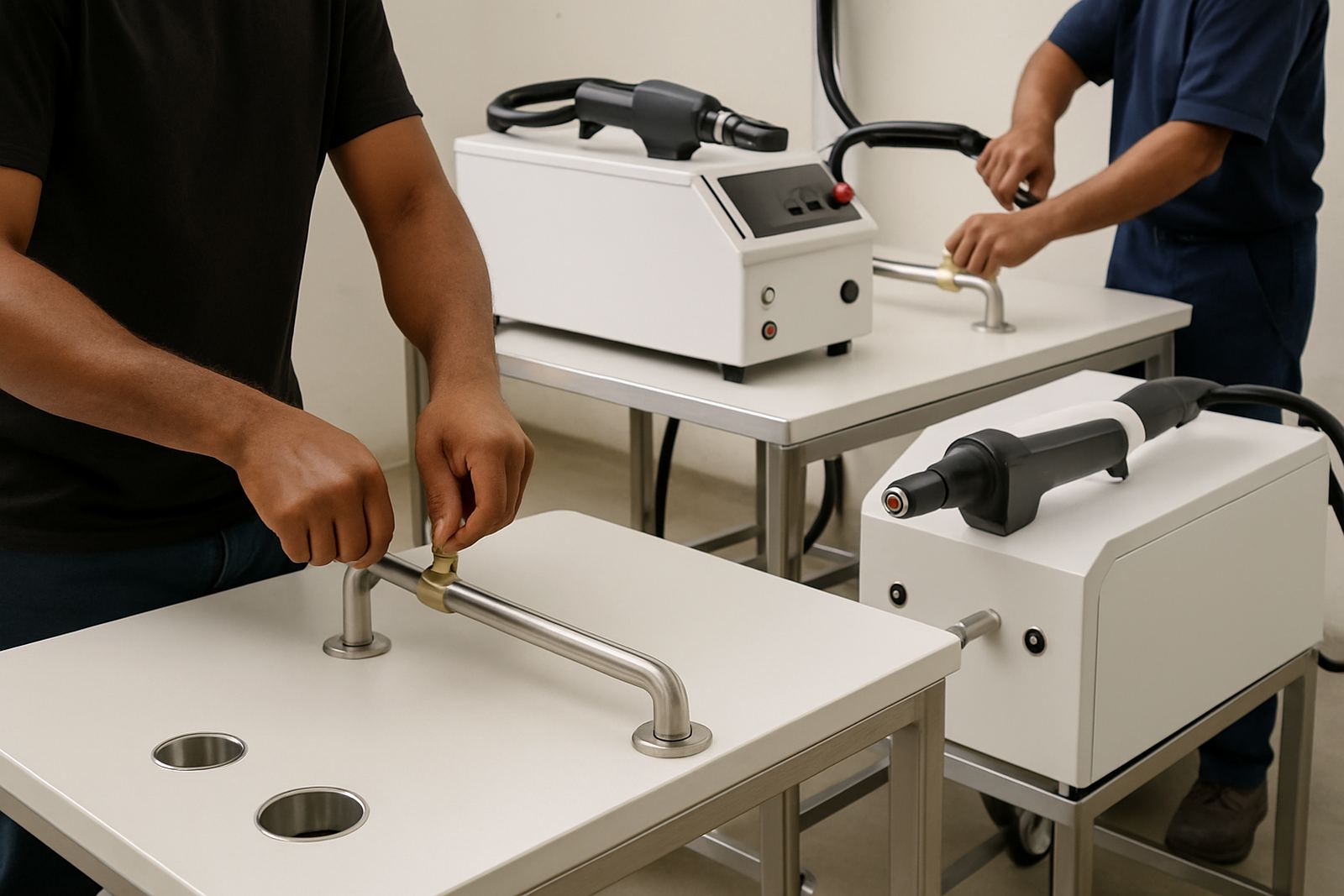
A practical conveyor parts setup usually includes the handheld fibre laser welder, suitable stainless wire where needed, clean clamping fixtures, basic surface preparation tools and proper eye protection. For thin stainless seams, the operator often works with tight fit-up and can weld joints that would otherwise need more filler and more heat input. If parts are repetitive, simple jigs make a big difference to speed and consistency.
- Handheld fibre laser welder for seam welding and tack control
- Dedicated stainless fixtures for frames, covers and guard parts
- Wire feed option for gaps, corner joints and added reinforcement
- Extraction and good airflow for fume control in the workshop
- Stable power supply planning for load-shedding and voltage dips
- Basic inspection tools for checking bead width, alignment and finish
For shops in Spartan, Kempton Park, Isando or Jet Park, workshop space is often limited so the layout must allow parts to move in one direction. Raw cut material, prep area, welding bench and inspection should not be scattered all over the floor. A small but organised cell usually works better than trying to weld in a cramped general bay.
Layout and planning advice before the first weld
Before buying equipment, it helps to map the parts that are actually being welded. A conveyor fabricator may have a mix of simple tray supports, access doors, brackets, roller housings and full frame sections. Not every job needs the same power level or the same fixture set. Start with the most common stainless parts and look at thickness, joint type and how often the part repeats.
Laser welding works best when fit-up is controlled. If joints have large gaps, poor squareness or dirty mill scale, the operator will spend extra time correcting problems that should have been fixed during cutting and prep. Plan for clean stainless surfaces, proper clamping and a logical sequence from tack to finish. That way the weld process stays fast and the job does not drift into rework.
It also helps to decide who will be using the machine. Some workshops want a trained operator for every shift. Others prefer one experienced person handling critical seams while a second team member does preparation and loading. Laser-Welder works with fabricators on demos and welder training at shops nationwide, so the setup can be matched to the real production flow not just the brochure spec.
Common mistakes on conveyor component jobs
One common mistake is assuming laser welding will fix poor preparation. It will not. If the part is oily, warped or badly gapped, the weld quality suffers. Another mistake is using the same settings across every stainless part. Thin covers, brackets and structural frames behave differently and need the process to be tuned for each job.
Fabricators also sometimes underestimate the need for training. A handheld system is easier to learn than many older welding methods, but it still needs discipline around speed, angle and overlap. If the operator moves too slowly, the joint overheats. If they move too fast, the bead may not fuse properly. That is where refresher training and process optimisation pay off.
- Do not skip surface cleaning on stainless parts
- Do not rely on poor clamp-up to hold a joint straight
- Do not use one setting for every thickness and seam type
- Do not ignore extraction and workshop ventilation
- Do not delay preventive maintenance until the machine starts failing
In coastal areas like Durban or Port Elizabeth, humidity can also affect storage and handling of stainless stock and consumables. In inland areas dust and grinding residue become the bigger issue. Either way, a clean welding area and sensible maintenance schedule make a real difference to output.
What conveyor fabricators usually budget in Rand
Budget depends on part size, production volume and whether the machine will be used for light bracket work or more regular seam welding on larger assemblies. For many stainless conveyor shops, the question is not only purchase price but total running cost, including training, gas, wire, service and lost time from rework. A shop doing frequent repeat jobs can often justify the machine faster than a workshop only doing occasional repairs.
As a practical guide, smaller handheld laser welding setups for conveyor component work can start around the lower six figures, while more capable systems with better output control and process support move higher. For a fabricator looking at serious day to day use, planning should also include commissioning, operator training and an allowance for spares and consumables. It is better to budget properly up front than to try and fix a production bottleneck later.
For many Ekurhuleni workshops, the value is in saved labour. Less grinding, fewer distortion issues and shorter finishing time can free up staff for other jobs. On repeated conveyor parts, those savings add up quickly over a month. If the work is mostly stainless, especially food grade or washdown components, the cleaner finish can also reduce complaints from end users and installers.
How Laser-Welder supports conveyor part production
Laser-Welder works from Spartan, Kempton Park and supports fabrication shops across South Africa with demonstrations, machine commissioning, breakdown response, preventive maintenance and refresher training. For conveyor parts, that means the machine can be set up around the actual seams a workshop produces, not just a sample plate. The team includes Wynand Oosthuizen, Tshegofatso Ramaboa, Gert Wessels, Ayanda Mthembu, Reuben Daniels and Sindisiwe Makhado, so support covers sales, training, applications and service in a practical way.
Many clients start with a shop demonstration on real parts, then move into weld testing and production rollout once the team is satisfied with the seam quality. That is usually the right approach for conveyor work because fit-up, thickness and finish requirements can vary from one customer job to the next. If a shop needs help with a tricky seam or a repeat problem, remote help can also be used to save time before a technician is called in.
For enquiries, clients should use the enquiry form on the contact page. From there, the team can advise on commissioning, operator training, process optimisation and the best machine fit for conveyor components. The aim is simple: cleaner stainless welds, better repeatability and less time lost on rework.