When tube frames need accuracy, not heat
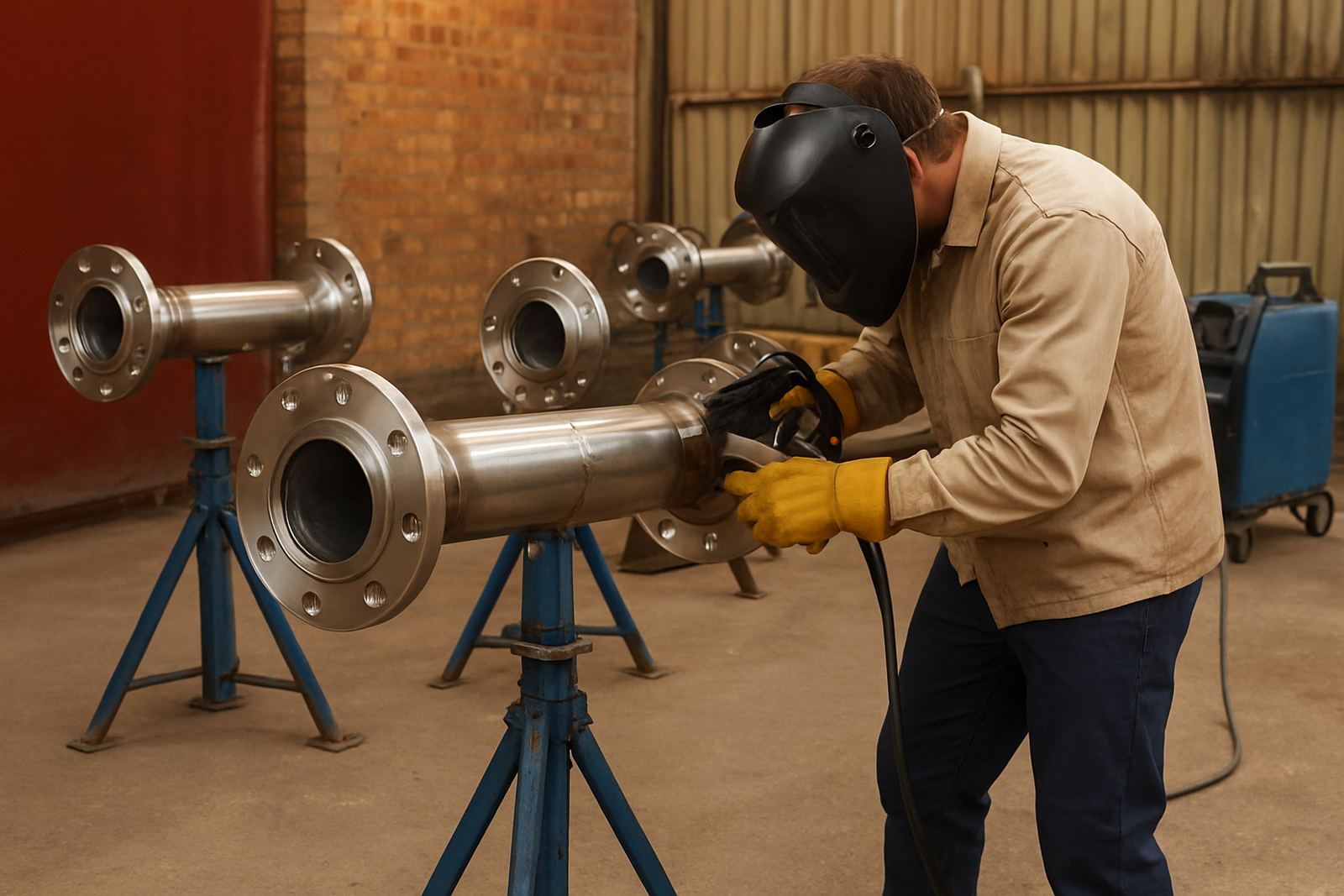
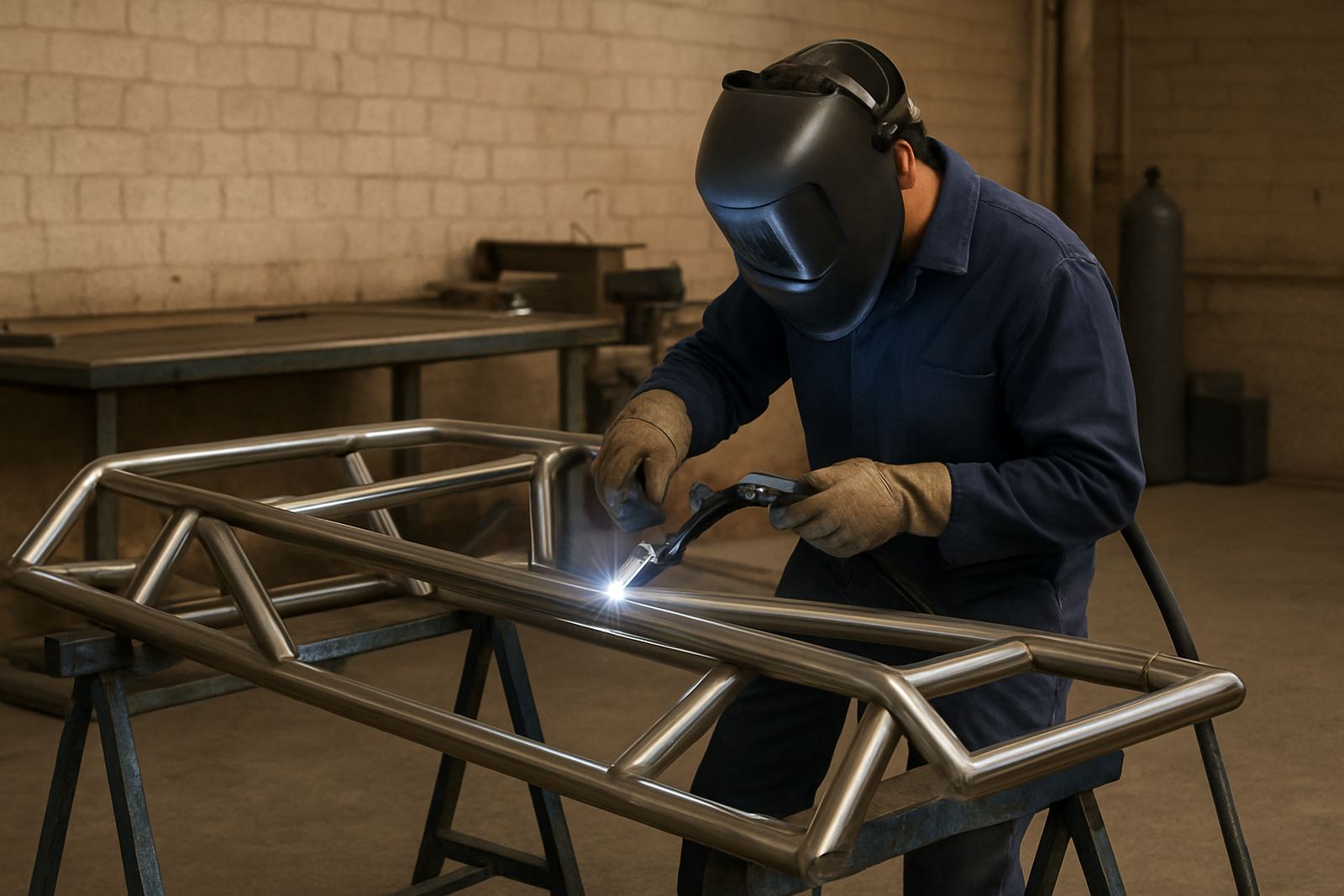
Tube frames for stainless steel equipment, guards, trolleys, cabinets and support structures often look simple on paper, but they can move quickly under heat. A conventional process can leave extra grinding, more clean-up and a higher risk of pulling square corners out of line. Handheld fibre laser welding is a practical fit when the job calls for neat seams, tight joints and controlled distortion.
For fabricators in Spartan, Kempton Park, Isando and Jet Park, this is especially useful on repeat frame work where each unit must match the one before it. The process helps keep joints crisp on square tube, round tube and mixed assemblies, and it can reduce the amount of rework needed after fit-up. That saves time in the bay and helps keep delivery dates realistic when orders stack up.
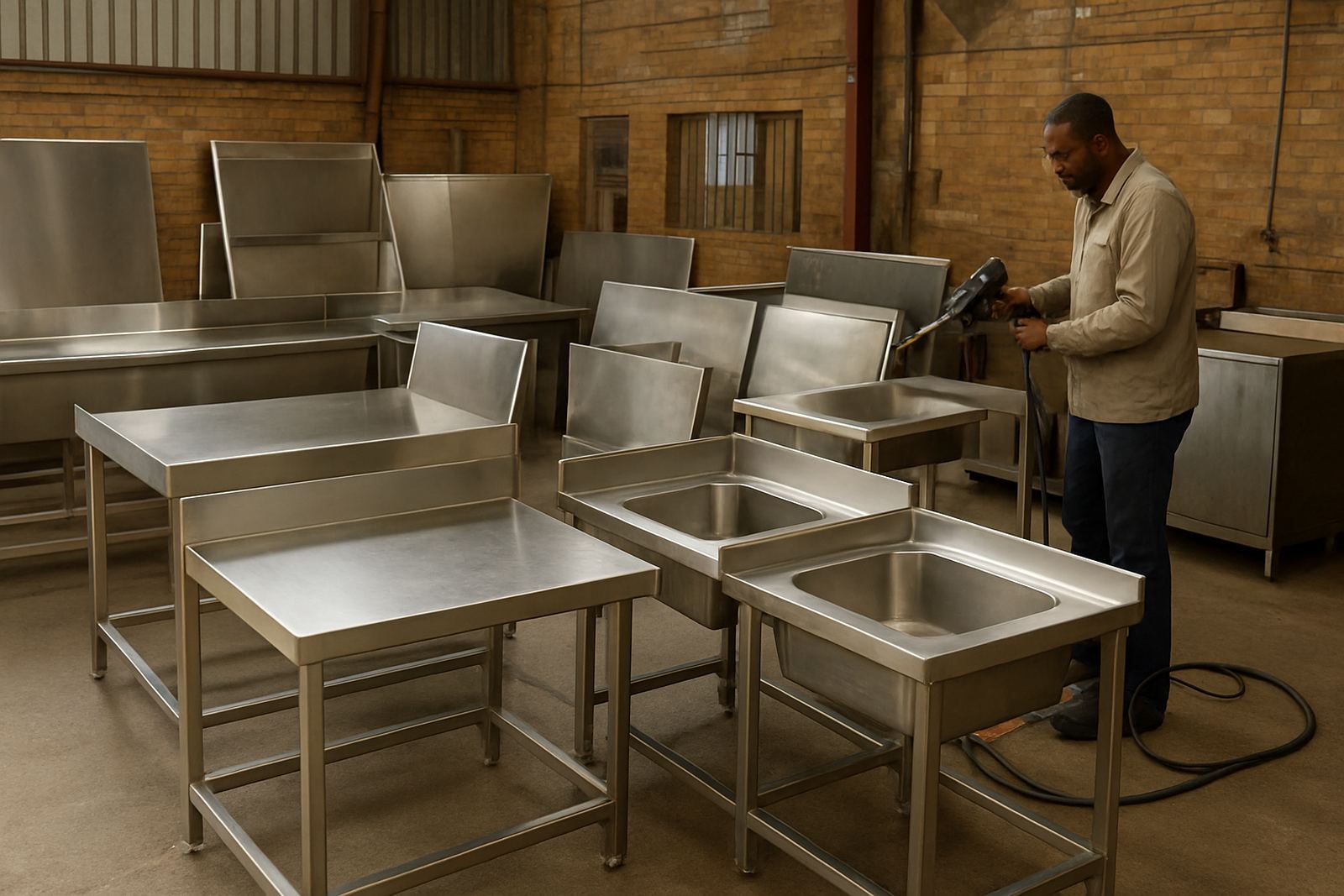
It also helps on site jobs where a full welding bay is not available. If you are building stainless frames for food handling, light industrial or clean-room type use, the finish and consistency are easier to control when the heat affected zone is smaller. That matters when the customer wants neat corners without excessive dressing afterwards.
Typical equipment set for tube frame work
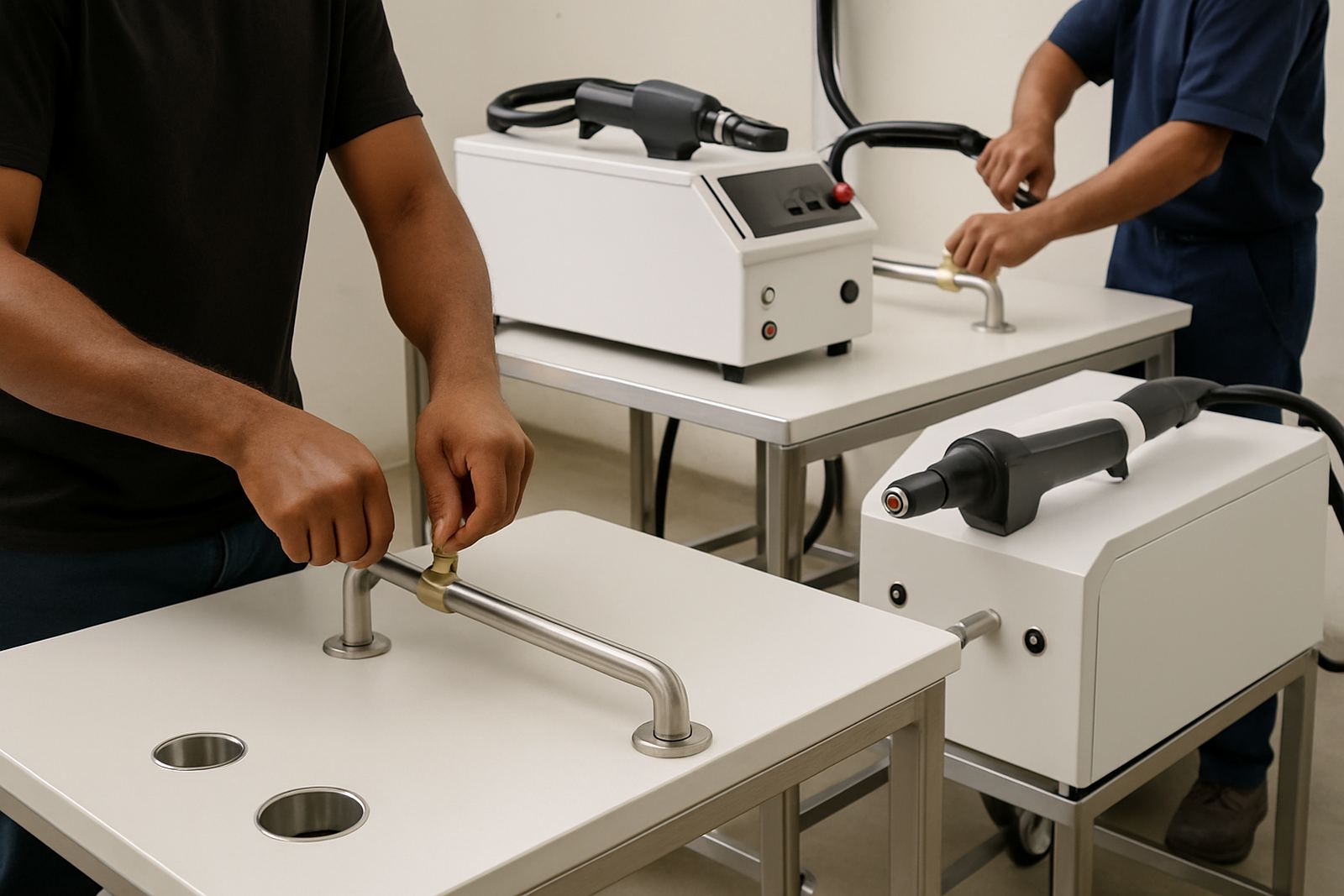
The exact setup depends on material thickness, joint type and production rate, but a tube frame operation normally needs more than the handheld welder itself. Good fixturing, clean material prep and the right safety controls make a big difference to the result. In many shops, the machine is paired with a dedicated workstation for measuring, clamping and tack-up before welding starts.
Typical items in the setup include:
- Handheld fibre laser welding unit with suitable output for stainless tube work
- Water cooling system where required for longer duty cycles
- Protective eyewear and laser-safe work controls
- Clamps, squares, magnets and locating jigs for repeat frame geometry
- Stainless wire feed or filler support where the joint design needs it
- Extraction or ventilation for fume control in enclosed workshops
For most tube frame jobs, the key is matching the machine power to the material range. Thin-wall stainless tube needs fine control, while heavier sections call for more output and a steadier travel speed. We often see workshops near Germiston and Boksburg trying to use one setting for every job, and that usually leads to uneven welds or too much heat input.
Planning the bay before the first weld is struck
Good planning keeps tube frames straight. Before production starts, decide how parts will be cut, cleaned, clamped and checked. If the frame is for a customer in a regulated environment, such as food processing or medical handling, the finish requirements should be agreed upfront so there is no argument later about weld appearance or cleanability.
In a practical shop layout, the flow should move from cut and prep, to fit-up, to welding, then to inspection and packing. Leave enough space around the station for the operator to work on all sides of the frame without lifting and turning it too many times. That is especially important on larger frames for conveyor supports, equipment stands and chassis type assemblies.
- Keep tube lengths racked and labelled by job number
- Use a flat reference table to hold corners in square
- Separate clean stainless stock from carbon steel offcuts to avoid contamination
- Set a fixed inspection point for corner alignment and weld finish
- Allow enough clearance for the laser head and hand movement on inside corners
Load-shedding also needs to be part of the planning. If your site in Edenvale or Alberton has unstable power, a backup strategy for cooling, lighting and compressed air helps avoid half-finished work and time lost resetting the job. In coastal areas, humidity can affect storage and handling too, so stainless stock should be kept dry and covered where possible.
Common mistakes that slow down tube frame production
The biggest mistake is poor fit-up. If tube ends are not cut cleanly or the corner gap changes from one joint to the next, the operator ends up chasing the fit with extra heat. That reduces the benefit of laser welding and can leave the frame looking uneven. Even a small alignment problem can show up clearly on finished stainless.
Another common issue is overconfidence with speed. Yes the process is fast, but the operator still needs to control travel angle, focus position and overlap on corners. Rushing through a mitred joint can leave a weak corner or an unattractive seam. We also see shops forgetting to clean mill scale, grease or marking ink from tube ends before welding. That contamination can affect consistency and make the weld harder to finish.
A few things to avoid:
- Using the same setting for thin and thick tube
- Welding without proper clamping or a square reference
- Skipping trial joints on a new frame design
- Leaving no allowance for heat movement on long members
- Trying to weld through dirt, oil or moisture on the joint
For teams that are new to the process, refresher training and weld testing help a lot. A short session on correct handling can prevent weeks of wasted production, and it is much easier to fix a setup problem early than after 30 frames have already been built.
Budget ranges for tube frame projects
Budget depends on frame size, stainless thickness, production volume and whether the machine will be used on site or only in the workshop. For smaller fabrication shops in Ekurhuleni, a sensible entry point is often a unit suited to light to medium tube work, with the right accessories and training. Larger manufacturing environments may need higher output, more duty cycle and additional process support.
As a broad guide, many tube frame users should plan for the following:
- Entry-level handheld laser welding setup for light tube work: a quoted price Ask for a quote
- Mid-range setup for regular stainless frame production: a quoted price Ask for a quote
- Higher output production package with support equipment: a quoted price Ask for a quote
- Training, commissioning and process setup: usually budget separately depending on site needs
The total spend also depends on spares, consumables and maintenance planning. A workshop that runs daily in Kempton Park or Spartan will need a different support plan from a small team doing occasional custom frames. If you want the numbers to make sense, it helps to look at rework savings, faster turnaround and the reduced time spent grinding and dressing corners.
Support, training and rollout for production teams
Laser-Welder supports tube frame users with machine commissioning, operator training, process optimisation and preventive maintenance. We also assist with breakdown response, spares supply, consumables support, remote help, weld testing and production rollout. That matters when you are trying to move from one-off jobs to repeatable frame production without losing quality.
Our team works from Spartan, Kempton Park and supports shops nationwide, including demos in Isando, Jet Park, Edenvale, Germiston, Boksburg and Alberton. If you want to test how the process performs on your own tube frame designs, we can arrange demonstrations and training at your fabrication shop so your operators see the results on real parts, not just sample coupons.
For many customers the practical questions are simple: will the corner stay square, can the operator learn it quickly, and how much finishing will be left after welding? That is exactly where this process proves its value, especially on stainless tube frames where appearance and accuracy matter every day.