Pharma frame work needs tighter weld control
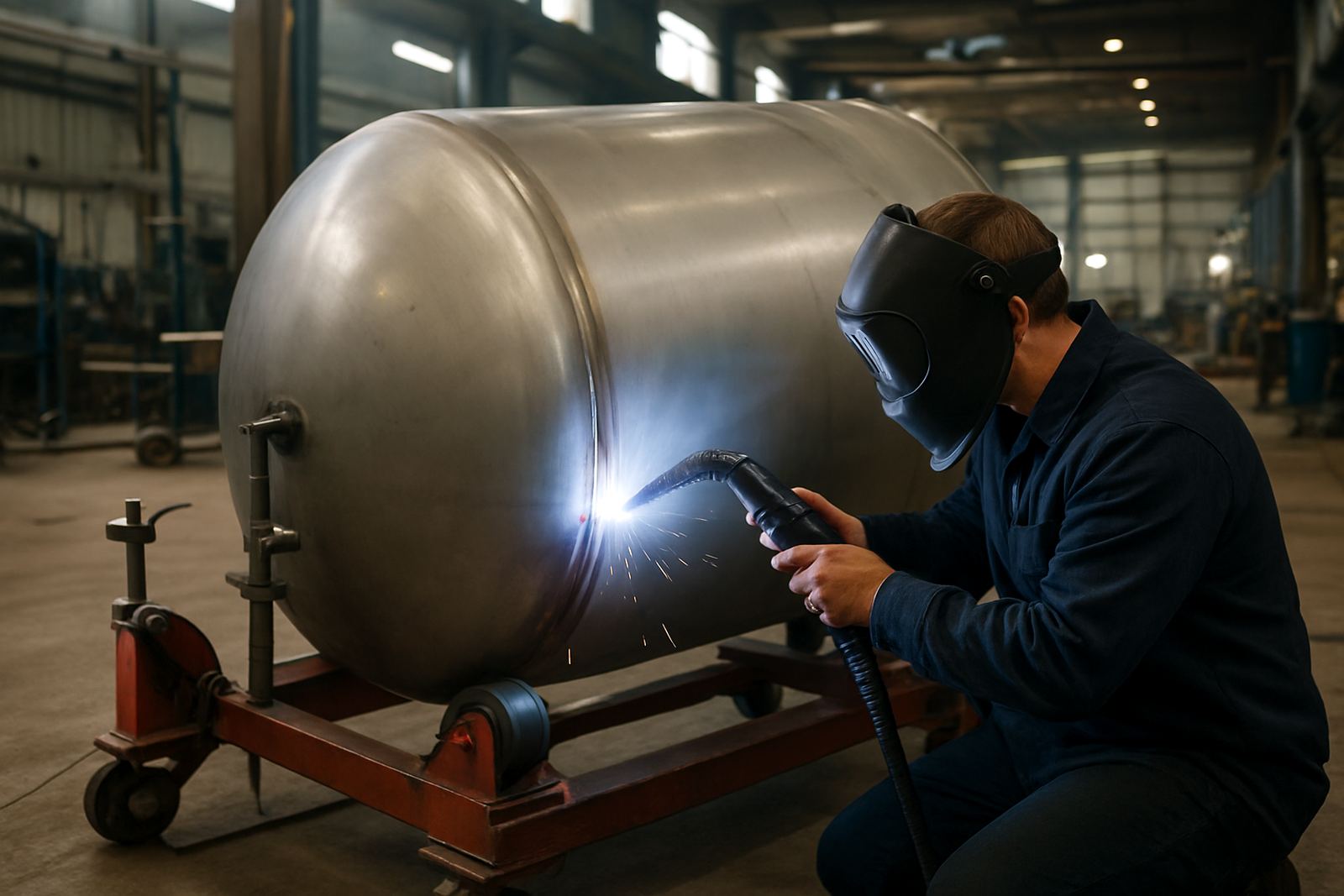
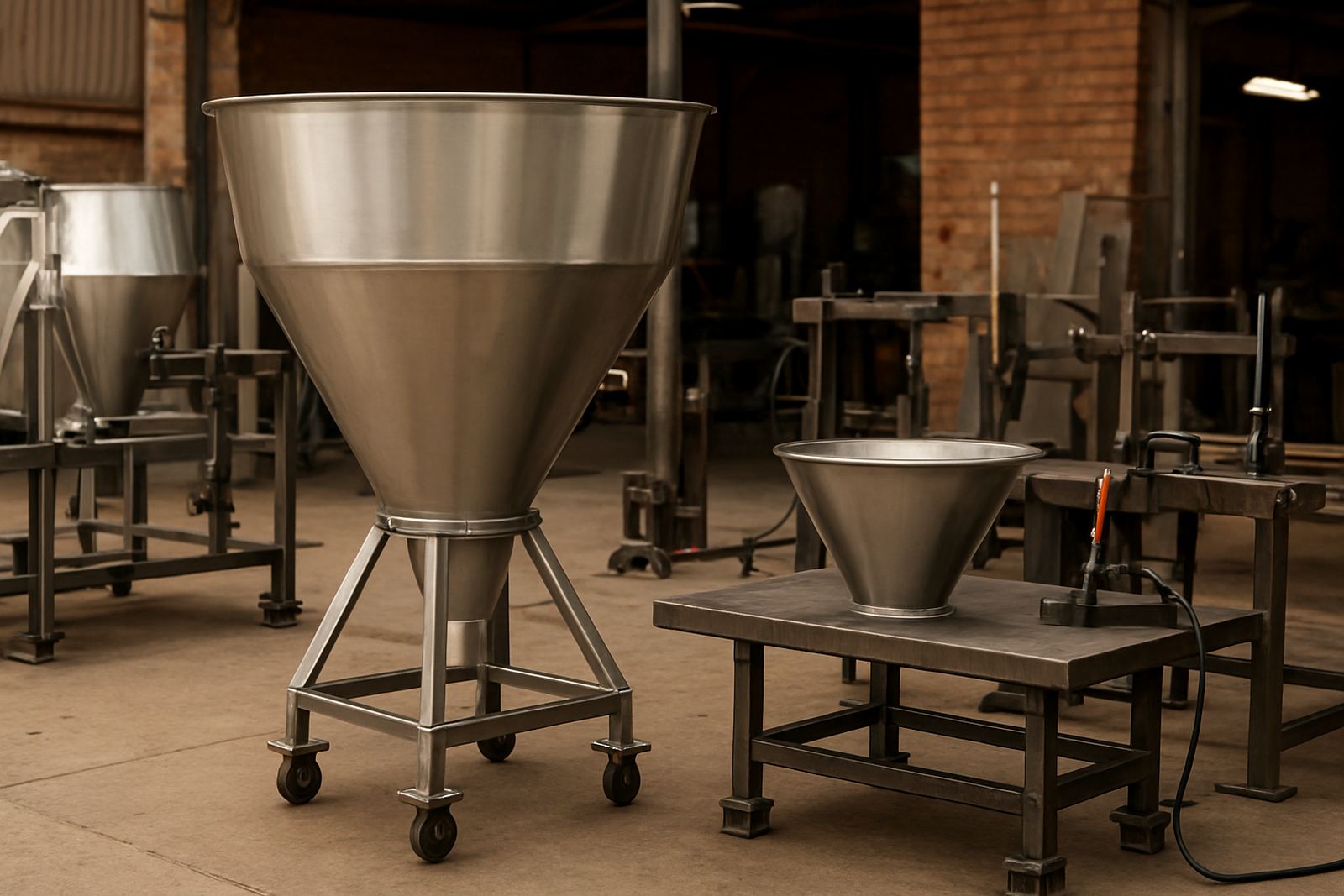
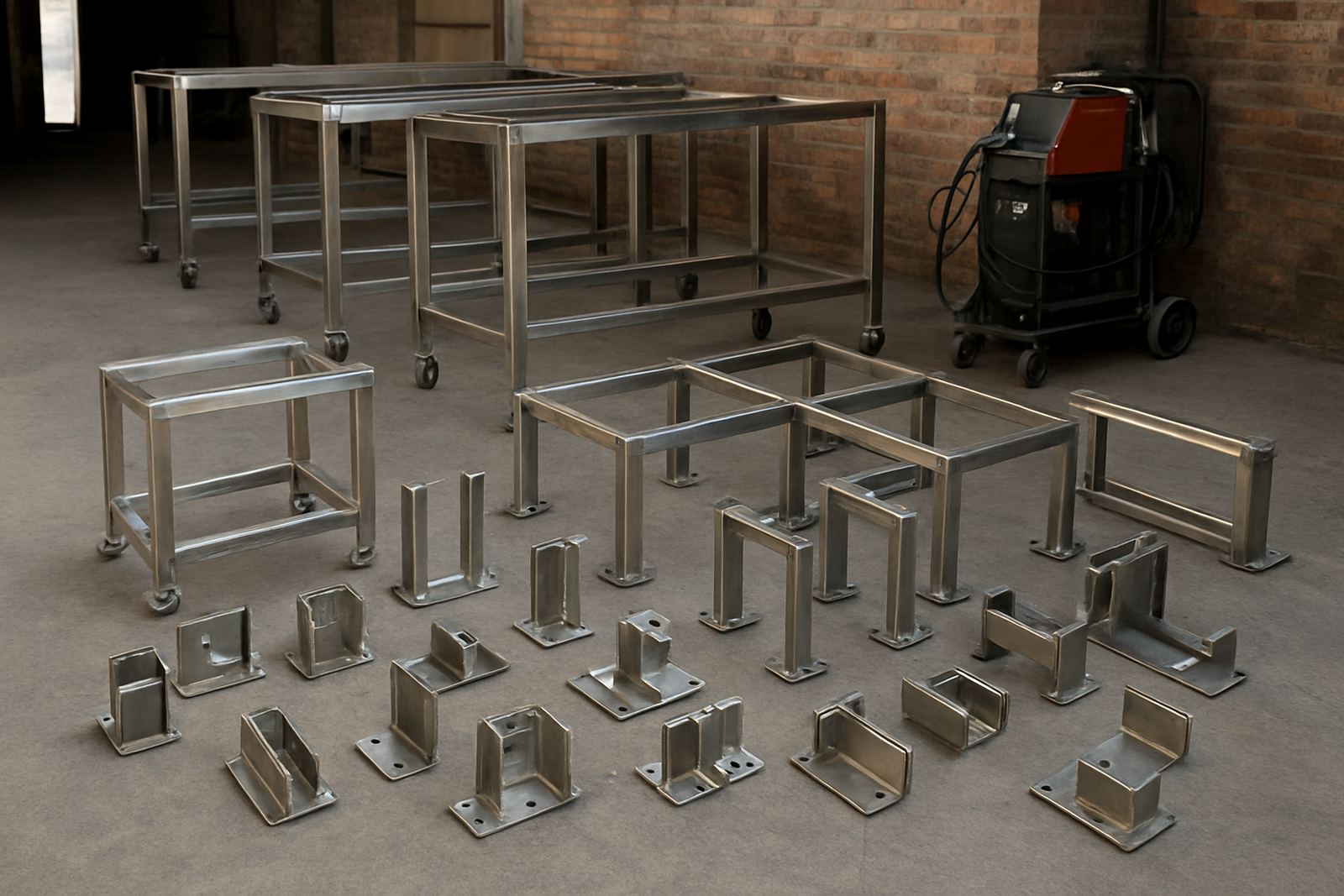
Frames for pharmaceutical rooms, clean transfer points and process support structures are usually built from stainless steel tubing, flat bar and sheet components that must sit square and stay easy to wipe down. In these jobs, the weld is not just a join, it affects hygiene, fit-up and how much dressing is needed before the frame can go into service. A handheld fibre laser welder helps fabricators in Spartan, Kempton Park and across Ekurhuleni place a narrow bead with less heat distortion, which is useful when brackets, uprights and guide rails have to line up exactly.
Most shops supplying pharma frames are dealing with short lead times, frequent drawing changes and clients who expect neat work at the first handover. Traditional processes can still do the job, but they often need more grinding and more rework. Laser welding reduces the amount of finishing required, which helps on projects where the schedule is tight and the client wants minimal downtime in the plant.
Typical equipment set for this kind of fabrication
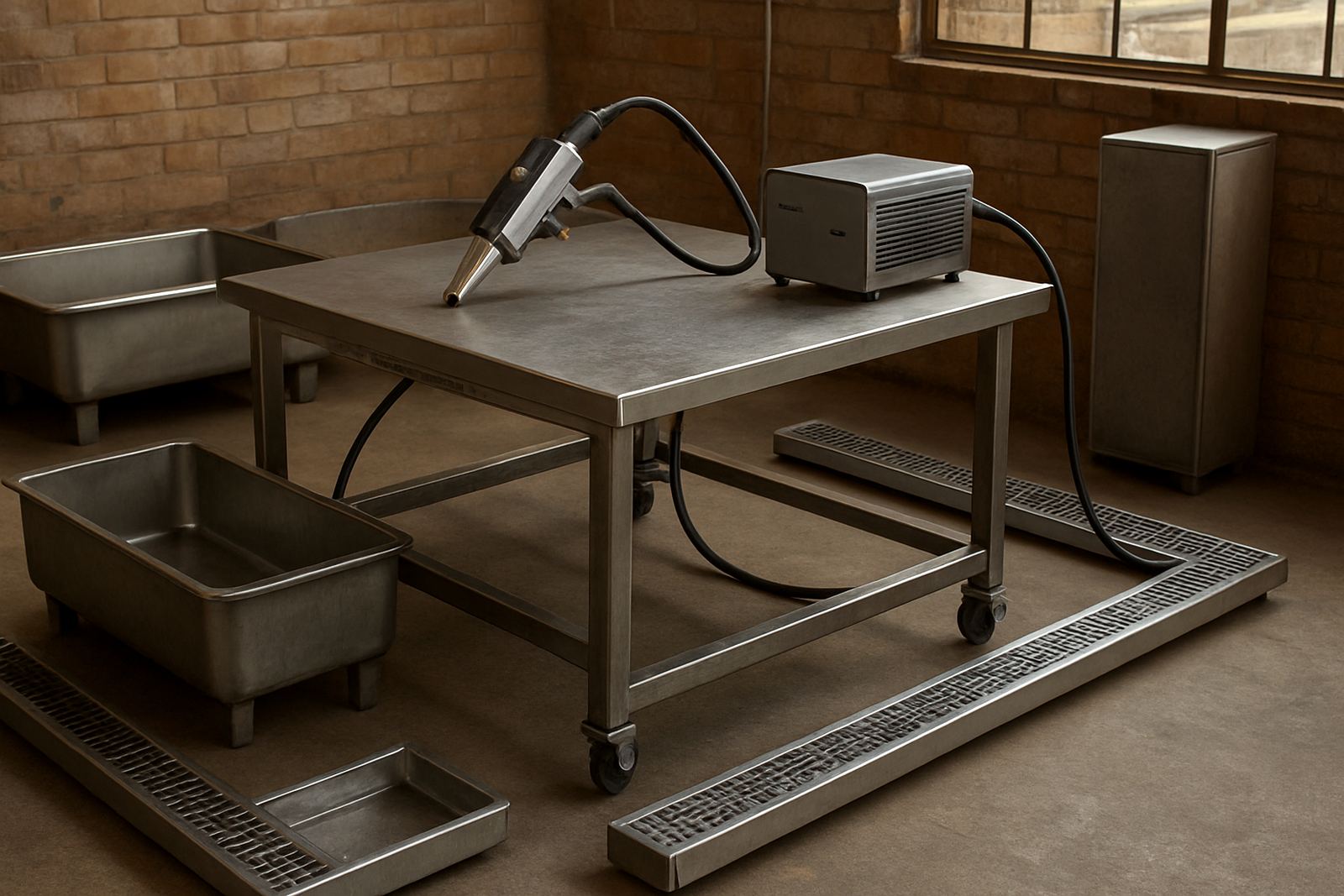
A practical setup for pharma frame work starts with the handheld fibre laser welding unit, a suitable chiller or cooling system, argon gas supply, correct nozzles, protective eyewear and a stable stainless workbench. For shops running on a mixed load, it also helps to have clean incoming power, surge protection and a plan for generator or inverter backup during load-shedding. If your team is welding thin-wall tube, 1.0 mm to 3.0 mm stainless is a common range, though some frame assemblies run heavier on base plates and support members.
- Handheld fibre laser welding unit for stainless tube, angle and plate
- Gas supply and regulators for clean shielding
- Dedicated clamping and squaring tables
- Basic weld test coupons for setup checks
- Extraction and housekeeping gear for a tidy bay
- Spare tips, lenses and consumables support for daily use
For workshops in Germiston, Jet Park or Isando, the main consideration is often floor space and airflow. The machine itself may not take up much room, but the operator needs clear access around the frame, especially when building long assemblies or working on repeat batches. Planning the bay before the machine arrives saves a lot of moving around later.
Layout advice for clean production areas
When a shop sets up for pharma frame fabrication, the best results come from keeping the welding cell simple and controlled. Place the machine where the operator can load material without crossing through other busy prep areas. Keep stainless stock separate from mild steel to avoid contamination. If the site has dust from cutting or grinding, fit a routine for cleaning before welding starts each shift, because even small particles can affect appearance and post-weld cleaning.
We usually advise a straight workflow: cut, prep, tack, weld, inspect, then pack. That sounds basic, but it prevents operators from dragging partially finished frames back and forth across the shop. On controlled production jobs, the layout should also leave room for gauges, jigs and sample parts so repeat batches stay consistent. A tidy layout is not about looks only, it cuts mistakes and saves time.
- Keep stainless-only work zones where possible
- Set a fixed position for jigs, clamps and inspection tools
- Plan cable runs so operators are not stepping over leads
- Leave space for ventilation and safe gas cylinder handling
- Mark a clean area for final wipe-down and quality checks
Common mistakes that slow pharma frame jobs down
One common mistake is buying a machine first and only then deciding where it will live. Another is underestimating how much training the team needs on torch angle, travel speed and heat input. A laser welder is straightforward once the basics are understood, but if the operator rushes the setup, the weld can still show uneven finish or poor tie-in. That means rework and extra time on the bench.
Another issue is poor fit-up. Some shops expect the process to fix gaps that are too wide or parts that are out of square. It will not. For pharma frames, the prep work still matters. Tube ends should be cut cleanly, corners should meet properly and clamps must hold the frame true. If the job is built on a warped table, the finished frame will carry that error through the rest of the assembly.
We also see shops forgetting to test real material before production starts. Offcuts from the same grade and thickness should be used for weld trials, especially on new drawings or when the client has a finish standard to meet. A short test session often prevents a long argument later.
Budget ranges in Rand for South African workshops
Budget depends on the output you need, the thickness range, and whether the machine will run on one shift or multiple shifts. For smaller fabrication shops doing occasional pharma frame work, an entry setup is quoted per job, excluding any major bay changes. Mid-range systems for regular production and better duty cycle is quoted per job. For higher-output environments, where consistency and uptime matter more, budgets can move past R1 million depending on specification and support needs. Ask for a quote
It is worth adding the cost of training, commissioning, consumables and any changes to power supply or cooling before signing off a purchase. Some clients focus on the machine price and forget the rest, then discover they still need a safe welding station, a gas plan and spare parts on hand. A proper budget should include rollout support, because a machine that arrives and sits unused is poor value, even if the quote looked good on paper.
How Laser-Welder supports pharma frame fabricators
Laser-Welder works with fabrication teams in Spartan, Kempton Park and nationwide from shop demos through to production rollout. For pharma frame work, that usually means machine commissioning, operator training, process optimisation and weld testing on real parts. If your team needs to see how the machine handles your tube sizes, bracket styles or corner joints, a demonstration at your shop is often the best starting point.
Our support also covers breakdown attendance, preventive maintenance, spares supply, consumables support and remote help where guidance is needed. That matters for workshops balancing production with client deadlines. Wynand Oosthuizen oversees the business, with Tshegofatso Ramaboa leading training, Gert Wessels on technical sales, Ayanda Mthembu handling service coordination, Reuben Daniels on applications and Sindisiwe Makhado supporting customers. If your frame work is growing, we can also assist with refresher training so new staff and changed shifts stay on the same standard.
For pharmaceutical frame fabrication, the aim is simple: keep the weld clean, keep the frame true, and keep the job moving. If you are building support frames, equipment stands or stainless structures for controlled production spaces, laser welding can help you get there with less clean-up and better repeatability.