Where wash bay fabrication gets difficult
Wash bays look simple on paper, but the fabrication side can get fiddly fast. You are often joining stainless channels, box sections, tray edges, drain surrounds, splash guards and support frames in tight areas where access is awkward. If the weld profile is too wide or the heat is too high, you end up with distortion, burnt marks and extra grinding that slows the whole job down.
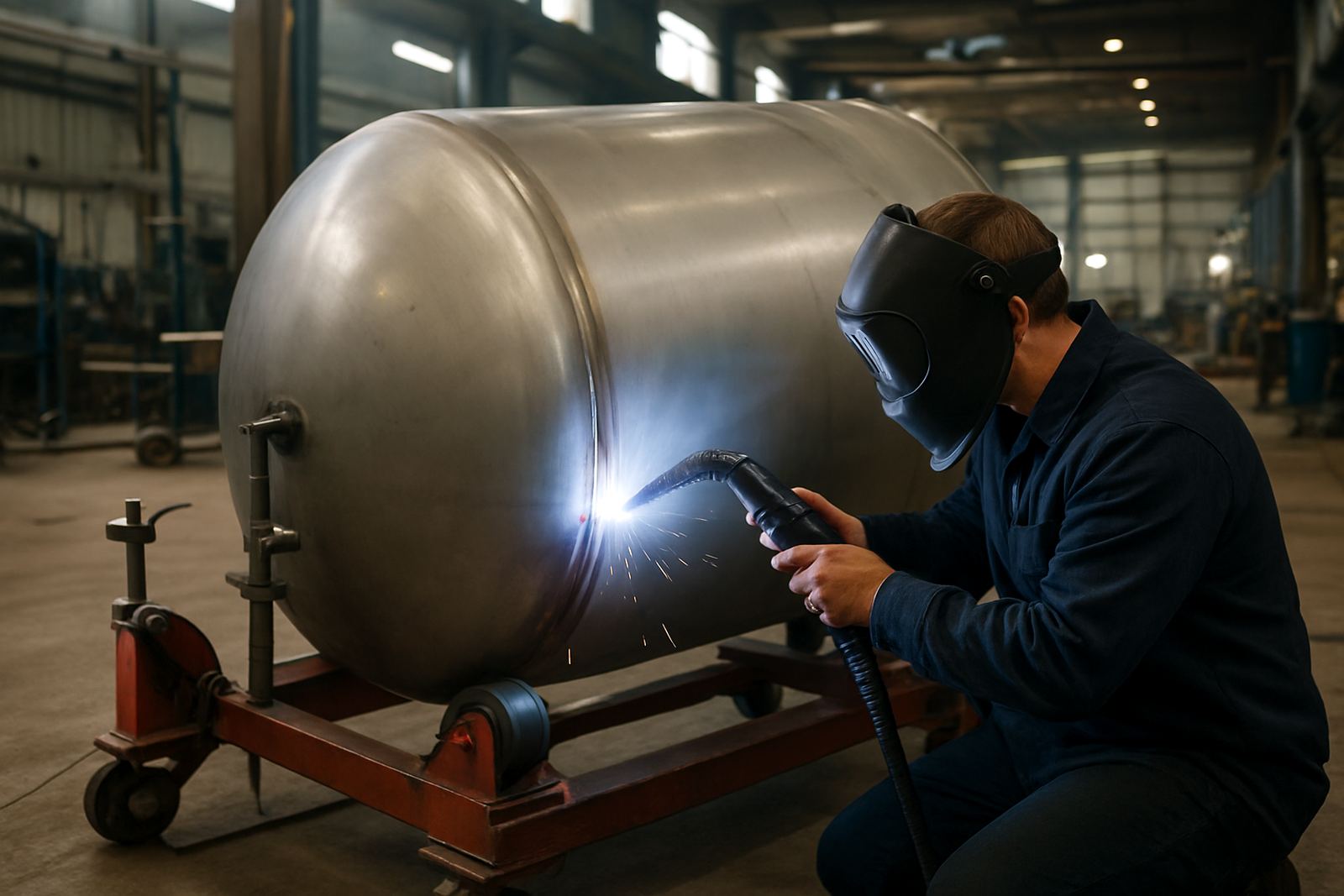
That is where handheld fibre laser welding helps. It gives a narrower heat-affected zone than many conventional methods, which is useful on thin stainless and visible parts. For fabricators doing wash bays for food plants, commercial kitchens, vehicle bays or industrial cleaning areas, the aim is usually the same: clean joins, less rework and a finish that can move to fitting out without long delays.
In Spartan, Kempton Park and across Ekurhuleni, many shops are under pressure to complete jobs quickly because site dates are tight and trades need to follow one another. A welder that is easy to learn and repeatable can make a real difference when the same type of bay comes through again and again.
Typical stainless wash bay components we see
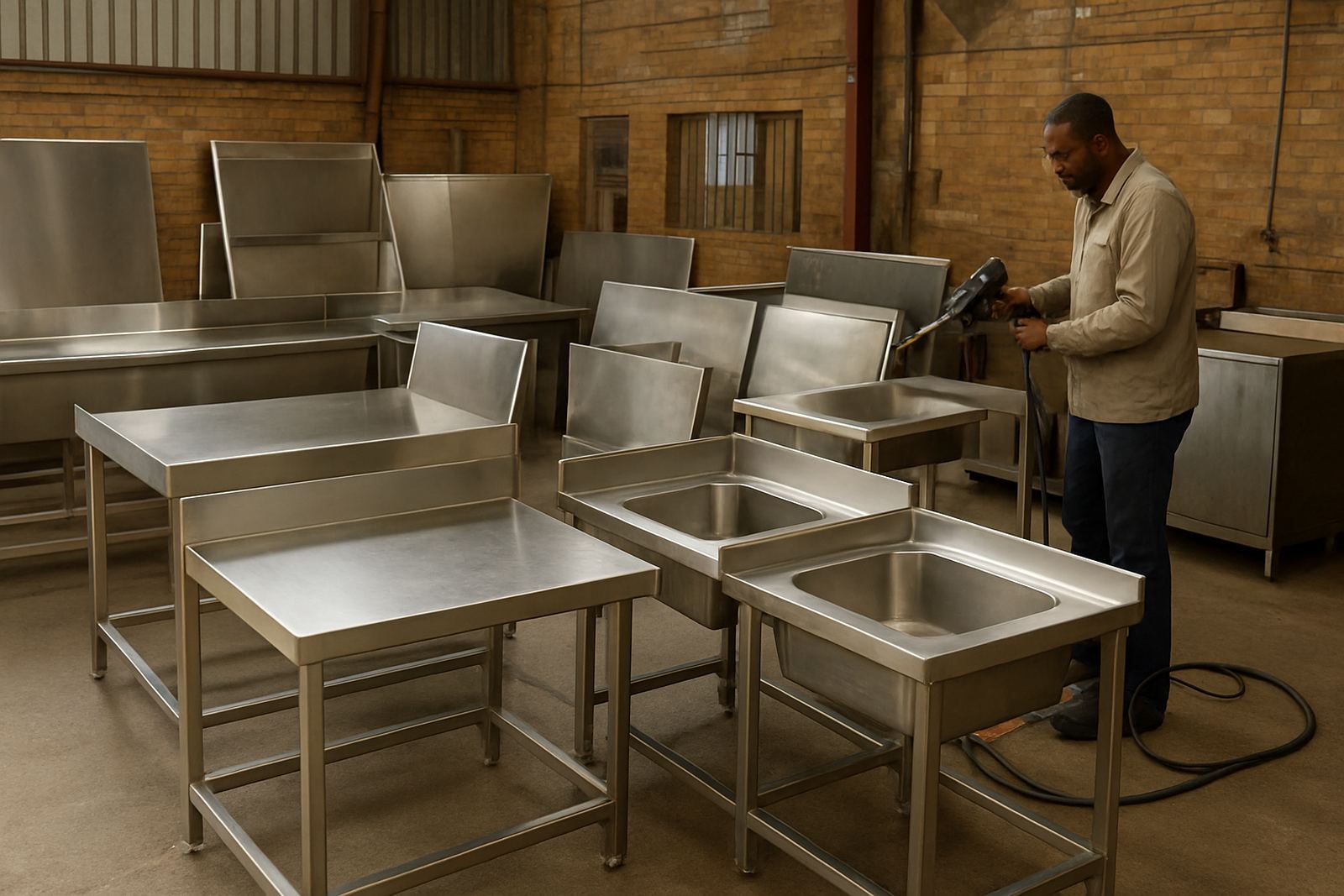
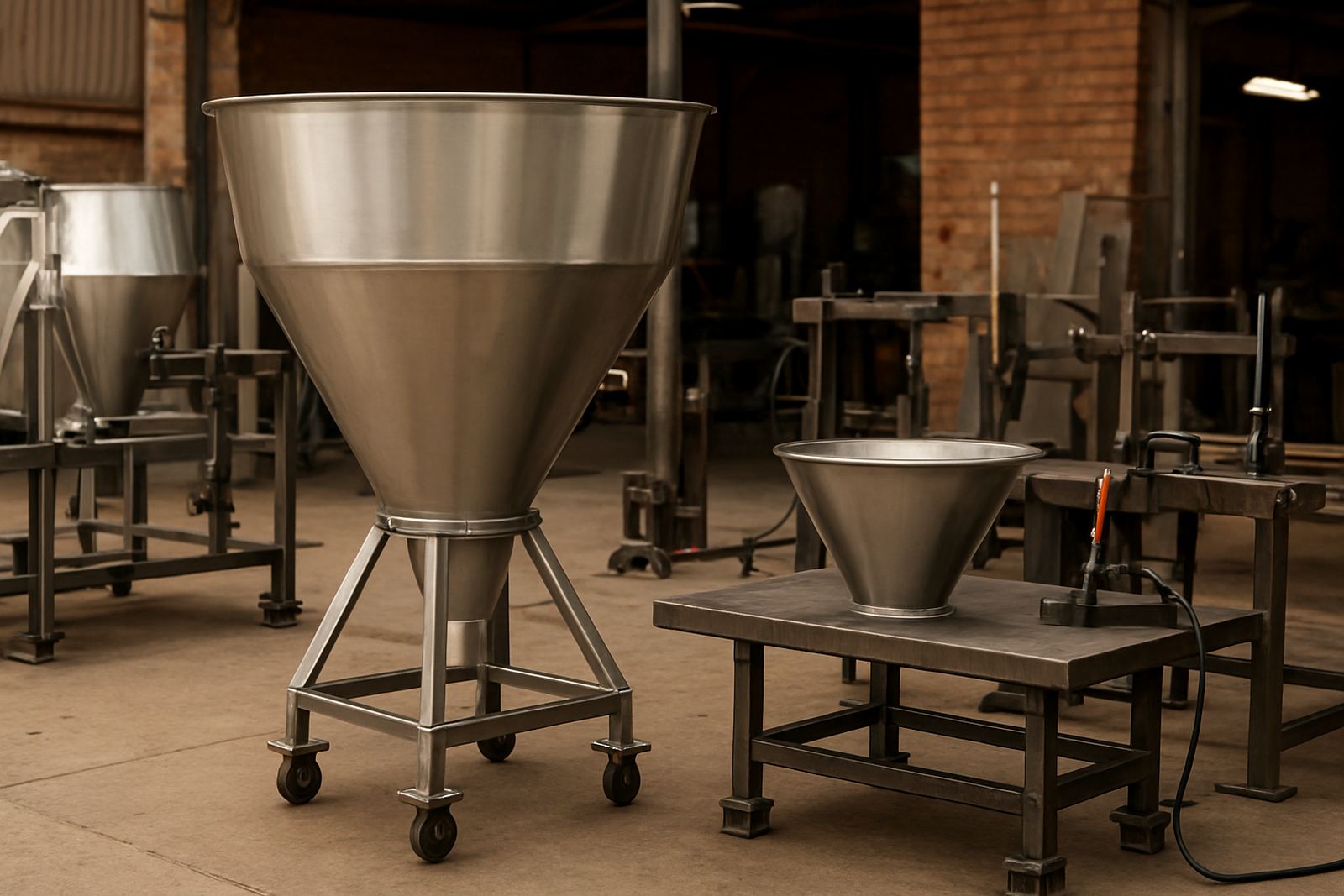
Wash bay work usually involves thin to medium gauge stainless, with a mix of flat sheet and formed sections. The setup varies by site, but the welding needs are often similar. A typical fabrication package may include trays, catchment pans, pipe supports, wash-down channels, splash edges, access covers and reinforcement brackets.
- 304 or 316 stainless sheet and channel work for wet areas
- Drain surrounds and tray corners that must stay square
- Support frames for wash stations, screens and guards
- Small repair sections where old joints need to be cut out and replaced
- Pipe brackets, standoff tabs and mounting plates
Because these parts are regularly exposed to water, detergent and cleaning chemicals, the weld quality has to be tidy and consistent. Coastal humidity in places like Durban or Port Elizabeth can also make storage and handling more sensitive, so good workshop habits matter just as much as the machine settings.
Equipment set for this kind of work
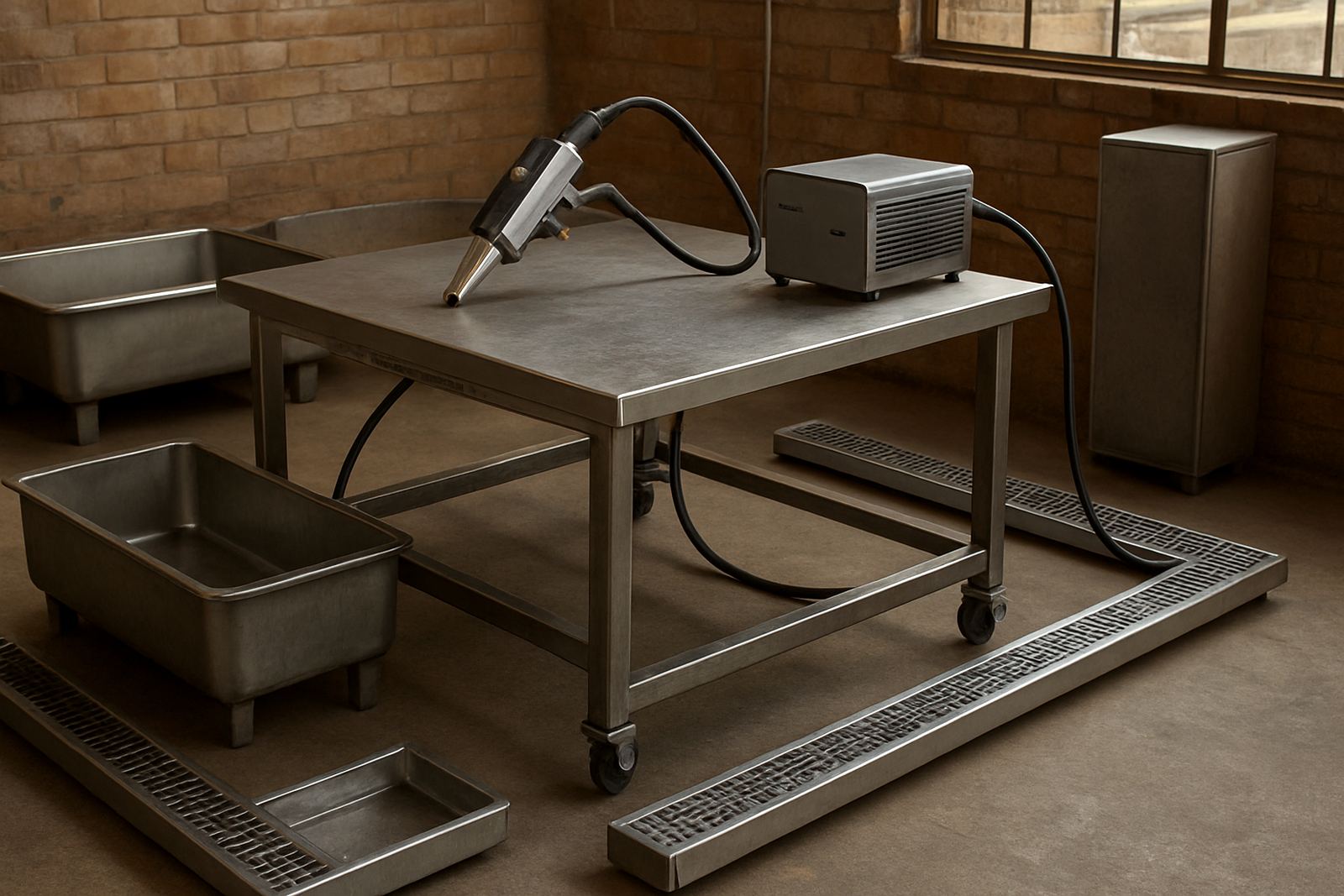
For wash bay fabrication, the common setup is a handheld fibre laser welding machine matched to stainless steel thicknesses used in light fabrication. The exact power level depends on the work, but many shops look for a machine that can handle fine seams on thin material, yet still give enough output for brackets and heavier support pieces. A good local service team should also help with commissioning, process optimisation and operator training so the setup suits your own jobs.
You will usually want a practical support package around the machine rather than the unit alone. That includes consumables, spare nozzles, spare lenses where needed, routine checks and clear guidance on shielding gas, seam prep and travel speed. On sites affected by load-shedding, fabricators should also plan for stable power, clean air supply and a safe place for gas cylinders so the machine is not held up by basic workshop issues.
- Handheld fibre laser welder sized for stainless fabrication
- Clean, dry compressed air supply and suitable gas setup
- Workholding and jigging for trays, frames and channels
- Basic fume extraction and a tidy weld bench area
- Operator training for seam prep, torch angle and finishing
Layout and planning advice for the workshop
Wash bay jobs are easier when the workflow is planned before the first cut. Keep cutting, folding, fit-up and welding close together so parts do not get handled too many times. If the bay includes long channels or large trays, plan the table space first because misalignment shows up quickly once the seams are closed. A simple jig can save hours, especially when the same dimensions repeat across a batch.
It also helps to separate clean stainless work from carbon steel jobs. Cross contamination can cause staining later, which is a headache on visible wet-area fabrications. If your team is working on multiple projects at once, mark each bay section clearly and keep cut edges protected from dirt and grinding dust. Small details like this matter in busy shops in Germiston, Boksburg, Jet Park or Alberton where mixed work is common.
For larger rollouts, we often see better results when the fabricator tests one sample section first, checks the bead appearance and confirms the fit on site dimensions before full production starts. That avoids expensive corrections when the bay reaches installation stage.
Common mistakes on wash bay welds
Most problems on wash bay fabrications come from rushing the setup or over-welding thin material. A bead that looks strong can still leave distortion, undercut or discolouration if the settings are not right. Another common issue is poor edge prep. If the joint is not cleaned properly, the weld can trap contamination and the finish will suffer later.
We also see teams struggle when they move to laser welding without enough training. The process is quicker, but it still needs the operator to understand joint fit-up, filler use where required, and how heat input behaves on different stainless grades. A short learning curve is normal. The important thing is to get consistent results before the bay moves into production.
- Starting with poorly cut or uneven edges
- Using the wrong speed on thin sections
- Skipping trial welds on offcuts
- Not allowing for clamping and heat movement
- Leaving no plan for cleaning and passivation after welding
Budget ranges for South African wash bay projects
Budget depends on how many bays you build, the thickness of the stainless, and whether you are replacing old methods or expanding output. For a small workshop doing occasional wash bay repairs and custom pieces, a suitable handheld fibre laser welding setup is quoted per job depending on specification and support needs. Mid-range production units and a fuller package with training, commissioning and spares support is quoted per job. Ask for a quote
For higher-volume fabrication lines, or shops that want process rollout across several operators, the total investment can go beyond R1 million once you include training, production testing, maintenance planning and consumables. It is worth comparing the cost against reduced grinding, faster turnaround and fewer rejects. In many cases the saving shows up in labour hours rather than material alone.
If your wash bay work is tied to municipal or industrial contracts, it can also help to factor in delivery timing, compliance checks and site access rules. A machine that lets your team finish cleaner and faster can protect margins when deadlines are tight and travel between towns is part of the job.
Training, support and practical rollout
Laser-Welder works from Spartan, Kempton Park and supports fabricators nationwide with demos and training at customer shops. For wash bay work, that matters because the right settings are best proven on your own material, your own joints and your own team. We assist with machine commissioning, operator training, process optimisation, weld testing, preventive maintenance and breakdown response so the machine keeps earning its keep after installation.
For fabrication teams in Ekurhuleni and beyond, the quickest gains usually come from a structured rollout. Start with one operator, test the common joint types, set a repeatable process and then move to the rest of the team. That approach reduces mistakes and helps new users build confidence without slowing the workshop. If you are producing wash bays, trays or support structures regularly, the machine should fit your production pace, not fight it.
For enquiries, clients reach us through the form on our contact page and we can arrange demos from Spartan, Kempton Park, Isando, Jet Park, Edenvale, Germiston, Boksburg or Alberton, depending on your location and workload.