Why balustrade welds need a neater finish
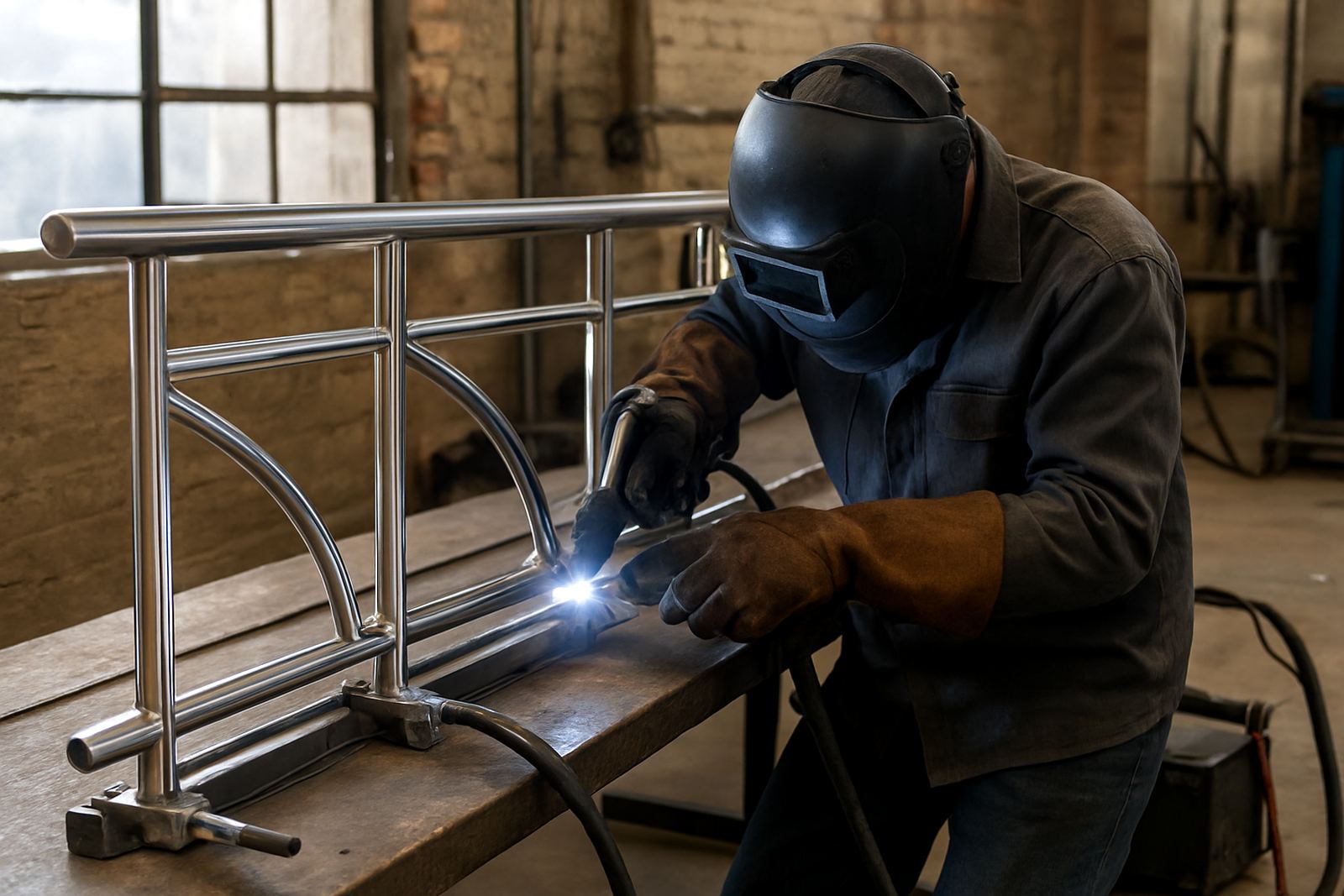
On balustrades, the weld is not hidden behind cladding or paint. It sits in full view on posts, rails, returns and brackets, which means even a small heat mark or rough bead can slow the job down. Stainless steel customers often want a bright, tidy finish with minimal dressing, especially on staircases, balconies, shopping centres and office fronts where the work is seen every day.
Traditional TIG work can still do the job, but it often needs more skill time and more post-weld cleaning. For balustrade fabricators in Gauteng, the main pressure is usually turnaround. A good laser welding setup can help with repeatable joints on tube, flat bar, plate tabs and support lugs, while keeping heat input lower than many older methods.
That matters when you are working in busy areas like Kempton Park, Germiston or Boksburg where installation teams are moving between site measure-ups and workshop fit-up. Less grinding also means less noise, less dust and fewer chances of marking brushed stainless on the final pass.
Typical stainless balustrade jobs where laser welding helps
Most balustrade fabricators are dealing with a mix of small and medium components, usually in 304 or 316 stainless depending on the site conditions. Coastal work around Durban, Gqeberha or George may call for better corrosion resistance, while inland work on offices, retail parks and homes usually focuses on appearance and speed. The handheld fibre laser welder is useful wherever you need a controlled, narrow weld on visible stainless parts.
- Stanchions and vertical posts with neat cap joints
- Handrail returns and mitre joints on round or square tube
- Glass clamp frames and support brackets
- Base plates, gussets and fixing tabs
- Decorative stainless infill rails and kick strips
For workshop teams doing one-off staircases or repeat production runs, the same machine can move from test coupons to final assembly without much change in setup. That makes it easier to keep a standard finish across different contracts, even when the job changes from a small residential railing to a full commercial installation.
How to plan the bay and the weld sequence
A balustrade bay needs proper planning before the first tack goes in. Measure the finished opening, confirm post centres, and decide where the visible welds will sit. On site, a lot of time gets lost because the drawing is correct but the fixing points on the slab are not. Check plumb lines, slab edges and handrail heights before the fabrication starts, not after.
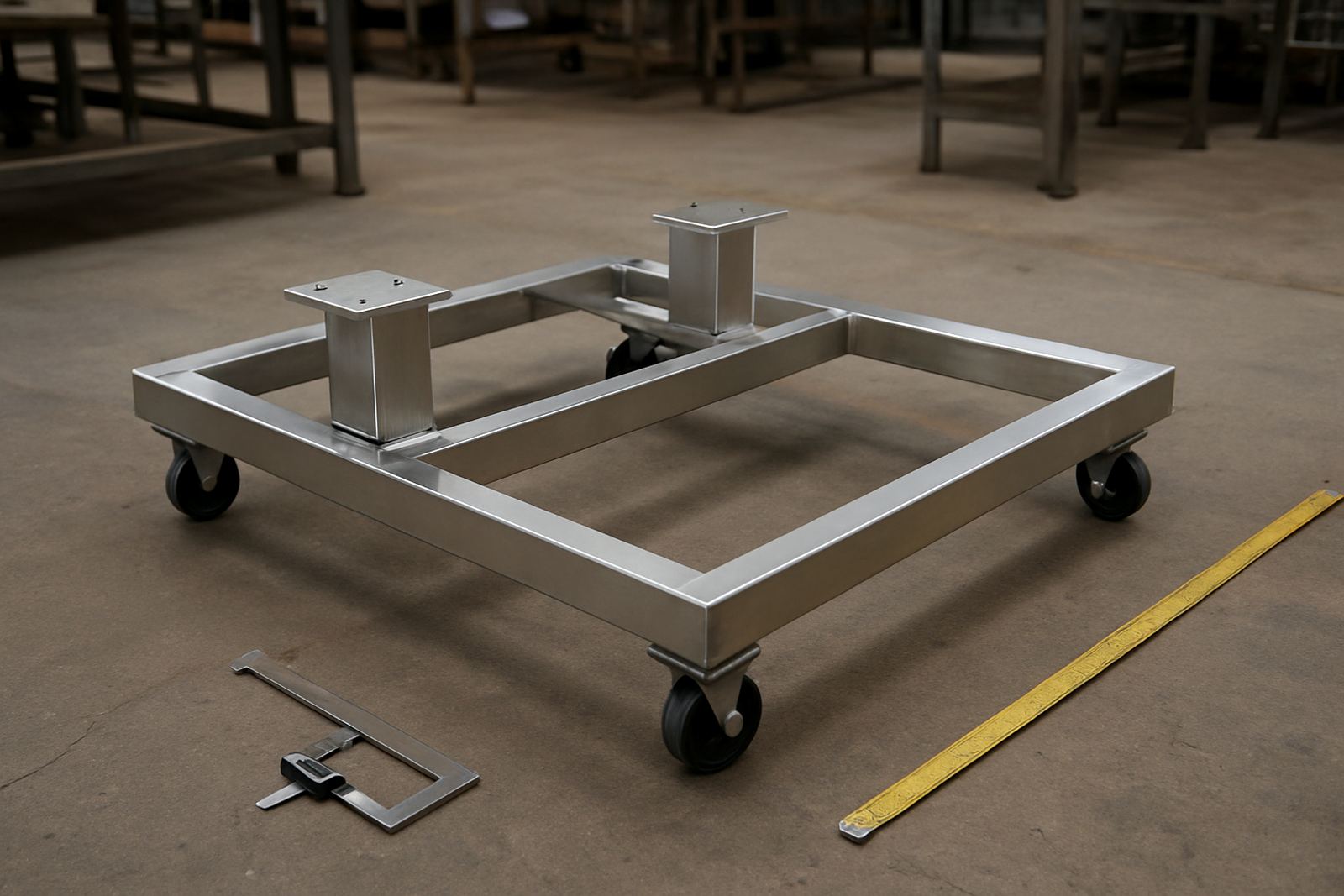
It helps to set up dedicated jigs for common tube sizes and standard post plates. If your workshop handles a lot of stainless handrails, keep a clear flow from cut, prep, tack, weld and clean-up. That saves handling time and reduces the chance of fingerprints, scratches or contamination from carbon steel tools.
Common planning points include:
- Use dedicated stainless clamps and support blocks so the finish stays clean
- Keep the joint gap consistent, especially on mitres and corner returns
- Plan access for both sides of the joint where needed
- Allow space for post-weld cleaning, inspection and passivation if required
- Set realistic production times for site work, because weather and access always slow things down a bit
In humid coastal conditions, parts can pick up moisture quickly, so storage and handling matter. In inland workshops, load-shedding can disrupt compressors, extraction and lighting, so a practical production plan should allow for power interruptions and battery backed controls where possible.
Common mistakes that slow balustrade production
The most common problem is over-welding. A balustrade joint only needs enough heat to fuse properly, not a heavy bead that later needs grinding back. Too much filler also makes the job look bulky and can distort thin tube. Another mistake is mixing stainless and mild steel tools or brushes, which can leave contamination that shows up later as staining or rust marks.
Fabricators also lose time when the weld process is not matched to the material thickness. Very thin tube needs a lighter hand and steady travel speed. Heavier brackets need proper fit-up, good clamping and a clean edge. If the workshop is rushing, the finish will show it straight away.
- Bad joint preparation, especially on mitres that are cut slightly open
- Wrong shielding set-up, leading to discolouration or porosity
- Poor earth placement that causes arc instability
- Skipping test pieces before a new balustrade profile starts
- Using the same cleaning tools on stainless and carbon steel jobs
We often see a second issue on balustrades that go from fabrication straight to installation: no one checks the final alignment under site conditions. A post can look square on the bench, then lean once the slab or wall face comes into play. That is why test assembly matters before dispatch.
Equipment set for balustrade welding in a South African workshop
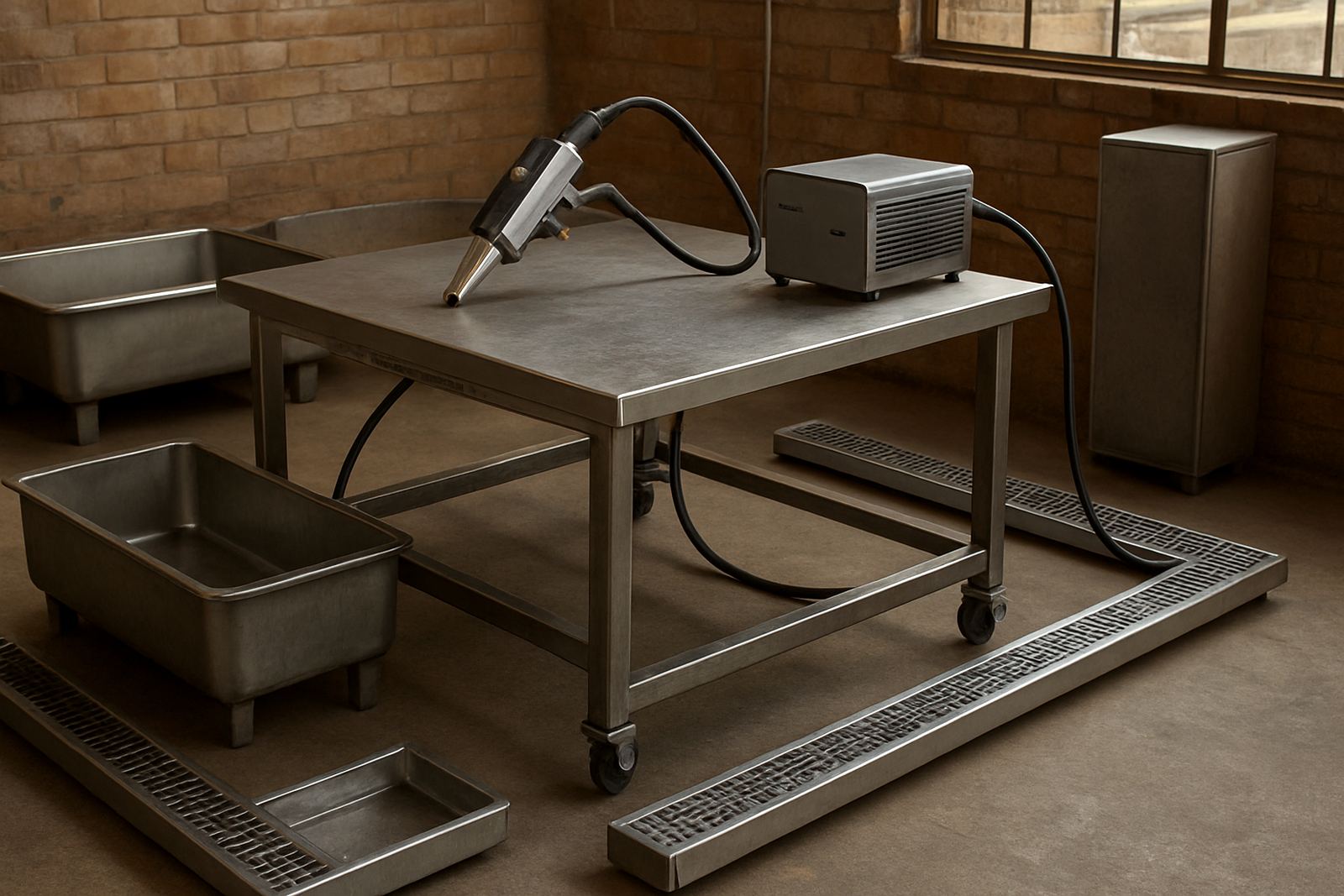
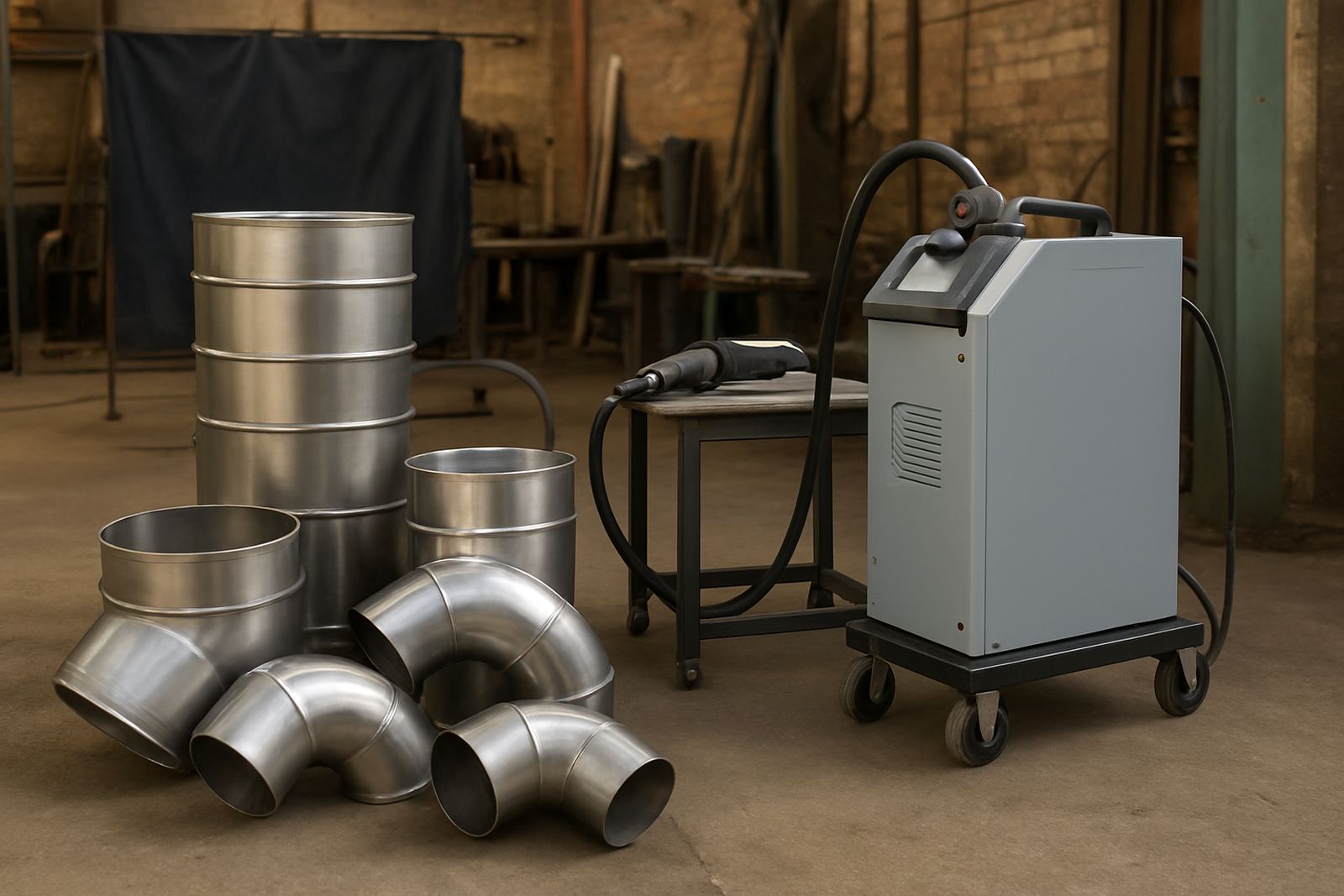
A practical balustrade setup does not need to be overcomplicated. The aim is steady control, neat joints and repeatable output. For a small stainless workshop in Spartan or Jet Park, a handheld fibre laser welder can be paired with basic prep tools, dedicated stainless clamps and a proper cleaning station. For larger manufacturers, the same principle applies, but with more jigs, marking stations and staged assembly bays.
Useful support equipment normally includes:
- Tube saw or cold saw for accurate cut lengths
- Mitre jigging for rail returns and post frames
- Stainless wire brushes and clean abrasives only
- Fume extraction and good workshop ventilation
- Stable tables, clamps and holding fixtures
- Power planning for areas affected by load-shedding
Laser-Welder supports commissioning, operator training, process optimisation and refresher training at fabrication shops nationwide. That helps your team get the right technique on the actual balustrade parts they make every week, rather than learning on scrap that does not match the job.
Budget ranges for balustrade teams
Budget depends on whether you are replacing an older welding method, adding capacity, or setting up a new stainless line. For balustrade work, the machine cost is only part of the picture. You should also allow for commissioning, training, consumables, maintenance and the time needed to set up proper jigs and cleaning routines.
As a working guide in Rand, smaller workshops often start by budgeting for a single handheld laser welder plus training and basic accessories. That can suit a team that makes occasional stair rails, balcony panels and short runs. Larger fabrication shops that handle regular balustrade contracts may need a higher budget for a second unit, spares cover and more detailed process setup.
Typical planning ranges often sit around:
- A quoted price for a smaller balustrade operation looking for one main machine and setup support Ask for a quote
- A quoted price for a busier workshop needing more output, training and process roll-out Ask for a quote
- A quoted price for multi-bay production environments with broader support and preventive maintenance planning Ask for a quote
Those are practical planning figures, not a fixed quote. The final number depends on the metals you run, the thickness range, how much site work you do, and whether your team needs remote help, breakdown response or ongoing spares supply.
What to ask before you commit to a new process
Before you decide on a welding process for balustrades, ask what finish your client expects and how much dressing is acceptable. Some architects want almost invisible joints, while others are fine with a light brushed finish after welding. The right setup should match that expectation without pushing your team into slow, hand-finished rework.
If your work is mostly stainless balustrades, ask for a demonstration on the exact tube and plate sizes you use. Check how the machine handles corners, small tabs and repeated mitres. Also ask how the supplier supports operator training, maintenance and repair turnaround, because that matters just as much as the first test weld.
For workshops in Ekurhuleni and beyond, good support is not a luxury. It is what keeps production moving when a site deadline shifts or a batch of railings needs to go out on a Friday afternoon and time is tight.