Why Pump Skids Need Cleaner Welding
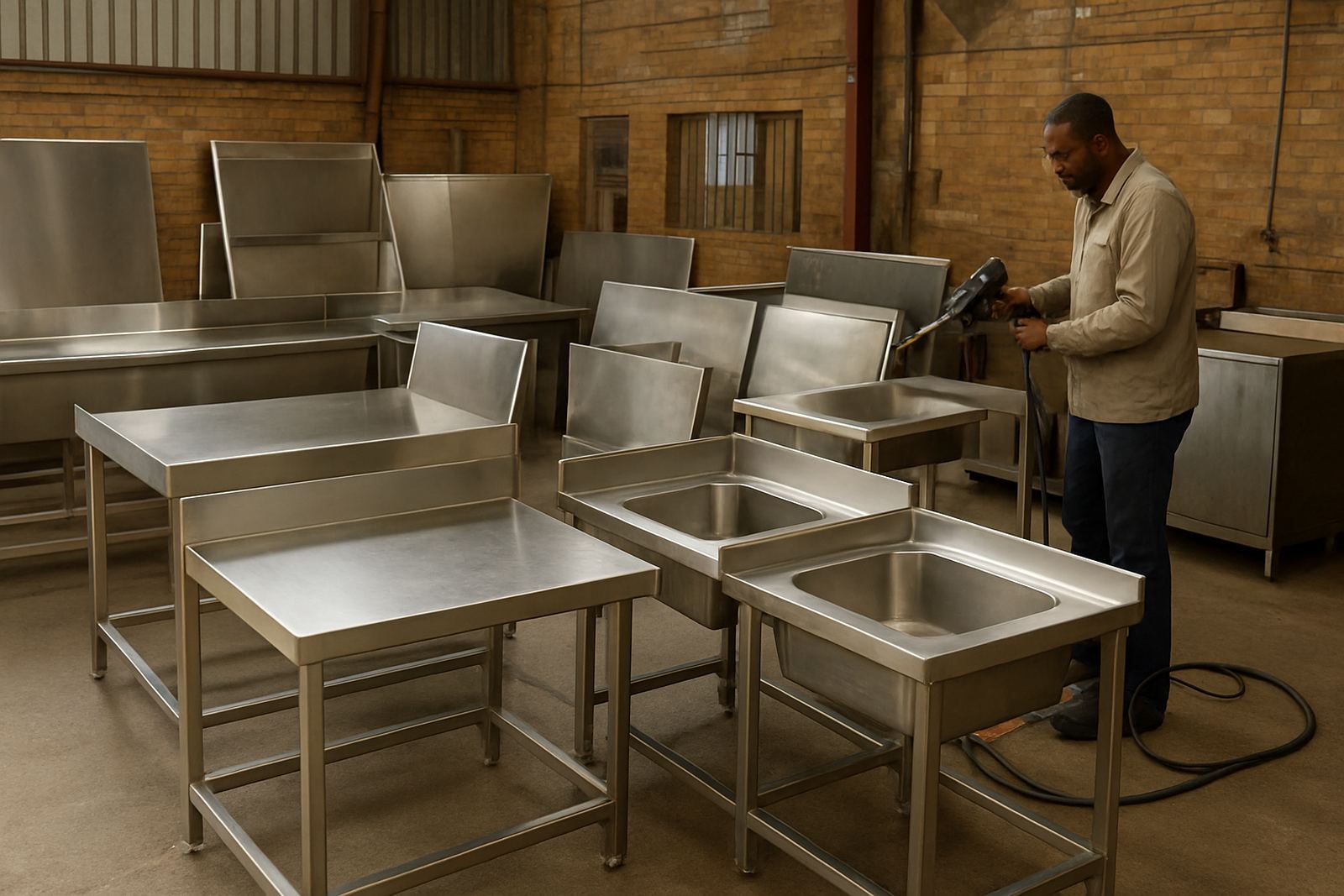
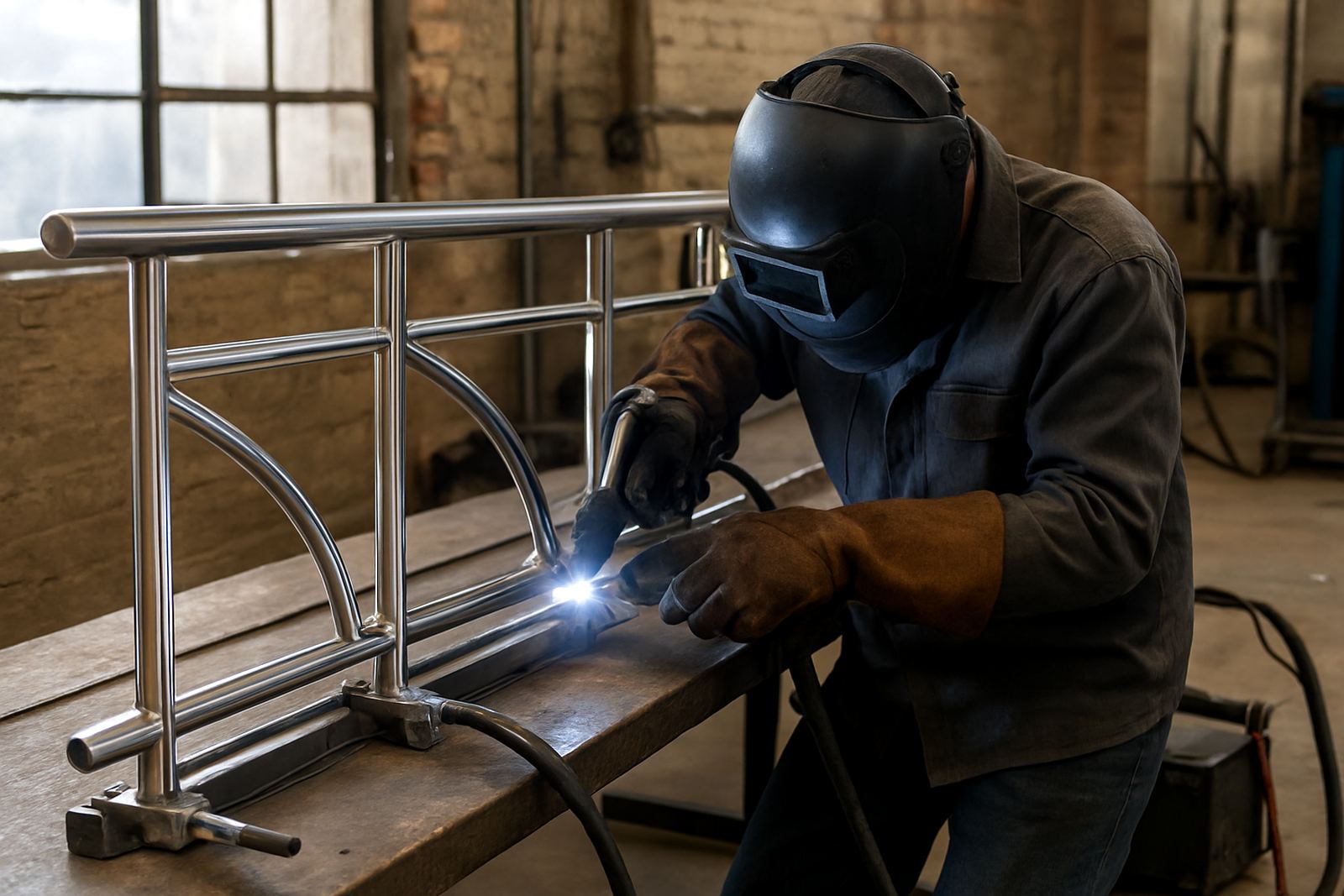
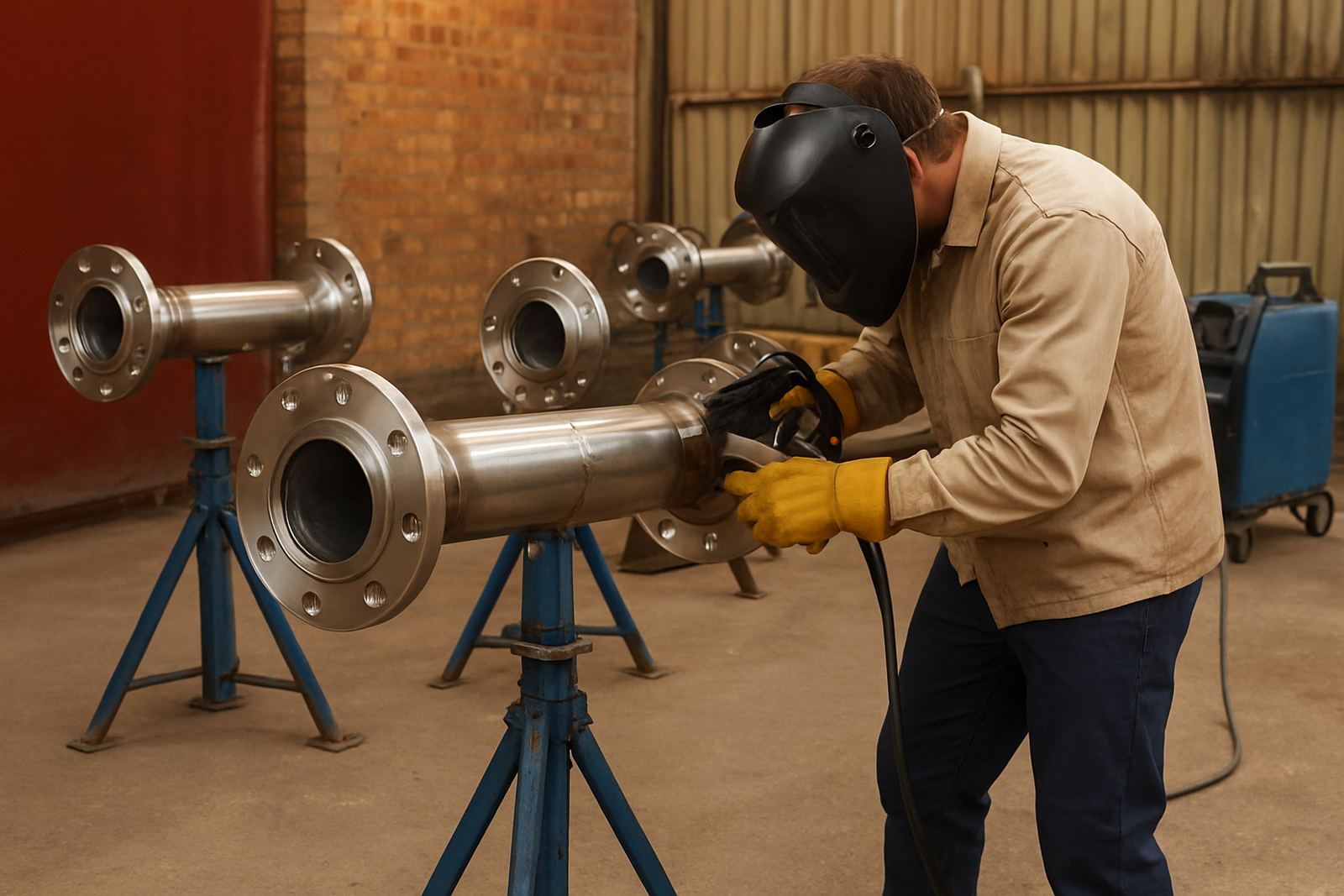
Pump skids are often built in stainless steel for water treatment, food handling, chemicals, borehole systems and washdown areas. The welds sit close to pipe runs, brackets, valves and cable supports, so poor heat control can distort the frame and make later fitment a headache. With handheld fibre laser welding, fabricators can produce neat joints with less finishing, which helps when the skid must leave the shop ready for installation.
In Spartan, Kempton Park and around Ekurhuleni, many shops work to tight lead times and limited floor space. A skid that arrives square and consistent saves time on site, especially when the client wants fast commissioning and minimum shutdown. It also helps in coastal work where moisture and corrosion can punish weak joints over time.
Typical Equipment Used on a Pump Skid Build
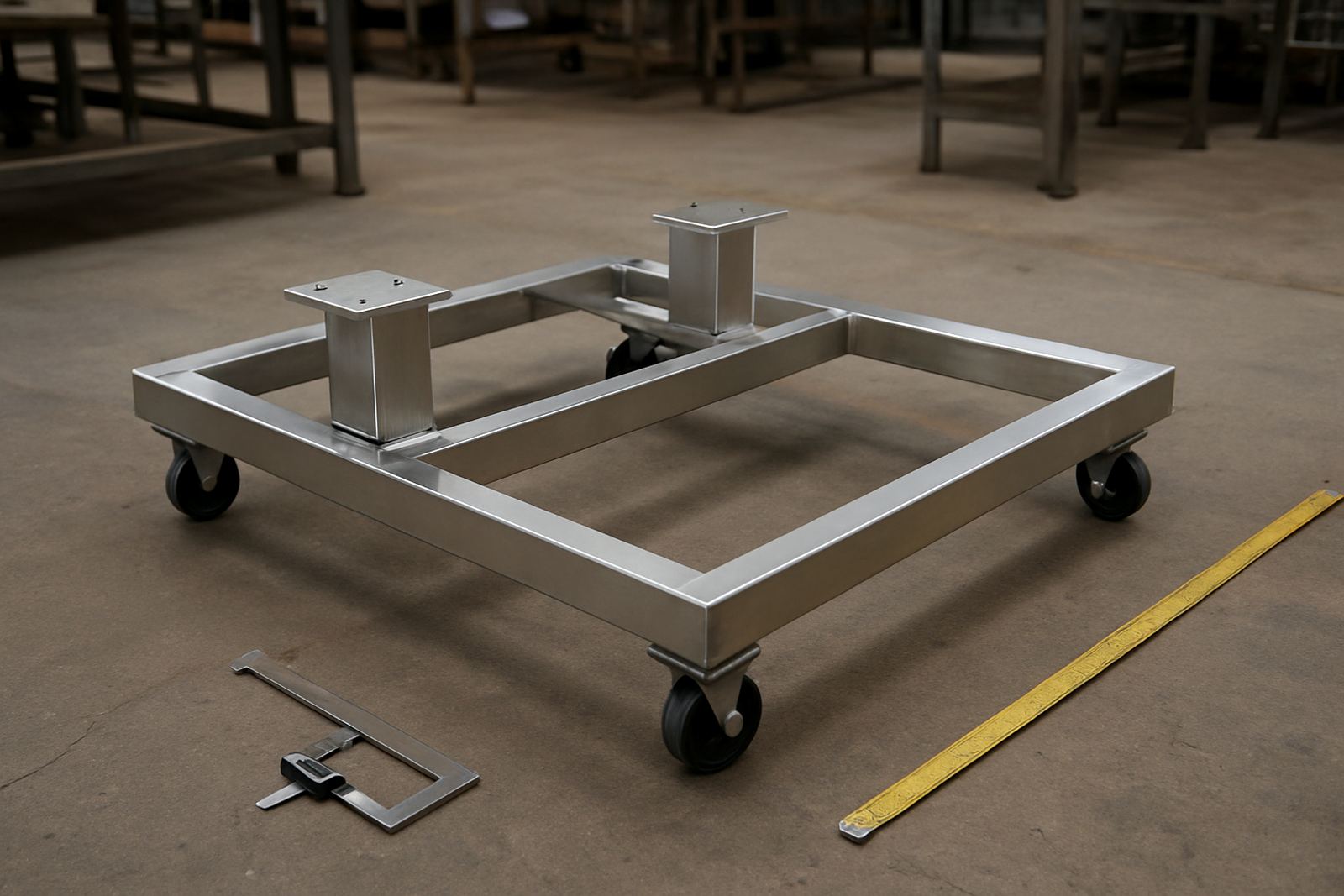
A pump skid is usually more than just a base frame. Most builds include a stainless or mild steel structure, pump mounting plates, pipe supports, vibration pads, cable trays and removable access panels. Some units also carry control enclosures, filters, pressure vessels and small manifolds, depending on the process.
- Handheld fibre laser welder for frame and bracket joints
- Filler wire where gap control or extra build-up is needed
- Angle grinder and light finishing tools for prep
- Clamps, squares and jigs for accurate set-up
- Purging kit where internal pipe welds require clean roots
- Basic test gear for fit-up, leak checks and alignment
For stainless skids, clean material handling matters. Oils, dust and cutting residue can affect weld quality, so the shop should keep prep benches tidy and separate from heavy fabrication work. It is a small thing, but it makes a difference.
Planning the Layout Before the First Weld
Good skid work starts with the layout, not the welding torch. The pump position should allow for maintenance access, impeller removal, coupling checks and safe lifting. Pipe routes need space for elbows, isolation valves, strainers and flexible connections. If the frame is too tight, the installer ends up cutting and changing things on site, and that costs money.
Our team often advises shops to build the skid around the service points first. That means checking motor access, control box position, lifting lugs, drain points and where the operator will stand during routine checks. If the skid will be lifted by forklift or crane, the base must be planned for the real lift points and not just where it looks neat.
- Leave clear access to pump seals, couplings and motor terminals
- Allow space for thermal movement and hose flex
- Keep cable routes away from splash zones and sharp edges
- Check floor footprint against the delivery route and final site doorways
- Plan for anchor points if the skid must be bolted down
Where Laser Welding Helps on Stainless Frames
Laser welding is well suited to stainless skid fabrication because it gives a narrow heat affected zone and a tidy bead profile. That means less distortion on long base members, fewer dress marks and a better finish around visible joints. For many fabrication shops, the biggest gain is consistency. Once the team learns the process, they can repeat the same joint type across multiple skids with less adjustment.
It is especially useful on corner joints, small mounting tabs, enclosure brackets and light pipe support structures. On thinner stainless sections, it helps reduce warping that would otherwise throw the skid out of square. On heavier work, the process still adds value where appearance, fit and repeatability matter. A clean weld is not only about looks, it helps with fit-up and inspection too.
Common Mistakes That Cost Time and Money
Many skid problems come from planning errors rather than welding faults. One common mistake is building the frame before the final pump and pipe dimensions are confirmed. Another is allowing heat distortion to creep into the base, which makes later alignment a battle. Shops also sometimes forget that a skid has to move through gates, doors and workshop aisles before it reaches site.
Electrical and mechanical teams can also get in each other’s way if the build sequence is not clear. If the control panel, piping and base frame are all being changed at once, the job slows down fast. In some cases, the site contractor has different set-out dimensions and the skid lands up being modified after delivery, which is avoidable with a proper check list.
- Do not weld long runs without checking square after each stage
- Do not assume the pump supplier’s drawing matches the final footprint
- Do not ignore vibration isolation or the skid will rattle under load
- Do not leave contamination on stainless before welding
- Do not skip a dry fit before final assembly
Budget Ranges for Pump Skid Fabrication in Rand
Budget depends on skid size, material, number of pumps, pipe complexity and whether the unit includes electrical equipment. A simple stainless base frame with one pump and light pipe support work is quoted per job for fabrication, excluding process equipment. A more detailed multi-pump skid with heavier brackets, enclosures and tighter tolerances can be quoted per job, and larger industrial packages can exceed that if the specification calls for testing, assembly and commissioning support. Ask for a quote
For shops working in Ekurhuleni, it helps to budget separately for consumables, operator time, final testing and any site rework. We also advise allowing a contingency for last-minute layout changes, because even a small change in nozzle position can affect the whole assembly. It is better to plan for that early than to rush a fix on delivery day.
Training, Commissioning and Support for Local Fabricators
Laser-Welder supports fabrication shops with shop demonstrations, commissioning, operator training and process optimisation. For pump skid work, that can include helping your team set up repeatable welding parameters, checking joint preparation and showing the best sequence for production rollout. We also support refresher training for teams that already run laser welders but want steadier results on stainless assemblies.
From Spartan, Kempton Park, we support clients across Johannesburg, Ekurhuleni and nationwide at fabrication shops, including Jet Park, Isando, Edenvale, Germiston, Boksburg and Alberton. Whether you are building one-off skids or repeat production units, the aim is the same: cleaner joints, better fit-up and less time spent correcting work later. With the right process in place, the job moves quicker and the finish speaks for itself.