Start with the true cost of one welded metre
When a fabricator prices a job, the first mistake is to compare machines on purchase price alone. A handheld fibre laser welder changes the cost picture because the weld goes in faster, with less heat distortion and far less post weld clean-up than many older methods. To compare properly, work out the cost per welded metre or per completed part, not just the hourly labour rate.
For stainless steel work in workshops around Spartan, Kempton Park, Germiston and Boksburg, the real cost usually includes labour, power, shielding gas, filler use if needed, seam preparation, finishing, inspection and any scrap. If your team spends less time straightening panels or grinding welds, that saving should show up in the quote. The same applies when a job is moving through production under load shedding, because time lost to stops and restarts pushes labour cost up very quickly.
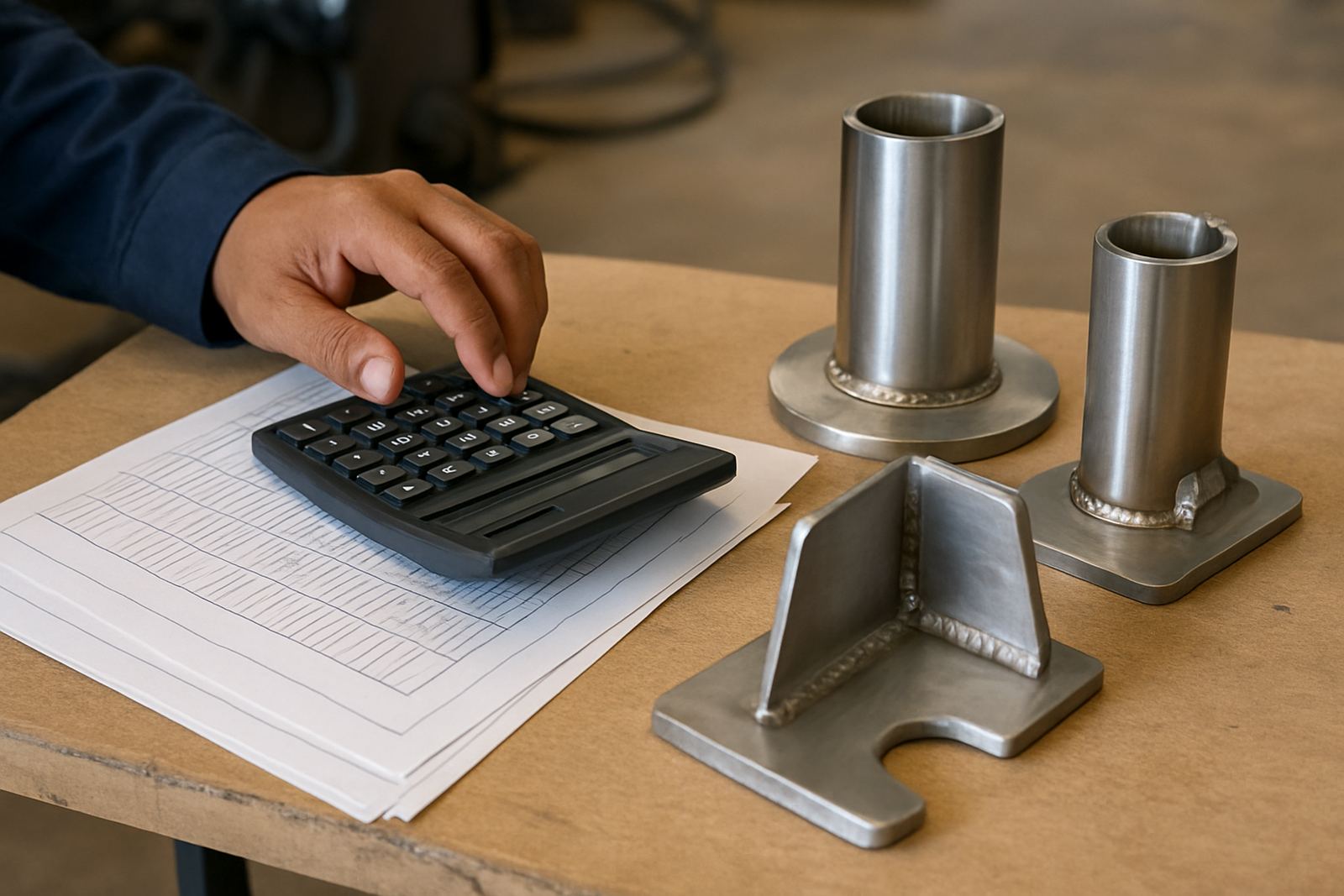
Use a simple formula: labour time plus machine time plus consumables plus finishing time, then add overheads and margin. Keep it practical. If a small bracket takes 20 minutes to weld and 15 minutes to polish, the polishing is not a side note, it is part of the real cost.
Measure labour before you talk about price
Labour is often the biggest hidden expense. One operator may be expensive on paper, but if the process is easier to learn and repeat, the job can still come out cheaper. That is why operator training matters. A well trained welder will set up faster, avoid bad starts and reduce rework. In smaller shops this can make the difference between one person finishing a job in a day or stretching it across two shifts.
Ask these questions before pricing:
- How many minutes does it take to clamp, align and tack the parts?
- How much time is spent cleaning, grinding or dressing the weld?
- Will one operator finish the work alone, or is a second person needed for handling?
- How often does the job need a redo because of distortion, burn-through or poor fit-up?
- Does the team lose time to power interruptions, gas shortages or moving between bays?
If the answer to any of these is high, the labour cost is already climbing. A costing sheet that ignores setup and finishing will under quote the work. That is a common problem on urgent stainless jobs where customers want fast delivery but still expect a neat finish.
Compare throughput, not just welding speed
Throughput is the real business number. A machine that welds fast but needs lots of rework may be slower in practice than one that produces clean joints the first time. For fabrication shops serving Pretoria, Alberton or Isando, throughput should be measured from first part to packed part, not from arc on to arc off.
Use a repeat job and time every stage over a few runs. Include material handling, joint cleaning, weld pass time, inspection and final finishing. When a process is stable, you can estimate how many parts per shift you can reliably produce. That helps with planning overtime, delivery dates and machine loading. It also shows when a production rollout should move from a single demo unit to a full shop floor workflow.
A simple check is this: if the laser process reduces grinding and straightening by 30% but only adds a small setup step, the production gain is often greater than it first appears. If your throughput improves, your cost per part drops even if the hourly rate is the same. That is the kind of detail that matters on competitive stainless work.
Add finishing and rework into every quote
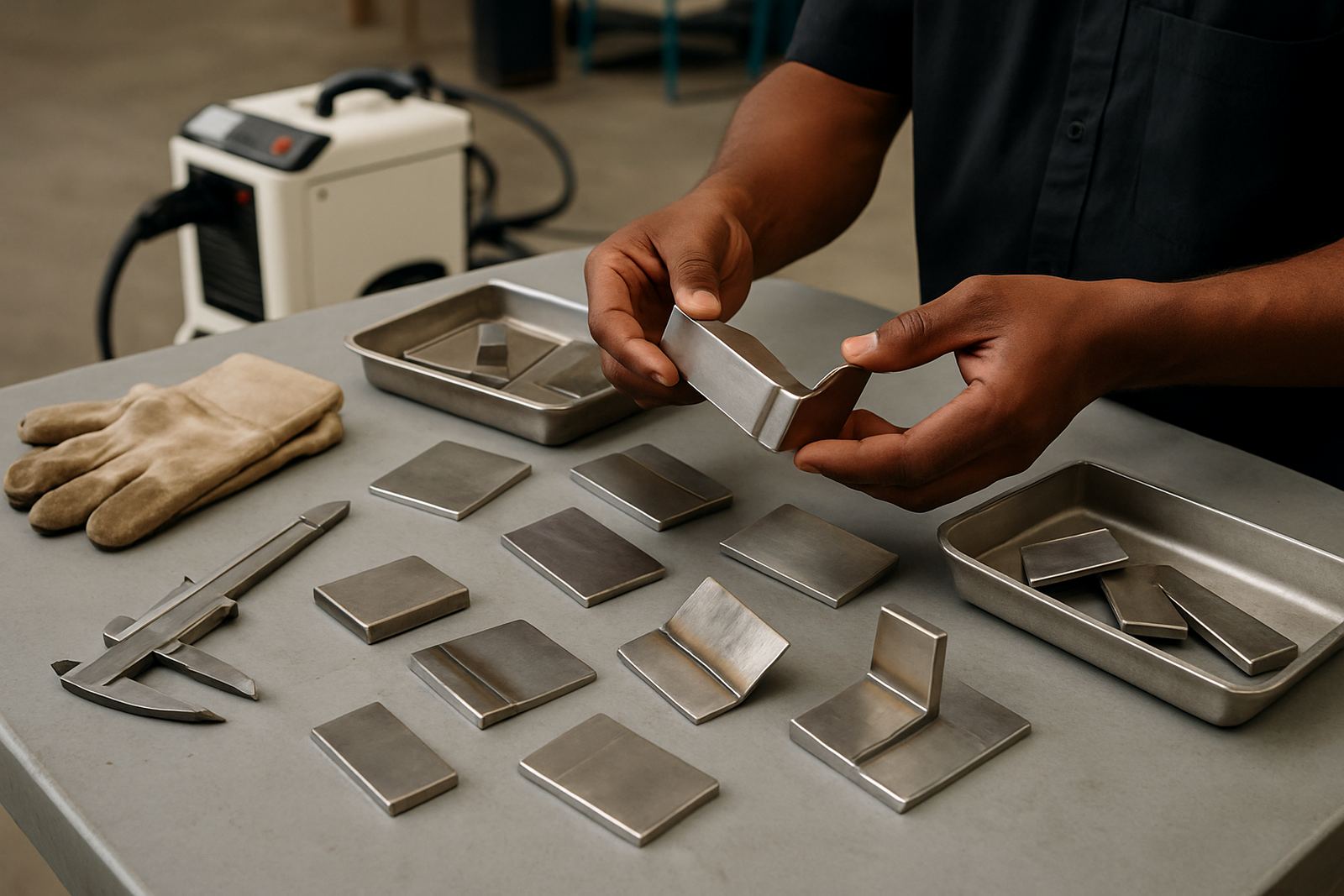
Finishing costs are where many quotations fall short. Stainless steel customers usually care about appearance as much as strength, especially on kitchens, hygienic equipment, retail fittings and exposed panels. If a weld needs brushing, polishing or blending, that time must be priced in. If the job needs weld testing or sample approval, add that too.
Watch for the following cost items:
- Grinding discs, flap wheels and polishing consumables
- Extra handling for parts that need to stay scratch free
- Inspection time for distortion, porosity or line marking
- Rework where a seam must be re-done after poor fit-up
- Pack-out and protection for finished surfaces in transport
On coastal work, especially where humidity is high, finishing can also include extra cleaning and protection before delivery. If parts are sitting in a workshop overnight, surface marks can become another cost. Budget for that rather than treating it as a surprise. It is better to carry the cost upfront than to lose margin on a job after the fact.
Use a checklist before you set your selling price
A good costing guide should work for both a one-off repair and a repeat production run. Before you send a price, work through a basic checklist so nothing gets missed. This is especially useful for shops that do mobile demos, shop demonstrations or production rollout planning across Ekurhuleni and other centres nationwide.
- Material thickness and grade confirmed
- Joint type confirmed, including edge prep
- Required finish level agreed with the customer
- Expected weld length or number of parts counted
- Labour hours estimated for setup, welding and finishing
- Consumables and shielding gas allowed for
- Power supply and load shedding plan checked
- Inspection or weld testing requirements listed
- Delivery, packaging and handling included
If you skip even one item, the quote can look good on paper and fail in practice. A small typo in a labour estimate or a missed finishing step can wipe out the margin on the whole order. Keep the sheet simple enough for the team to use every day, not just when a manager is available.
Review your numbers after every job
Costing should not stop once the job is won. Review the actual time, actual consumables and actual finish quality when the order is complete. This is where service support, preventive maintenance and refresher training pay for themselves. If one operator consistently finishes faster, find out why. If one product line keeps needing touch-up, adjust the process and the quote.
Over a few months, you will see patterns. Maybe certain profiles need more clamping. Maybe a batch of parts needs a different sequence. Maybe a handheld fibre laser welder is saving more time on thin stainless than expected, but less on heavy brackets where preparation is slower. Those details matter. The best pricing decisions come from real workshop numbers, not guesswork.
For fabricators in Spartan, Kempton Park and the rest of South Africa, the aim is simple: know what each job really costs, price it properly, and keep production moving even when the day is interrupted by power issues or rush orders.
When to ask for hands-on support
If you are unsure how to build your costing sheet, or a job keeps missing its target time, it is worth getting practical support. A site visit, weld test or shop demonstration can show where the time is going and what the process should look like. That may be enough to tighten your quoting method without changing the whole workshop.
Useful support includes machine commissioning, operator training, process optimisation, breakdown response, spares supply and remote help. For a fabricator, that means fewer surprises and better numbers on the next quote. A costing guide works best when it is tested against actual workshop conditions, not theory.