Start With The Stainless Work You Need To Do
Before you look at machine sizes or price, list the work you do most often. A fabricator making kitchen equipment, tanks, handrails or light process components will have different needs from a shop doing heavier brackets and assemblies. Stainless steel is where clean finish matters, but the weld must still hold up in service, especially in wet areas, wash bays and coastal environments.
Write down the common material thicknesses, joint types and daily output. If your team spends time grinding after welding, or reworking heat distortion, handheld laser welding may be worth testing. It can suit small workshops in Ekurhuleni as well as larger production floors that need repeatable results and faster turnaround.
- List your top 5 products or jobs
- Note material thickness in millimetres
- Record how much finishing work follows each weld
- Check if your parts must look neat straight off the torch
Check The Workshop Setup Before You Buy
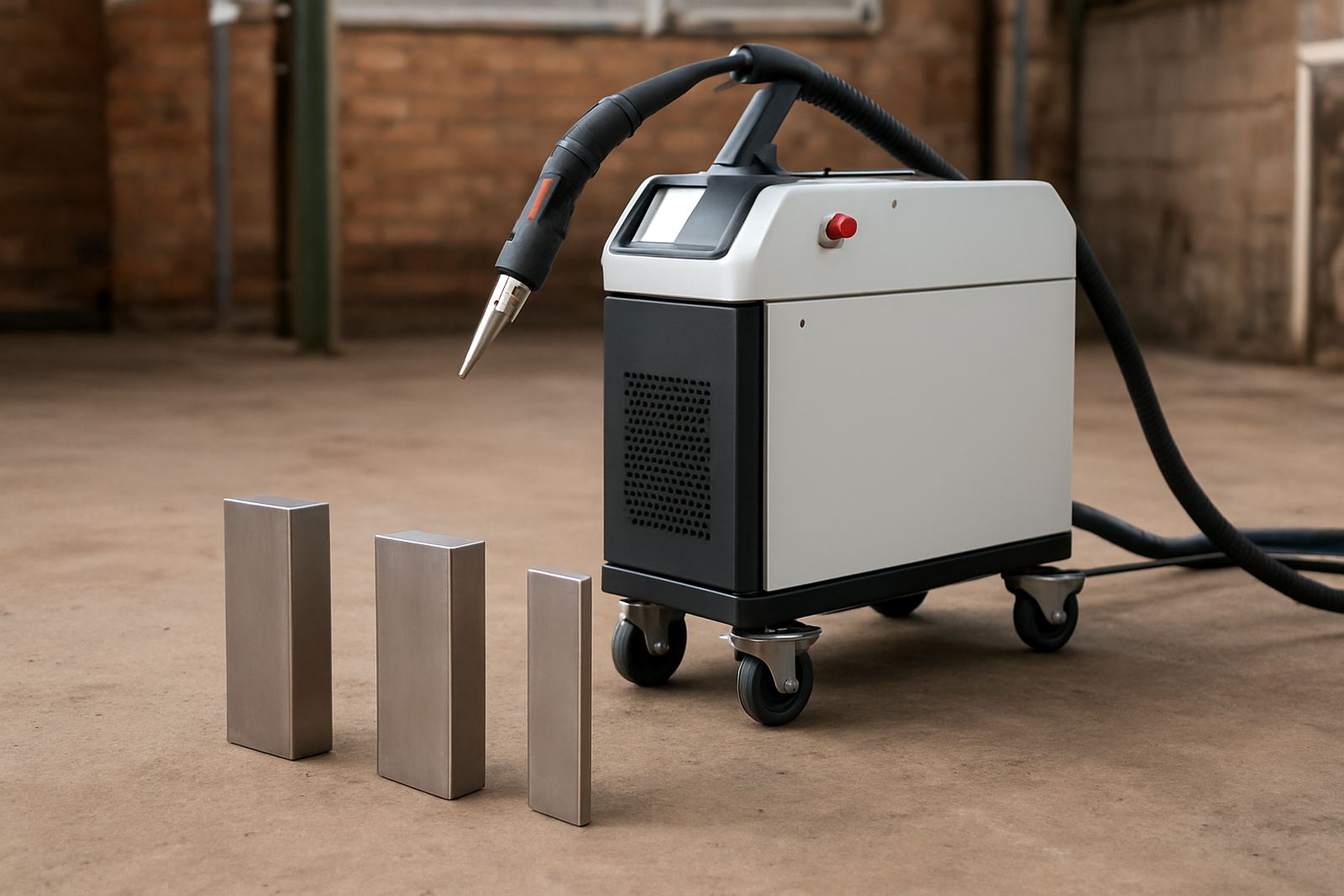
A laser welder does not work in isolation. Your shop must support the machine and the team using it. Think about power supply, floor space, ventilation, shielding gas, and where the machine will sit during a shift. In many South African workshops load-shedding is part of the day, so it helps to ask how the machine handles stable power and what backup arrangements are needed.
Measure access points too. If you move work between bays in Germiston, Boksburg or Alberton, you need a unit that fits your workflow and does not slow the crew down. A tidy cable route, proper storage for consumables and a safe work area around reflective stainless all make a difference to day to day use.
- Confirm available power and cable routing
- Allow safe working space around the job
- Plan gas supply and cylinder storage
- Decide where cleaning, clamping and inspection will happen
Compare Weld Quality, Speed And Rework Costs
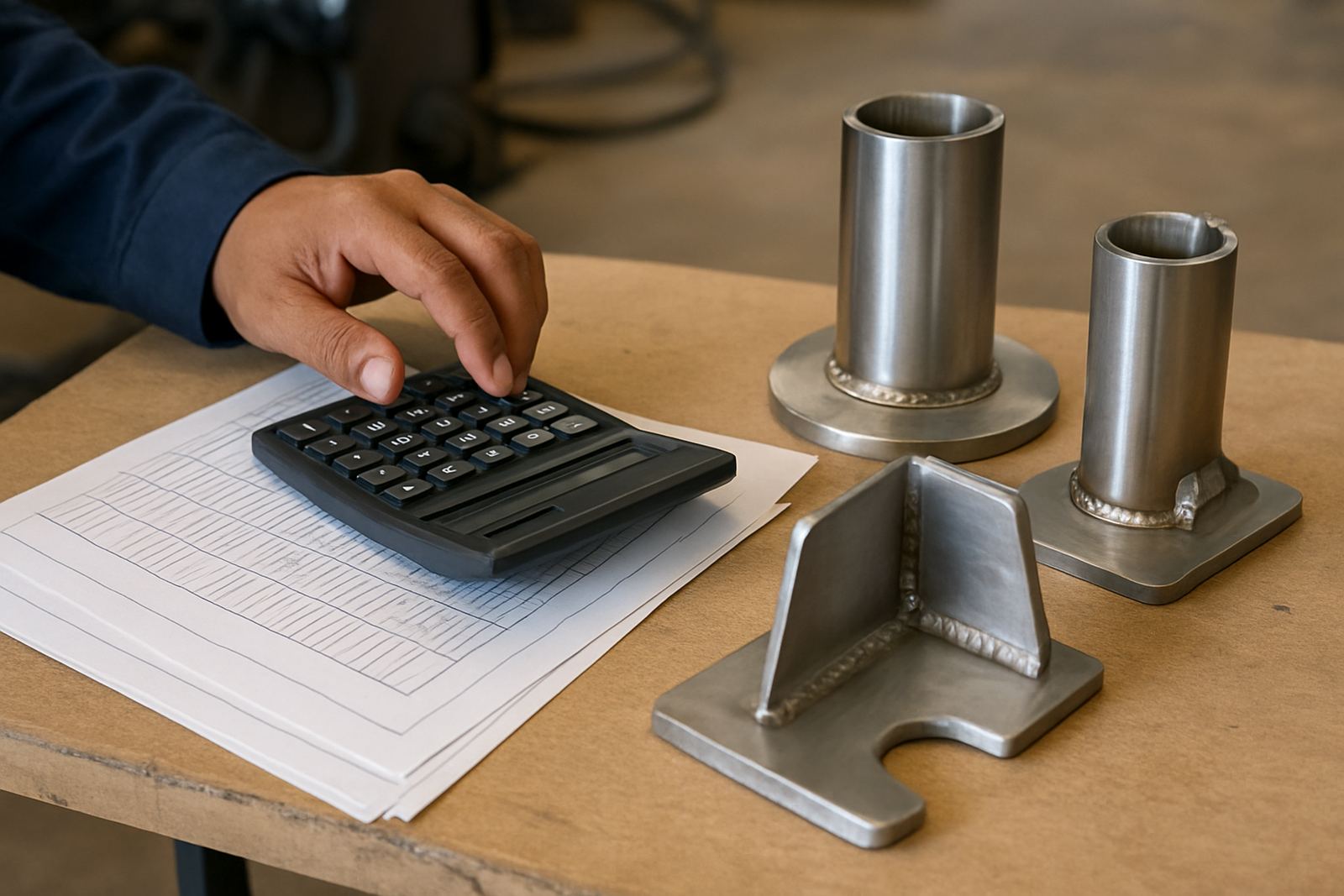
The real comparison is not only what the machine costs on day one. It is what each weld costs by the end of the month. Look at heat input, distortion, bead appearance and how much finishing is still needed. On stainless steel, a cleaner weld can reduce grinding, polishing and time spent correcting warped parts.
Ask for a weld test on your own material. A good trial should show how the unit handles your joint prep, your thickness range and your production pace. If you do fabrication for restaurants, medical fit-outs or industrial equipment, the finish must be consistent from the first part to the last, not just on a sample piece. That is where process control matters.
- Compare welding speed on actual parts
- Measure heat distortion after welding
- Check how much cleaning is still required
- Ask what training is included for your team
Choose A Supplier That Can Train Your Operators
A handheld laser welder is only useful if your team can use it confidently. Training should cover setup, joint preparation, torch handling, safety and basic troubleshooting. If the operator does not understand the process, you will waste time and may damage material or reduce weld quality. That is expensive in any shop, especially when deadlines are tight.
For businesses around Kempton Park, Isando and Jet Park, practical shop demonstrations are often the best starting point. For sites further out, training at your own premises helps the crew learn on the actual jobs they make every day. Good support should also include refresher training when new staff join or when production changes. It saves time and cuts avoidable errors.
- Ask who will train your operators
- Confirm whether training is on your own jobs
- Check if refresher sessions are available
- Find out how support works after commissioning
Plan For Maintenance, Spares And Downtime
Every production shop has breakdowns, maintenance days and urgent jobs that cannot wait. When comparing suppliers, ask what happens if a machine stops mid week. Preventive maintenance, breakdown response and access to spares matter more than many buyers realise. A machine that sits idle for two days can cost more than a slightly higher purchase price.
For stainless fabricators, nozzle condition, optical cleanliness and consumable wear all affect the weld. A supplier should help you with routine checks and keep your process steady. If you have multiple shifts or a production rollout, service response becomes part of the buying decision. In busy shops, that support can mean the difference between meeting a delivery and missing it by Friday.
- Ask what spares are kept locally
- Confirm turnaround times for support
- Check maintenance intervals and service steps
- Find out how remote help is handled
Use A Simple Checklist Before You Commit
Before you place an order, run through a short checklist with your team. Bring the foreman, production manager and whoever signs off on quality. If possible, test the machine on real stainless parts with the actual welders who will use it. That is the clearest way to see whether it suits your work.
Laser-Welder works with fabricators from Spartan, Kempton Park and nearby industrial areas, and also supports shop demonstrations, commissioning, process optimisation and production rollout at sites nationwide. If you want a practical buying decision, keep the focus on output, finish and support rather than fancy talk. The best choice is the one that helps your workshop make clean welds, faster and with less rework.
- Does it suit your main stainless jobs?
- Can your workshop support it safely?
- Have you tested it on your own material?
- Is training, maintenance and support included?