Start with the stainless work you do most often
The best power choice starts with your most common jobs, not the biggest one on the floor. A shop doing stainless handrails, sinks, brackets and light frames will have different needs from a plant making tanks, conveyors or repeated production parts, and the right machine should suit the day to day load first.
As a practical rule, lower power suits thinner material and tidy joinery where speed matters but heat input must stay controlled. Higher power gives more margin on thicker sections, longer seams and less time spent waiting between passes, but only if the operator can use it properly and the workshop can support the machine with stable power and clean working conditions.
What lower power means in a real workshop
Lower power machines are often the right fit for small fabrication shops, jobbing work and stainless items that need neat cosmetic finish rather than deep penetration on heavy sections. They work well where operators need a shorter learning curve, a smaller footprint, and lower running stress on daily output.
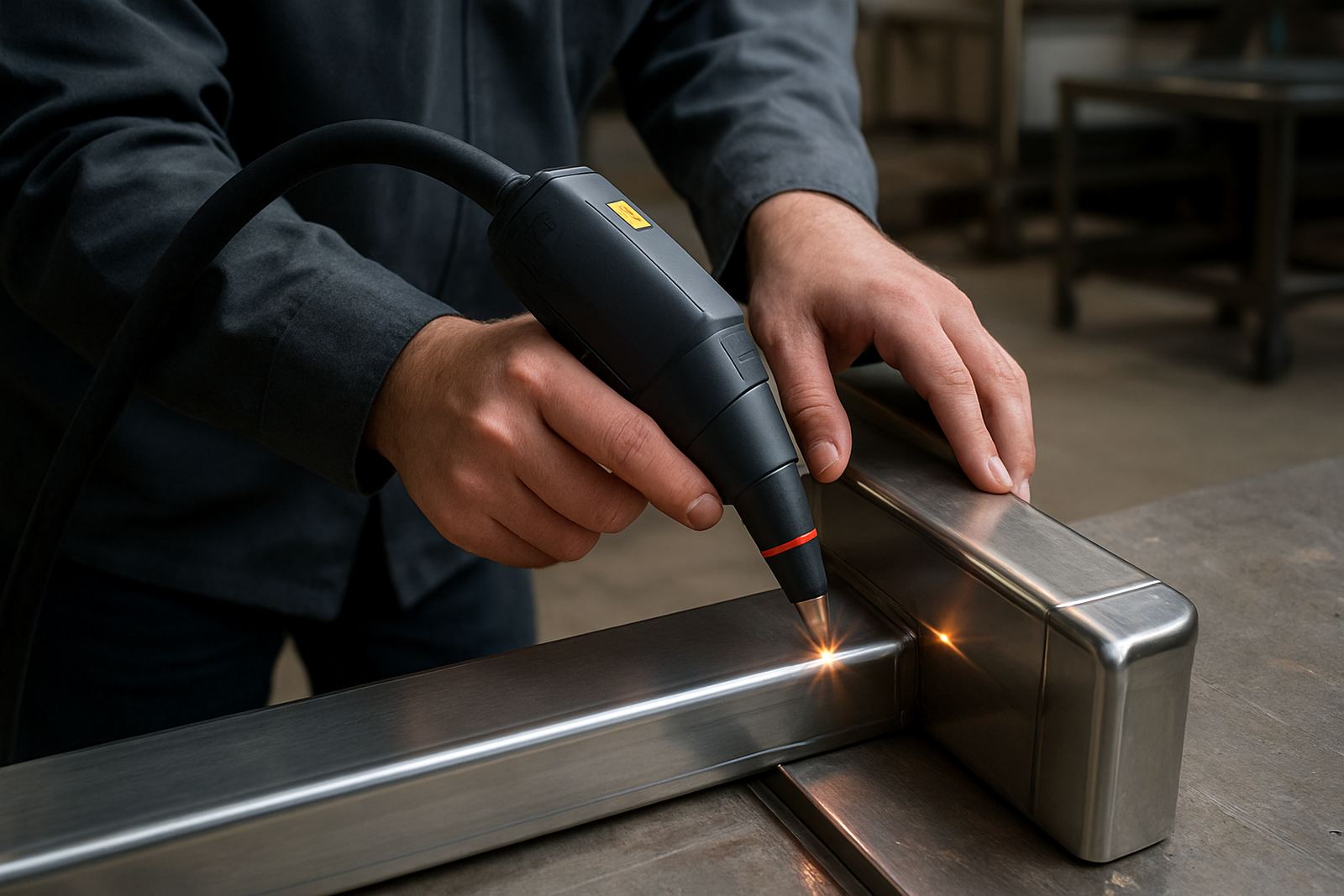
In practical terms, lower power is usually best for thin stainless, repair work, lighter frames, trim pieces and short production runs. It also helps where you want to reduce distortion on visible surfaces, especially on items that will be cleaned often or installed in public view.
- Suitable for light stainless fabrication and repair work
- Better control on thinner material and smaller components
- Useful where space and power supply are limited
- Good choice for shops balancing laser work with other processes
When medium power gives the best balance
Medium power is often the sweet spot for South African stainless fabricators who want speed without moving into high consumption and more demanding setup. It suits workshops that handle a mix of thicknesses, from light assemblies to heavier brackets and supports, and need the machine to stay productive across a full shift.
This range is especially useful where the same welder must switch between quick tack work, longer seams and repeat jobs for food equipment, balustrades or serviceable parts. You get more flexibility with section range, and the operator can usually keep a better pace without pushing the machine near its limits on every job. That can mean less downtime and fewer bottlenecks when orders come in fast.
High power and heavy section work
High power machines are chosen where thicker stainless sections, longer continuous welds and higher output are part of the daily routine. They are common in larger fabrication environments, production lines and shops that need to move fast on consistent batches.
Higher power does not only mean more strength, it also changes the way the workshop works around the machine. The team needs sound fixture planning, disciplined preparation and a clear process for testing settings before production starts. If the work is poorly prepared, extra power will not fix fit up problems. It can even make them more visible.
- Best for thicker stainless sections and longer weld runs
- Helps reduce cycle time on repeat production
- Needs stronger process control and better operator discipline
- Works best where there is enough shop volume to keep it busy
Check your power supply before you choose
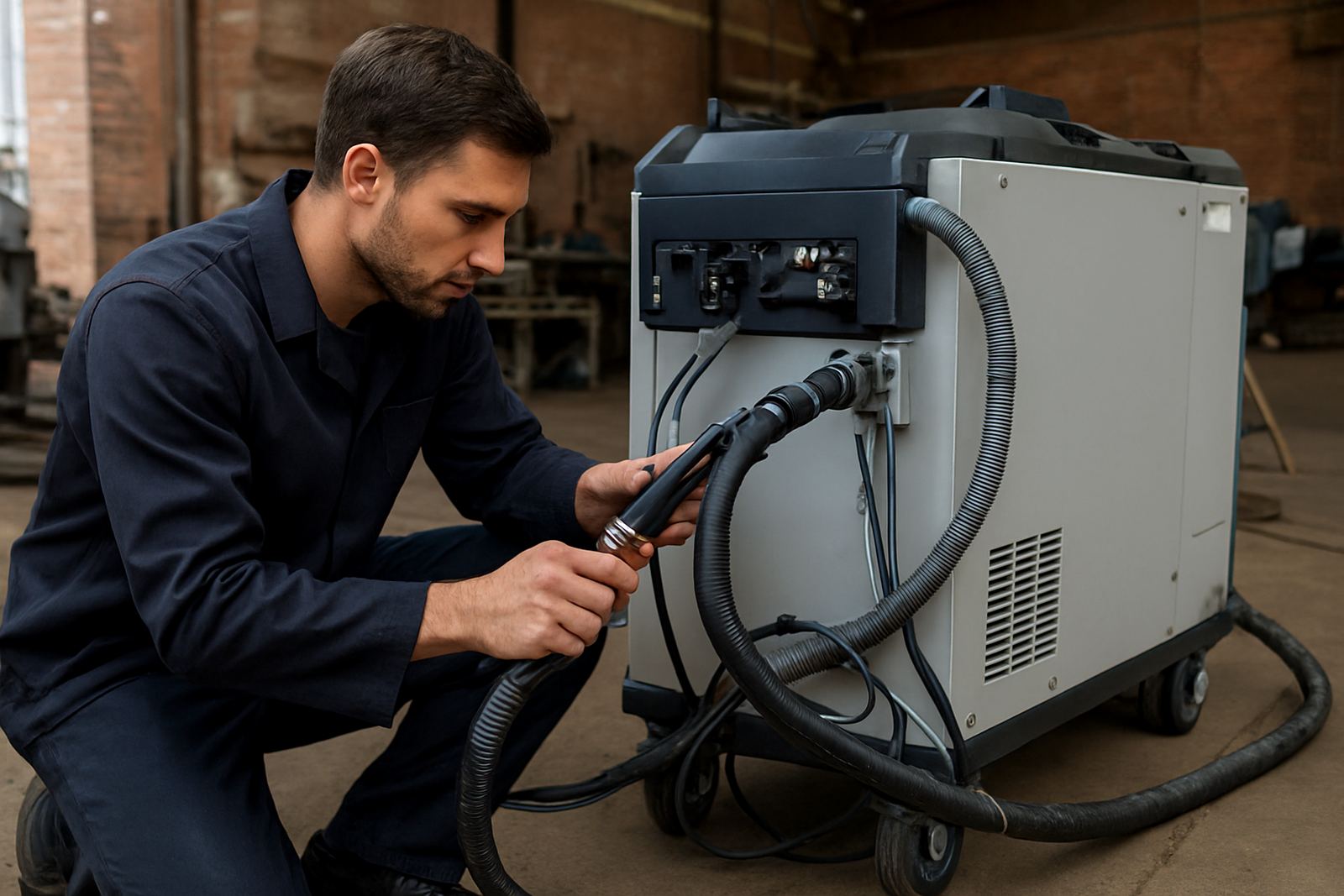
Before you decide on machine power, check what your workshop can actually support. Many sites in Ekurhuleni, from Spartan and Jet Park to Isando and Germiston, work in older buildings where the electrical supply, cable runs and breaker capacity need a proper look. If the machine is stronger than the site can handle, you will lose time and money from tripping, waiting or running around for makeshift fixes.
Also think about load shedding and generator planning. A machine that suits your welding work but needs an unstable supply will not help production. Ask what your workshop can run comfortably, what backup power you have, and whether the duty cycle fits your shift pattern. A small shop may prefer a lower or medium option with simpler power demands, while a larger site might plan for a stronger machine with proper supply protection.
Use a Spartan fibre welder checklist before you buy
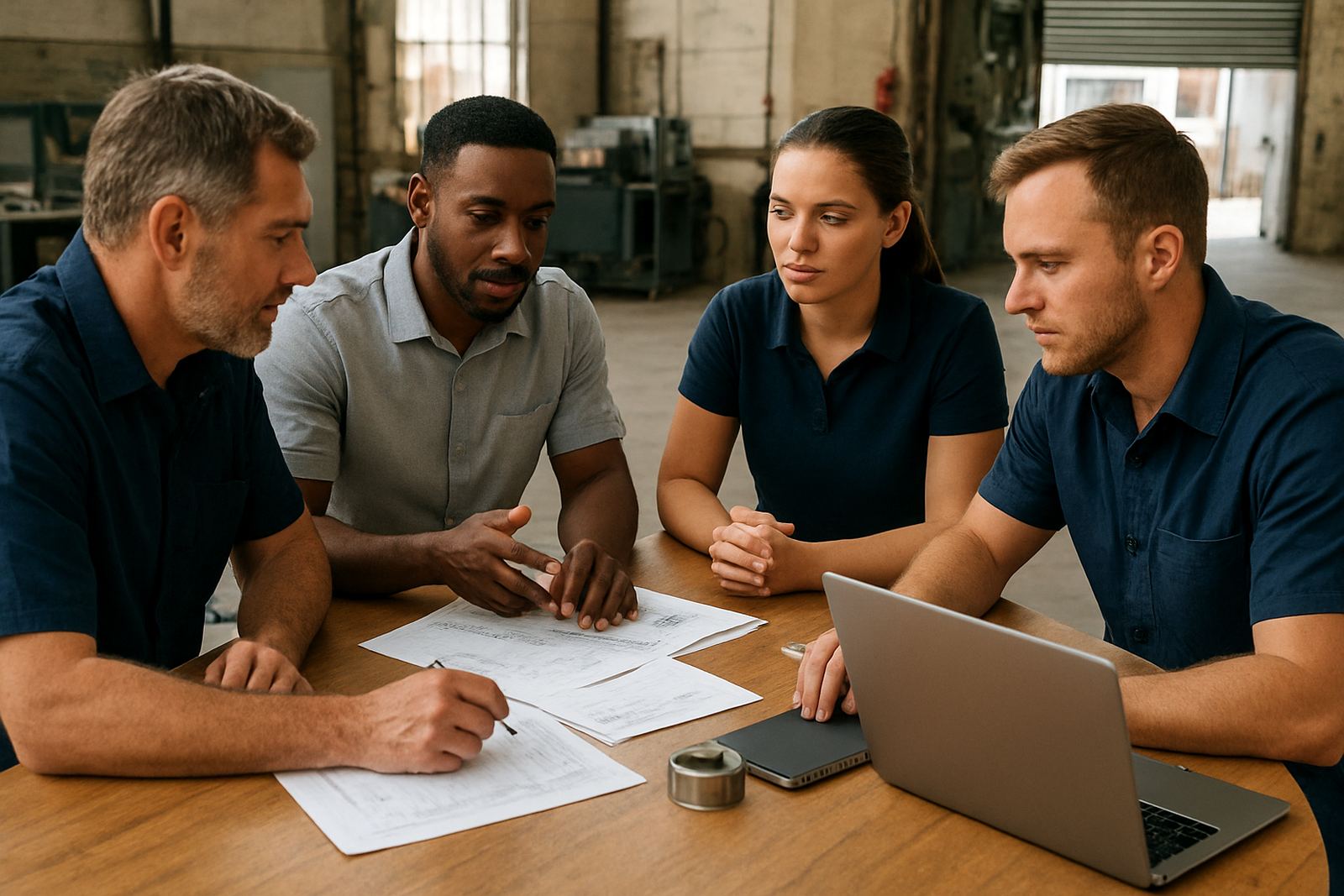
A clean way to narrow the choice is to work through the job list with your supervisor, operator and production lead. Write down the material grades, the section sizes, the joint types and the daily volume. Then compare that list to the machine power range and ask where the real pressure points are.
- What thickness do we weld most often
- How many hours per day will the machine run
- Do we need speed, cosmetic finish, or both
- Is our power supply stable enough for the selected model
- Will one operator use it, or several across shifts
- Do we need training, commissioning and refresher support
If you are uncertain, test the machine on your own parts before committing. A proper demo at a fabrication shop can show whether the chosen power level handles your seams, your fit up and your workflow. That practical check is worth more than any brochure claim.
After-sales support matters as much as wattage
The right power level is only part of the decision. A machine also needs setup, operator training, process adjustment, routine care and a clear response path if something changes in production. For stainless fabricators, that support can be the difference between a machine that sits idle and one that earns its keep every week.
Laser-Welder supports fabricators from Spartan, Kempton Park and surrounding areas, with demos and welder training at fabrication shops nationwide. We help with commissioning, process optimisation, preventive maintenance, breakdown response, spares supply, consumables support, remote help, weld testing, production rollout and refresher training. If your shop is in Alberton, Boksburg, Edenvale or further afield, the same practical approach applies: match the power to the work, then set the team up to use it properly. That is where the value shows up, not in the machine alone.