Start with the right operator before the first weld
Although handheld fibre laser welding is quick to pick up, the best results come from choosing the right operator and allowing proper time on the machine. In a stainless steel shop, the first operator should already understand joint fit-up, heat control, weld appearance, and basic workshop safety. That makes the learning curve shorter and keeps scrap down.
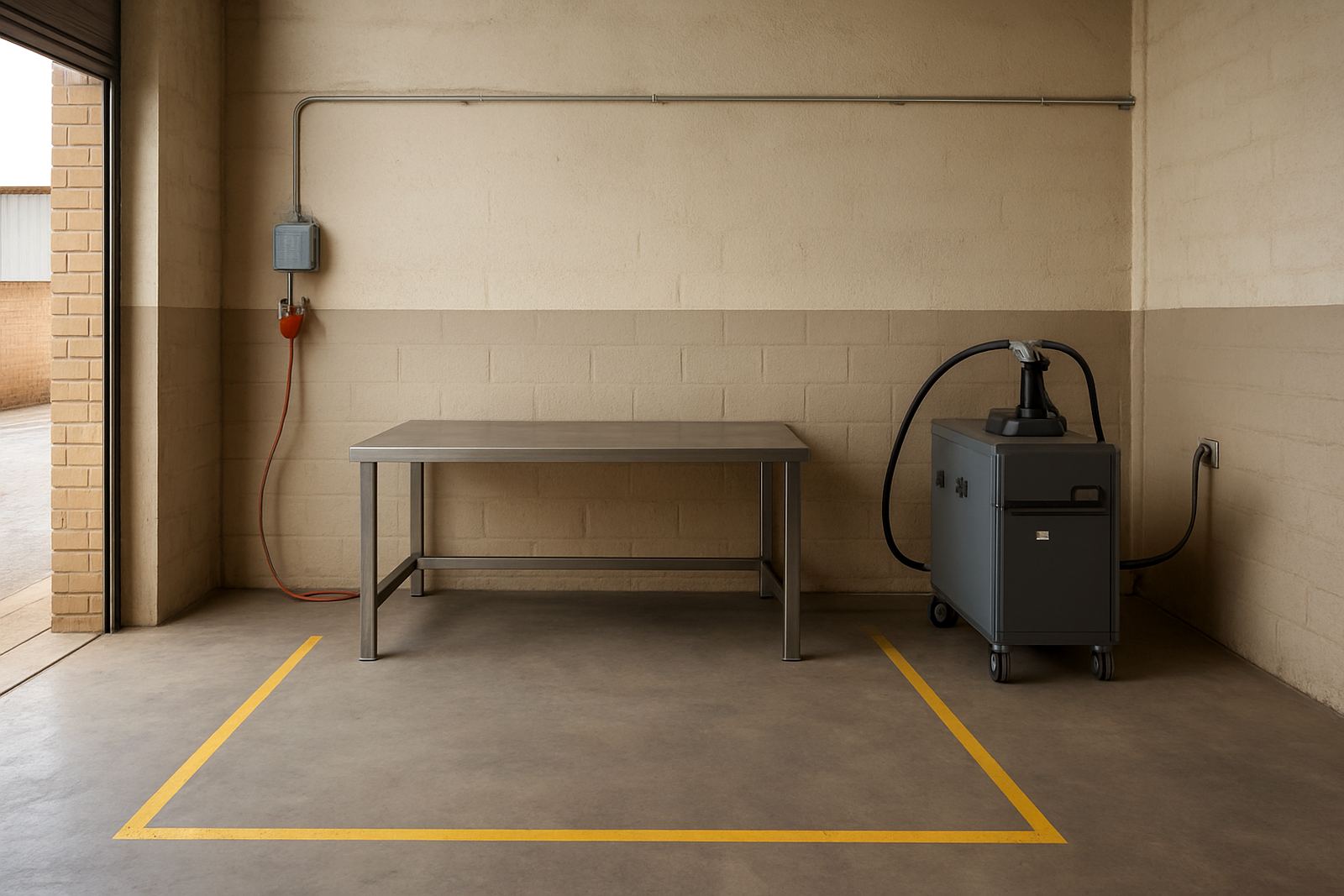
Before training begins, clear a safe area near the machine, confirm power availability, and make sure shielding gas, wire feed settings and materials are ready. In Spartan, Kempton Park and the wider Ekurhuleni area, many shops also need to plan around load-shedding and compressor use, so the training day must be practical from the start, not theoretical. If the first shift includes different operators, pick one lead operator and one back-up so the process does not depend on a single person.
- Choose an operator who already handles quality checks.
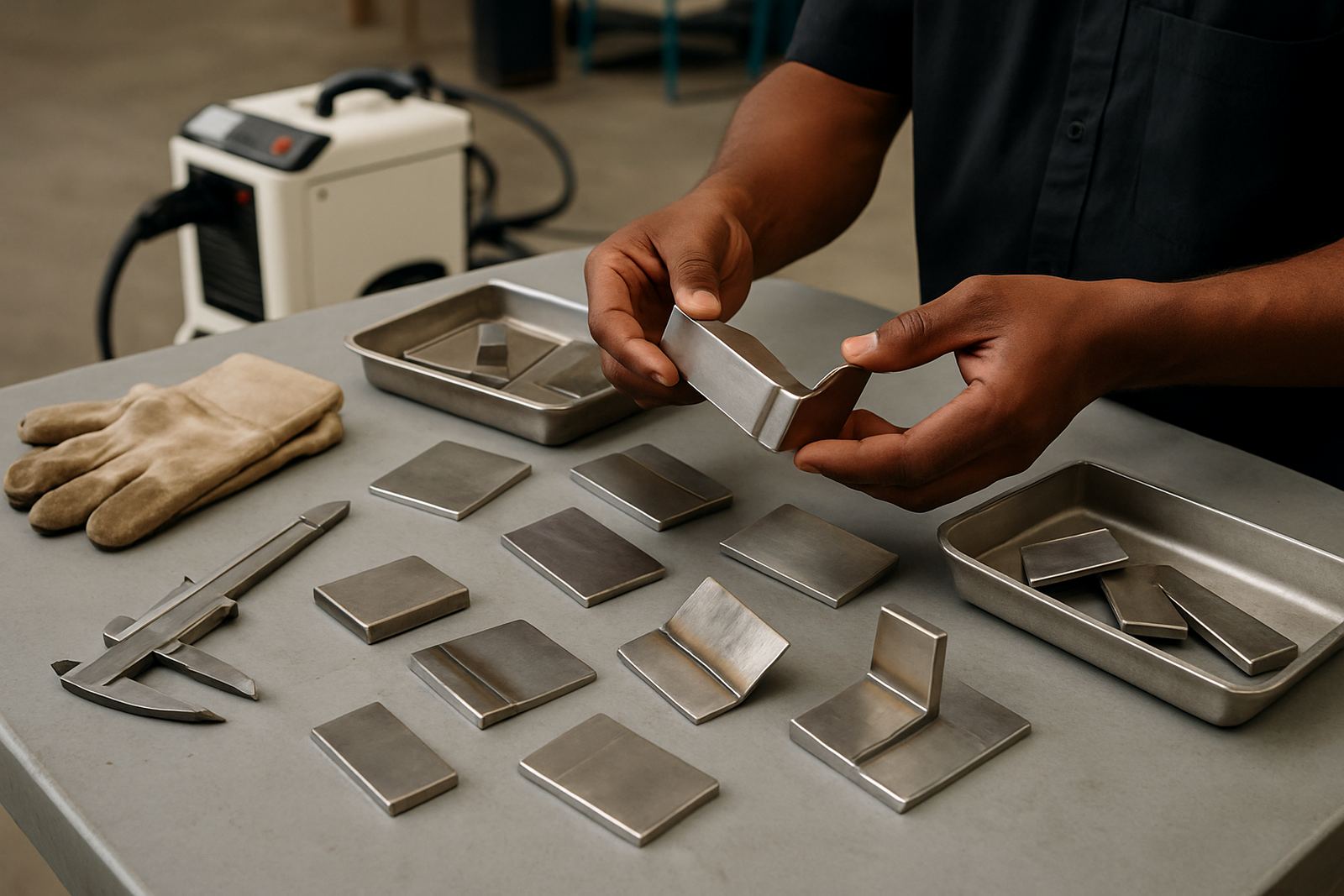
- Set aside clean stainless test pieces in the common thicknesses used on site.
- Confirm PPE, gloves, eye protection and weld screens are on hand.
- Plan for a full session, not a quick handover between jobs.
Use a step-by-step training method that fits the workshop
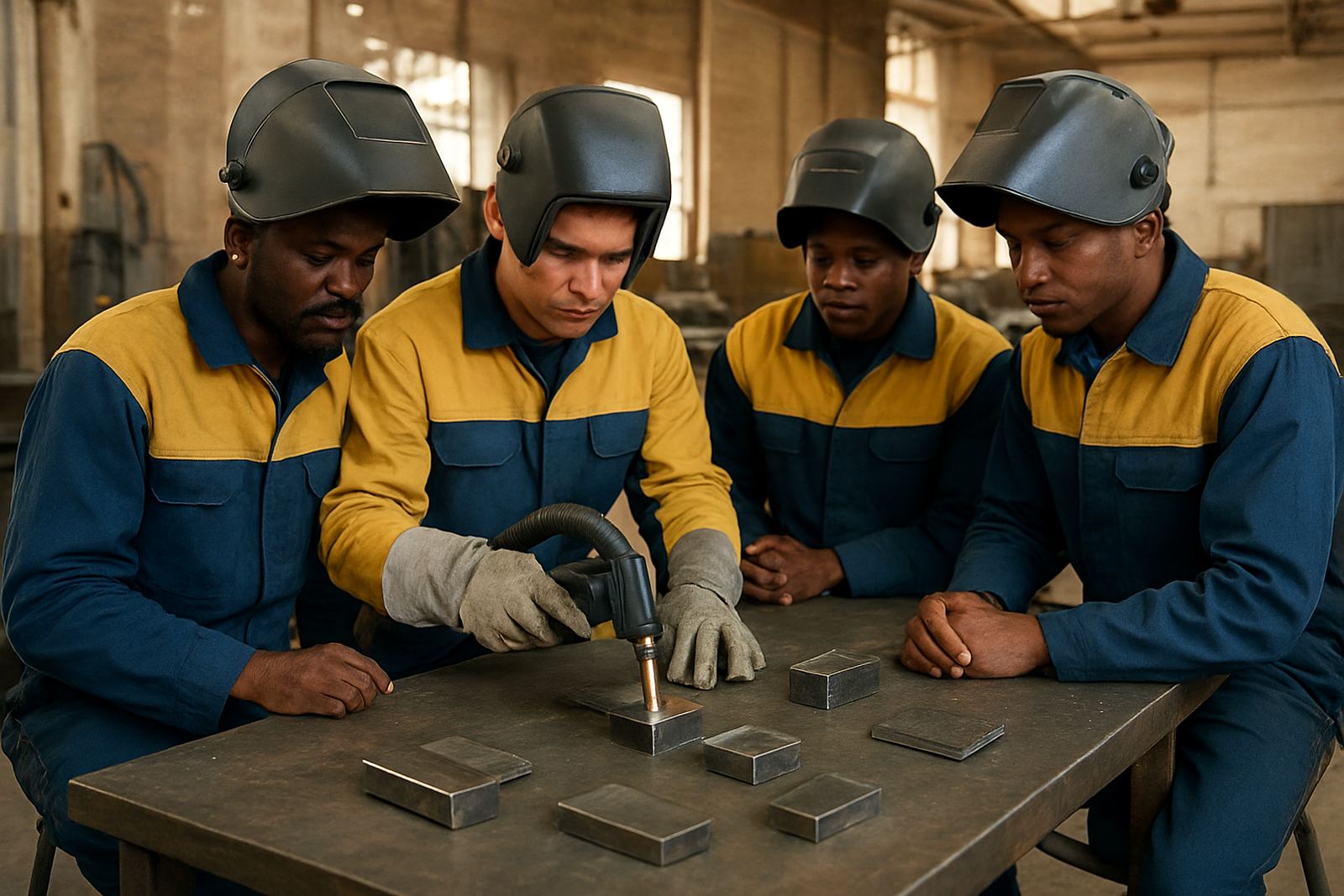
The best way to train is to move from machine familiarisation to live welding in stages. Start with the controls, safety checks, torch handling, and correct stand position. Then move to scrap material, followed by simple production joints. For fabricators working with cabinets, tanks, food-grade fittings or decorative stainless work, this helps the operator see how heat input, travel speed and torch angle affect the finish.
Training should include a clear explanation of what good looks like. A clean bead, consistent width and minimal distortion are usually the target. If the job needs back purging, clamping, or careful edge prep, that must be shown during the session. Do not assume the operator will figure it out later because the machine feels easy to use. Easy to use still needs correct habits.
- Demonstrate start-up and shut-down in the same order every time.
- Show how to clean and prepare stainless surfaces before welding.
- Explain settings changes in plain terms, one variable at a time.
- Test on scrap before moving onto customer work.
Supervise the first production runs closely
After the first training session, the operator should not be left completely on their own. The first production runs are when bad habits can creep in, especially if the workshop is under pressure to meet deadlines. A supervisor or team lead should check joint fit-up, first-piece quality, and whether the operator is keeping a steady pace. In larger manufacturing environments around Isando, Jet Park and Germiston, this supervision is often the difference between a smooth rollout and repeated rework.
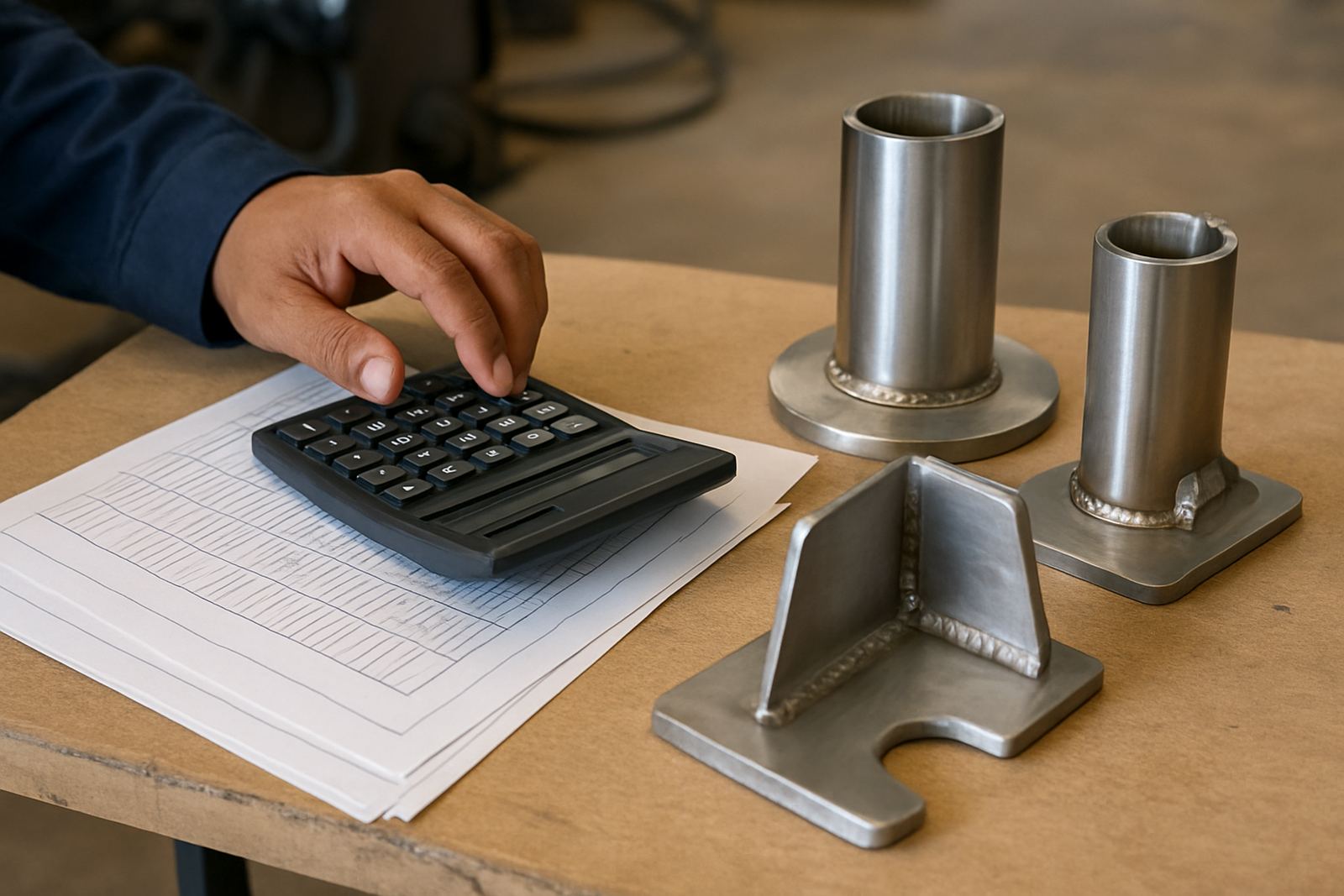
Use a short sign-off sheet for the first jobs. Note the material thickness, weld type, setting used, and the result. If a part fails visual inspection, correct it immediately while the details are still fresh. Keep the feedback direct and practical. It helps to review one part at a time rather than giving a long list of comments after the job is complete.
- Check the first welds at the start of each shift.
- Review part fit-up before the torch is switched on.
- Confirm the operator knows when to stop and ask for help.
- Record any recurring issue so it can be fixed at source.
Build refresher training into the monthly routine
Even a well-trained operator needs a refresher after a few weeks of production. New jobs, staff changes, and different stainless grades can all affect the result. A short follow-up session every month or after a major job change keeps the team aligned and reduces avoidable faults. This is especially useful in shops with rotating shifts or seasonal spikes in work.
Refresher training should cover the faults that actually happen on your floor, not just general advice. If the common issue is heat marking, focus on speed and technique. If the issue is inconsistent penetration, review joint prep and travel distance. The goal is not to reteach everything, only to correct the habits that are costing time and material.
- Review recent rejects and rework before the session starts.
- Repeat the key settings for your main stainless jobs.
- Check whether more than one operator needs the same refresher.
- Keep notes so the next session starts with the right points.
Use support after installation, not only when something breaks
Good support should continue after the machine is commissioned. When a workshop has access to remote help, spares supply, consumables support, and breakdown response, training becomes part of a wider production system rather than a once-off event. That matters when a line stops, a lens needs attention, or a setup needs checking before a delivery deadline.
For fabricators in Ekurhuleni and further afield, follow-up support also helps when work shifts from one product type to another. A machine set for light sheet work may need different handling on thicker brackets or tubular assemblies. With process optimisation and weld testing, the team can confirm that the settings still suit the job and that the weld quality remains consistent across shifts.
- Keep the machine log updated after each major adjustment.
- Track consumables used so replacements are ordered in time.
- Call for help early if weld quality changes without warning.
- Use test coupons when introducing a new material or joint.
A simple training checklist for workshop managers
A short checklist helps managers keep training practical and repeatable. It also makes it easier to hand over responsibilities when a supervisor is off site or on another line. In a busy stainless workshop, small omissions can create delays quickly, so the checklist should be visible and easy to follow.
Before each rollout, make sure the shop has the right material, the right person, and enough time to train without rushing. If the team is spread across Spartan, Kempton Park, Edenvale or Boksburg, the same standard should still apply. Consistency matters more than how fast the session is done.
- Machine installed and commissioned.
- Power supply and safety checks completed.
- Operator trained on controls, safety and joint prep.
- First pieces tested and signed off.
- Supervisor briefed on the work standard.
- Refresher date set for follow-up.
When to bring in product application support
Some welding problems are not operator faults. If the joint design is awkward, the stainless grade is sensitive, or the finish requirement is tight, it helps to bring in application support early. A shop demonstration or weld testing session can settle the settings before production starts. That avoids wasting sheet, wire and time on trial and error.
If your team is opening a new line, changing to a new material thickness, or preparing for higher volume work, it is worth getting a process review before the pressure hits. The right training at the right time can save a lot of rework and keep production moving, even when the order book is full.
For practical training, supervision, and follow-up support after installation, use the enquiry form on our contact page and tell us what material, thickness and output you need to cover.