Why handheld laser welding is getting attention in South African shops
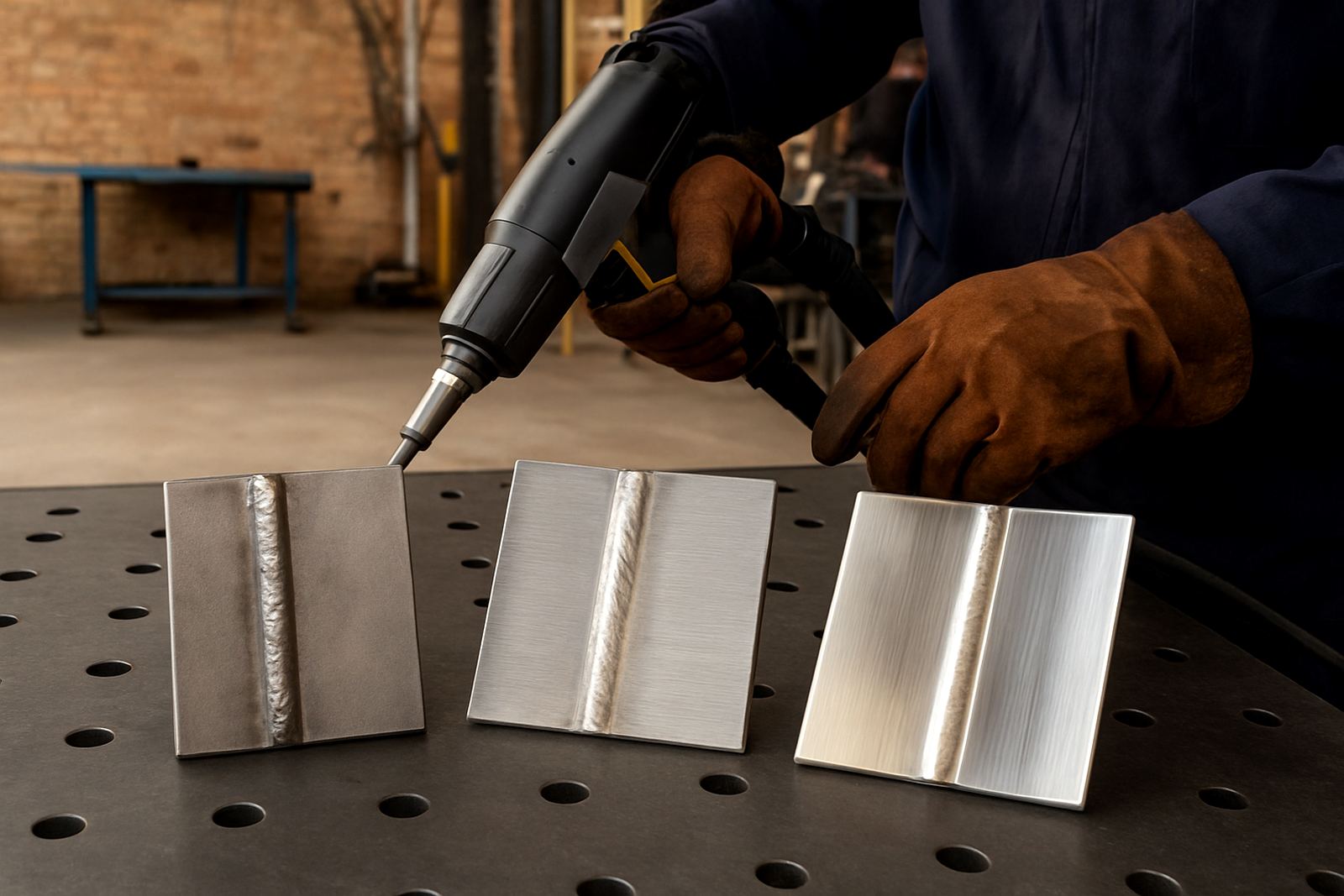
For many stainless steel fabricators, the pressure is simple: clients want better finish, shorter lead times and fewer call-backs. Handheld fibre laser welding fits that need because it gives a narrow heat input, steady travel speed, and a clean weld line that often needs less grinding afterwards.
In local terms, that matters when you are building counters, cladding, tanks, housings, kitchen equipment, or custom stainless assemblies for Gauteng plants. A workshop in Kempton Park or Isando can move from a slow, labour-heavy process to something more repeatable, especially when the team is handling mixed batches and tight deadlines. It also helps when power supply is not ideal and load-shedding keeps breaking the day into pieces.
The change is not only about speed. Many shops find it easier to train operators on a controlled handheld unit than to keep chasing perfect consistency with older methods. The process still needs skill, but it is more predictable and that counts when production must hold up across shifts.
What fabricators in Ekurhuleni are looking for on the floor
In Spartan, Kempton Park and the surrounding industrial areas, fabricators usually ask practical questions first. Will it handle 304 and 316 stainless? Can it run through long shifts? What happens if the workshop has dust, heat and frequent starts and stops? Those are fair questions because a machine that looks good on paper still has to survive the floor.
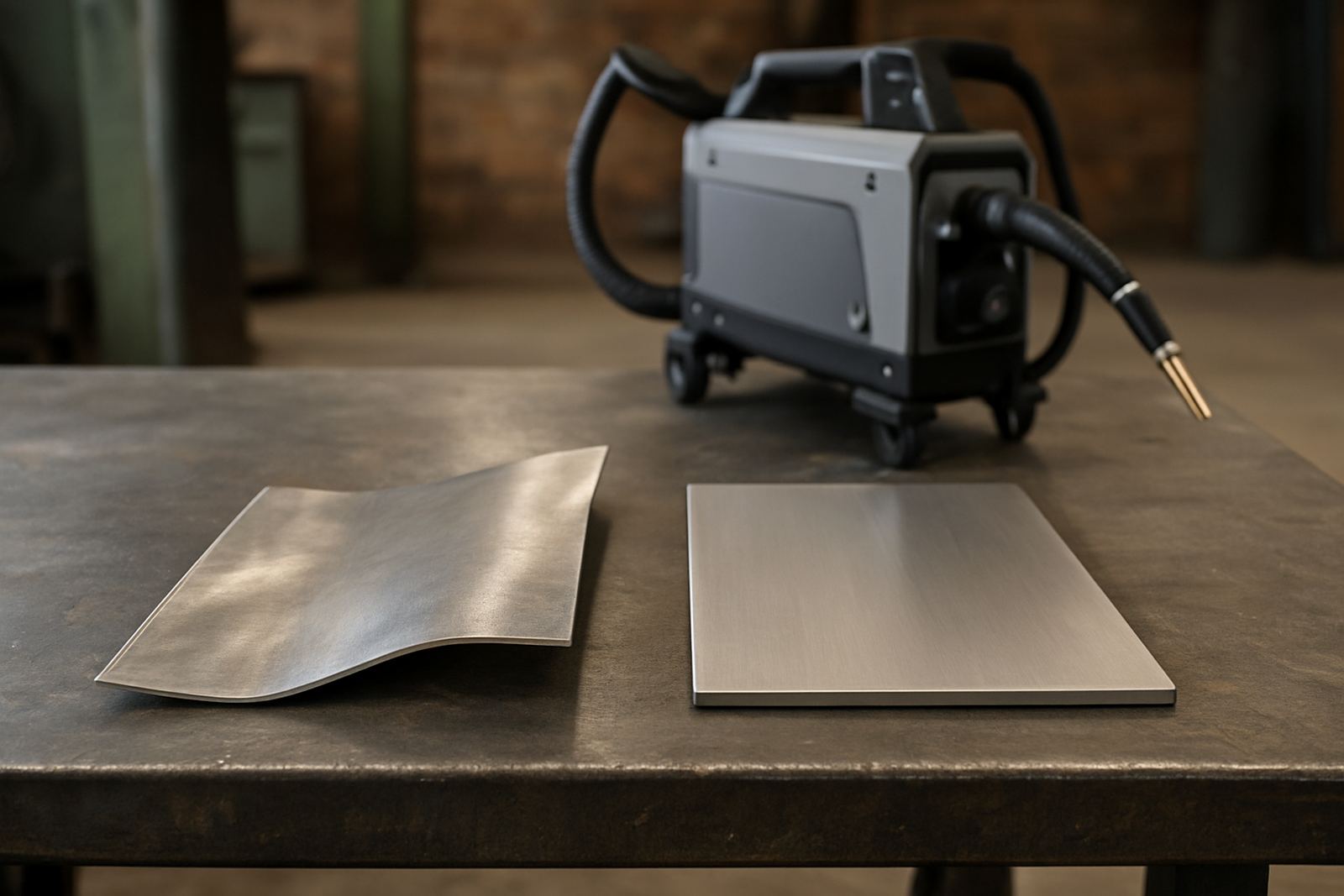
Most shops also want less dependency on highly specialised finishing after welding. On a busy week, every extra minute spent on dressing, polishing or correcting distortion has a cost. Handheld laser welding is often attractive because the bead can be neater, the HAZ smaller and the part easier to keep flat. For thinner stainless sections, that can save a lot of grief.
- Cleaner joints on visible stainless work
- Less heat distortion on thinner material
- Faster movement from tack to finished part
- Less dependence on heavy post weld grinding
That said, the process is not a fit for every job. Thick material, badly prepared edges or poor fit-up will still cause trouble. A good shop has to know where the equipment helps and where a traditional method still makes more sense.
Training matters more than the machine brochure
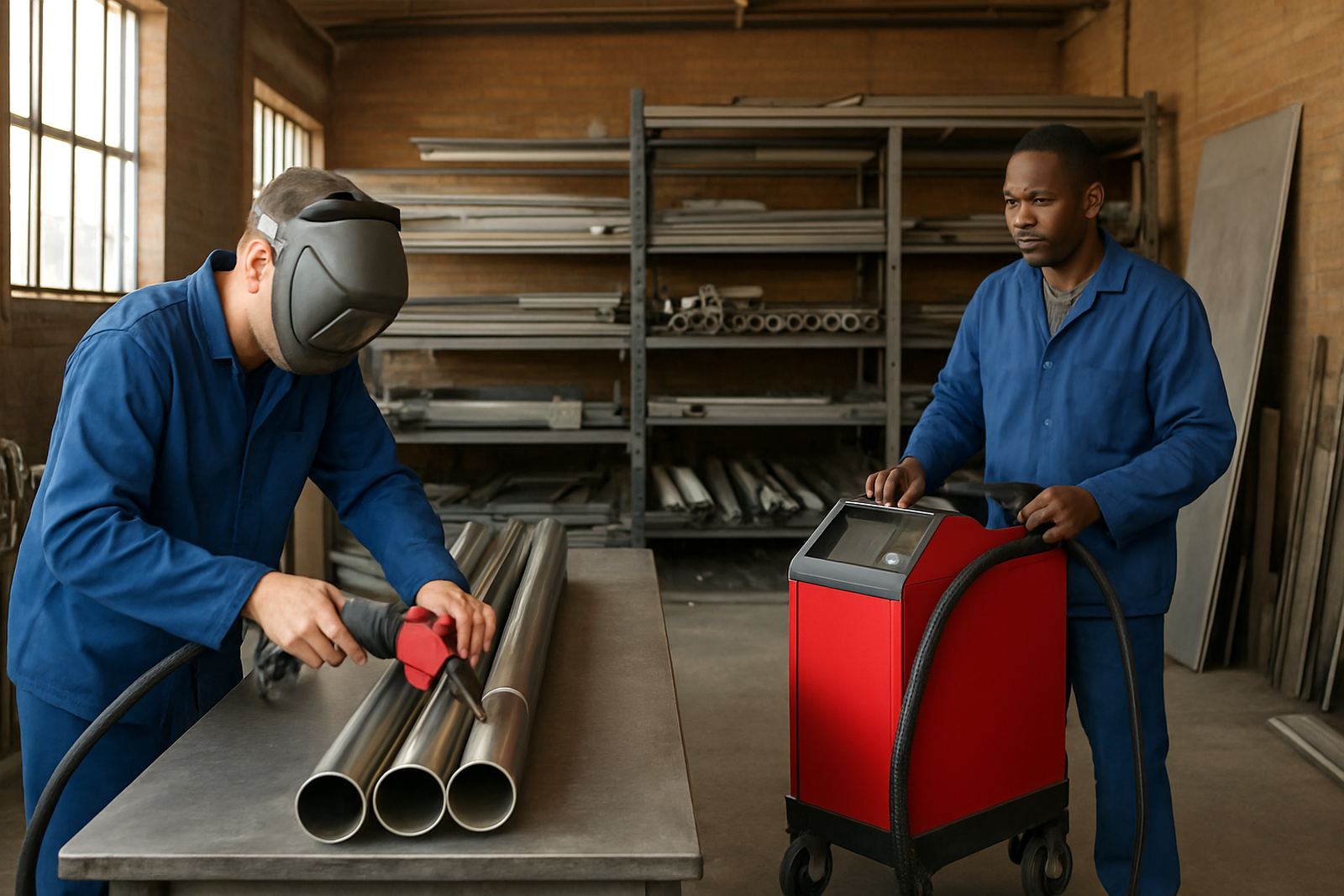
Many South African workshops do not need more claims, they need better hands-on training. If an operator does not understand speed, angle, joint prep, shielding and material handling, the result will be inconsistent no matter how good the equipment is. That is why in-shop training is a serious part of adoption.
At fabricators in Ekurhuleni and other regions, training usually starts with the basics: how to set up the work area, how to prepare stainless properly, how to keep the lens path clean, and how to test a joint before starting a production run. The aim is not theory for its own sake. It is to get dependable welds without slowing the day down.
- Operator training for new users and refresher sessions for experienced teams
- Weld testing before production rollout
- Process optimisation for speed, finish and repeatability
- Remote help when a shop needs quick guidance between visits
A practical supplier should also explain what the machine can and cannot do, instead of promising magic. That honesty saves time later and helps a shop decide whether one unit is enough or whether the process needs to be phased into more than one bay.
Keeping production moving when the day gets interrupted
South African fabrication does not run in perfect conditions. Power interruptions, delayed deliveries, and rushed changeovers are part of daily life. For that reason, any welding process needs to be easy to maintain and quick to bring back online after a stoppage. If a machine is difficult to restart or hard to diagnose, it becomes another bottleneck.
Preventive maintenance makes a real difference here. Clean optics, checks on consumables and proper storage between jobs help prevent most of the avoidable issues. A workshop in Boksburg or Germiston that keeps on top of those basics will usually see fewer breakdown surprises and better output consistency over time.
Breakdown response and spares supply also matter because many shops cannot afford long delays while waiting for a minor part. The value is not only in the repair itself, but in getting production back on its feet quickly. That can be the difference between finishing a client order on Thursday or carrying it into the next week.
A local example from a stainless fabricator in Kempton Park
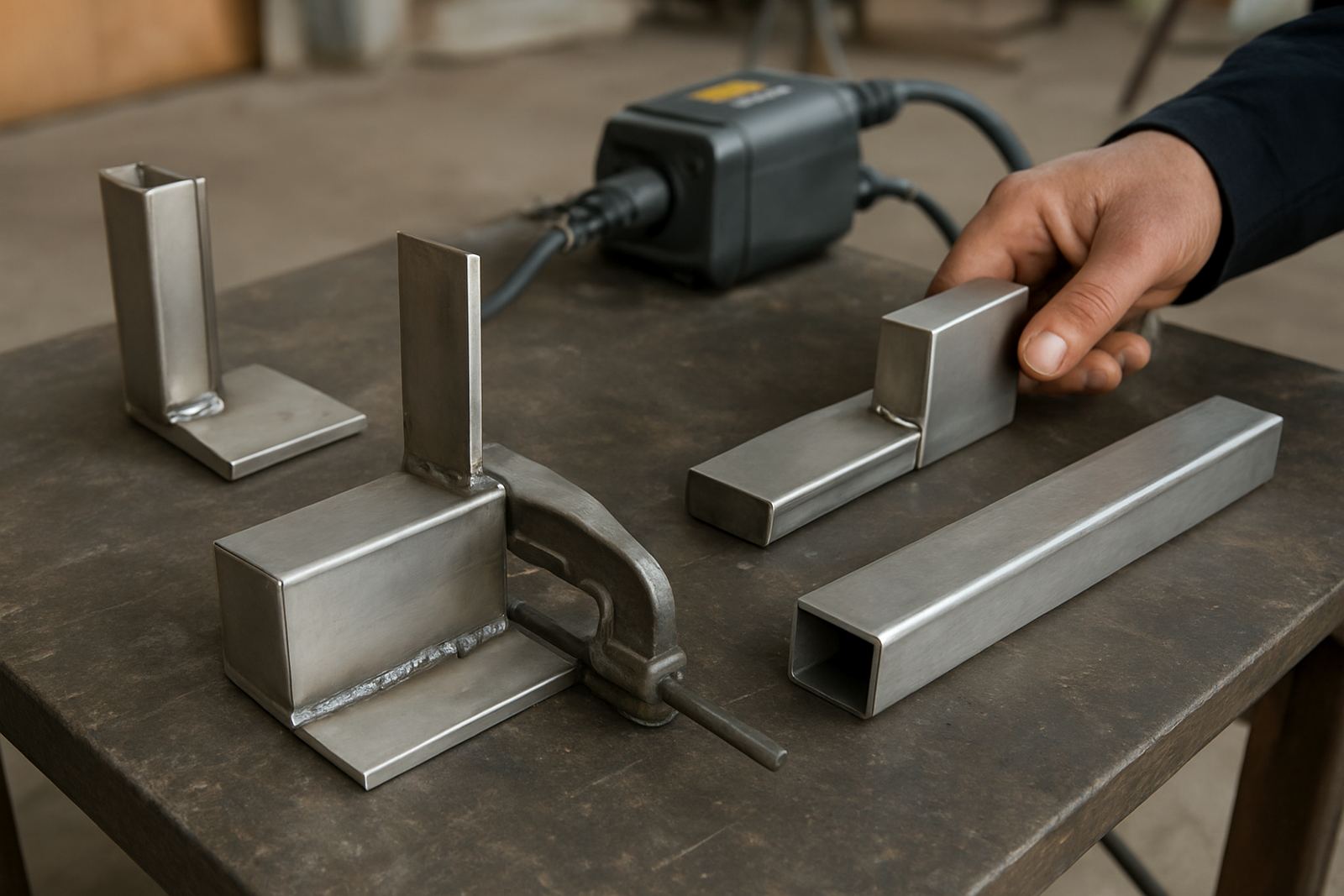
A typical example is a stainless steel shop working on a mix of small production batches and custom jobs. One week it may be kitchen fittings, the next week machine guards, brackets and product housings. The team needs neat welds and the ability to shift from one job to another without long setup times.
In that kind of setting, handheld laser welding is often introduced on selected parts first. The shop starts with demonstration welds, tests finish quality and checks whether the welds meet the required standard for the application. Then the operator training is extended and the process is rolled into regular production. It is a sensible way to reduce risk while still improving throughput.
This is also where application support counts. If the joint is awkward or the material prep is inconsistent, a technical visit can help sort out the process before bad habits set in. The point is not just to sell a machine, but to make sure it produces on the floor every day.
What South African buyers should ask before they commit
Before bringing handheld laser welding into a shop, buyers should ask a few direct questions. What thicknesses will be welded most often? Which stainless grades are used most? How will the process fit into current production? And who will own maintenance, consumables and operator support after commissioning?
It is also worth asking about demos at the workshop, because seeing the machine in a real shop tells you more than a sales conversation ever will. A proper demonstration should show the machine on the actual material used in the business, with the operator who will likely use it day to day. If the supplier can also support refresher training and process optimisation later, that is a strong sign they understand production pressure.
- Ask for a demo on your own stainless material
- Check how quickly the team can be trained to safe, repeatable operation
- Confirm maintenance support and consumables supply
- Plan for production rollout, not just a first test weld
For fabricators in Ekurhuleni, Johannesburg and further afield, the best results usually come from a supplier that can visit the shop, test the process, and support the team after the first order is completed.
A practical next step for fabricators across South Africa
Handheld laser welding is not a trend for show. In the right stainless steel workshop, it can improve finish, speed and repeatability in ways that matter to the bottom line. The key is matching the machine to the work, then backing it up with training, maintenance and proper follow-through.
Laser-Welder works with fabricators from Spartan, Kempton Park, Isando, Jet Park, Edenvale, Germiston, Boksburg and Alberton, with demos and welder training carried out at fabrication shops nationwide. If your team wants a closer look at how the process performs on real jobs, the enquiry form on the contact page is the place to start. A short demo can answer more than a week of guessing and it helps the shop make a solid decision.
For many local workshops, that is the real value: a process that fits the pace of South African manufacturing and gives the team a better way to keep quality up when the pressure is on.