Why skilled welders still need a reset when laser welding
A good TIG or MIG welder already understands fit-up, contamination, distortion and finish quality. The issue is that handheld fibre laser welding behaves differently enough that old habits can get in the way. Heat input is tighter, travel speed is quicker, and the join line must be set up with more care. On stainless steel especially, a small gap or oily edge can show up fast, and then the operator spends time chasing a problem that was avoidable.
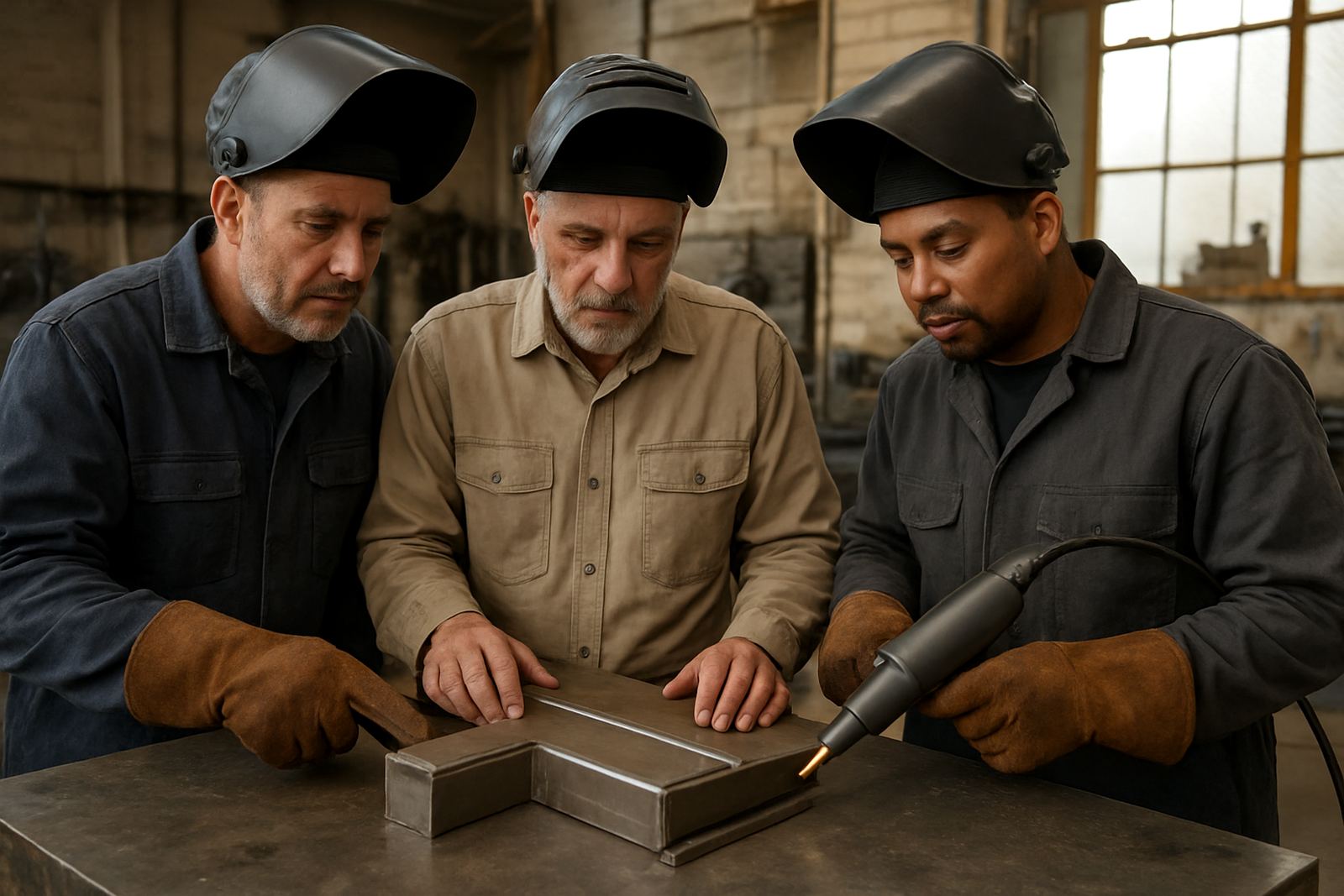
At Laser-Welder in Spartan, Kempton Park, we see this often when a shop first brings laser into the workshop. The operator is capable, but they are used to listening for arc noise, watching a puddle form and correcting as they go. With laser, the process is more precise and less forgiving of loose prep. Refresher coaching gives experienced staff a practical way to adjust without losing confidence or slowing the floor down.
What refresher coaching should cover in a working shop
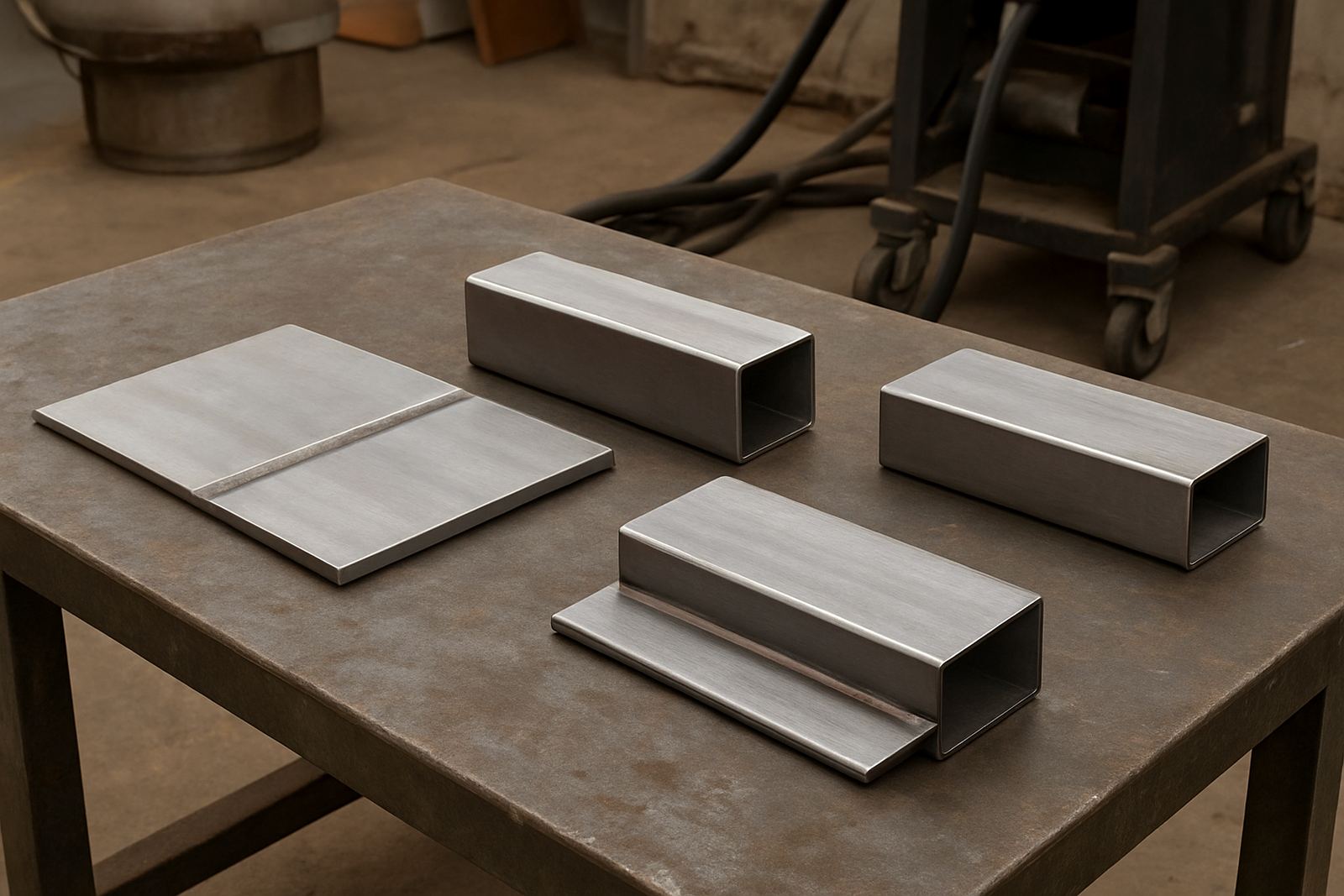
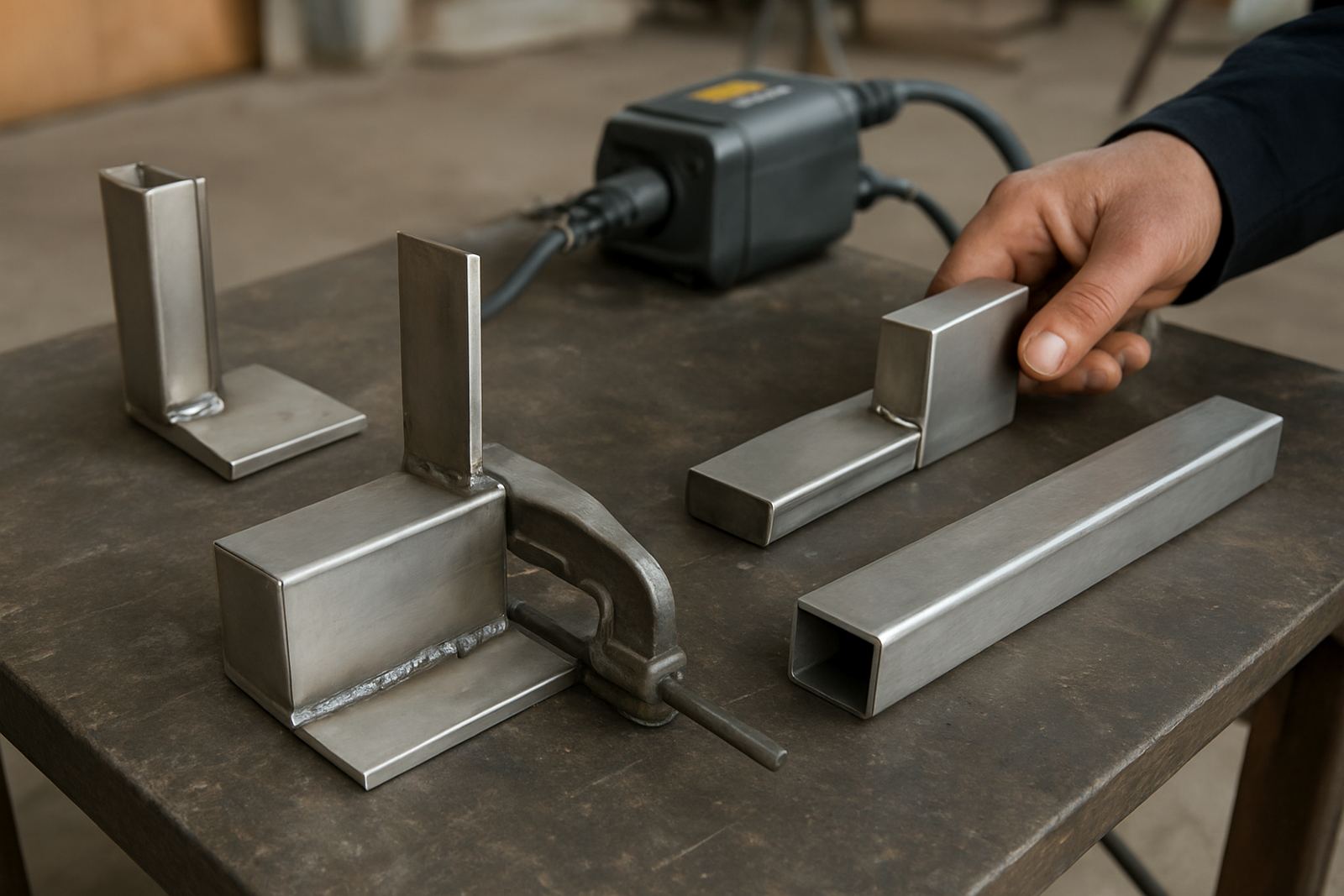
Refresher training should be hands-on and tied to the real parts a team makes every week. It should not feel like classroom theory on its own. For stainless steel fabricators, that usually means learning how to prepare edges properly, set the correct focus distance, choose the right speed and keep the torch angle steady over longer seams. The operator also needs to know what a good laser weld looks like compared with a weld that is too shallow, too hot or too narrow.
- Joint prep and edge cleanliness for 304, 316 and other stainless grades
- Heat control on thin material, corners and visible finish areas
- How to reduce warping on panels, guards and enclosures
- Safe use around reflective surfaces and workshop traffic
- Basic fault finding when a weld starts to look inconsistent
That kind of coaching helps experienced staff work faster without creating scrap. It also helps supervisors set a repeatable standard, which matters when more than one shift is using the machine.
Common habits that slow laser welders down
The biggest problem is usually not lack of skill, but carrying over habits from older processes. Some welders lean on too much filler when the joint was already tight enough. Others move too slowly because they expect a visible pool, which can add heat where it is not needed. A few still accept poor preparation because they are used to correcting gaps as they go. With laser, those shortcuts cost time and finish quality.
Another issue is assuming the machine can solve every fit-up fault. It cannot. Laser welding works best when the edges are clean, aligned and clamped properly. If a team knows that from the start, they avoid chasing the same fault across a production run. In a small workshop in Boksburg or a larger fabrication bay in Germiston, that can mean the difference between a neat batch and a stack of rework pieces.
- Do not rely on the machine to pull poor joints together
- Do not treat laser like a slower arc process
- Do not skip clamping on long stainless assemblies
- Do not ignore contamination from grinding dust, oil or fingerprints
How refresher sessions improve output in Ekurhuleni workshops
In Ekurhuleni, many stainless steel shops are working under pressure from short lead times, load-shedding interruptions and customers who want clean work straight away. Refresher coaching helps staff get reliable results even when the day is not ideal. Once an operator understands the machine properly, they spend less time testing, less time reworking corners and less time arguing over whether a seam is acceptable.
A practical example is a Kempton Park fabrication shop making stainless frames and covers for food and plant equipment. The team already had experienced welders, but their first laser trials were inconsistent because the prep team and the welding team were working from different assumptions. After process optimisation and refresher training, the shop tightened its clamp-up routine, standardised cleaning and reduced visible distortion. The result was cleaner finishing and a more predictable workflow, which made scheduling easier. Not perfect every day, but much better.
What the Laser-Welder team can support during rollout
Refresher coaching works best when it sits alongside machine commissioning and practical support. Our team in Spartan, Kempton Park helps fabrication shops with shop demonstrations, weld testing, operator training and production rollout. If a team needs a second look after a few weeks on the machine, we can also help with process optimisation, preventive maintenance and breakdown response. That matters when a workshop cannot afford a long stoppage or a poor batch.
Support is usually most useful at the point where production starts to scale. Early on, the machine may be used for a few neat sample jobs. Then the pressure rises and the same operators need to repeat the process across more parts and more shifts. That is where refresher coaching keeps the standard steady. We also help with spares supply, consumables support and remote help when a shop needs fast guidance between visits.
- Commissioning for new machines and new sites
- Refresher training for experienced welders and supervisors
- Production rollout for repeat work and batch jobs
- Weld testing on sample parts before full use
- Maintenance support to keep output consistent
Building confidence without slowing the floor down
Experienced staff usually want one thing from refresher training: no fluff. They want to know what changes, what stays the same and how to get back to production quickly. The best sessions are short, direct and based on actual parts. That way the operator leaves with a clearer method, the foreman has a better standard to enforce and the business sees the benefit in fewer rejects.
For stainless steel fabricators across Isando, Jet Park, Edenvale, Alberton and beyond, refresher coaching is not about correcting skill. It is about adapting proven skill to a different process. A good welder can make the change quickly when the guidance is practical. And once the team is aligned, the machine starts doing what it was brought in for: cleaner welds, less finishing and steadier production, even when the week is busy and the power is not always on.