Why thicker stainless behaves differently
Once you move beyond light gauge material, stainless steel starts to punish sloppy technique. A thick section pulls heat away faster, so the welder has to balance penetration against distortion, undercut and poor fusion at the root. On fabrication jobs in Ekurhuleni, that can mean the difference between a tank seam that passes inspection and one that comes back for rework.
Heavier sections also store more heat as the job continues. The first pass may look fine, then the next run starts to wander because the plate is already warm. That is why travel speed, torch angle and bead placement need to stay consistent from start to finish, not just on the first 300 mm.
Joint preparation does half the work
For thicker stainless, prep is not a side task. It is part of the welding process. If the joint opening is too tight, you can end up riding heat on the surface without getting proper fusion deeper in the joint. If it is too open, filler demand goes up and the weld pool can become hard to control.
Good prep starts with clean edges, correct bevels and a fit-up that leaves you enough access for full penetration. Remove oil, marker, grinding dust and any contamination before the first tack. In coastal workshops around Durban or Nelson Mandela Bay, this matters even more because humidity and salt can leave films on stainless that seem minor but still affect the finish.
- Bevel thicker plate where required so the root can be filled properly.
- Keep root gaps even along the full length of the joint.
- Use clean clamps and tacks that will not trap dirt or scale.
- Check alignment before heating starts, because correction later is costly.
Travel speed and heat input need discipline
Heavier stainless sections usually need a steadier, more deliberate approach. Too much travel speed leaves cold laps or lack of fusion. Too slow and the weld pool gets too wide, with excess heat building into the surrounding material. That is where distortion starts, and on visible work the surface finish can go downhill quickly.
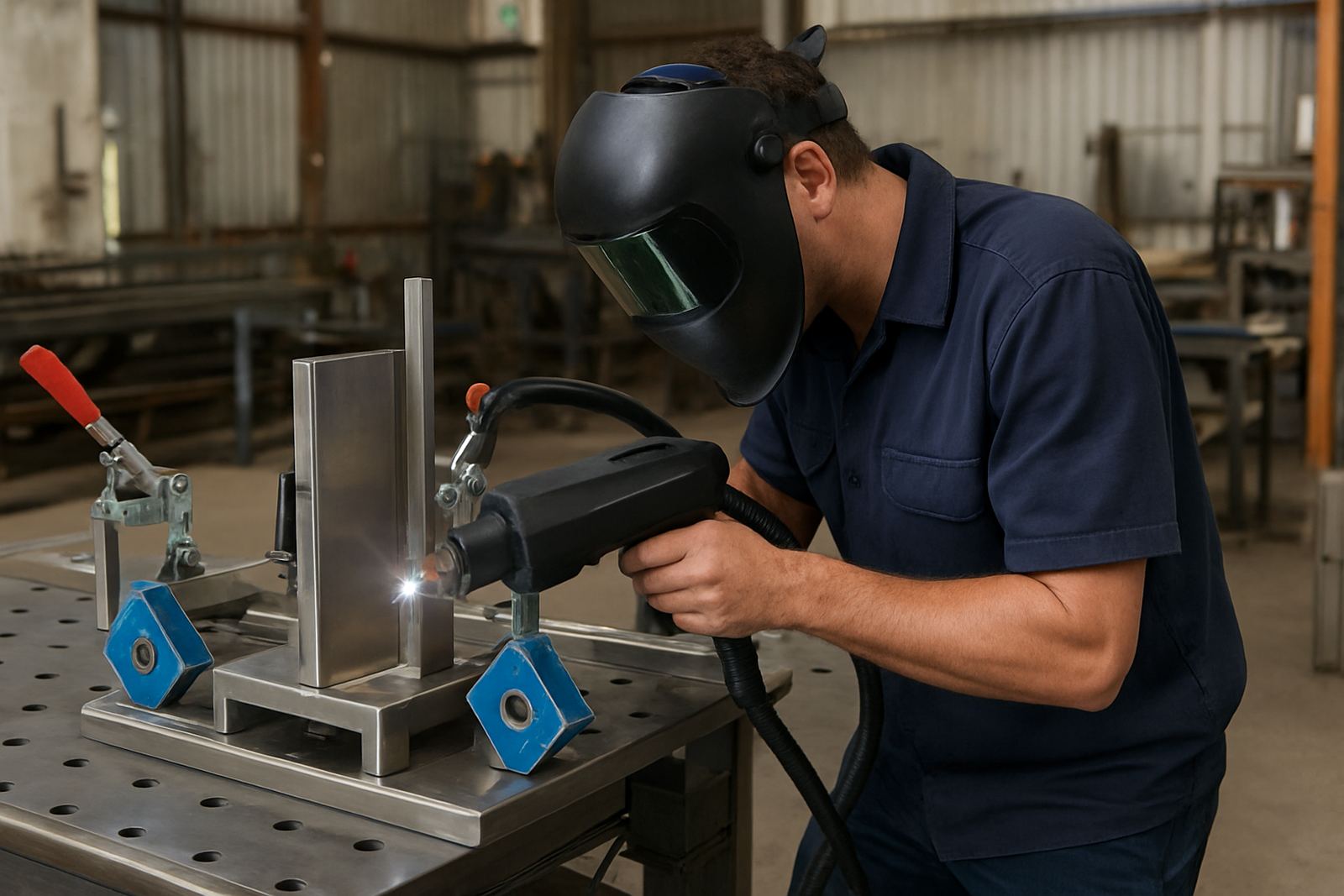
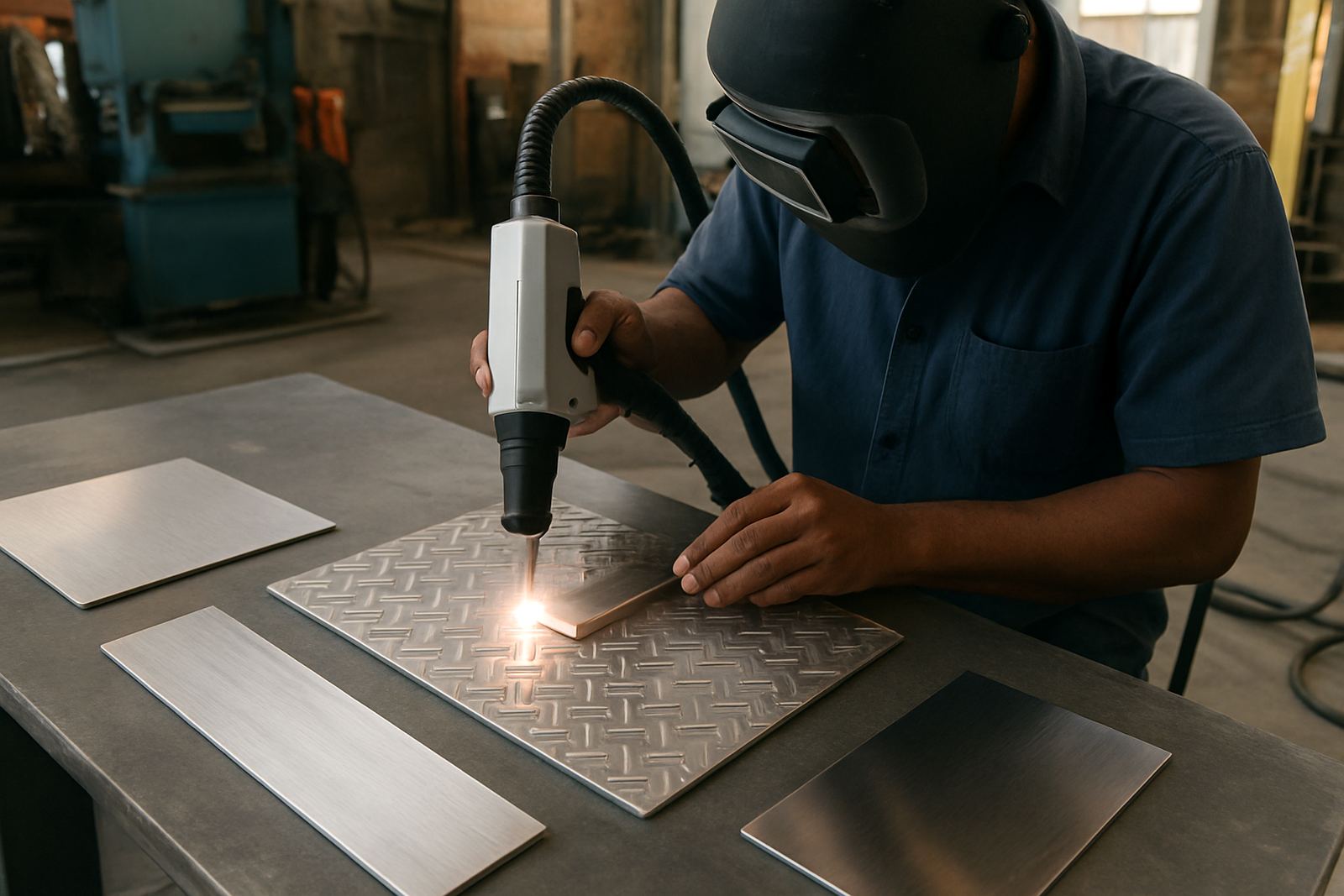
Handheld fibre laser welders help here because the energy is focused and controllable, which makes it easier to stay consistent over long runs. The operator still has to set the pace correctly, though. It is tempting to rush a joint when production pressure is on, but the real saving comes from getting it right the first time, not fixing a cracked or porous seam later.
- Use a steady pace that keeps the melt pool even across the joint.
- Watch both edges of the seam, not only the centre line.
- Pause only where needed for tie-in, not out of habit.
- Allow cooling between passes when the section starts holding too much heat.
Heat control matters on long production runs
When a workshop in Spartan or Isando is working through a batch of frames, flanges or housings, heat control becomes a production issue, not just a quality issue. Stainless expands and moves under heat, then pulls back as it cools. If the parts are not restrained correctly, the job can twist enough to affect fit-up on the next assembly stage.
It helps to plan the welding sequence before the torch comes out. Alternate sides where possible, break long seams into manageable sections and check the part after each step. If you wait until the end, correction can take longer than the welding itself. A good setup also reduces the need for grinding, which saves time and keeps the surface cleaner for polishing or passivation.
A local example from an Ekurhuleni fabrication shop
A stainless fabrication team in Kempton Park was making heavier support sections for equipment skids and kept fighting distortion on the longer seams. The joints looked tidy at first, but the assemblies were drifting out of square once they cooled. The issue was not only the weld. It was the combination of tight fit-up, inconsistent travel speed and too much heat in one area before moving on.
After the process was adjusted, the team changed the bevel prep, tacked in a more controlled sequence and set a clearer welding order for each frame. The result was fewer corrections, better repeatability and less time spent forcing parts back into line. That kind of change is practical, not fancy, and it pays off fast when you are running production under load shedding pressure and cannot afford wasted hours.
- Review the joint before starting every batch.
- Use the same sequence for each repeat part.
- Train operators on the exact travel pattern for thick material.
- Keep spare consumables and clean tools close to the station.
Training and testing before the job goes live
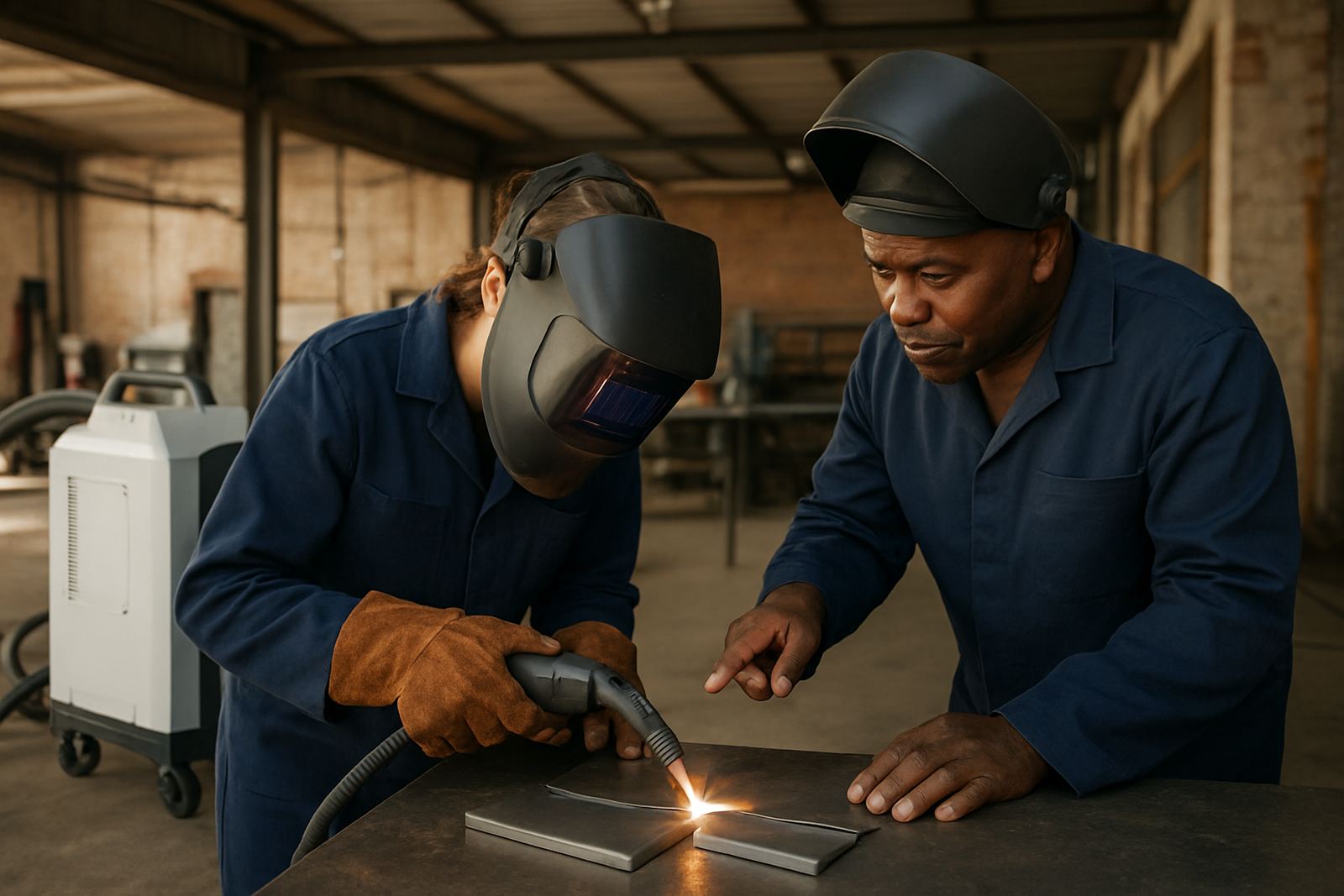
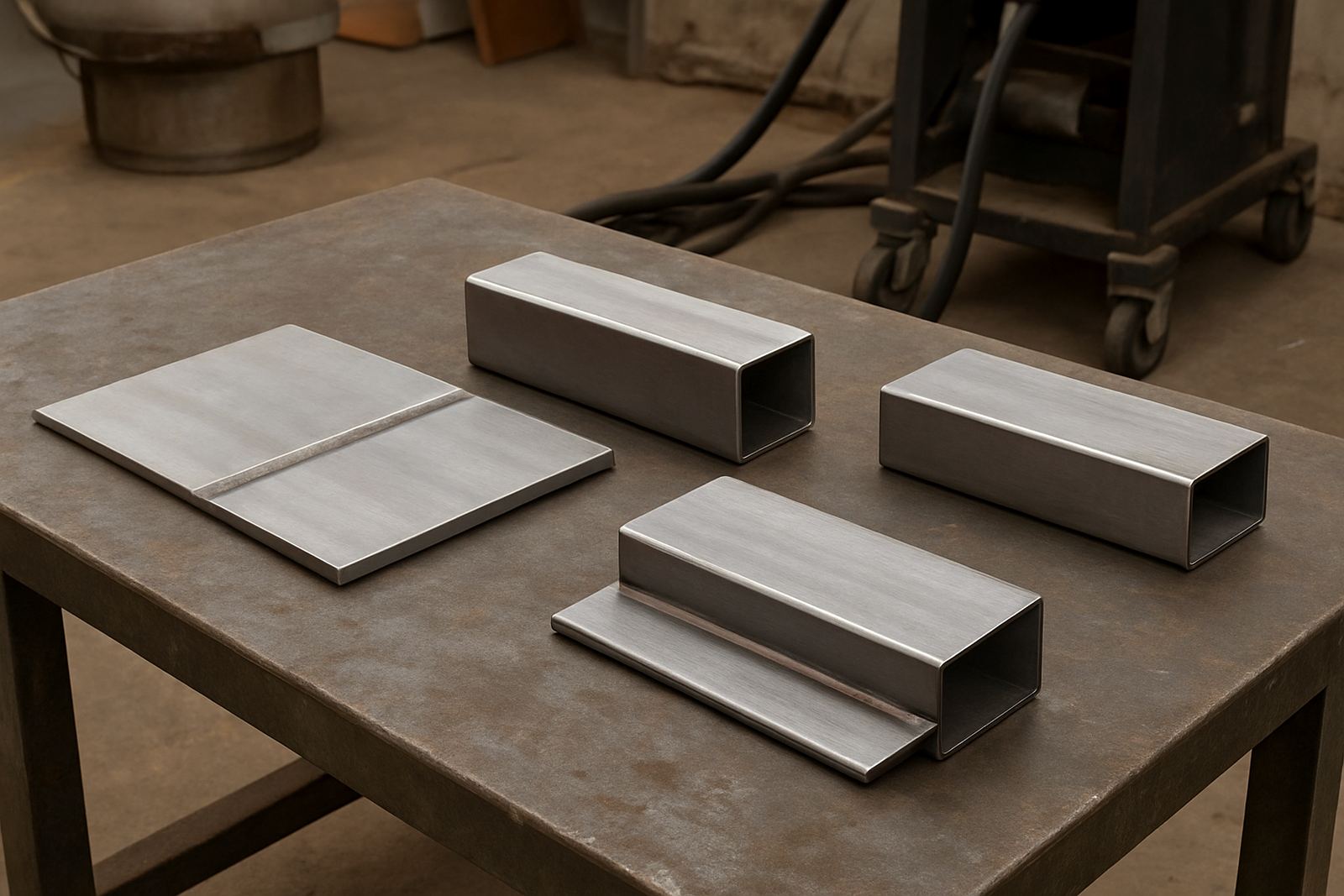
Thicker stainless sections are not the place to learn by trial and error on live production. Operators should test on offcuts first, check penetration and confirm the bead profile before the batch starts. That is especially useful when a workshop is taking on a new thickness range or moving from light fabrication into heavier work.
At Laser-Welder, demos and training are run at fabrication shops nationwide, with support for commissioning, process optimisation and weld testing. For shops in Ekurhuleni and beyond, that means the team can work on real parts, real thicknesses and the actual production rhythm on site. It is a practical way to build confidence and reduce rework, which matters when deadlines are tight and the client is waiting on the next delivery.
When thicker sections need a different setup
Not every job needs the same settings or even the same workflow. Thicker stainless may call for a different joint design, more careful clamping and a slower, more controlled pass. If the operator is still using light-gauge habits, the weld may look acceptable on the surface but fail under load or during pressure testing.
The right setup also helps with service life. A cleaner weld on a heavy section reduces the chance of repair work later, and that is important for fabrication shops serving food processing, plant maintenance, structural support or custom stainless equipment. If you want better repeatability, start with the prep, then set the travel speed and sequence before the first bead is laid.
For workshops in Spartan, Kempton Park and surrounding areas, the main lesson is simple: thicker stainless rewards planning. Once the joint is prepared properly and the heat is controlled, the rest becomes much easier, and the finished job looks like it was done with care because it was.