Why a clean handover matters after the first good weld
In a stainless steel shop, the move from test pieces to full production is where small gaps start costing money. A trial usually has one operator, one machine setting, and fresh material. Production brings in changing shift teams, different joint prep, deadlines, and the pressure to keep orders moving even when power supply or compressed air is not perfect.
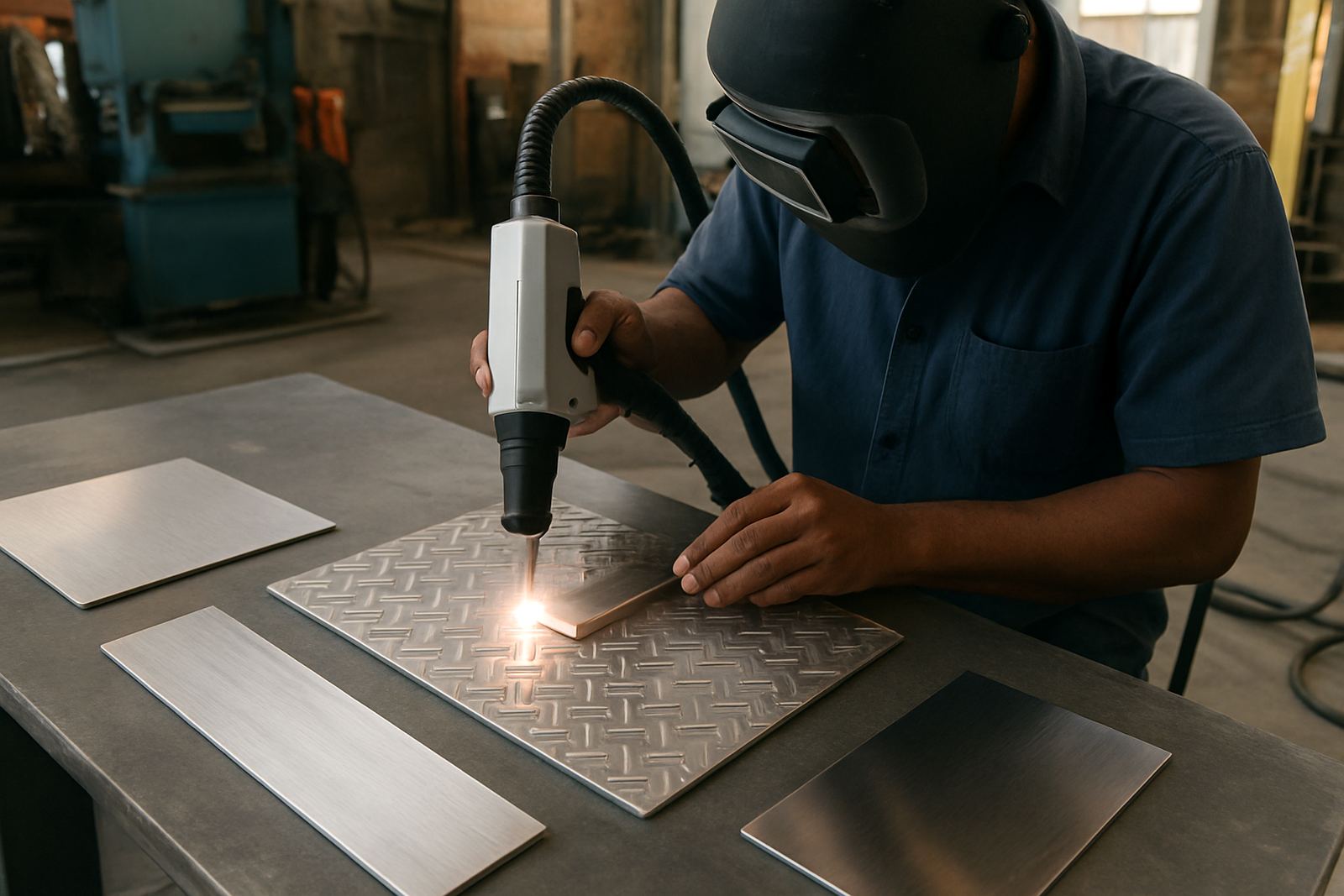
A proper handover gives the operations team a clear starting point. It sets the working range for the handheld fibre laser welder, the approved materials, the joint type, and the standard check before release. Without that, a good test can turn into inconsistent welds, extra grinding, or rework on the floor.
The aim is simple: the same result on Monday morning and Thursday afternoon, even when the job card changes and the team rotates. That is where practical notes, training, and a controlled sign off process matter more than a quick handover chat in the workshop.
Lock in the process window before production starts
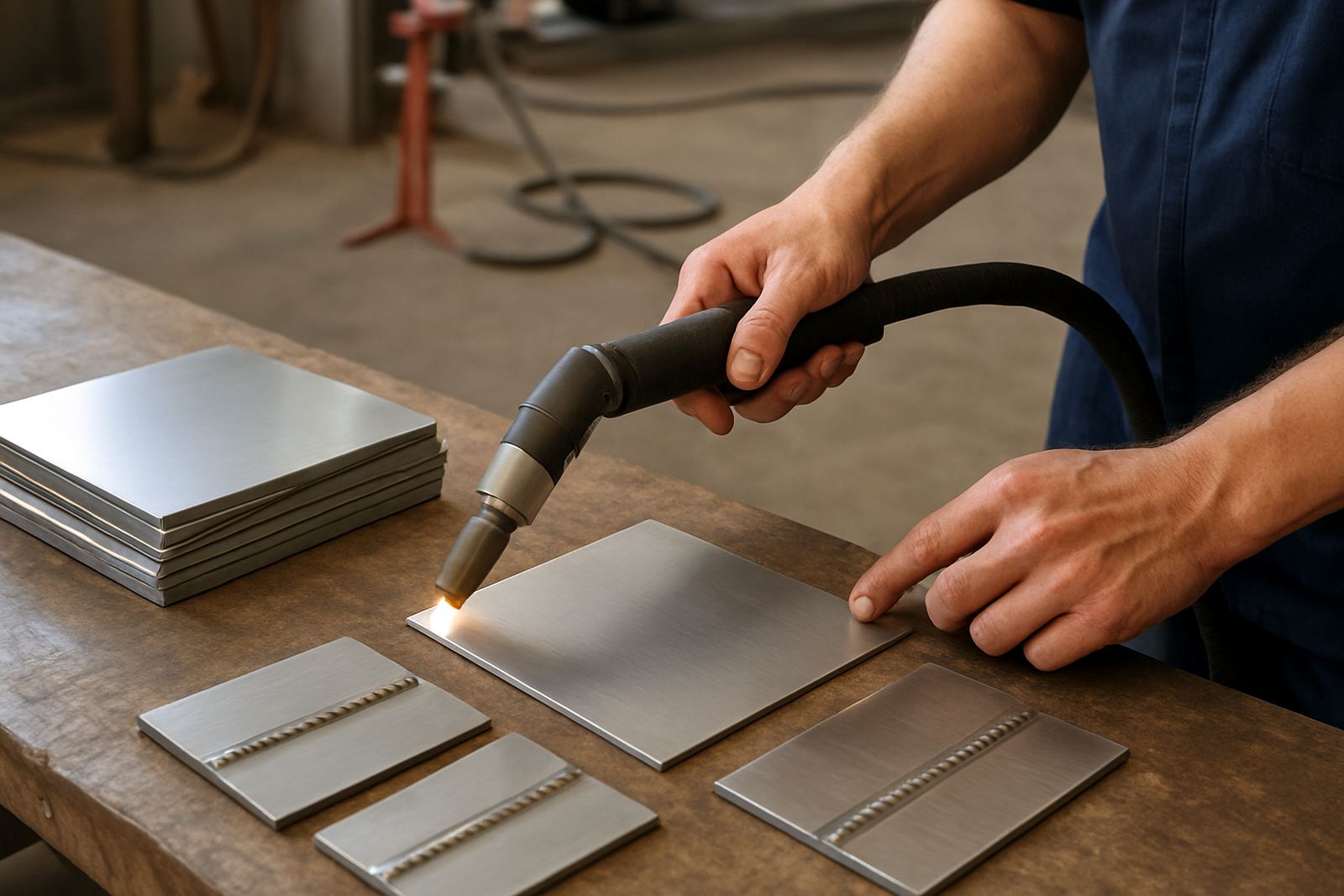
Before the first production batch, write down the exact process window that gave the best weld. That should include material grade, sheet thickness, joint gap, torch angle, travel speed, wire feed if used, and surface condition. Keep it simple enough that a shift supervisor can use it without guessing.
- Record the settings used on the final trial pieces, not just the preferred ones from earlier tests.
- Note the acceptable appearance of the bead, discolouration, and back side penetration.
- Mark the cleaning method for the joint, including degreasing, brushing, and fit-up tolerance.
- Confirm whether the job needs jigs, clamps, or positioners to keep the parts repeatable.
If the production team works from a written reference, it is easier to spot drift early. Even a small change in joint gap can affect consistency, especially on thin stainless where heat control is tight and the edge can move faster than expected.
Train the people who will actually run the machine
Training should happen on the shop floor, with the same people who will use the machine every day. A supervisor, a setter, and one or two operators should all understand the start-up routine, safety checks, lens care, gas flow, and what a normal weld looks like. If the trained person goes on leave, the line should not stall.
For handover to production, it helps to split training into clear parts: safe handling, basic operation, cleaning and inspection, fault spotting, and when to call for support. In a busy shop in Spartan or Jet Park, that structure saves time because people do not need a long theory session when all they want is to know how to keep output moving.
- Show the team how to check the fibre, torch head, and cooling system before each shift.
- Explain how to recover after a short stoppage or load-shedding interruption.
- Agree who may change settings and who must sign off on process changes.
- Keep a short visual guide near the machine for daily use.
A good handover also reduces the number of small mistakes, like leaving the shielding gas off or using a dirty joint face. Those errors are easy to miss in the rush, but they show up later as cleanup time and customer complaints.
Plan for the first production week, not only the first day
Most problems do not happen during the first few welds. They appear on the second shift, after a tool has been moved, or when the machine is needed for a different job with different material. For that reason the first week matters more than the first hour. Set a short review each day to check weld quality, machine condition, and output count against target.
A production rollout should include a simple log sheet for the operator and supervisor. It does not need to be fancy, just enough to track what was welded, what settings were used, and whether anything changed. If the same issue appears twice, the root cause is usually there already, it just needs to be written down.
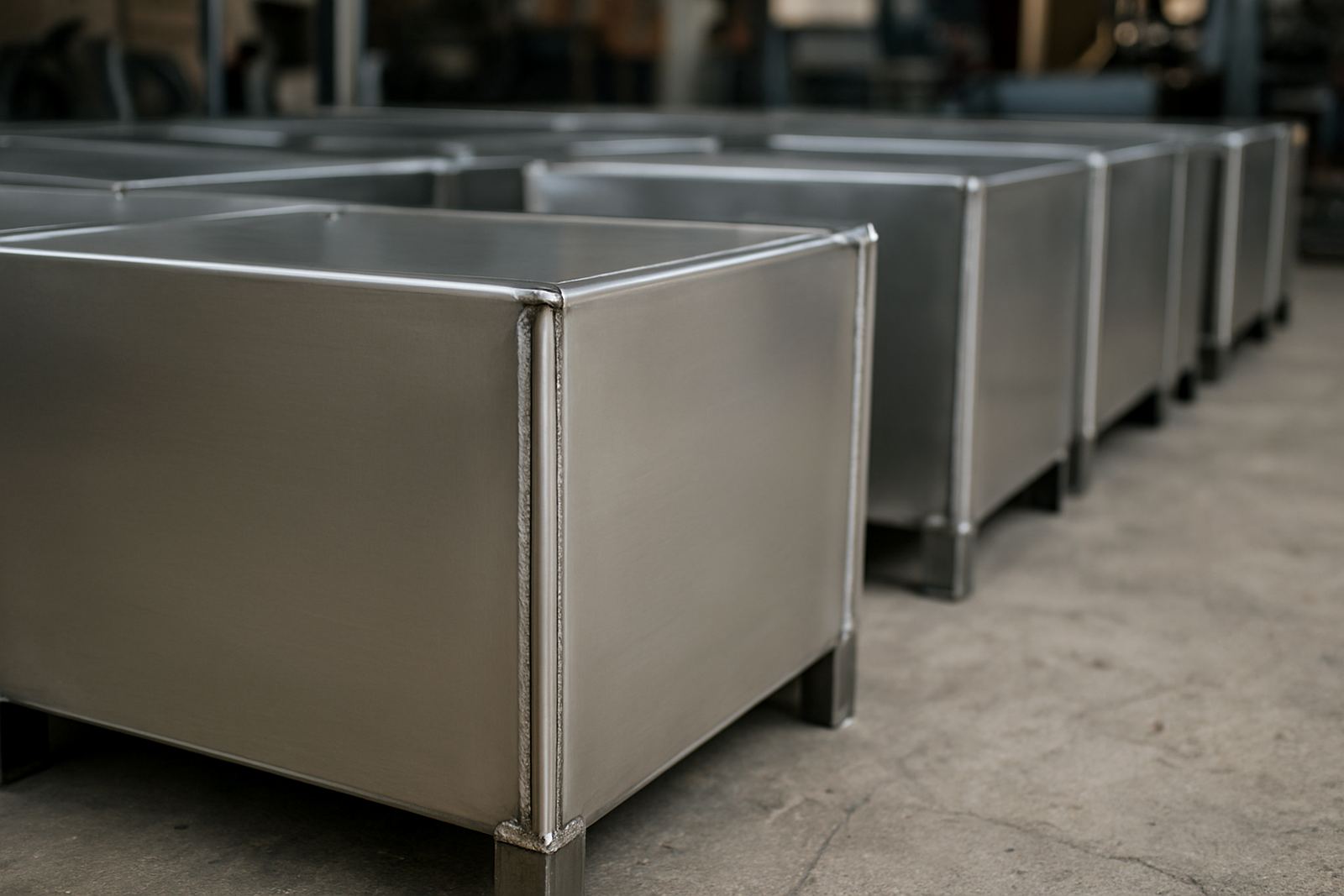
In one Ekurhuleni fabrication shop making stainless kitchen equipment, the trial welds were excellent but the first production run started drifting because the parts were not being cleaned the same way on each shift. Once the handover note included surface prep and clamp position, the rework dropped sharply and the team could keep up with dispatch. That kind of change does not need a new machine, only better control.
Keep support close after commissioning
Even with good preparation, a new welding process will need follow up. During the early production period, remote help and on-site support can save hours if a setting shifts or a consumable wears faster than expected. The point is not to wait for a breakdown, but to catch wear before it causes downtime.
Preventive maintenance should be built into the handover from the start. That means cleaning schedules, spare parts to keep on site, and a clear plan for breakdown response if the machine stops during a rush order. In South African workshops, that planning matters because power interruptions, heat, dust, and long operating hours all affect machine condition.
- Hold a quick review after the first week, then again after the first month.
- Check the machine records for recurring alarms or operator errors.
- Keep key consumables and spares on hand for fast replacement.
- Update the process note whenever a better setting or method is found.
When support stays close to the floor, the team gains confidence faster and management gets better uptime. That is especially useful where a job has penalties for late delivery or where a municipal or customer inspection expects neat, repeatable stainless finishes.
What a practical handover file should contain
A handover file does not need to be thick, but it must be useful. The best files are the ones an operator can open during a busy shift and act on without phoning around. Include the welding process notes, service contacts through the enquiry form, machine serial details, the approved settings sheet, and the names of the people responsible for training and technical follow-up.
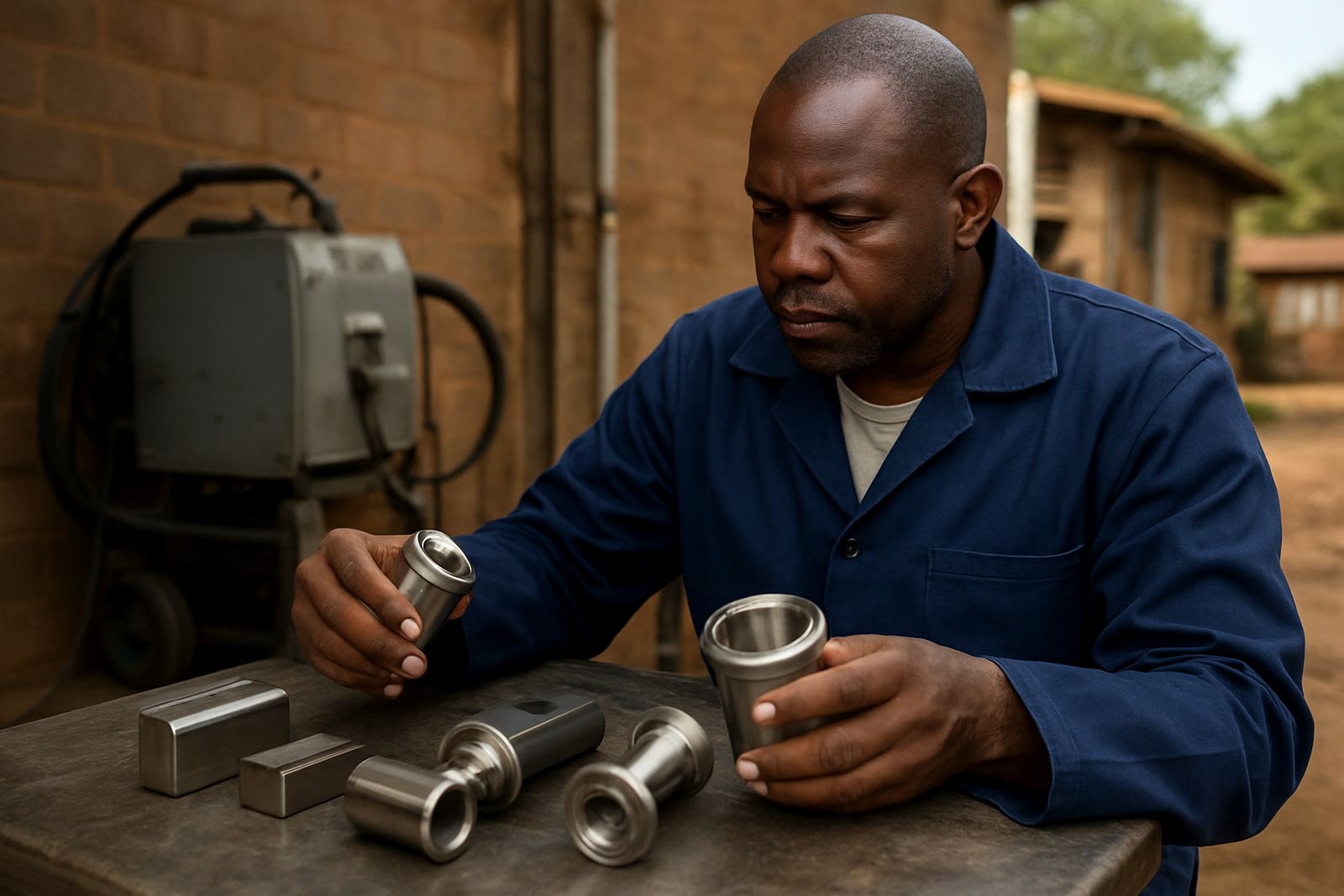
It is also worth adding photos of good welds, a list of acceptable defect levels, and a short troubleshooting guide. That guide should cover the most likely issues: dirty joints, gas loss, torch misalignment, poor fit-up, and overheating. If the shop runs multiple product lines, separate the notes by job number so no one uses the wrong settings by mistake.
For larger sites around Kempton Park, Germiston, and Boksburg, a central file at the production office and a copy at the machine makes life easier. That way the right information is available whether the problem starts on the day shift or late in the afternoon when the load slows and everyone is trying to finish the batch.
The handover goal is steady output, not just a successful demo
A machine demo can prove capability. A handover to production proves discipline. Once the welds are good, the real work is turning that result into something repeatable, shift after shift, with the same standard and less waste.
For stainless fabricators, that means clear settings, trained operators, planned maintenance, and fast support when the line needs help. Get those pieces right and the machine becomes part of the production rhythm instead of a special tool that only works when one expert is present.
At Laser-Welder, the focus after commissioning is to help the shop keep the same quality on day 30 that it had on day 1. That is the point where a handover becomes value, not paperwork.