Why corners are where quality shows first
On stainless enclosures, the corners tell the whole story. If the mitres are uneven, the gap varies from side to side, or the corner pulls during welding, the box will show it straight away. Doors may not close square, gaskets can sit unevenly, and a cabinet that should look crisp ends up needing extra grinding and rework.
For fabricators in Ekurhuleni, that matters on everything from electrical boxes to food-grade covers and wall-mounted cabinets. A neat corner is not only about looks. It supports alignment, reduces follow-up finishing, and helps the enclosure hold shape when it is moved, installed, or cleaned regularly.
In small workshops, corner quality also affects time. If every second enclosure needs correction, production slows down fast. In larger runs, the same problem multiplies across batches, so one poor setting can cost hours by the end of the day.
Fit-up before welding saves time later
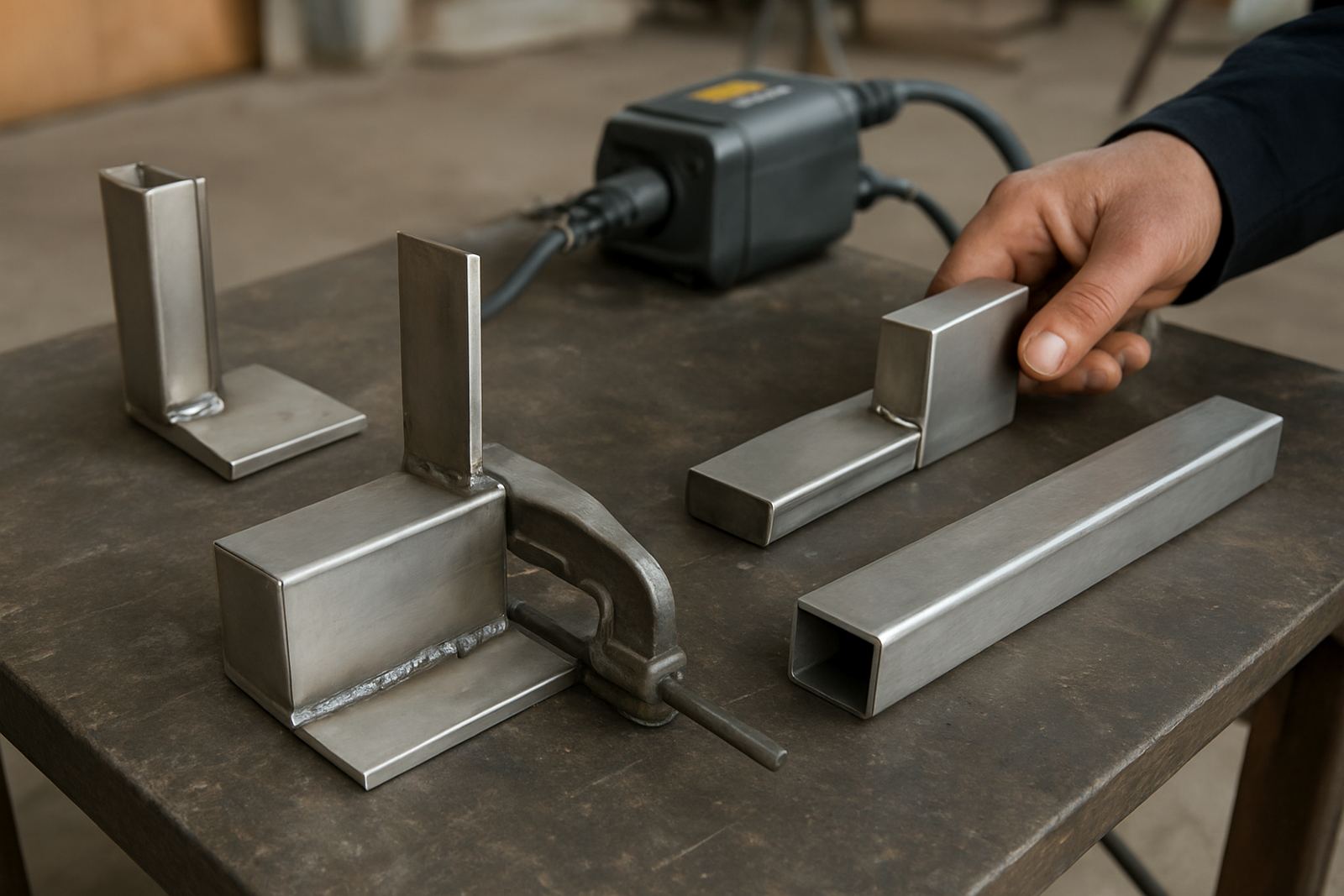
Good corners start before the torch or laser beam comes in. The two faces must meet properly, with a consistent gap and square edges. If the sheet is cut poorly, the weld will have to do work it should not be doing. That often leads to more heat, more distortion and more grinding.
Before joining, check the following:
- Corner edges are cut true and deburred
- The enclosure is clamped square on the bench
- The root gap stays even from top to bottom
- Tabs, folds and stiffeners do not push the sides out of line
- Hinges and latches are trial-fitted before final closure
A simple dry assembly can save a lot of frustration. When the parts sit right before welding, the finish after welding is usually cleaner too. It is easier to correct a clamp position than to repair a pulled corner.
Heat control makes or breaks stainless corners
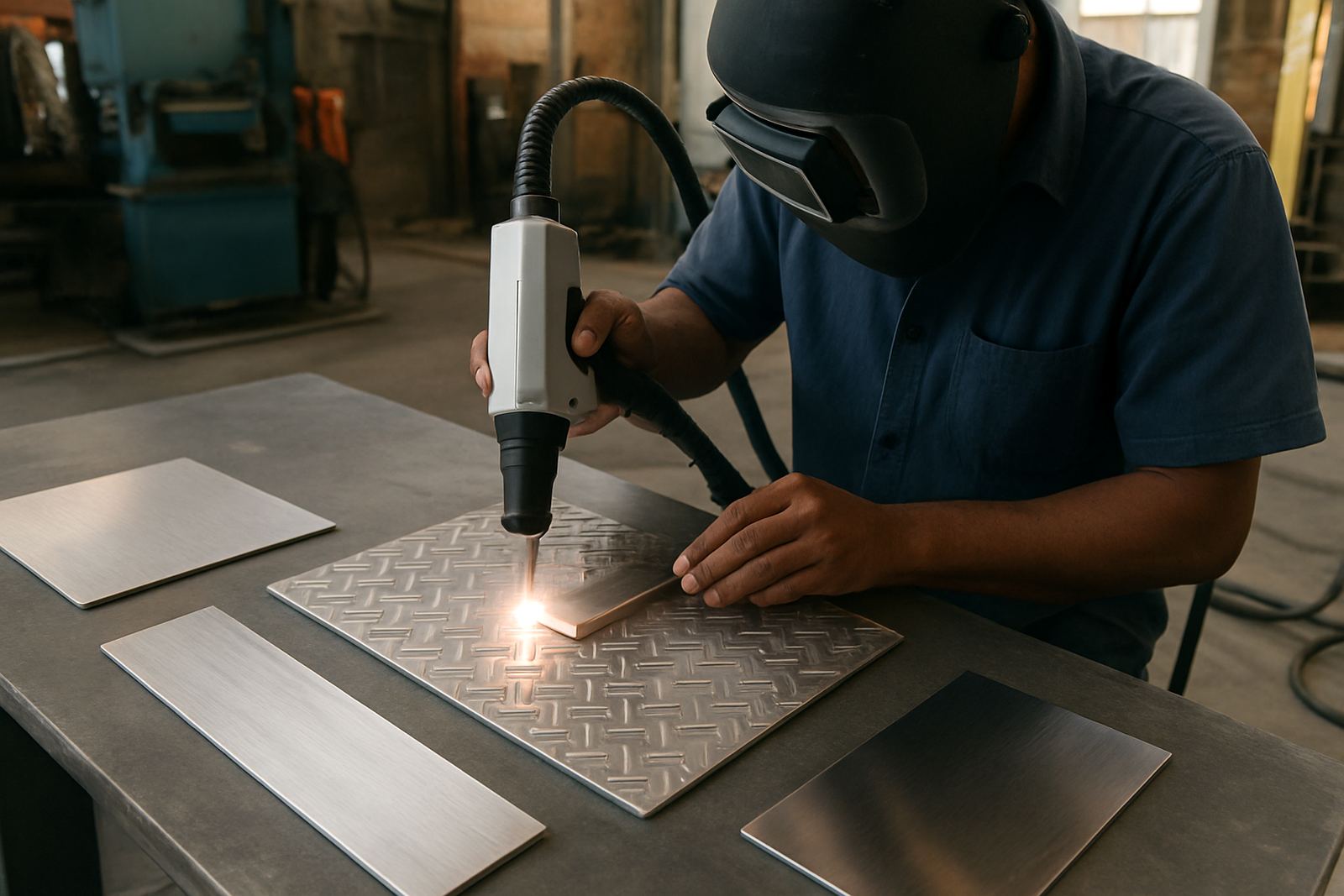
Stainless steel moves quickly when too much heat is put into one area. At corners, that usually means a slight twist, a visible blue heat mark, or a line that needs heavy clean-up. With handheld fibre laser welding, the advantage is tighter control and a narrower heat affected zone, which is useful on thin cabinet material and visible joints.
That does not mean the operator can ignore technique. Speed, hand angle, travel consistency and joint preparation still matter. If the operator pauses too long in one spot, the corner can build excess heat and distort. If travel is too fast, fusion may be shallow and the corner will look clean but fail a quick test later.
For stainless enclosure work, the best result usually comes from steady movement and a repeatable process. Keep the joint clean, keep the focus right, and avoid chasing the weld with too much finishing afterwards. Less correction normally means a better corner in the end, especially on visible cabinet fronts.
What a good enclosure corner should look like
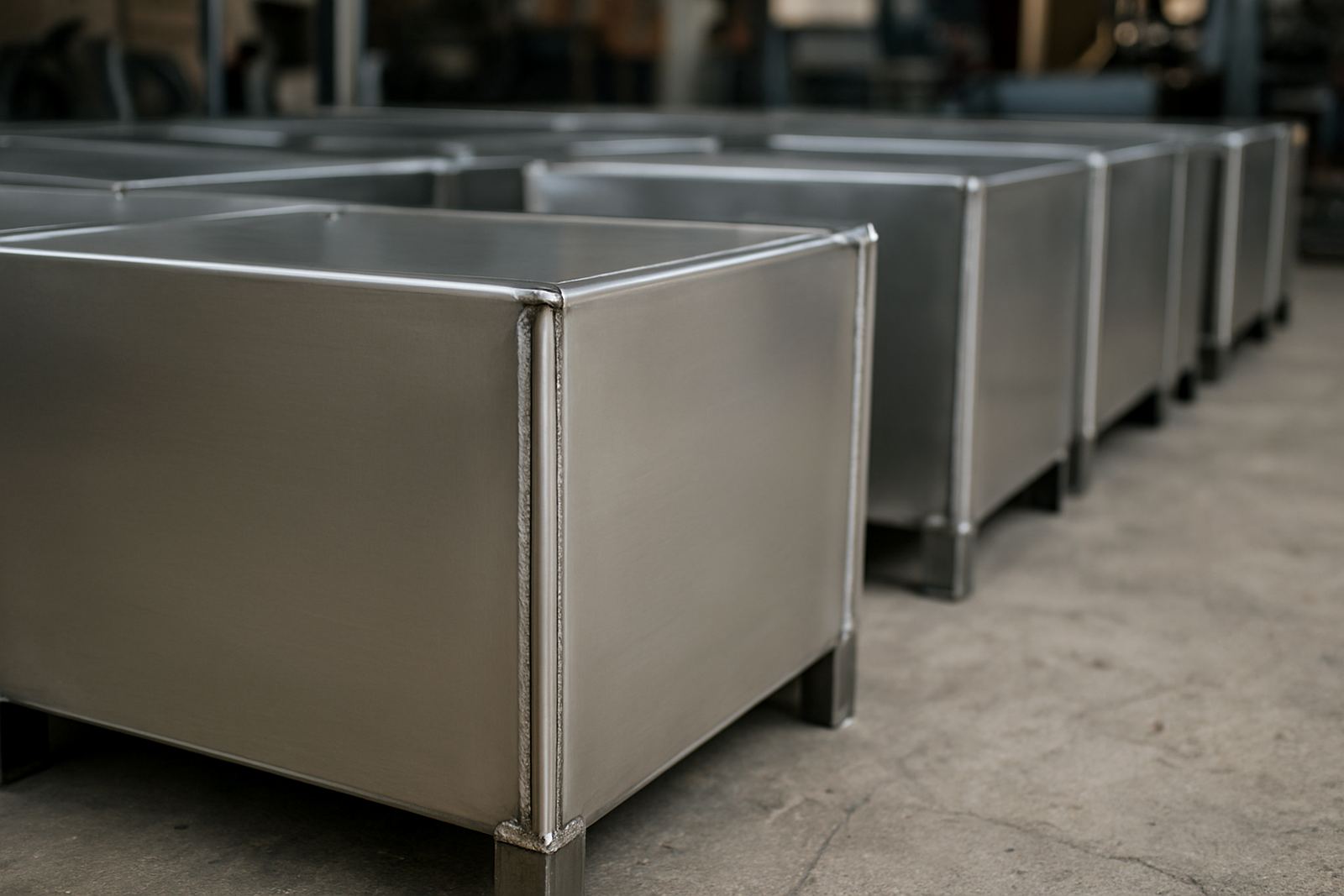
A good corner is neat, even and properly fused without excess build-up. The weld line should follow the joint cleanly and the surrounding metal should not be heavily discoloured or distorted. If the enclosure is going to be powder coated, brushed or left exposed, the standard still needs to be high because the coating or finish will only highlight poor work.
Practical signs that a corner is on spec include:
- Uniform bead appearance from one corner to the next
- Minimal distortion on adjacent panels
- No sharp undercut or pinhole gaps
- Easy alignment of lids, frames or access doors
- Little need for grinding, filling or rework
On jobs where the finish is visible, a fabricator should think about the full process, not only the weld. The corner must survive handling, cleaning, transport and installation without looking tired before the job is even delivered.
A Spartan workshop example that many fabricators will recognise
One common situation in Spartan and nearby industrial areas is a small shop making stainless control boxes for a local plant. The first few units may look acceptable, but as the batch continues the corners start to vary. One side heats quicker, another side pulls slightly, and by the fourth or fifth unit the team is spending extra time on clean-up and adjustment.
That kind of problem is not unusual when production is busy and load-shedding interrupts the rhythm of the day. A short stoppage can mean the next job starts cold again, operators rush to catch up, and setup checks get skipped. The fix is usually not one big change but a tighter routine: consistent clamping, repeatable settings, and operators who know exactly what to watch for at the corner.
When local fabricators bring in a handheld fibre laser system for demos or process testing, the main benefit is often not just speed. It is the way the corner quality becomes easier to hold from one unit to the next. That consistency is what customers notice when the enclosure arrives on site and everything lines up properly.
Training and process control keep the standard high
Even a good machine will not solve poor habits on the shop floor. Corner quality improves when the operator understands joint prep, machine settings, cleaning, and how to manage stainless after welding. That is why training matters just as much as the equipment itself.
A practical setup for corner work should include:
- Machine commissioning on the actual material and thickness used in the shop
- Operator training for consistent hand movement and joint control
- Process optimisation to reduce heat, grinding and distortion
- Preventive maintenance so output stays stable
- Weld testing on sample corners before full production starts
For shops that work across Johannesburg, Ekurhuleni and surrounding industrial areas, this approach helps keep the standard steady even when staff rotate or a new job type comes in. It also makes it easier to train new operators without losing time on rework.
Why fabricators keep chasing better corners
In stainless enclosure work, the corner is where reputation is made. Customers may not use technical terms, but they can see when a cabinet lines up properly and when it does not. A straight corner tells them the job was handled with care. A sloppy one tells them the opposite.
Better corner quality also improves workshop efficiency. Less grinding means less labour, less dust, less heat damage and a cleaner handover to the next stage. For many South African fabricators, that is the real value. It keeps production moving, reduces waste, and helps the final product look as good as it performs.
If your workshop is trying to improve enclosure corners, start with fit-up, then settings, then training. Get those three right and the difference shows quickly.