Why balustrade work punishes poor finish control
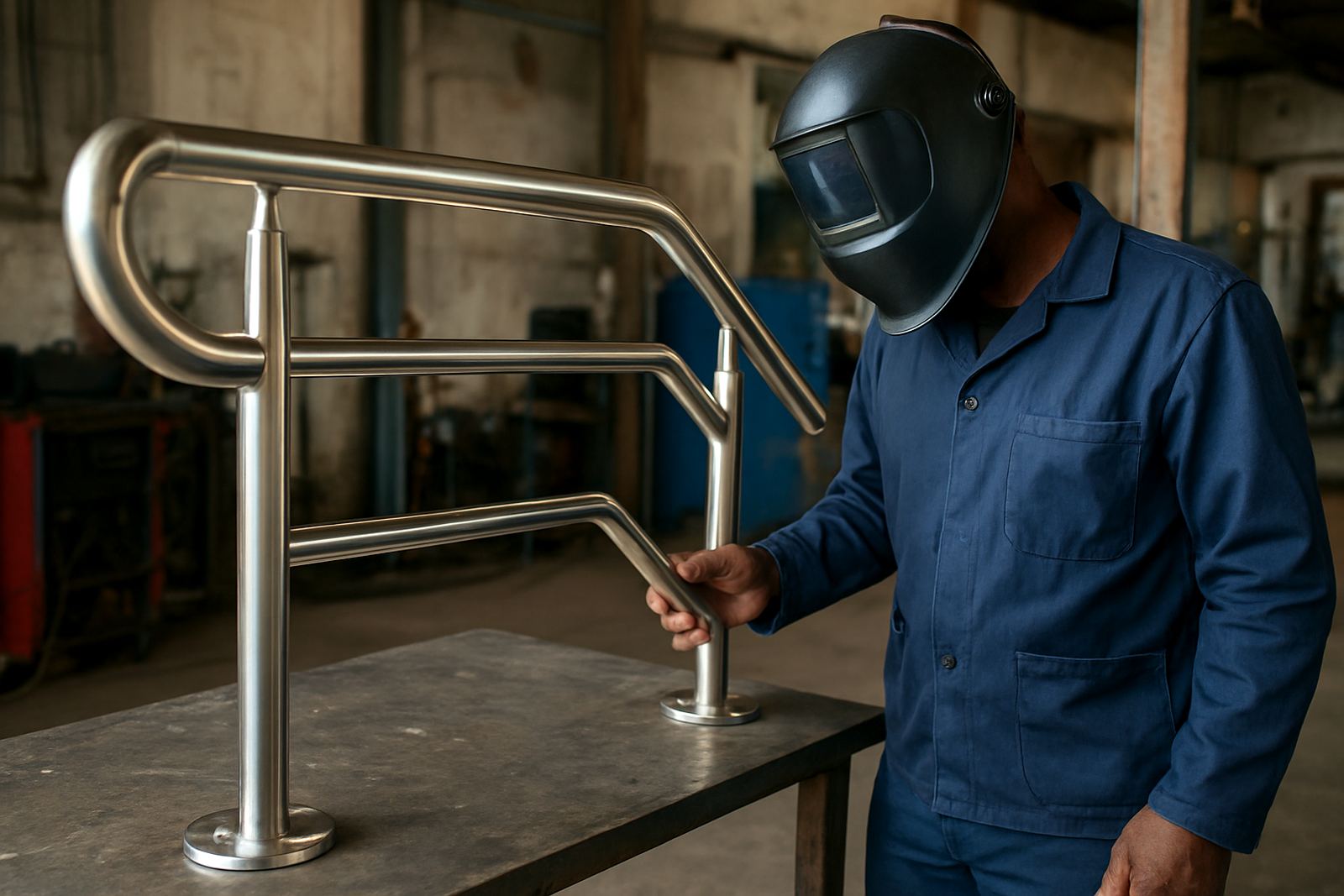
Railings and balustrades are unforgiving because the eye runs straight along every line, join and reflection. A small ripple that might pass on a hidden frame will stand out on a staircase, balcony or atrium where light hits the metal from different angles through the day.
In South African fabrication shops, that problem gets worse when work moves between shop and site. A neat weld in Spartan can still be marked by handling during delivery to Sandton, or by dust and moisture at a coastal installation. Finish control is really about protecting the surface through every step, not just cleaning up at the end.
The best teams treat appearance as part of strength. If the weld is sound but the heat input is wrong, the stainless can discolour, distort or need extra grinding. That adds hours, uses more consumables, and increases the risk of thinning the tube wall.
Set the joint up for less grinding later
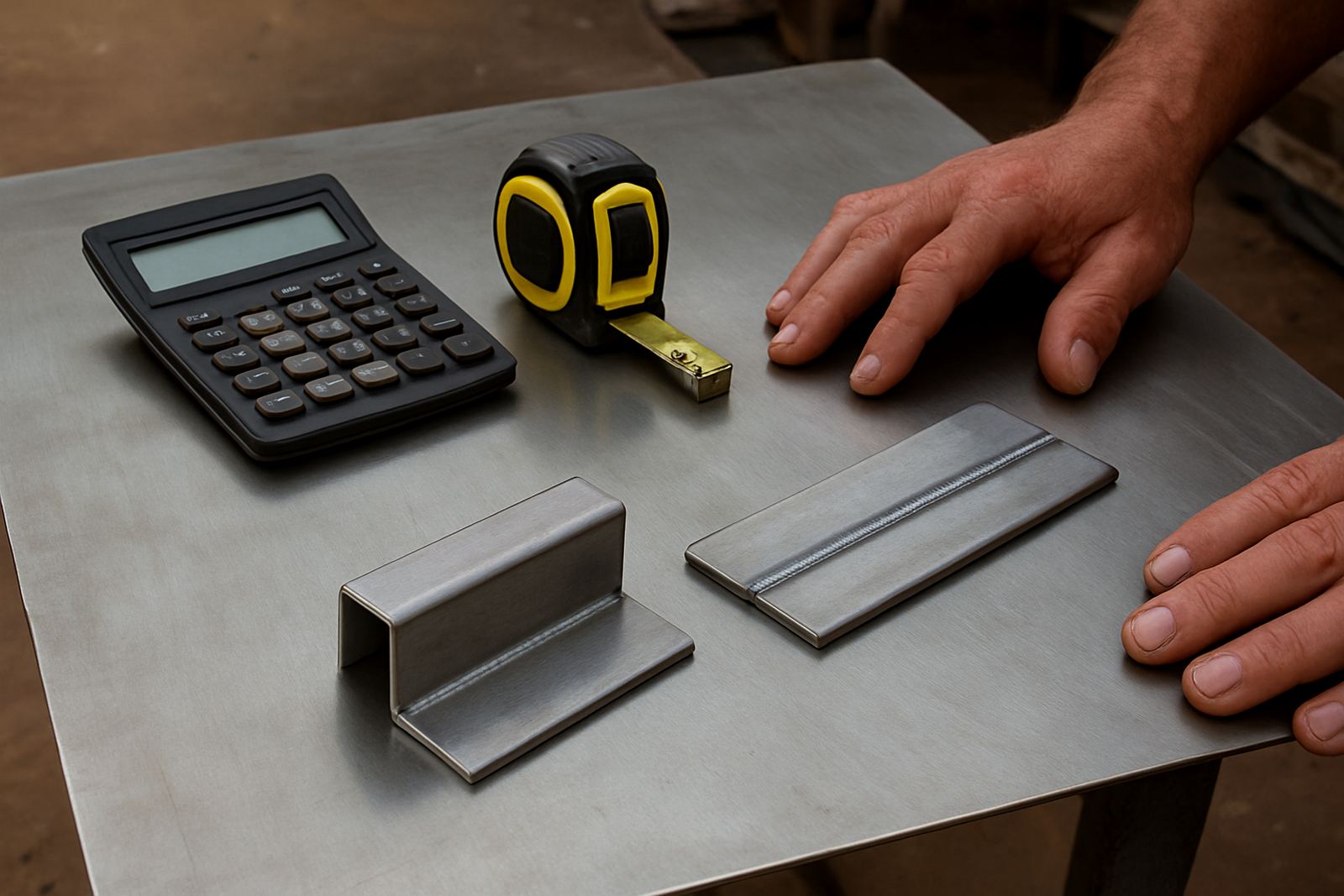
Good finish starts with fit-up. If the gap is uneven, the welder has to fill one side more than the other and that often leaves a larger crown or more heat tint. For balustrades, consistency across repeated posts and rails matters because a row of small differences becomes obvious once the line is installed.
Before welding, make sure tube ends are cut square, clamped firmly and cleaned of oil, marker ink and surface contamination. On stainless steel, even fingerprints can affect the final look if they are left to cook onto the surface. A clean joint also helps the operator work faster with less rework.
- Check tube alignment before tacking, not after the full run.
- Keep clamp pressure even so the joint does not open during heat build-up.
- Use the same prep method for all repeated sections on the job.
- Store cut parts off the floor to reduce grit and moisture pickup.
Control heat if you want a cleaner stainless surface
Balustrade welds often fail the finish test because the operator uses more heat than needed. Too much heat creates wider colour change, more distortion and a larger cleanup area. On thin stainless tube, that extra heat can also pull the profile out of shape, which then affects the whole run of rail.
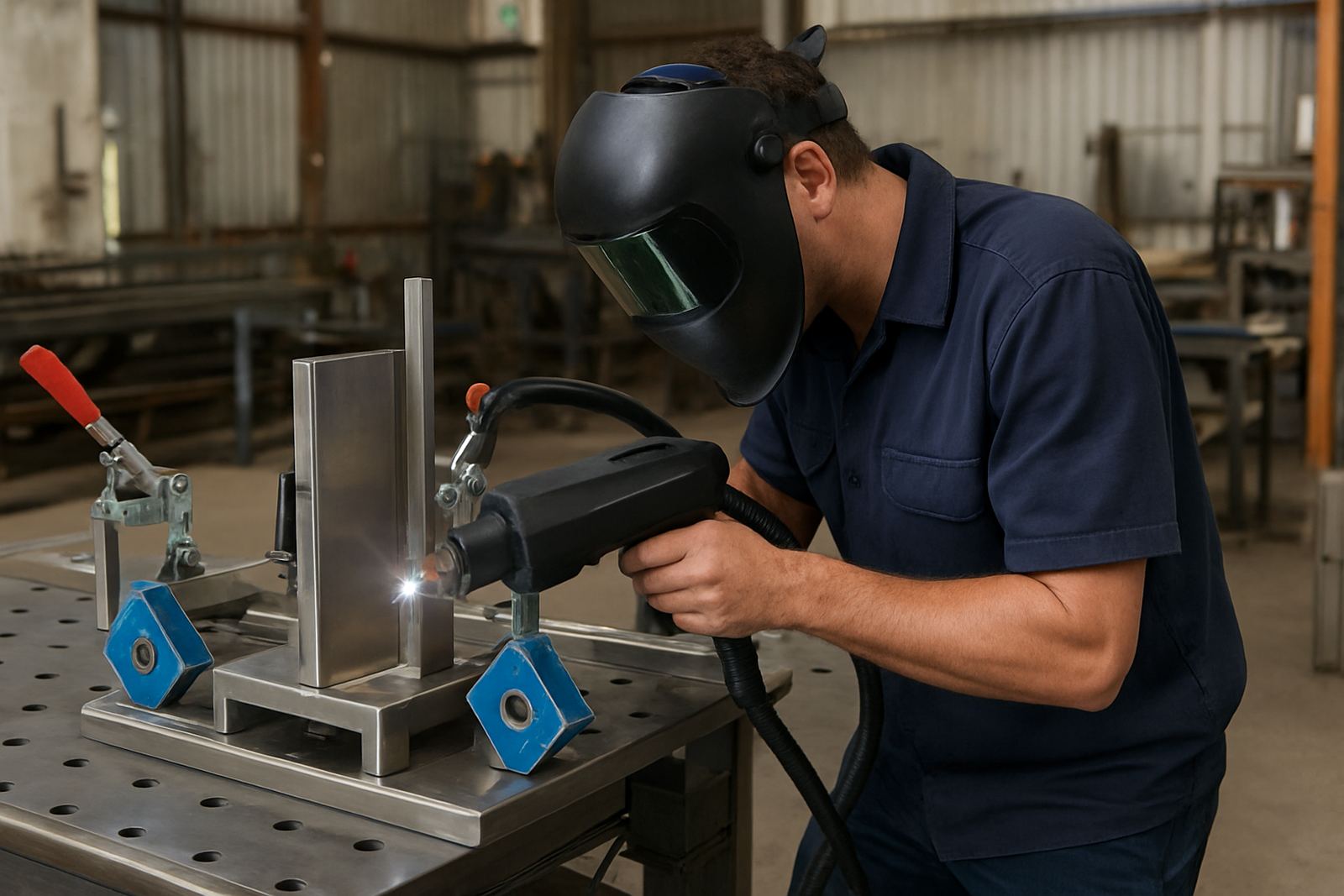
For visible stainless work, fabricators benefit from the tighter heat control and narrower affected area that handheld fibre laser welding provides. The cleaner weld profile reduces the need for heavy grinding, and in many cases you can move straight to light dressing and finishing rather than rebuilding the joint.
That matters when you are working to a deadline on a mall upgrade or an office fit-out where access times are limited. Less rework means less time on site, fewer people handling the same piece and a lower chance of scratches or polish marks appearing before handover.
Plan the finish around the final look, not the weld alone
Some balustrades need a brushed finish, others need a bright polish, and some are left with a clean technical look that still has to read as tidy from a distance. The point is to decide early what the final surface should be, because the finish process changes with the target appearance.
If the job is going to be polished, start by limiting spatter, undercut and uneven bead build-up. If the surface will be brushed, keep the direction of finishing consistent across all components. Mixed grain direction can make even a well-welded job look patchy.
- Choose one finish standard for the whole project before production starts.
- Match abrasive sequence to the required sheen level.
- Keep separate tools for stainless only, so carbon contamination is avoided.
- Mark handling points on each part to prevent finger marks on visible faces.
That level of control is not just for premium projects. A small fabrication shop in Germiston doing residential stair rails can lose margin just as quickly as a larger plant supplying commercial balustrades if the finishing stage drags on.
Protect the surface during handling, transport and install
Once the welding is done, the job is not finished. Most finish damage happens when parts are moved around, stacked against each other or fitted on site without enough protection. Stainless shows scratches easily, and those scratches are hard to hide after installation.
Use soft separators between parts, avoid dragging finished sections over concrete and keep grinding dust away from polished components. In humid areas near the coast, parts should be stored dry and wiped down before packing. In Gauteng, dust from cutting and grinding can sit in corners and spoil the final clean-up if it is not removed properly.
On site, the installation crew should work in the same order as the fabricator planned. If installers start forcing a fit, they can mark the surface or twist the section out of square. A clean balustrade is a team result, not just a welding result.
A local example from a busy Ekurhuleni workshop
A fabricator in the Ekurhuleni area was producing stainless balustrades for a commercial staircase upgrade. The welds were structurally sound, but the shop kept losing time to extra polishing because colour change and light distortion were showing up after every run. The team changed the process by tightening joint prep, reducing heat input and separating handling from finishing more carefully.
After that shift, the crew spent less time grinding back welds and more time matching the final grain on each section. The result was a more consistent finish and a smoother install at site, with fewer parts needing last-minute touch-ups. That kind of improvement is practical, not flashy, and it adds up quickly over a full project.
For shops that work on handrails, balcony rails and feature staircases, the lesson is simple: if finish control is built into the process from the start, the final result looks better and the job moves faster.
Training and process support make finish control repeatable
Finish quality is easier to hold when the team is trained on the same method every time. That includes operator setup, nozzle angle, travel speed, cleaning sequence and what counts as acceptable weld appearance before finishing begins. Without that discipline, one good piece and one poor piece can leave the customer guessing about your standard.
Laser-Welder supports fabrication shops from Spartan, Kempton Park and across South Africa with machine commissioning, operator training, process optimisation, preventative maintenance and weld testing. For balustrade work, the focus is simple: clean welds, controlled heat and repeatable results that hold up on visible stainless surfaces.
Whether you are producing a small batch of domestic rails or a larger commercial order, finish control is what separates a passable job from a piece that looks right from first view to final handover.