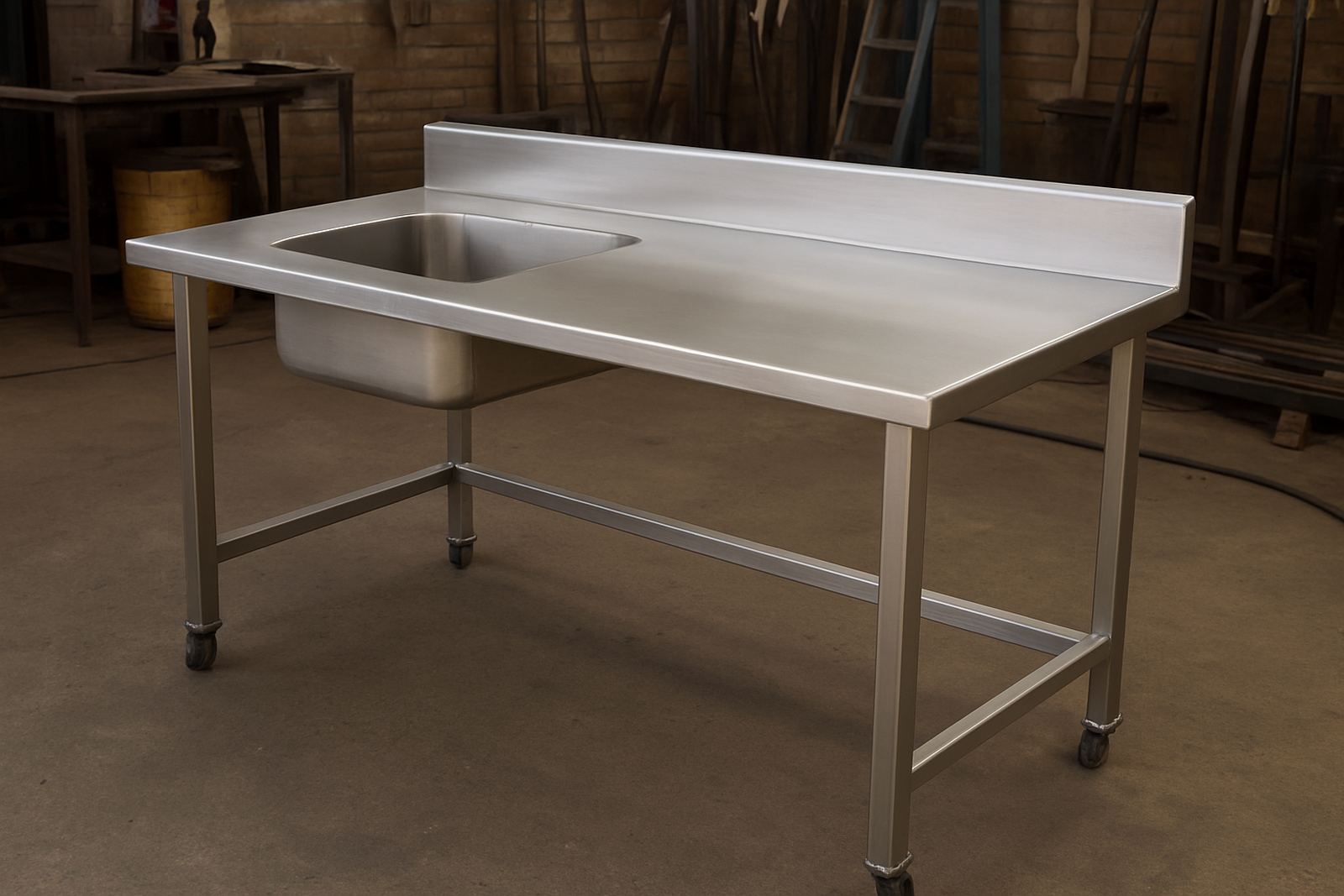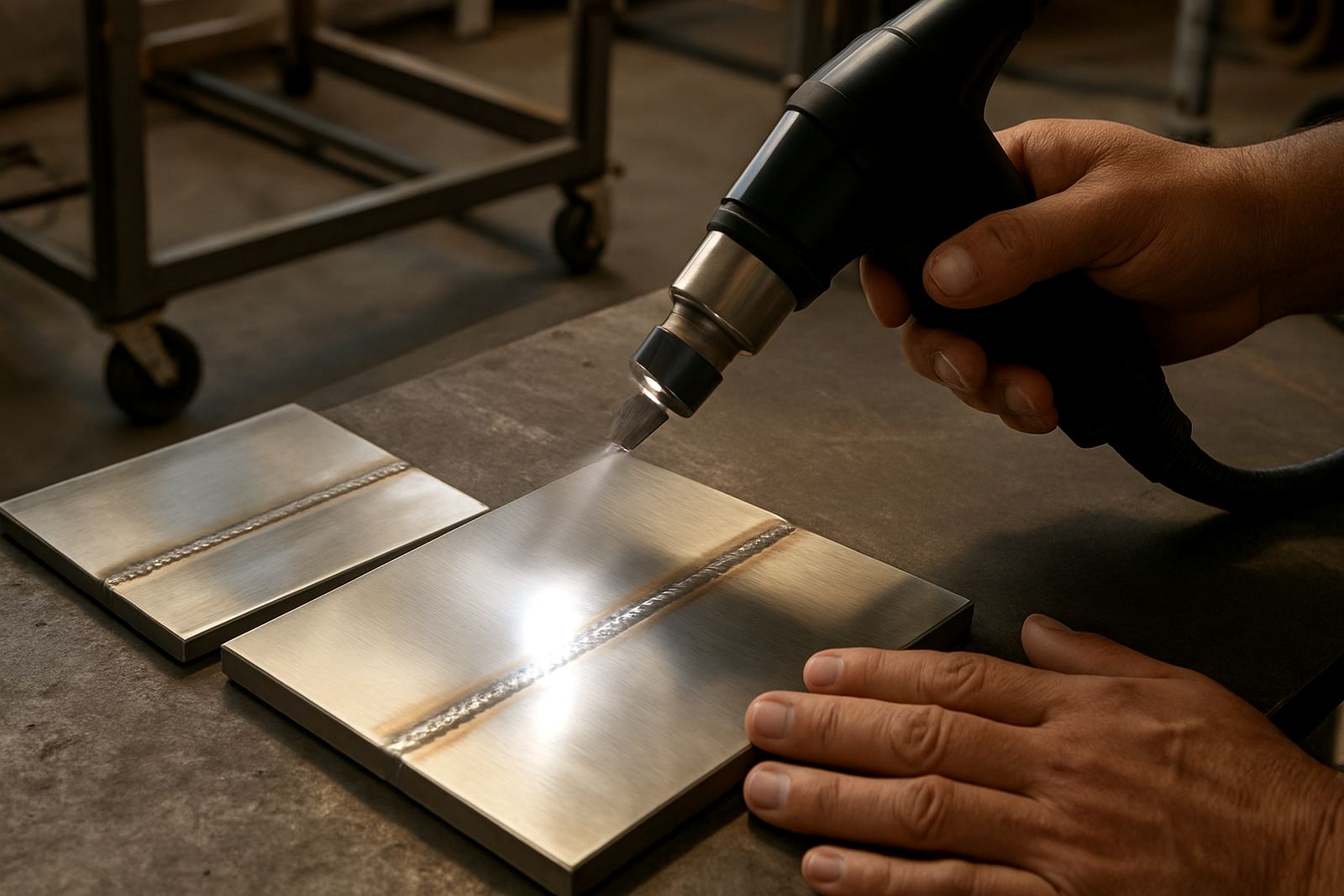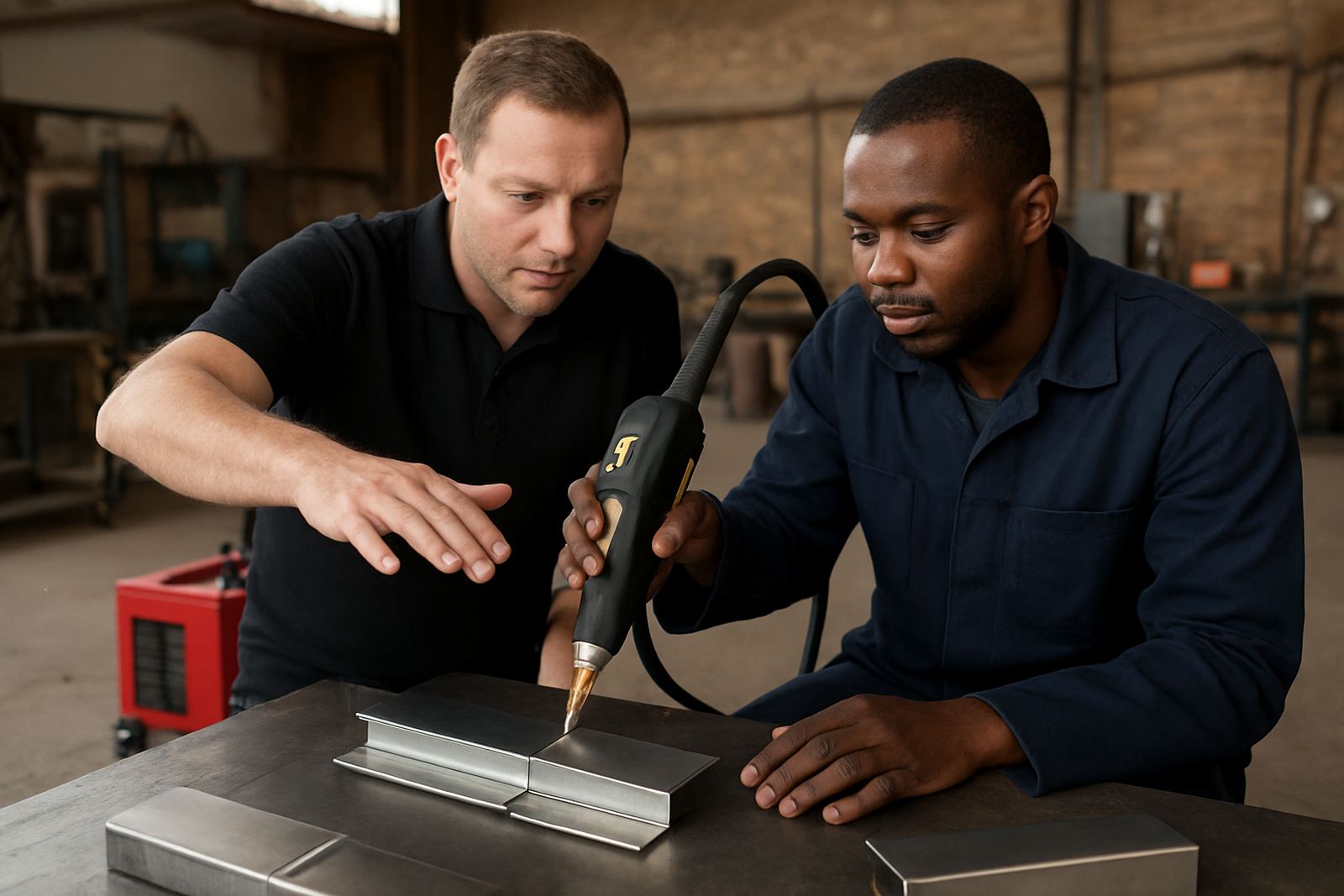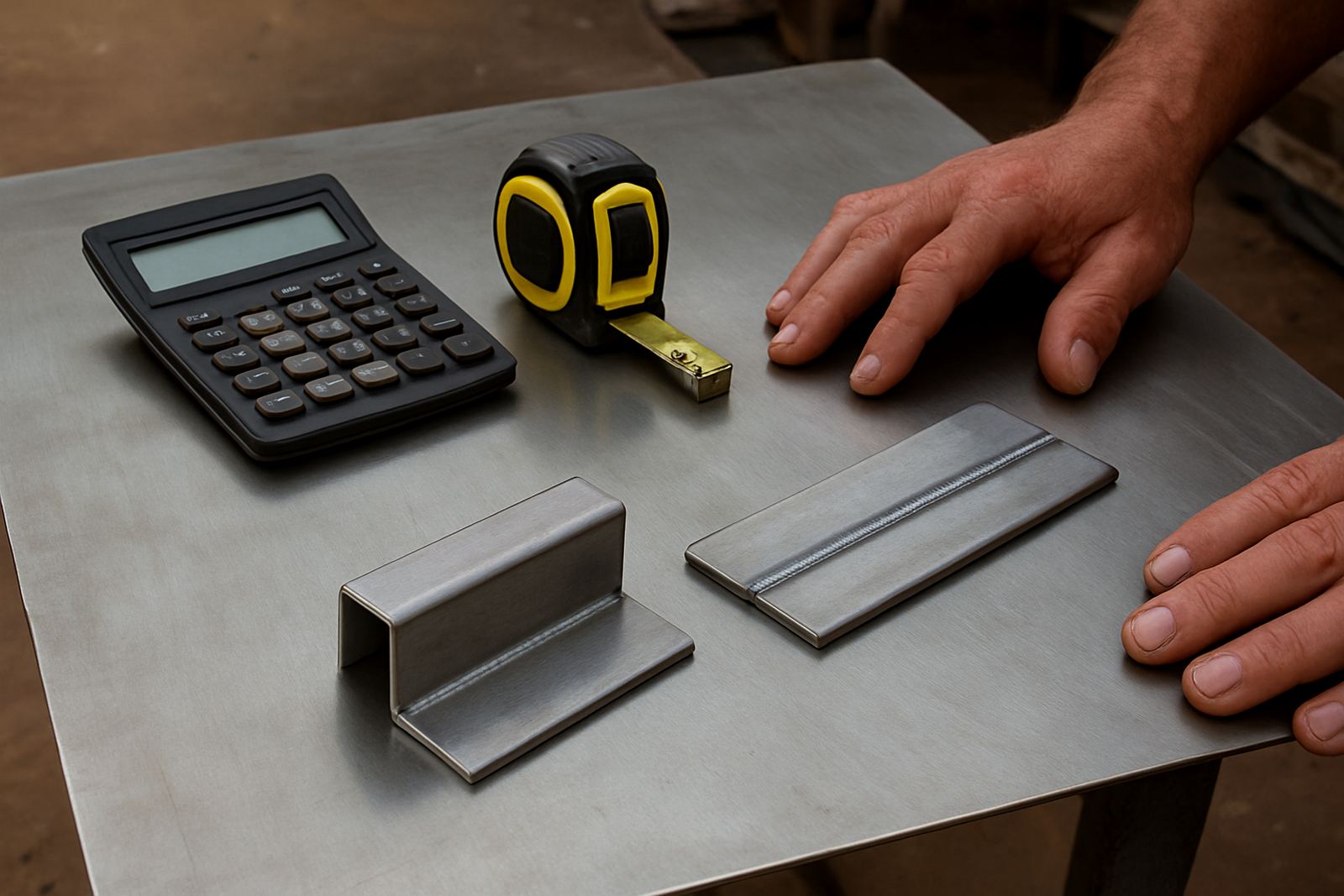
Start With the Job, Not the Machine
When a stainless steel welding quote lands on your bench, the first question is not what the machine can do, but what the job needs. A handheld fibre laser welder can join material fast, but your estimate still has to account for fit-up, handling, access, tacking and finishing. In a busy Spartan or Jet Park shop, that difference can decide whether a job makes money or just keeps the bay occupied.
Begin by grouping the work into simple factors: material thickness, joint type, weld length, finish standard and access. A 2 mm bracket with a short straight seam is one thing. A food-grade assembly with corners, tube intersections and visible welds is something else entirely. If the parts arrive with poor edge prep or inconsistent gaps, add time upfront. That is often where the extra minutes go, not in the actual weld pass.
Break the Quote Into Weld Time and Non-Weld Time
Many quotes go wrong because only the arc time gets counted. With laser welding, the visible bead may be quick, but the operator still spends time loading the part, aligning it, checking the seam and moving between sections. If you are estimating by the minute, split the job into two parts: direct welding time and support time.
Support time includes set-up, fixturing, repositioning, visual checks, cleaning, grind-free touch-ups and final inspection. On stainless work for catering, medical or architectural jobs, the finish expectation is high, so inspection matters. Even a clean weld can still need a second look if the customer wants a neat cosmetic result, not just a sound joint.
- Direct weld time: actual seam travel and stitch welding
- Set-up time: clamping, alignment and torch access checks
- Handling time: moving parts between positions
- Quality time: inspection, rework and finishing
Use Weld Length and Travel Speed as a Simple Baseline
The easiest estimating method is to measure total weld length and work from a known travel speed. If you have repeat jobs, track a few real examples in your own shop. A straight 1.5 metre seam on 1.2 mm stainless will not take the same time as a 1.5 metre seam made up of short corners and interrupted joints. Still, weld length gives you a useful starting point.
A practical approach is to time one test piece, then use that as a baseline for similar work. Record the thickness, joint type, operator, and whether the weld was done flat, vertical or overhead. Over time you build your own shop data, which is far more useful than guessing. Even a small improvement here can save a lot of underquoting over a month.
For example, a Kempton Park fabricator doing display frames for retail fit-outs may find that a clean straight seam runs quickly, but any repeated part with small clamps and awkward angles pushes the real time up by 20% to 30%. That gap is what often gets missed when the quote is done in a hurry.
Allow for Material Condition and Workshop Reality
Stainless steel is unforgiving when the prep is poor. Oil, burrs, mill scale on mixed stock and inconsistent gaps all slow the job down. Coastal humidity can also affect storage and handling, especially if material has been sitting in a yard in Durban or along the East Rand during a damp week. If the material needs extra wiping, dressing or sorting, put that into the estimate.
Workshop reality matters too. Load-shedding can interrupt production, and after a stop-start day operators often need to recheck settings, clean the work area and resume carefully. If the job must be completed in one shift, or handed over before a municipal inspection, add margin for disruption. A quote that assumes perfect conditions is usually too thin.
- Bad fit-up adds dressing and alignment time
- Dirty material slows prep and can spoil appearance
- Power interruptions add restart and checking time
- Complex access increases repositioning and operator fatigue
Don’t Forget the Human Part of the Estimate
The operator matters as much as the machine. An experienced welder may move faster, but the estimate should still reflect the actual person doing the work and the standard required. If the job is for a first run or a new operator, build in time for checks and adjustments. If it is a repeat order, a trained team can often shorten the cycle because the set-up is already known.
Training also affects consistency. A well-trained operator wastes less time correcting poor technique, which makes the quote more reliable. That is why many fabricators in Ekurhuleni schedule refresher training before a production roll-out, especially when the work involves multiple parts, frequent restarts or sensitive stainless finishes. Good estimating is not just about speed, it is about repeatability.
Use a Quote Sheet That Matches Real Production
For better pricing, build a simple internal quote sheet and use it every time. Keep it practical and tied to your own shop results. It should help you compare jobs, spot hidden labour and avoid pricing a complex stainless assembly like a plain seam. Once you have a few months of data, your estimates become steadier and your margins less exposed.
A useful sheet should include:
- Material type and thickness
- Total weld length
- Number of parts and joints
- Set-up and handling time
- Expected finish standard
- Any risk items such as poor fit-up, rush work or on-site delivery
For a fabrication shop in Germiston or Alberton, that might be the difference between a quote that wins work and one that quietly loses money. The best estimate is the one that reflects how your team actually works, not how a perfect job looks on paper.
A Local Example From the East Rand
Take a small stainless job in Boksburg: a batch of handrails with short seams, several corners and a polished finish. On paper it looks quick. In reality, the team has to sort parts, check alignment, clamp each section, weld in stages and clean up between assemblies. If the customer wants the same finish on every piece, the time per item rises with each repeat because quality checks cannot be skipped.
In this kind of job, a careful estimate protects both sides. The customer gets a realistic delivery date and the workshop avoids undercharging. That is the main point of time estimating for laser welded stainless work. It helps you quote with confidence, plan the day properly, and keep production moving without surprises.
Practical estimating is not about making the number bigger. It is about making it true.