Why stainless responds so well to laser welding
Stainless steel is used where appearance, corrosion resistance and hygiene matter, so the weld has to look right and perform right. Traditional processes can do the job, but they often leave heat tint, wider distortion and more finishing work, especially on thin sheet and visible seams.
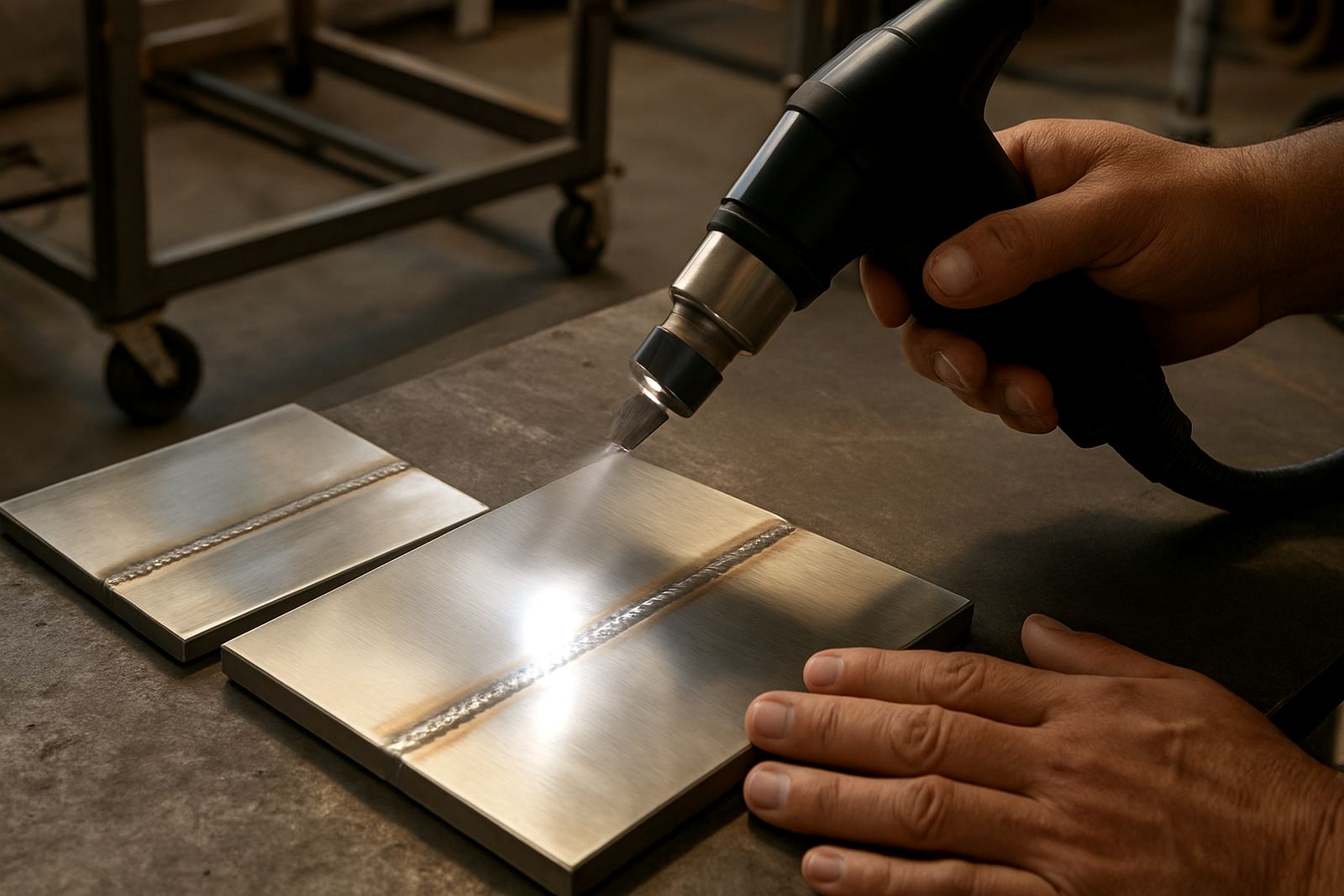
By concentrating heat into a narrow zone, handheld fibre laser welding helps the operator put energy where it is needed without overheating the rest of the part. That is useful on kitchen equipment, handrails, tanks, enclosures and process components, where a clean finish saves time on grinding and polishing. In practical terms, the better the fit-up the bigger the gain, but even average workshop work can improve when the welding method is more controlled.
Less distortion means less correction after welding
One of the first things fabricators notice is how much less movement they get in the part. Stainless can pull and twist quickly once heat builds up, especially on long seams and thin sections. When distortion is reduced, there is less time spent straightening frames, reworking doors or chasing alignment problems after the weld is complete.
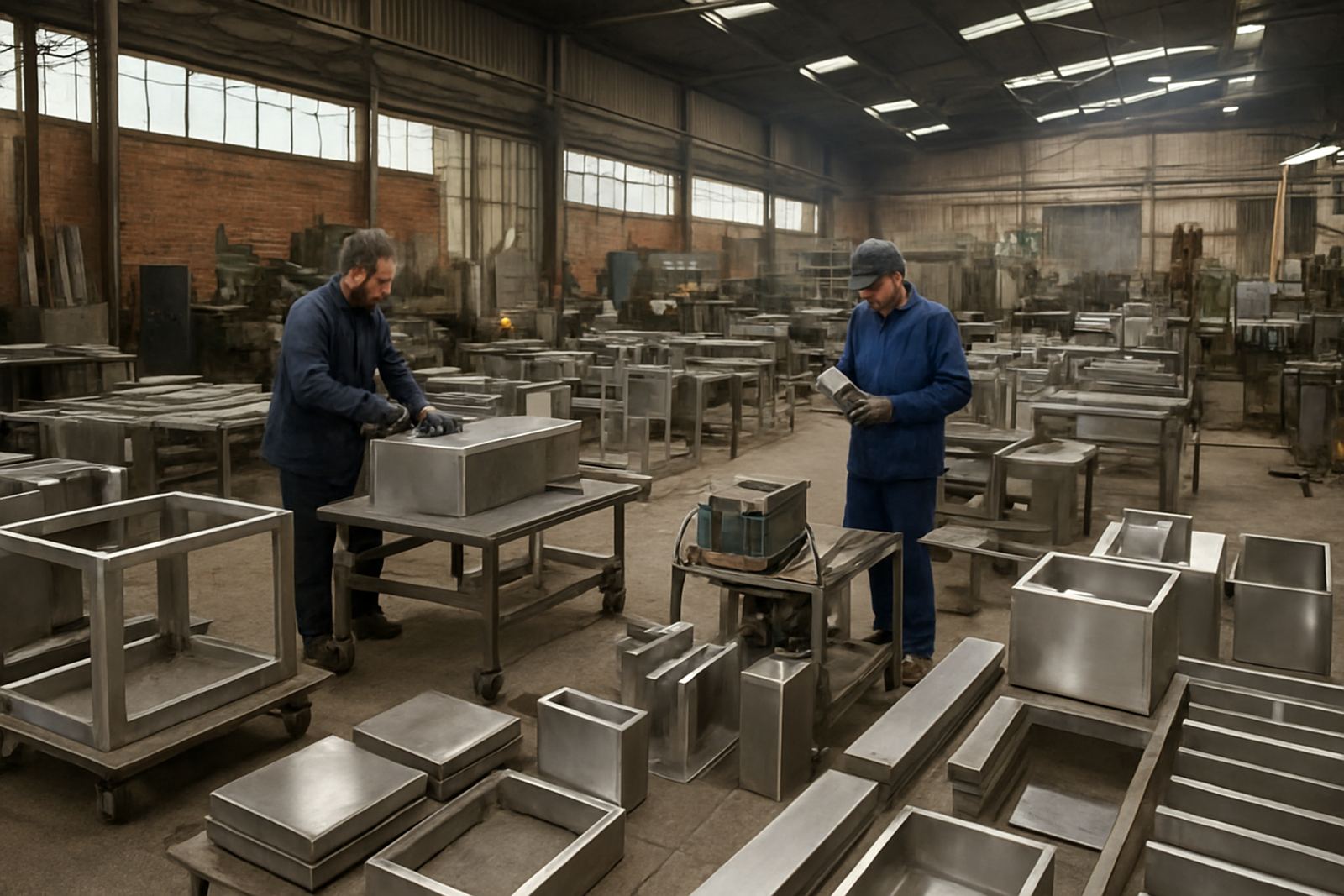
That matters in small shops where one job can tie up a team for hours, and it matters just as much in larger production lines where repeatability is the goal. In a Spartan workshop making stainless guards and cladding for food equipment, less heat input can mean the difference between a part that fits first time and one that needs a second pass through finishing. Less correction also helps with energy use during load-shedding because the team can keep the process moving instead of running extra machines for rework.
- Less warping on thin stainless sheet
- Cleaner corners and tighter fit-up after assembly
- Reduced clamping time on repeat jobs
- Fewer hours lost to straightening and dressing
Finish quality that supports visible work
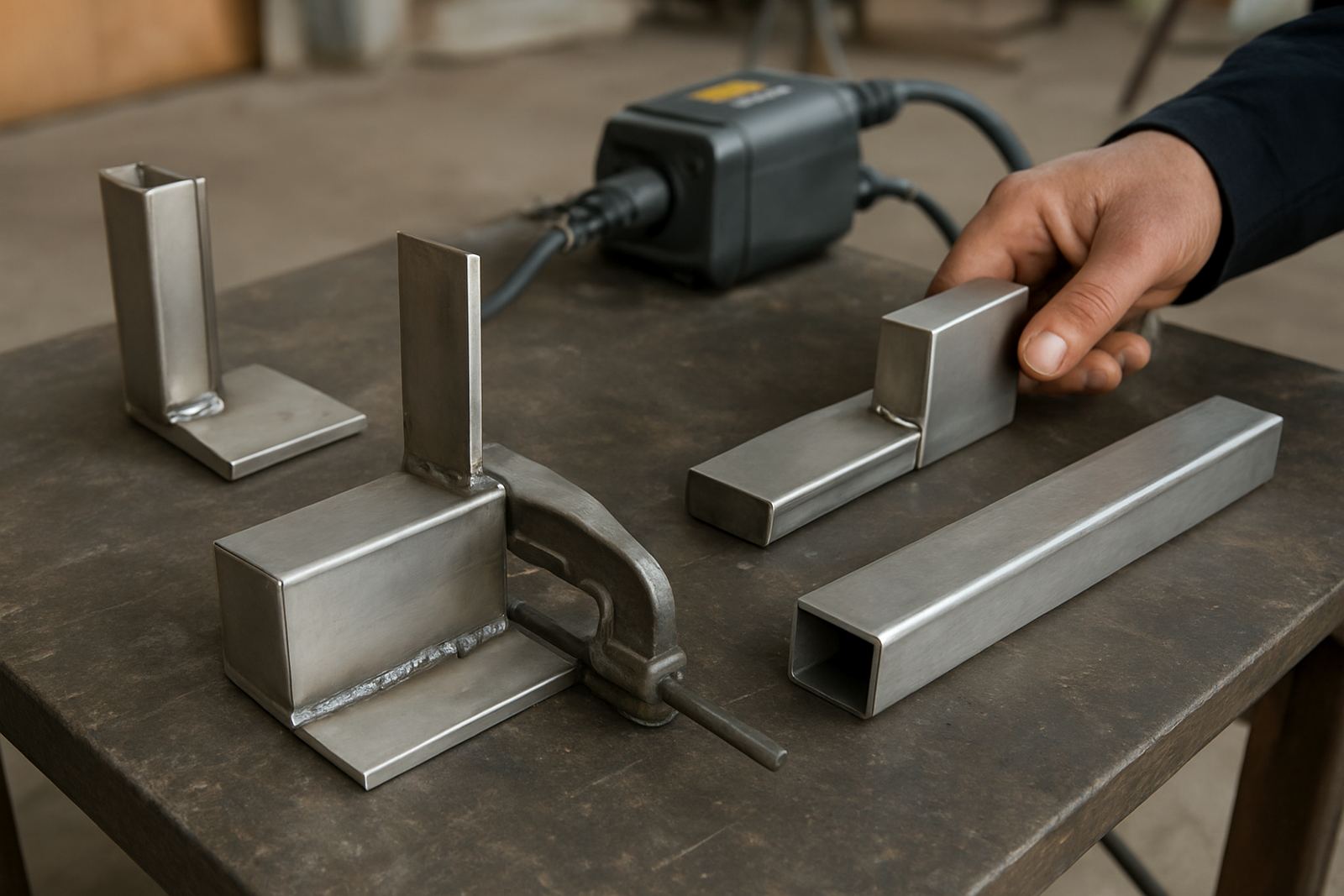
Many stainless jobs are visible to the client every day. Handrails in a mall, catering equipment in a kitchen, medical trolleys and architectural trim all need welds that do not look rushed. Laser welding helps produce a neater bead with less spatter and less discoloration, which means the visible finish can often be improved before the part even reaches polish or passivation.
That does not remove the need for good preparation. Clean edges, proper joint design and the right shielding approach still matter. But once the basics are in place, the operator has a better chance of keeping the seam narrow and tidy. For shops working near the coast, where humidity can affect stored stainless and completed fabrications, a process that cuts down on extra handling can also help protect the final appearance before delivery.
- Better visual finish on exposed welds
- Less spatter on polished or brushed surfaces
- Lower finishing effort before handover
- Improved consistency across the same job batch
Speed gains show up in real workshop work
The time saved with laser welding often appears in several small places rather than one big moment. Tacking can be easier to manage, the weld can move faster on suitable joints, and post weld cleanup can take less time. On stainless jobs with many short seams, those minutes add up over a day or a week.
That is why many fabricators see value quickly on racks, frames, boxes, covers and light gauge assemblies. A workshop in Kempton Park doing production for Gauteng clients may find that the same crew can complete more parts before lunch, with fewer stops for grinding disks and less material handling between stations. If a job is simple and repetitive, a faster process often helps the whole floor feel more organised, even when the order book is full.
The benefit is strongest when production is held back by finishing, not welding alone. If the welds are cleaner from the start, there is less queue time at the grinder and less pressure on the final inspection bench.
Training is what turns a machine into a useful tool
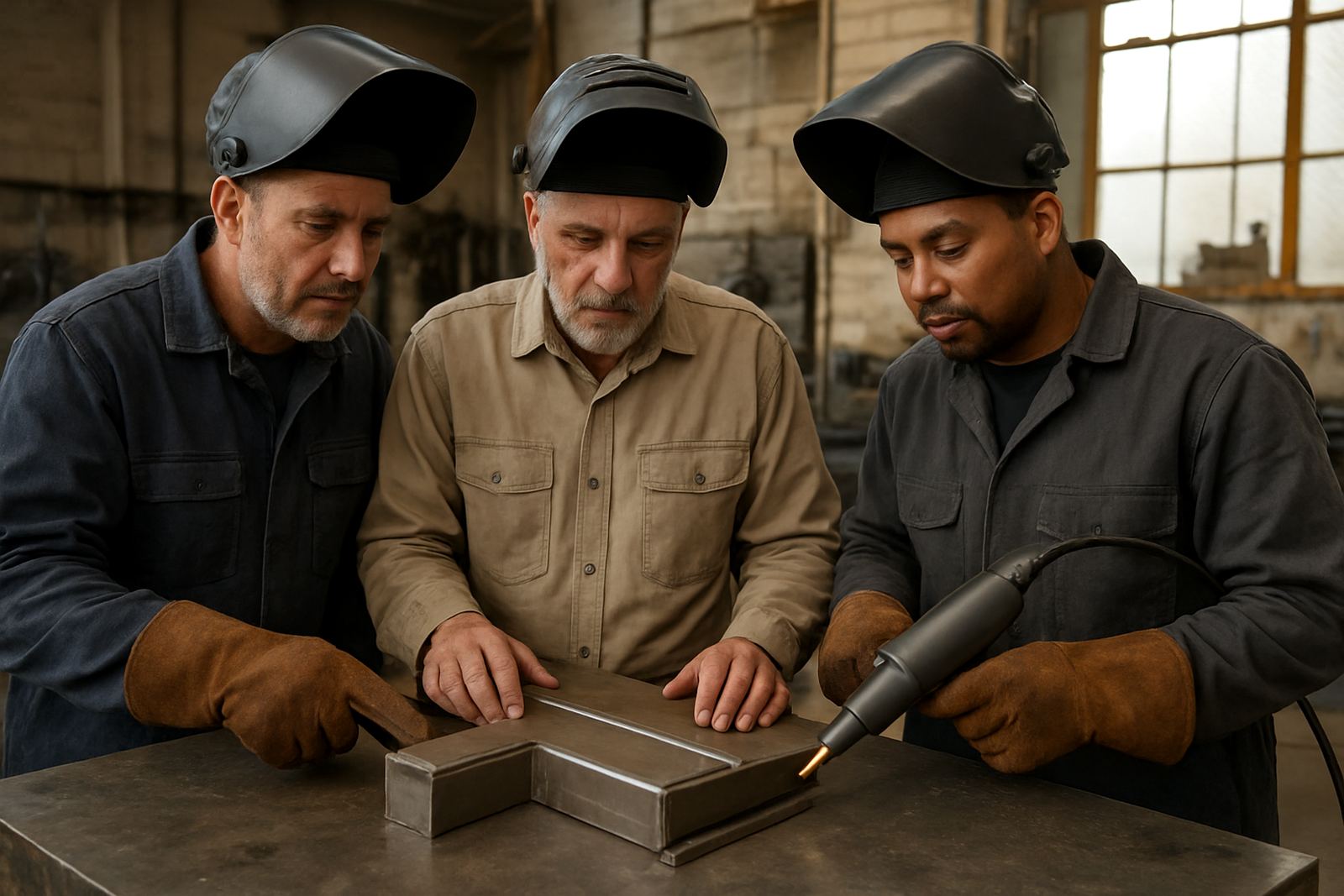
Any process change needs proper operator training. Stainless responds well to laser welding, but that does not mean every joint is ready for the same settings or travel speed. Good training helps operators understand focus, torch angle, joint prep, shielding and how to read the weld pool on different thicknesses.
For shops that work with mixed crews or shift teams, refresher training can be just as useful as the first commissioning session. When more than one person can use the equipment correctly, production becomes less dependent on one specialist. That matters in Ekurhuleni where order patterns can change quickly, and a job that starts as a one-off can turn into a repeat contract before month end.
- Machine commissioning at the client site
- Operator training for new and existing staff
- Process optimisation for specific stainless jobs
- Refresher training when production needs change
A local example from the East Rand
Consider a stainless fabricator in Germiston making small process vessels and covers for a food plant. The team needs tidy seams, quick turnaround and predictable quality because the client wants fewer shutdowns and fewer site visits. With conventional welding, the job may need more dressing and a longer wait before assembly can move on.
With handheld fibre laser welding, the shop can often reduce heat affected distortion, keep the seam neater and shorten the cleanup stage. That does not replace sound fabrication practice, but it can lift the output of an organised workshop without forcing a complete change in how the business runs. For many South African fabricators, that is the point. The improvement should fit the shop, not force the shop to work around the process.
Laser-Welder works from Spartan, Kempton Park and supports demos, weld testing and rollout at fabrication shops nationwide. If your team makes stainless products for local industry, hospitals, kitchens or plant rooms, the question is not whether laser welding is useful in theory. It is whether the time saved on your kind of work justifies the switch, and for many jobs the answer is yes.