Why the last 10 minutes of the shift matter
In many workshops the welders are pushed hard right up to knock-off time, then left to sit warm and dusty overnight. That is where small issues start: a torch left dirty, coolant level that is not checked, or an air line that stays under strain. By morning, those small oversights can show up as inconsistent bead appearance, poor arc stability or avoidable error messages.
A good shutdown routine is not only about care, it is about repeatability. When your team closes the machine down the same way every day, you reduce variation between shifts and make it easier to spot a problem early. For fabricators working stainless steel in Spartan, Isando or Jet Park, that kind of consistency saves time on rework and keeps production moving.
Start with the weld area, not the switch
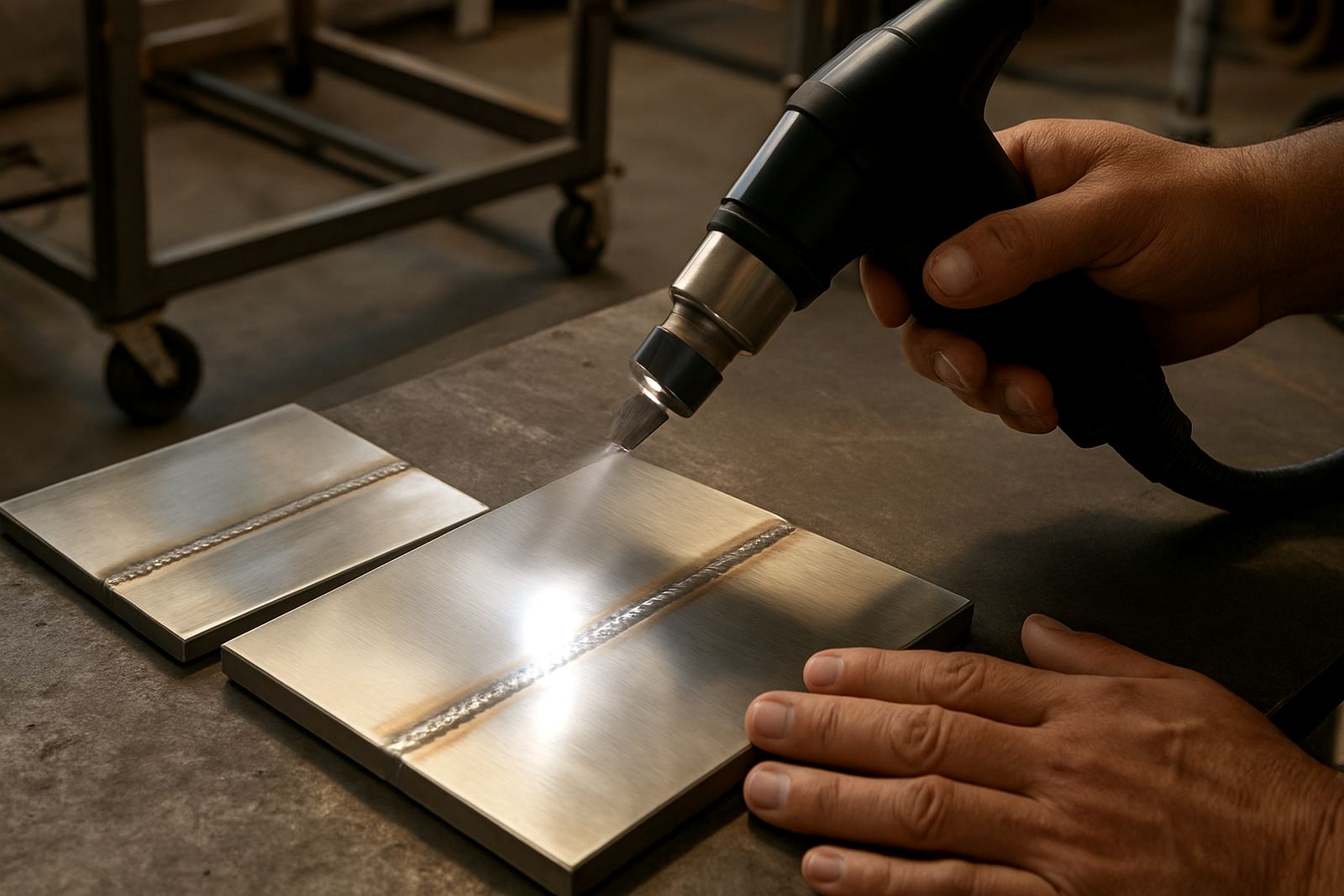
The best shutdown starts at the workbench, not at the control panel. Clear off offcuts, clamps, filler wire and loose stainless dust before you touch the machine controls. If the work area is left dirty, contamination gets dragged back onto the torch neck, cable set and optics housing when the next shift begins.
Shutting down with a clean station also helps with safety. Hot parts can be hidden under scrap, and fine grinding dust can settle near cables and hoses. In a busy fabrication shop in Germiston or Alberton, a five-minute clean-up is usually cheaper than replacing damaged consumables or tracing a fault the next morning.
- Remove all workpieces and check for heat before stacking them
- Brush away stainless dust and spatter from the station
- Store consumables in a dry, labelled area
- Make sure the torch is parked safely and not bent under strain
Power down in the right order
Many problems start when operators switch things off in a hurry during load shedding or at the end of a late production run. The better approach is to let the machine finish its cycle, then shut down in the order set out during commissioning. That usually means ending the weld cycle, stopping the laser emission, then switching off the main unit and related support equipment.
Do not cut power too early if the machine still needs a cool-down or purge cycle. Abrupt shutdown can leave heat in the system and may stress sensitive components over time. If your shop has frequent municipal outages or generator changeovers, make sure staff know which equipment must remain on long enough to complete its final cycle. It is a small step but it makes a big difference.
- Allow the unit to finish the final cycle before isolating power
- Check that all indicators have returned to a safe state
- Shut off auxiliary equipment in the correct sequence
- Record any warning lights or unusual noises before the shift ends
Protect the torch, cable set and optics
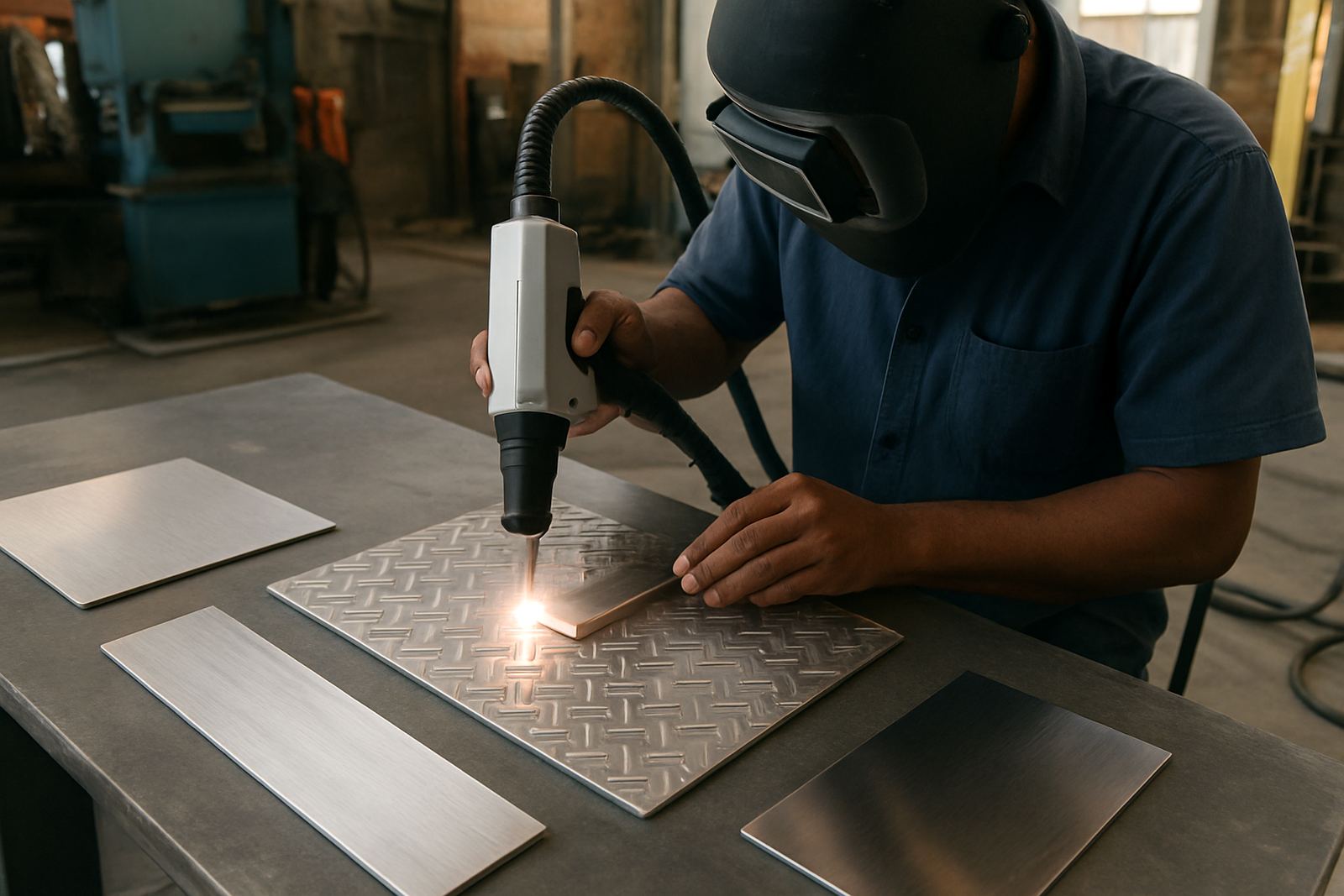
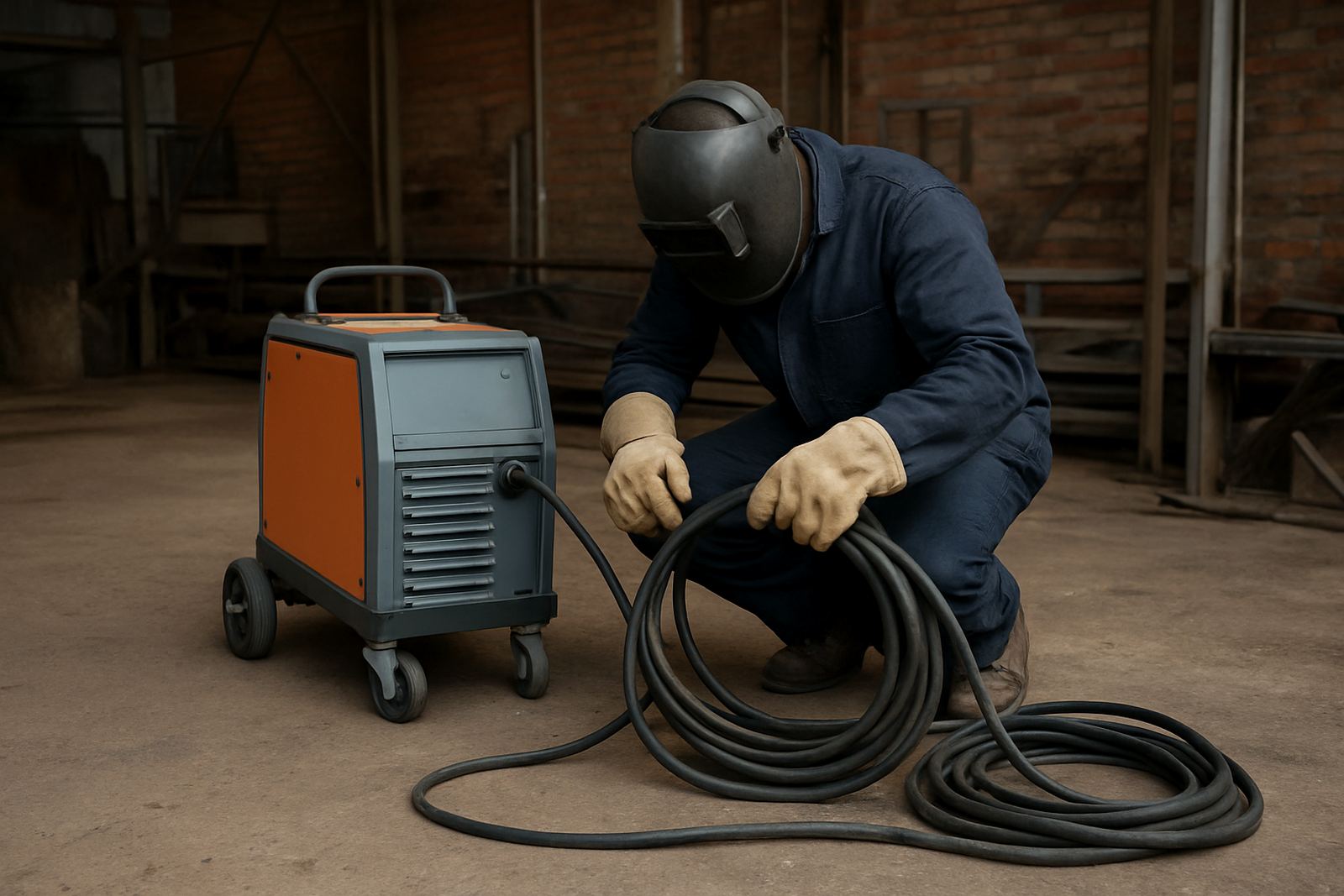
The handheld torch is one of the most used parts of the system and one of the easiest to damage. After shutdown, inspect the nozzle, lens area and cable set for signs of dirt, heat marks or kinks. If the cable is left under a bench leg or wrapped too tightly around the machine, the internal strain builds up over time. That is the kind of damage that only shows itself when production is already behind.
Optics care should be part of shutdown too. If your process creates smoke or fine particles, check that the lens area is clean and that protective covers are fitted where needed. Coastal humidity can also affect storage conditions, so in places close to Durban or the East Rand border areas, keep spare consumables and sensitive parts in a dry cabinet where possible.
Good storage habit also helps the team. When every operator knows where the torch, cleaning cloths and spare nozzles belong, the next shift starts faster and without confusion.
Cooling, gas and consumables need a final check
Before the workshop closes, confirm that cooling and shielding gas are in the right condition for the next start-up. A low level, blocked line or loose connection may not be obvious during the last weld, but it can cause trouble in the morning. This is especially important in higher-output shops where the machine runs for long periods and thermal load builds up during the day.
Consumables should be checked while the operator still remembers what happened on the shift. If the nozzle was overheating, if the wire feed felt uneven, or if the weld pool started to look unstable near the end of the day, write it down. Small notes like these help the technical team act quickly instead of guessing later.
- Confirm coolant levels and hose condition
- Check shielding gas supply and valve position
- Inspect consumables for wear and contamination
- Note any recurring fault or quality issue for follow-up
Make the shutdown routine part of training
The best shutdown method is the one that everyone in the shop follows without shortcuts. That means training should cover the full routine, from final weld to final inspection. If a new operator only learns how to switch the machine on, the workshop will keep paying for missed steps. Refresher training is just as important for experienced staff, especially when production teams change or new shifts are added.
A practical example from Ekurhuleni: a stainless fabrication shop in Spartan was seeing uneven start-up performance after overnight breaks. The issue was not the welding process itself, but inconsistent end-of-shift handling. Once the team introduced a written shutdown checklist and a five-minute close-out review, the morning faults dropped and the first parts of the day were far more predictable.
That is the real value of good shutdown practice. It protects the machine, supports the team and keeps output steady from one shift to the next. In a business where every hour counts, especially when deadlines are tight and power interruptions are part of life, a disciplined close-down is a practical habit worth keeping.
A simple end-of-shift checklist works best
Keep the routine short enough that operators will use it every day, but detailed enough to catch the things that matter. A laminated checklist near the machine is usually better than a long manual that nobody opens after lunch.
Use a checklist that includes the final inspection, power-down sequence, coolant and gas checks, torch storage and note-taking for faults or wear. If something changes during the shift, the operator should leave a clear record for the next person. That small discipline can prevent a 20 minute delay turning into half a lost morning.