Why On-Site Welding Needs a Different Plan
When a fabrication team moves from the shop floor to a customer site, the job changes straight away. There is less control over space, power supply, weather and traffic flow, and the welding work has to fit around other trades, production, and site rules. That is why on-site work needs more than a machine in the back of a bakkie.
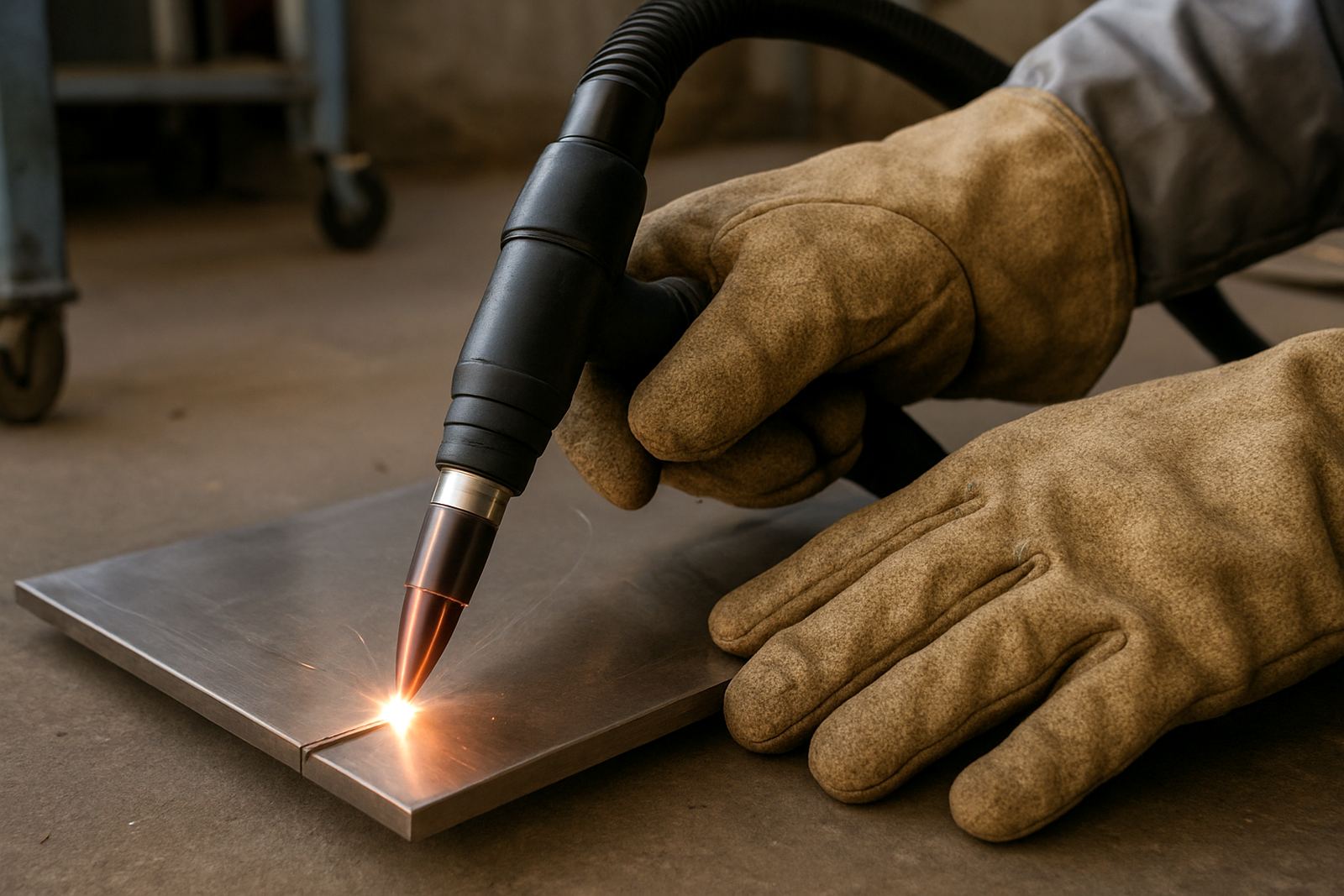
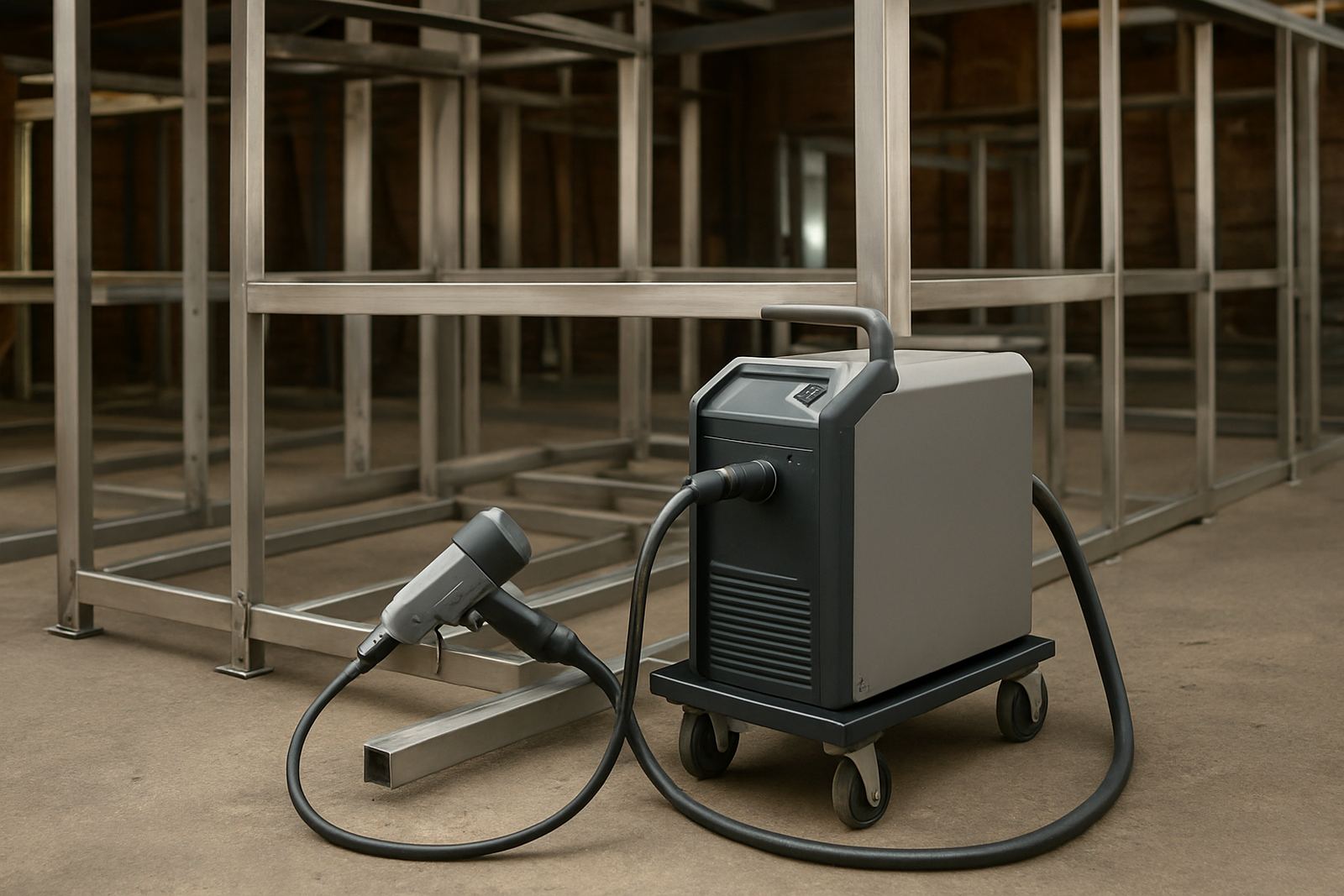
A handheld fibre laser welder can be a very practical tool on site, especially for stainless steel repairs, brackets, guards, stainless enclosures and finished assemblies that are too large to bring into the workshop. But the machine is only one part of the setup. The team also needs a clear plan for access, shielding, cleaning, power, consumables and testing. If those parts are ignored, the weld itself may look fine but the job can still run late or fail inspection.
For fabricators in Ekurhuleni, that planning is often the difference between a smooth shutdown and a costly return visit. In industrial areas like Spartan, Jet Park and Isando, many sites run on tight production windows. Once a line is down, every minute matters, so the crew has to arrive ready.
What To Check Before The Truck Leaves Spartan
A good on-site job starts before anyone reaches the gate. The first check is access. Measure the route from loading bay to work area, including stairwells, narrow passages and lift limits if equipment needs to move inside a building. Next, confirm the material type, thickness and finish. Stainless steel is common, but not all stainless behaves the same way. Some jobs involve brushed panels, some are polished, and some have a contamination risk from previous processes.
Then there is power. Many sites have stable supply, but others rely on generators or limited outlets, especially during load-shedding. A technician should know what supply is available, whether voltage is steady, and whether the site will allow the machine to run near other electrical loads. If power quality is poor, work can slow down or become inconsistent.
- Confirm the exact job location and site contact before departure.
- Check access for loading, offloading and moving the unit on site.
- Verify power supply, plug type and backup arrangements.
- List the stainless grades, sheet thicknesses and joint types involved.
- Prepare shielding, clamps, cleaning tools and spare consumables.
It is also wise to prepare for local conditions. Coastal humidity affects storage and cleaning. Dust from nearby grinding or cutting can contaminate joints. Even a small bit of oil on the surface can spoil the finish, so site prep has to be proper, not rushed.
Training Operators At The Customer Premises
On-site welding often works best when the operator is trained where the work is actually happening. That way, the training is not abstract. The team learns on the same floor space, with the same fixtures, the same stainless stock and the same time pressure they will face later. In many cases, that makes training quicker and more practical than trying to explain every detail back at the workshop.
Laser-Welder supports commissioning and operator training at fabrication shops nationwide, including demonstrations in Spartan, Kempton Park, Isando, Jet Park, Edenvale, Germiston, Boksburg and Alberton. The aim is not only to show how the machine works, but how to set up the joint, choose the right parameters, keep the lens clean and avoid rework. On stainless steel, small changes in speed or focus can affect penetration and the final appearance, so the operator needs hands-on practice.
- Set up the joint exactly as it will be used in production.
- Run sample welds on offcuts before touching final parts.
- Check bead appearance, heat input and distortion control.
- Agree on cleaning and inspection steps after welding.
- Record the settings that give the best repeatable result.
This practical approach helps smaller workshops too. A business in Kempton Park may not have a large team, but one properly trained operator can still keep a job moving without relying on outside help for every adjustment.
Keeping Production Moving During A Shutdown Window
Many on-site jobs are done during planned shutdowns, over a weekend, or in a short evening window. That means the weld plan has to suit the production programme, not the other way round. If the site only gives four hours, then the sequence of prep, welding and checking must be tight.
In that setting, process optimisation matters. A technician should look at clamp placement, joint prep, travel speed and order of work before the first weld is struck. If the sequence is wrong, the team may spend too much time moving parts around or re-cleaning surfaces. On a live plant, that kind of delay can affect everyone else on site, from fitters to electricians to quality control staff.
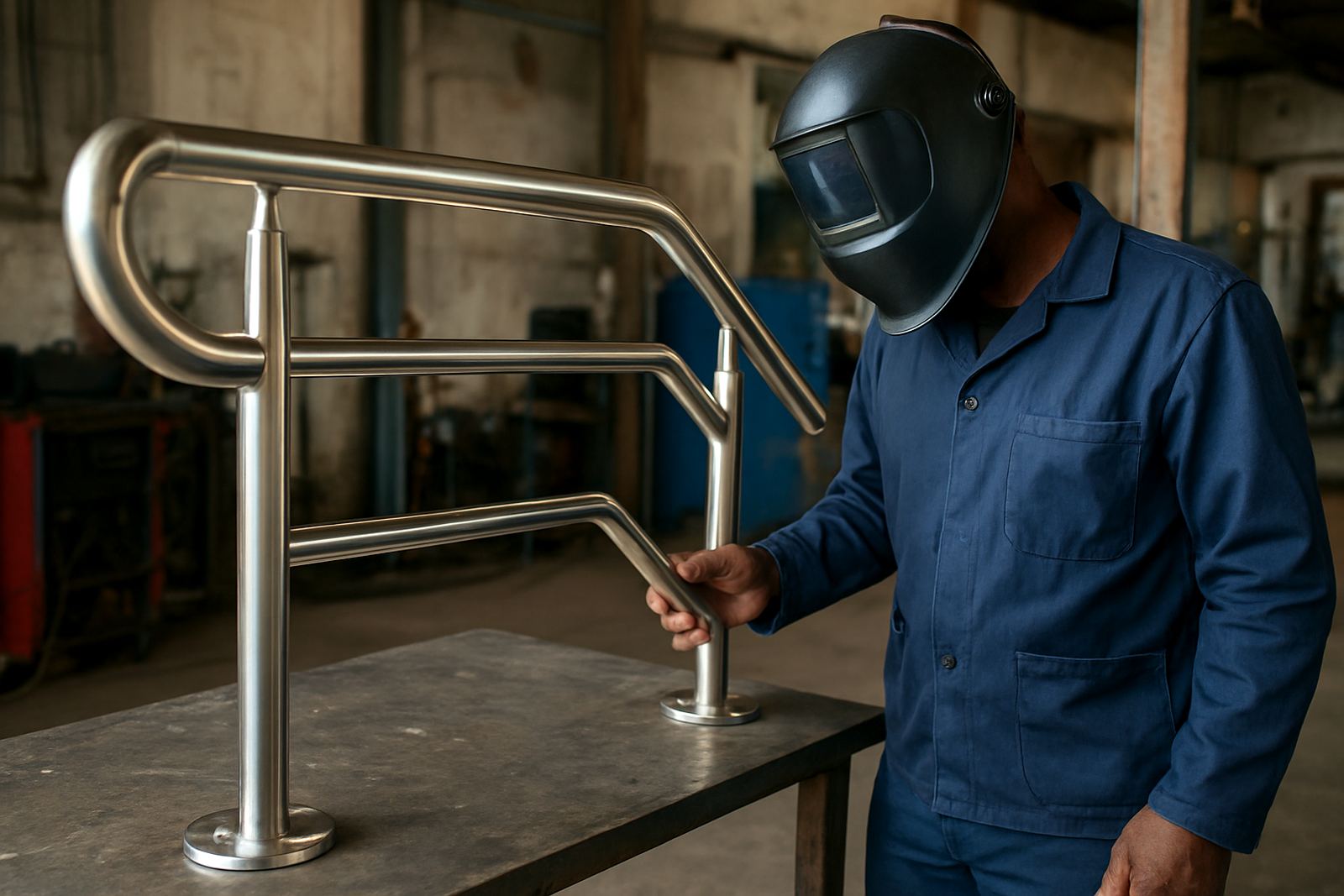
For stainless fabricators, clean results are especially important where the job is visible to customers or hygienic use is involved. A neat finish reduces grinding and polishing, which saves time and helps control distortion. That is useful on equipment skids, food contact parts, covers, frames and small assemblies that must go back into service quickly.
Maintenance And Support After The Job Is Done
On-site work does not end when the last weld cools down. Machines used in workshops and customer premises need regular care, especially when they are transported between jobs. Preventive maintenance keeps the unit ready for the next callout, and it also helps avoid breakdowns in the middle of a time-sensitive job. A clean lens, good cable condition and proper storage make a real difference.
Service support should also be easy to access when something changes on site. A new material thickness, a different joint style or a change in plant conditions can all affect the weld result. In those cases, remote help, weld testing and refresher training can save a full trip back to the workshop. If a machine issue does come up, breakdown response and spares supply need to be handled quickly so production does not stall.
That is one reason many fabricators prefer working with a supplier that understands both equipment and the daily pressure of jobbing work. The service side must be practical, not vague. If a torch needs attention or a setting needs review, the guidance should be practical enough to use on the workshop floor without delay.
A Local Example From Ekurhuleni
Picture a stainless fabrication shop in Spartan that has taken on a job for a client in Boksburg. The parts are too large to transport, so the work has to be done at the customer’s premises. The site gives the team a half-day window before another contractor arrives. There is limited power, a busy walkway nearby, and the customer wants the welds done neatly because the equipment will be visible to visitors.
Before departure, the team confirms measurements, checks consumables, prepares test pieces and arranges the machine for quick unloading. On site, they clear the work area, verify the power source and run sample welds on offcuts. After that, the actual job goes ahead with far less interruption. The finish is clean, the parts go back into service on time, and the customer does not have to budget for extra grinding or repeat work. That is what good on-site planning looks like in practice, not theory.
For fabricators working across Ekurhuleni, this kind of job is common. The premises may be in Alberton, Germiston or Kempton Park, but the same principles apply. Prepare properly, train the operator properly and make sure the machine support is in place. That is how on-site welding becomes a reliable part of production instead of a last-minute problem.