
What handheld fibre laser welding actually does
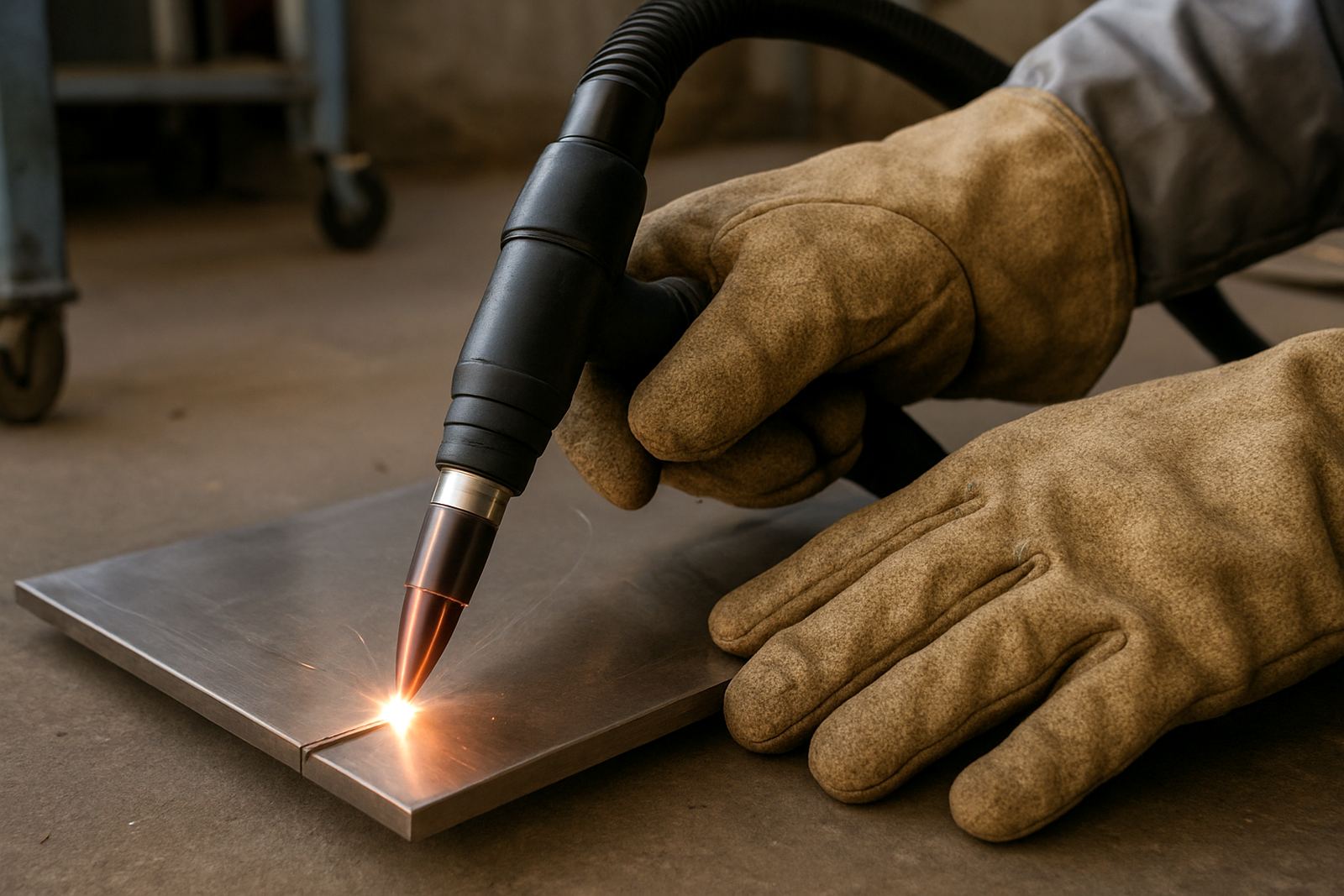
A handheld fibre laser welder uses a focused beam of light to heat a very small area of metal until the joint fuses. In simple terms, it gives the operator tight control over heat input, which is why many stainless steel fabricators are using it for cleaner welds on visible work.
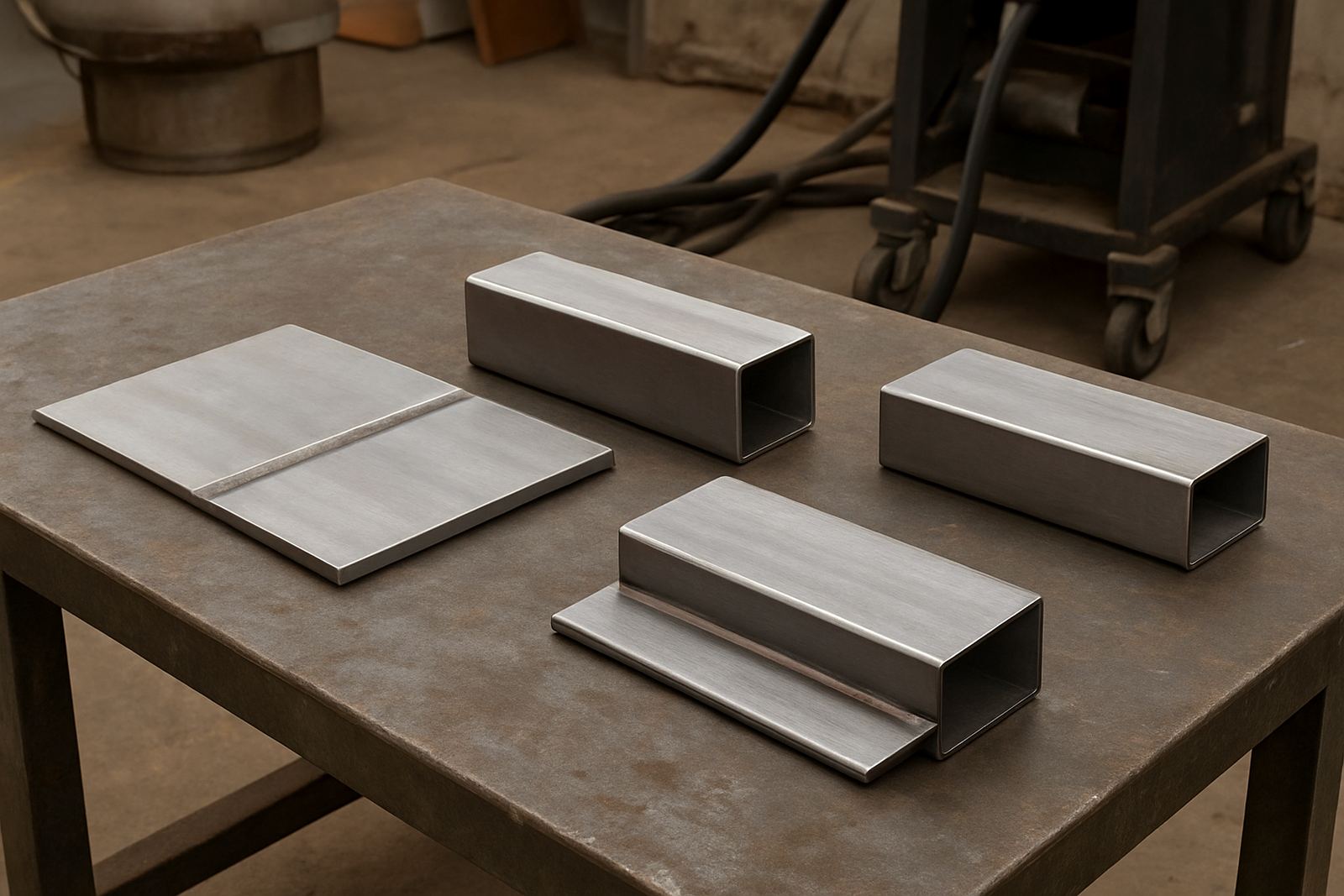
The torch head is guided by hand, much like a traditional welding torch, but the energy delivery is different. That means the weld zone is narrow, the heat affected area is smaller, and there is less distortion on thin sheet and formed sections. For workshops making kitchen equipment, stainless frames, enclosures or custom components, that can save a lot of rework.
It is not magic and it is not a cure for poor fit-up. Edges still need to be prepared properly and parts should be clamped well. But when the joint is set up correctly, the process can produce tidy, consistent results with less grinding afterwards.
Why stainless steel fabricators are taking notice
South African fabricators often work to tight deadlines, especially when a client wants a quick turnaround on a food-grade item, balustrade component or process plant part. Handheld fibre laser welding suits that pace because it is fast to learn, fast to run and can reduce the number of finishing steps after welding.
For stainless steel in particular, there are a few practical benefits:
- Less heat distortion on thinner material and visible surfaces
- Cleaner bead appearance with less post-weld grinding
- Good control on small, precise joints
- Lower spatter compared with many conventional methods
- Useful for repeat work where consistency matters
That said, the value is not only cosmetic. If a workshop can spend less time correcting warped parts or reworking a joint, production gets easier to plan. In a busy shop in Spartan or Jet Park, that can make a real difference when orders stack up before month end.
How the process fits into a real workshop
Most workshops do not need to redesign their entire operation to use handheld fibre laser welding. The unit is often brought in beside existing fabrication equipment and used on jobs that benefit from precision or cleaner finishing. It can sit well in a mixed production environment, where some work still needs conventional welding and some work is better handled with laser.
A sensible workflow is to identify the right jobs first. Thin stainless panels, brackets, frames, rail sections and fabricated assemblies with visible welds are common starting points. If the joint is clean, the fit-up is good and the production team understands the settings, the process can slot into daily work without major disruption.
Power stability is worth checking too. Workshops around Ekurhuleni know what load-shedding can do to production, so it helps to plan around backup power and voltage quality. A laser welding unit should be installed and commissioned with the shop conditions in mind, not just the brochure specs.
What operators need to get right from day one
Good results depend on more than holding the torch steady. Operators need to understand material thickness, joint gap, travel speed, focus position and cleaning. Stainless steel is unforgiving when there is oil, scale or contamination on the surface, so preparation matters a lot.
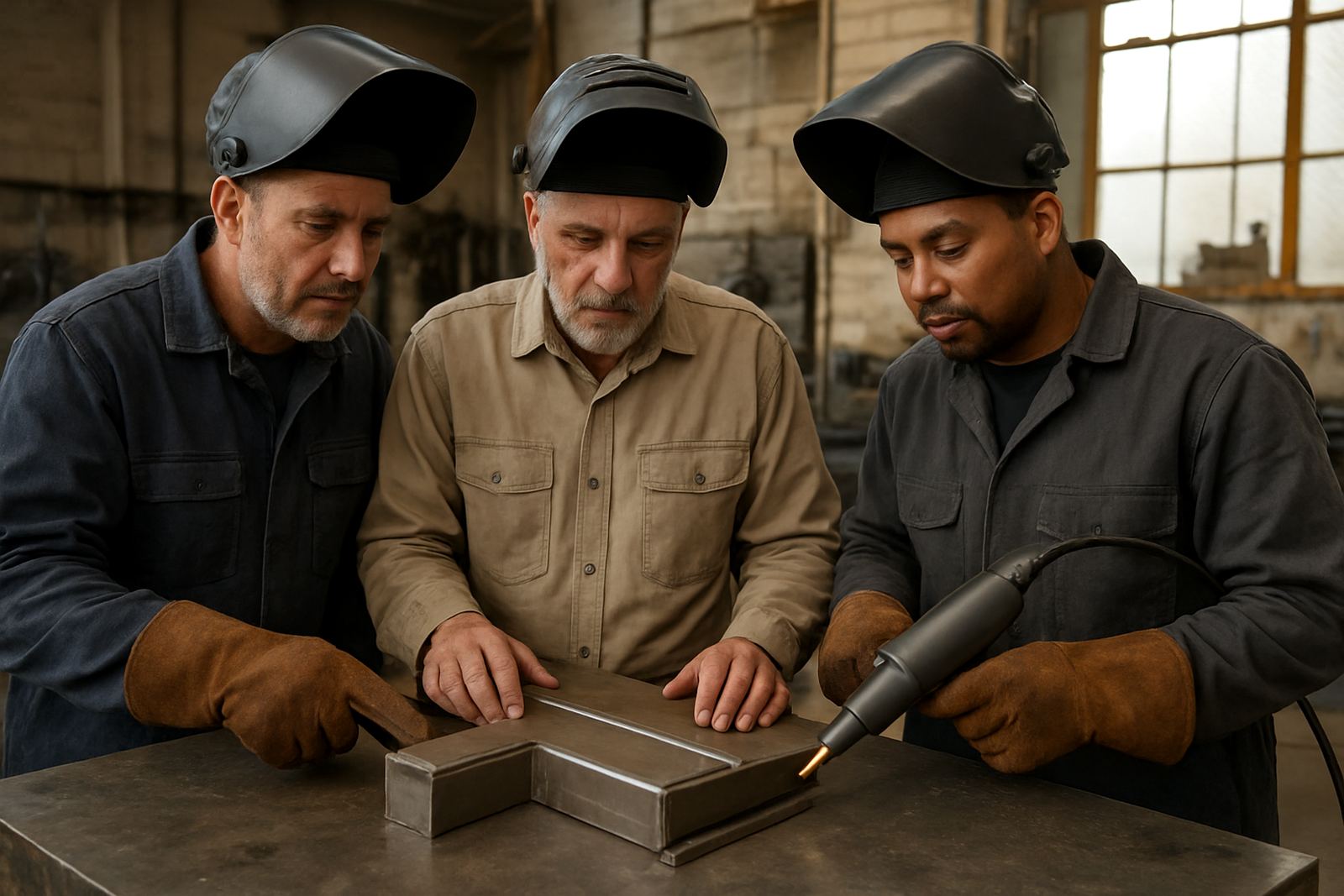
Training should cover both technique and safety. Handheld fibre laser welding uses concentrated energy, so correct eye protection, safe working distances and controlled work areas are essential. A trained operator will also know when a joint is beyond the process and when another welding method is the better choice.
- Clean the metal before welding, including the edge and nearby surface
- Clamp parts so they stay in position during the pass
- Match speed and power to the material thickness
- Check the bead and the back side where access allows
- Build a routine for daily inspection and basic maintenance
For new users, the first few days are usually about building confidence. Once the team understands the rhythm of the process, the work becomes easier to repeat and quality becomes more predictable.
A practical example from a local fabrication shop
Think of a stainless steel fabricator in Kempton Park making equipment for a small food processing plant. The shop has to produce a batch of frames, guards and covers, all with visible welds and tight tolerances. Traditional welding works, but the finishing team is spending too much time blending marks and straightening slight warping.
By introducing handheld fibre laser welding on selected joints, the shop can keep heat input down and reduce finishing time. The crew still uses other methods where needed, but the laser unit takes over on the jobs where appearance and repeatability matter most. That means less movement of thin sections and fewer delays before assembly or delivery.
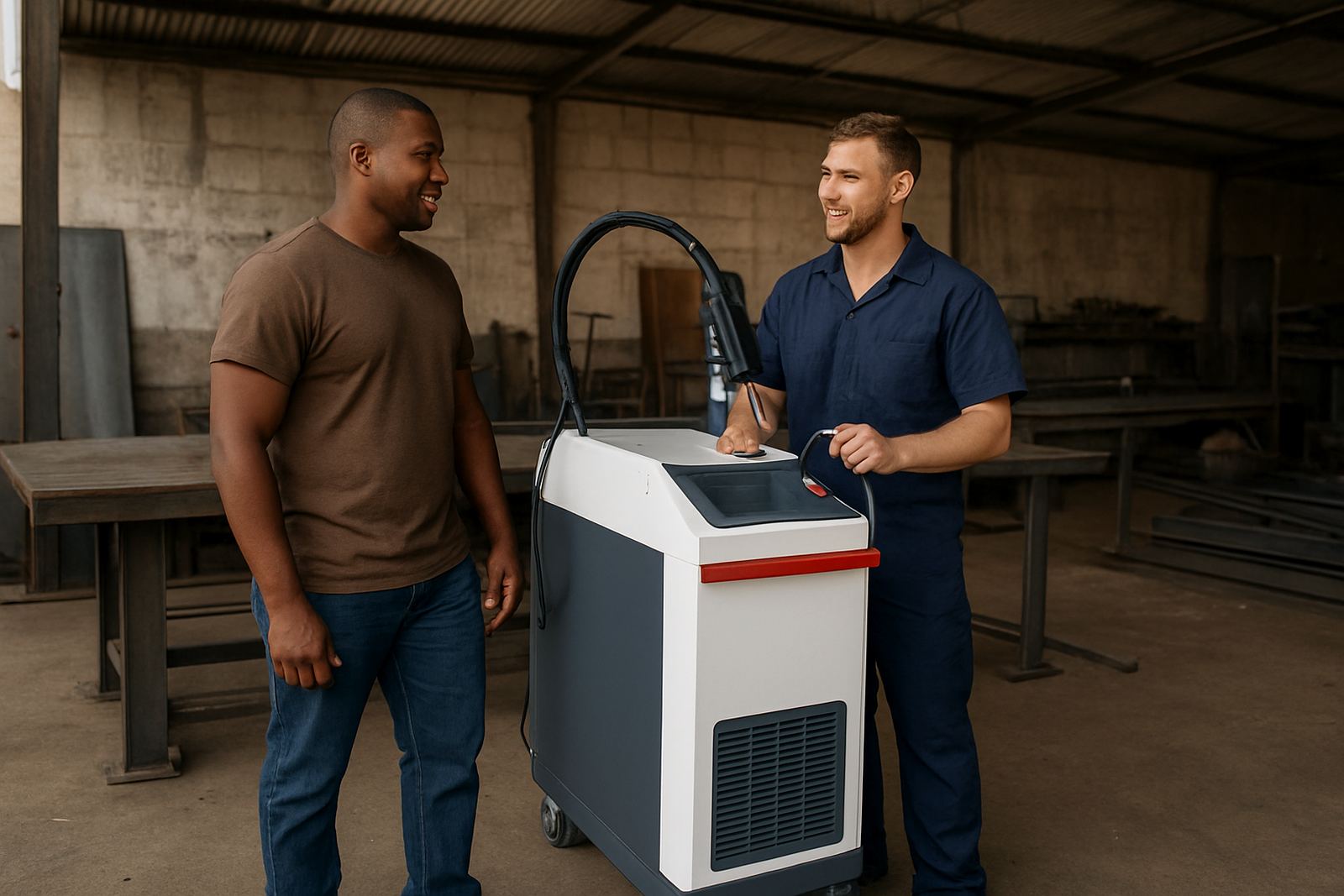
This is where local support matters. A team based in Spartan, Kempton Park can help with demonstrations, shop trials and weld testing, then adjust the process to the actual work the shop does. That kind of hands-on support is often more useful than a long spec sheet.
What to check before you invest
Before bringing handheld fibre laser welding into a workshop, it helps to ask a few practical questions. The right machine is only part of the picture. Training, maintenance, spares and day-to-day support all affect whether the process pays off.
Use this checklist:
- What thicknesses and material grades will be welded most often?
- Will the machine be used for production, repair work, or both?
- Is the workshop prepared for safe laser use and clear operating zones?
- Do operators need formal training and refresher sessions?
- Is there a plan for preventive maintenance and breakdown response?
- Can the supplier assist with commissioning, process optimisation and remote help?
If you are serving clients in Gauteng, the wider country or coastal areas where humidity can affect storage and consumables, it also helps to think about how the machine and accessories will be kept. Good care extends service life and keeps the process stable.
Why support after delivery matters as much as the machine
A handheld fibre laser welder is not just a piece of kit you switch on and hope for the best. The best results come when the machine is matched to the work, the staff are trained properly and the process is reviewed as production changes. That is especially true in workshops that move between custom jobs and repeat batches.
Support after installation can include machine commissioning, operator training, refresher sessions, process optimisation, spares supply and breakdown response. When a shop in Germiston, Alberton or Boksburg needs practical help, the difference is often in how quickly the supplier can respond and how well they understand stainless steel fabrication on the ground.
For many fabricators, the real gain is not only speed. It is the ability to produce cleaner welds with less rework, less heat distortion and fewer hold-ups in the shop. That is what makes handheld fibre laser welding worth serious consideration for South African businesses looking to improve output without complicating the workflow.