Why ducting jobs slow down in ordinary weld bays
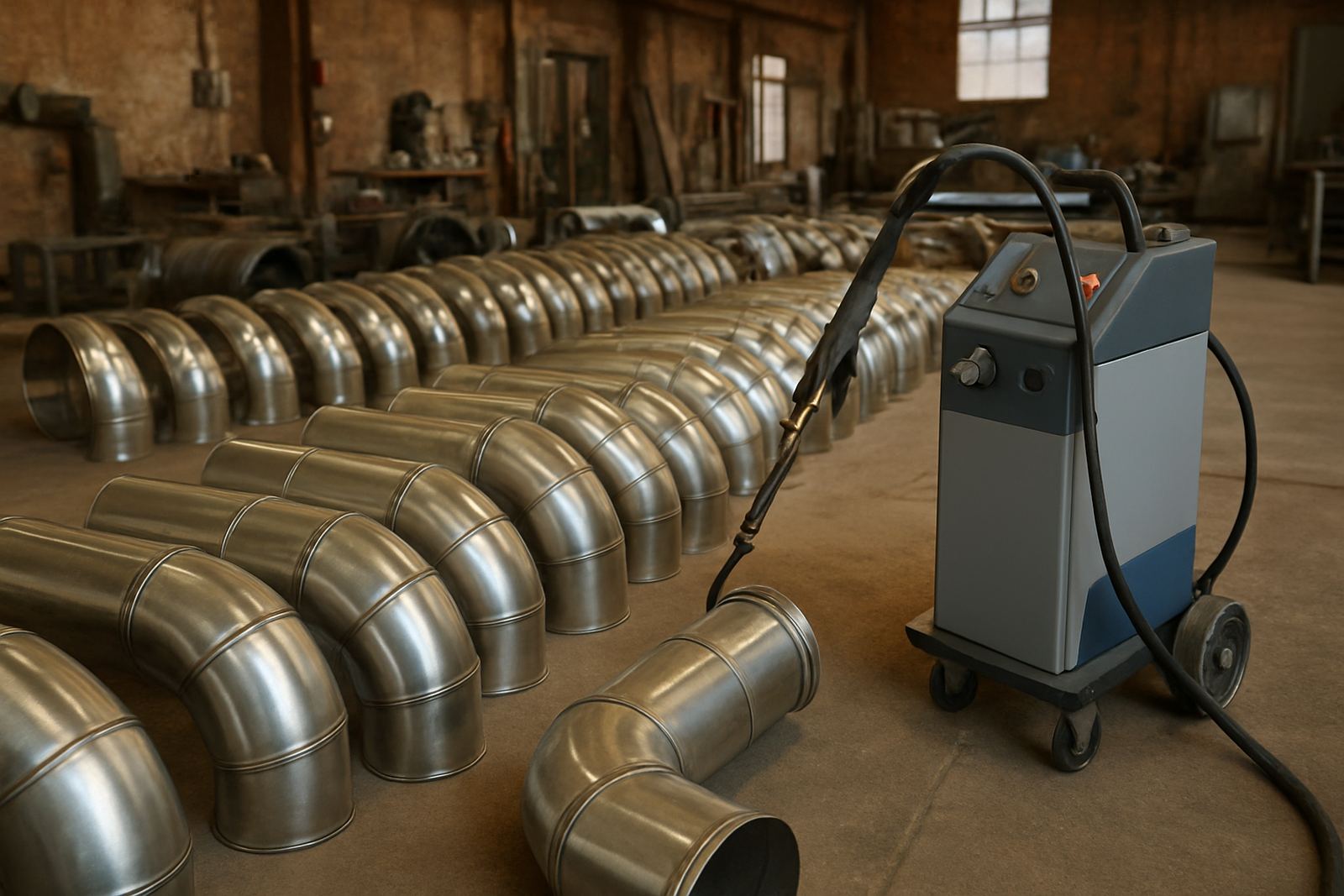
Stainless ducting, cowlings, brackets and light fabrications often look simple on paper, but they can slow a shop down in everyday production. Thin material distorts easily, corners need careful control, and every extra pass adds time. In many fabrication shops, the real delay is not the welding itself, it is the clean-up afterwards. Grinding, dressing, straightening and rework can take longer than the first weld.
That becomes a problem when the same team must handle extractor ducting, splash guards, drip trays and light frames in one shift. If one job needs extra finishing, the whole line can be affected. A process that leaves a neater bead from the start helps keep parts moving. It also helps when a supervisor is trying to meet a delivery for a contractor in Germiston or a plant in Jet Park with no room for late materials.
What changes when you move to handheld fibre laser welding
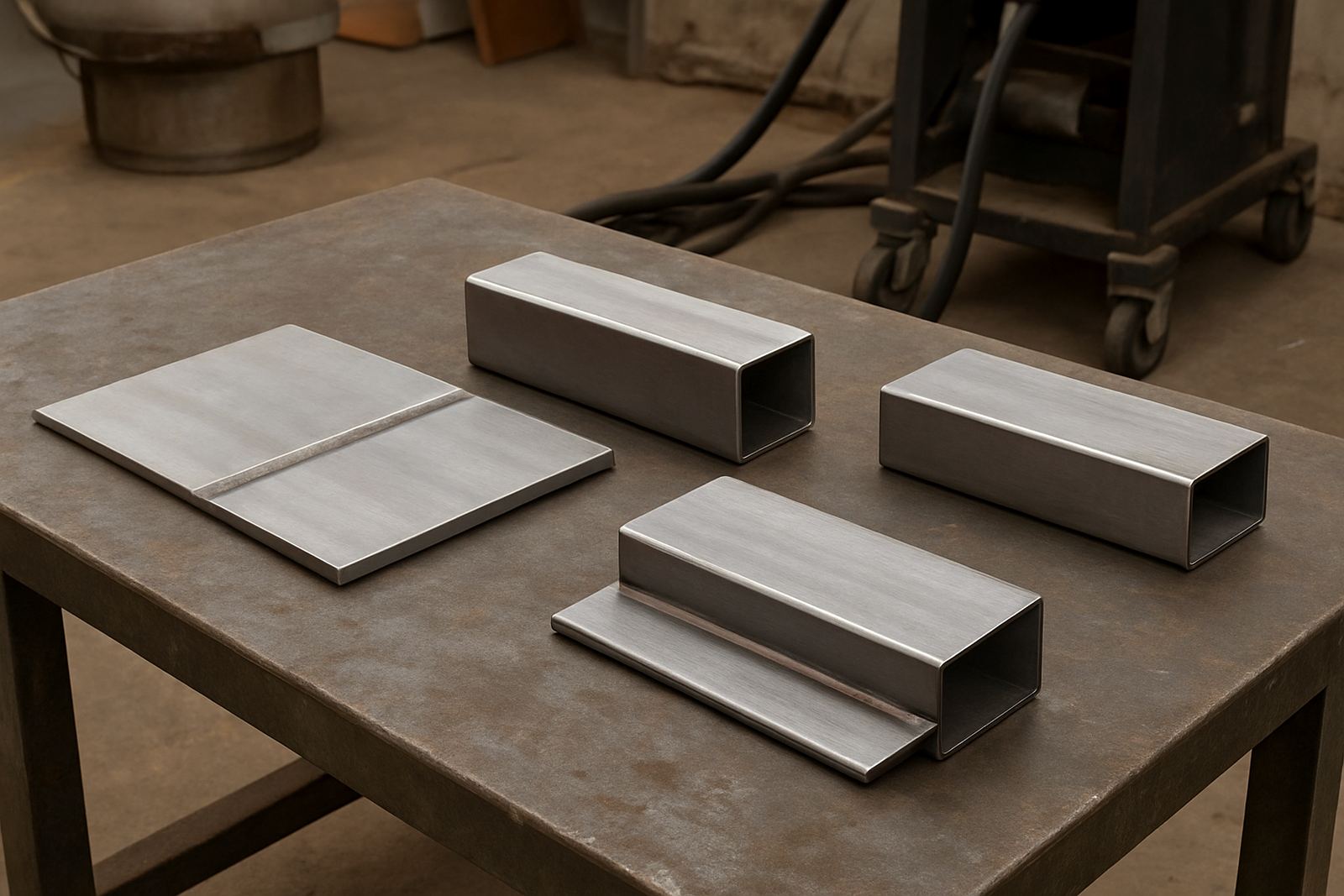
For stainless steel fabricators, handheld fibre laser welding offers a different way to join parts. It is suited to straight seams, fillet joints and many light gauge assemblies where neat appearance and consistency matter. The main gain for ducting production is control. You can work with less heat input, which helps reduce distortion on 1 mm to 3 mm stainless sections, and that means fewer parts shift out of square during assembly.
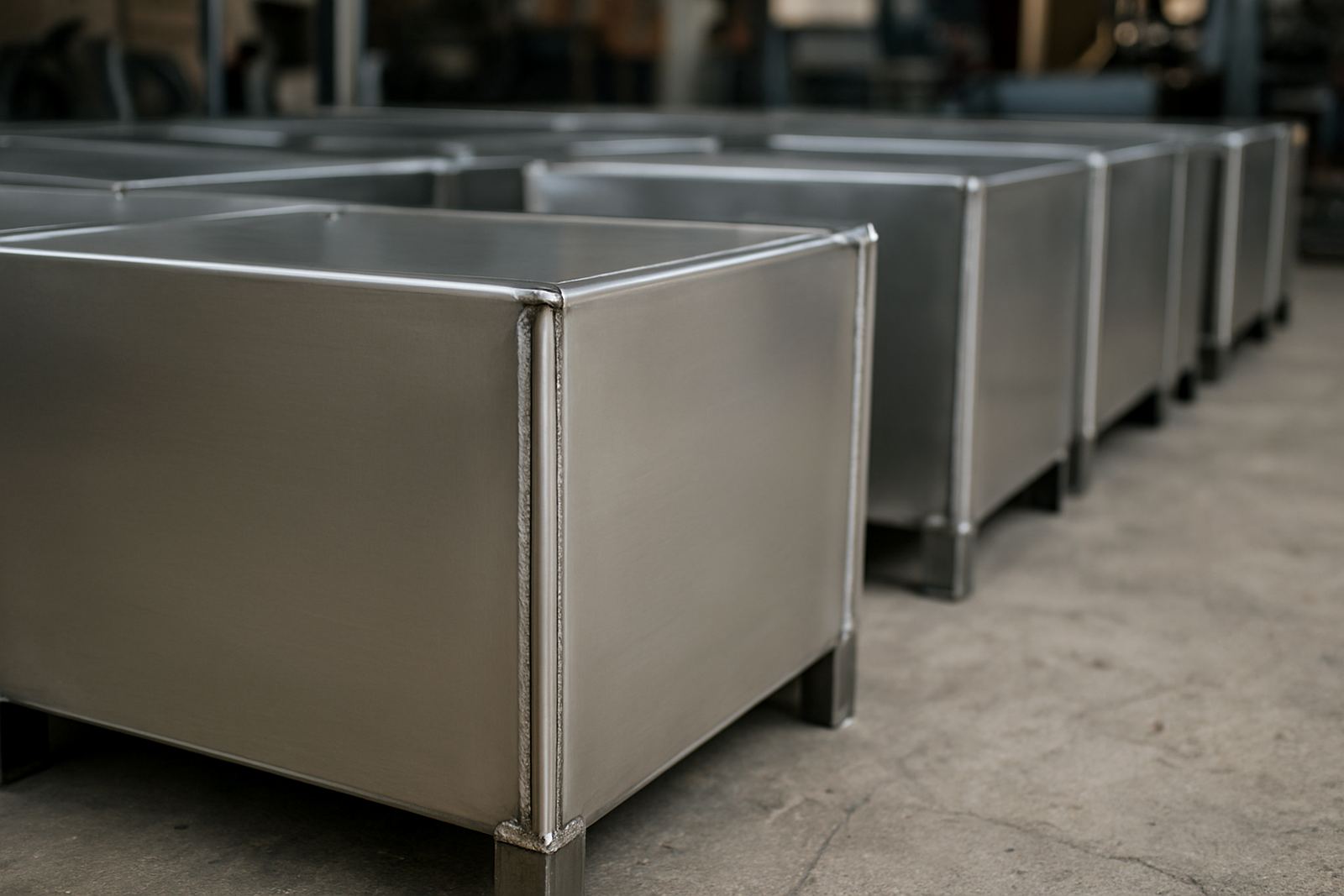
Another advantage is the reduced need for secondary finishing. A cleaner weld can cut down on flap disc work and rework, especially on visible duct runs and end caps. On many jobs the difference is not a miracle, it is a saving of a few minutes on each part. Over a week that adds up. A shop making 40 to 60 duct sections a day can feel that improvement quickly.
- Less distortion on thin stainless sheet
- Cleaner joins with less post-weld grinding
- Faster repeat work on standard duct sizes
- Better consistency across shifts and operators
A practical production line for small and medium workshops
The best speed gains come when the welding process is matched to the workshop layout. If cutting, bending and assembly are already organised, laser welding can slot in neatly after fit-up. One operator can tack and weld while another prepares the next set of parts. That keeps material flowing instead of waiting at a single bottleneck.
For stainless ducting, the process usually works best when joints are clean, clamped properly and prepared to a consistent gap. This is where good workshop discipline matters. If a fabricator wants speed, the parts must arrive ready. A laser system will not fix poor fit-up, but it will reward a tidy process with better output and less handling. In many shops around Spartan and Kempton Park, that means the welder can keep moving while the prep team stays ahead.
- Standardise duct sizes where possible
- Keep joint gaps consistent before welding
- Use dedicated clamps for repeat assemblies
- Separate prep, welding and finishing areas to reduce cross traffic
Why training matters more than machine size
A faster machine does not help much if the operator is unsure of settings or technique. That is why training matters on every production floor. The right weld speed, angle and focus setting can mean the difference between a neat seam and one that still needs attention. On stainless steel, small changes in technique can affect colour, penetration and finish.
Laser-Welder works with fabrication teams through shop demonstrations, operator training and production rollout support. For many businesses, the first step is not a full changeover, but a practical trial on common ducting pieces. That shows what the team can expect on their own material and helps supervisors decide where the process fits best. A good training session also helps new operators build confidence faster, which is useful when staff turnover is high or orders pick up suddenly.
In one case, a stainless ducting shop in Ekurhuleni used training to move from slow, finish-heavy welding to a tighter process on standard sections. The team still kept a conventional setup for certain jobs, but the regular work now moved through faster and with less rework, no fuss. The biggest gain was not only speed, it was predictability.
Keeping output steady through load-shedding and long shifts
South African workshops know that production plans can be disrupted by load-shedding, maintenance stoppages and rush orders. A process that is quick to set up and easy to repeat helps a team recover after interruptions. When power returns, operators need to get back into work without losing another hour on setting and resetting equipment. That matters in production where every lost hour affects delivery dates.
Preventive maintenance also plays a role. Clean optics, correct gas flow and routine checks keep the system ready for the next shift. Shops near industrial areas such as Isando, Boksburg and Alberton often run mixed workloads, so a machine that stays dependable under pressure is valuable. If the equipment is already part of a structured maintenance plan, the chances of unexpected breakdowns drop, and the workcell stays productive.
- Schedule quick daily checks before the first shift
- Keep spares and consumables on hand for common wear items
- Use remote help when settings need a fast review
- Plan refresher training after staff changes or process shifts
A local example from the East Rand fabrication floor
Take a small stainless shop in the East Rand making duct sections, extractor hoods and light brackets for local contractors. The business does not need a huge production hall to benefit from laser welding. What it needs is steadier turnaround. If the team can weld a section, inspect it, and move it on without a long grind-and-polish stage, the whole schedule tightens up.
In practice, that means more finished ducting in a day, less overtime and fewer small delays that build into missed loads. It also helps with customer confidence. When a contractor in Edenvale or a plant in Germiston asks for a repeat order, the shop can quote with better certainty because the process is already known. That is often the real value of faster production. It gives the business a repeatable way to meet work, not just a one-off speed boost.
Laser-Welder supports that process from Spartan, Kempton Park with machine commissioning, process optimisation, weld testing and breakdown response. The aim is straightforward: help fabricators make stainless ducting and light assemblies faster, cleaner and with fewer surprises.