Check the supply before the machine arrives
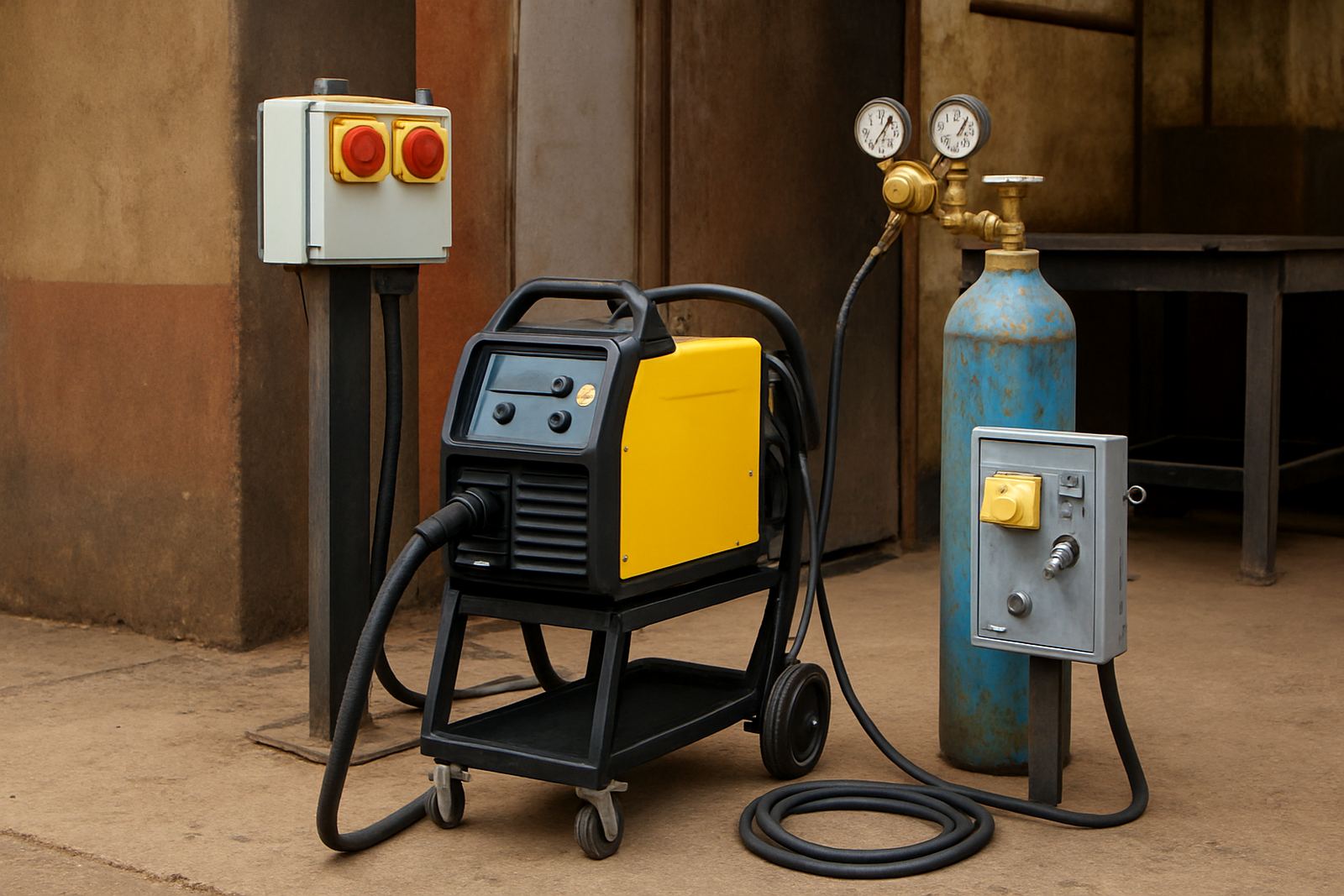
The first question is not what the machine can do, but what the workshop can support. Many fabrication shops in Spartan, Kempton Park and the wider Ekurhuleni area run a mix of older sockets, long extension leads and shared circuits, so the incoming supply must be checked before installation day. A handheld fibre laser welder needs stable power, correct earthing and enough capacity for the machine plus the auxiliary equipment that supports it.
It is worth confirming the available phase, breaker size and plug arrangement with an electrician who understands industrial loads. If the site already struggles when compressors, extraction fans and grinders all start at once, the welding area needs its own planning. Load-shedding also changes the picture. Even if the machine itself is efficient, you still need a sensible backup plan for lighting, ventilation and any support systems that must stay on during a shift.
- Confirm supply voltage and phase at the exact point of use
- Check earthing and cable condition, not just the wall socket
- Allow for other equipment running on the same board
- Plan for power cuts, especially where production cannot stop mid job
Gas quality matters more than many shops expect
Shielding gas is often treated as a small detail, but with stainless steel it has a direct effect on colour, finish and cleaning time. If the gas is inconsistent, dirty or flowing at the wrong rate, the weld can show discolouration and the operator ends up doing extra rework. For kitchens, balustrades, tanks and decorative stainless work, that extra time is money.
Workshops should check that regulators, hoses and fittings are suited to the gas in use and are in good condition. In coastal or humid areas, moisture in the line can become a real nuisance, so storage and maintenance matter. A simple leak test before production starts can save a lot of frustration later on. It is also worth training operators to recognise the difference between a clean weld and one that needs the settings adjusted, or the shielding checked.
- Store cylinders upright and secure them properly
- Keep hoses away from hot edges and moving stock
- Test for leaks after changes or repairs
- Watch for moisture, especially in humid conditions and near the coast
Cooling and ventilation should be part of the layout
Handheld fibre laser welders are compact, but the full setup still needs space, airflow and sensible placement. A workshop that tucks the machine into a cramped corner often creates heat build-up, awkward cable runs and poor access for the operator. That becomes a problem when production is under pressure and the team needs to move quickly between jobs.
Cooling is about more than one machine fan. The room must stay comfortable enough for the operator to work steadily, and fumes should be managed with proper extraction or local ventilation. Stainless steel work can generate fine smoke and particles, so the welding area needs a clear path for air movement. If the shop is in Germiston or Boksburg and the building already runs hot in summer, that matters even more. A cooler, cleaner area usually means better focus and fewer mistakes.
The floor layout should also protect the machine and cables from forklift traffic, offcuts and water used for cleaning. A neat line of sight from the machine to the workbench helps the operator stay in control. It may seem minor, but in a busy welding bay it saves time day after day.
Set up the workshop for steady production, not just demos
A successful demo is useful, but production is where the real planning shows. A shop may be impressed by the speed of a clean weld on a sample piece, yet still struggle if the utilities are not arranged for repeat work. The difference is consistency. In a production environment the machine must be ready every morning, the gas must be available, and the operator must not waste time hunting for an extension lead or a spare cylinder.
Before rollout, it helps to map the workflow from material receiving to final inspection. Where will the machine live, who will use it, and how will the gas and power be isolated after hours? These questions sound basic, but they protect both output and equipment. In busy areas like Jet Park and Isando, where space is often tight, a clear layout can make the difference between a smooth shift and constant interruptions.
- Assign one fixed position for the machine where possible
- Keep cylinders, PPE and consumables near the work area
- Mark cable routes to reduce trip risks
- Separate welding, grinding and cleaning zones where practical
Train the operator on utilities as well as welding technique
Good welders do not only learn torch movement. They also learn how the machine depends on the support systems around it. Operators should know what a normal gas flow looks like, what warning signs to watch for, and how to shut the system down safely during a fault or power interruption. When a team understands the utilities, breakdowns are easier to manage and downtime is shorter.
Training should cover start-up checks, line inspection, cooling requirements and basic fault finding. It also helps to build in refresher training after the first few weeks of production, because most problems only show up once the machine is being used on real jobs. A new operator may be cautious in the beginning, then speed up later and miss a small issue. That is where repeat training pays off.
For shops with more than one shift, the handover process matters too. If one operator leaves the system running differently from the next, the results drift. A simple logbook for gas use, cleaning and warning messages can keep everyone on the same page.
A Kempton Park example: what preparation saves later
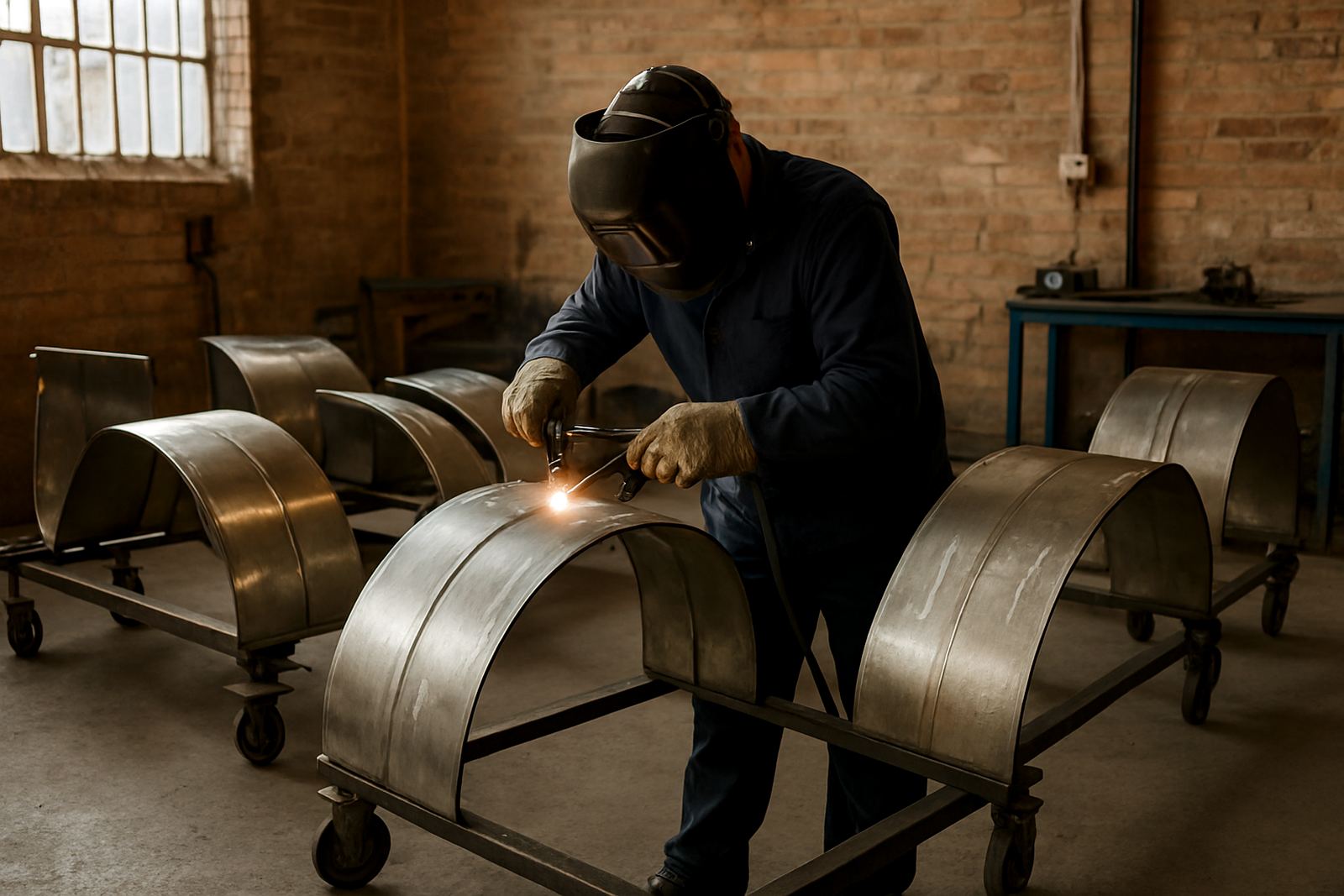
A stainless fabrication shop in Spartan, Kempton Park wanted to use handheld fibre laser welding for product frames and handrails. The machine itself was the easy part. The bigger job was preparing the utilities. The workshop needed a cleaner power point near the production line, a proper cylinder bay, and a better route for cables so workers and stock could move safely around the area.
Once the supply was checked, the team adjusted the layout, set the gas position closer to the weld station and put a short daily checklist in place. After that, the shop was not chasing small faults every hour. The welds were more consistent, the floor stayed tidier and the operators became quicker because they were not stopping to solve preventable problems. It was a practical change, not a dramatic one, but it made the process steadier from day one.
That is the real lesson for local fabricators. If the power, gas and cooling are planned properly before delivery, the machine becomes part of the workflow instead of a disruption. In a working shop, that difference matters a lot.