Why the quote must explain more than the price
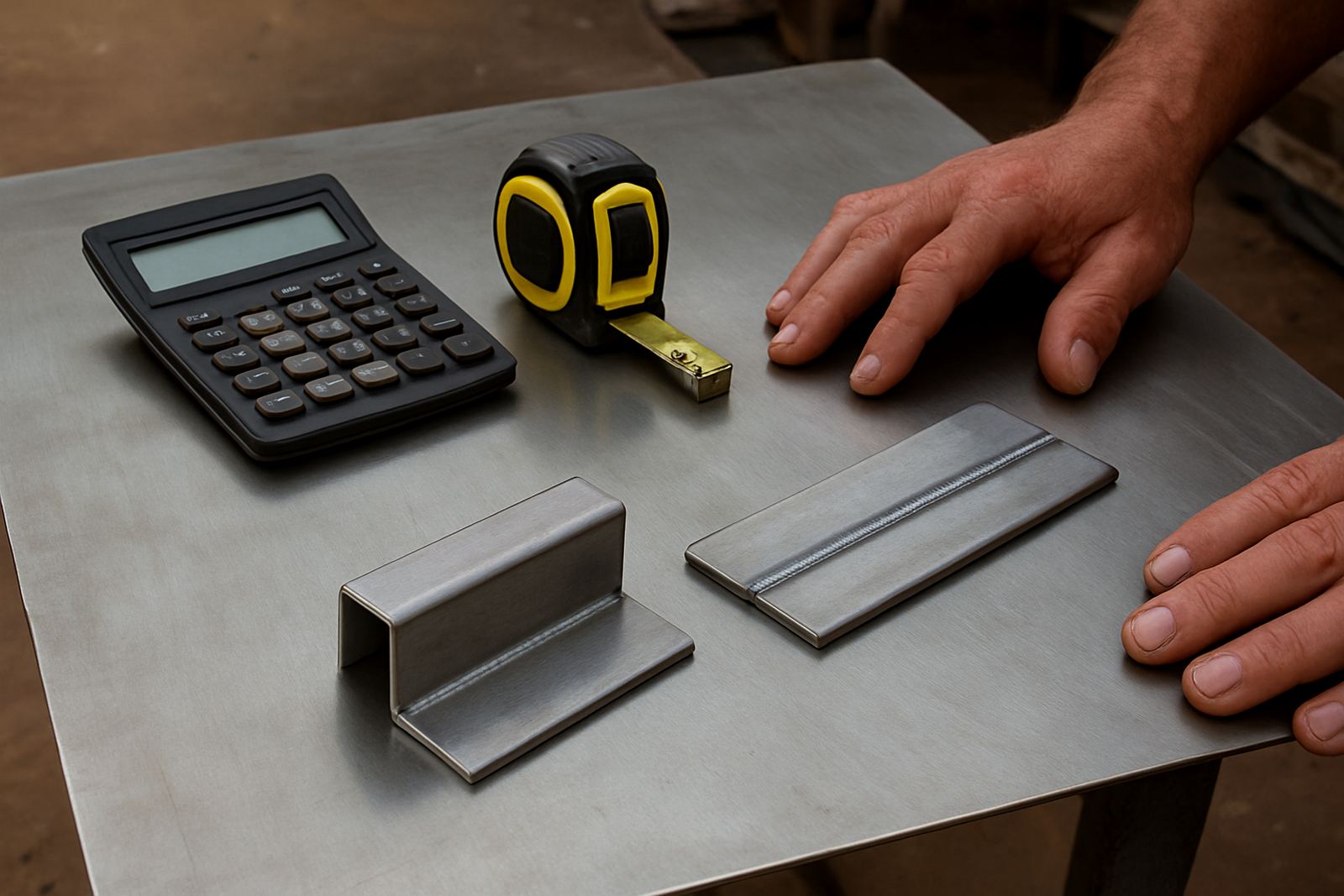
In stainless steel work, a quote is often treated like a number on a page. That is where problems start. A customer sees a lower price from one shop and assumes the two jobs are the same, even when one includes prep, testing, dressing and a tighter finish requirement. If you are quoting laser work, be clear about what is included and what is not, because the process itself can change the outcome quite a lot.
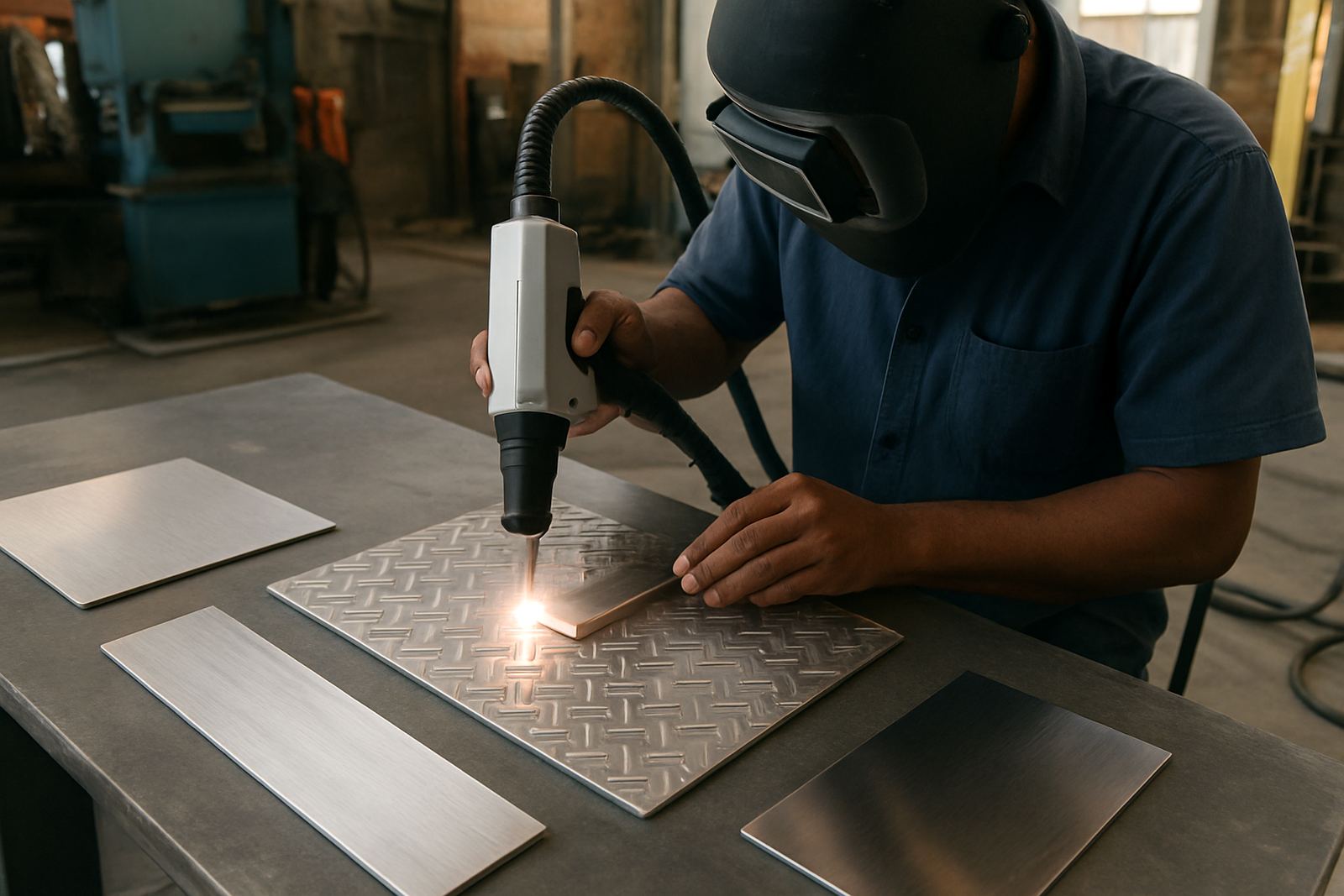
Laser welding is fast and precise, but it is not magic. Material condition, fit-up, joint design and the finish the customer expects all affect the time on the machine and the quality of the final piece. A food-grade hand wash basin in Germiston, for example, may need a cleaner cosmetic finish than a utility frame for a warehouse in Jet Park. If that difference is not stated upfront, the job can become a dispute later.
For small workshops in Spartan or Kempton Park, the best habit is simple: explain the lead time, explain the visible finish, and explain what process benefits the customer should expect. That way the quote does its job before the first weld is struck.
Lead time: set the schedule before the metal arrives
Lead time matters because laser jobs often sit inside a bigger production chain. A fabricator may be waiting on cut parts, bent sections, fittings or inspection sign-off. If the customer is not told when the machine time starts and when delivery can happen, pressure builds fast. This is especially true when a factory is trying to beat a municipal install deadline or get a stainless enclosure out before shutdown.
Be specific about the time factors that affect the job. A clear expectation helps the customer plan around production, labour and transport. It also helps your own team avoid rushing setup work during load-shedding windows or when the workshop is running on generator power and every minute counts.
- State whether the lead time is from approval, deposit, or arrival of materials
- Separate machine time from prep time and finishing time
- Allow for testing on first-off parts before full production starts
- Explain delays caused by poor fit-up, warped sheet, or missing drawings
If you do on-site demos or rollout support at shops in Edenvale, Alberton or Boksburg, use those visits to show how lead time changes when the parts are well prepared. Customers usually accept a fair timeline when they understand the reasons behind it.
Finish expectations must be discussed before the first weld
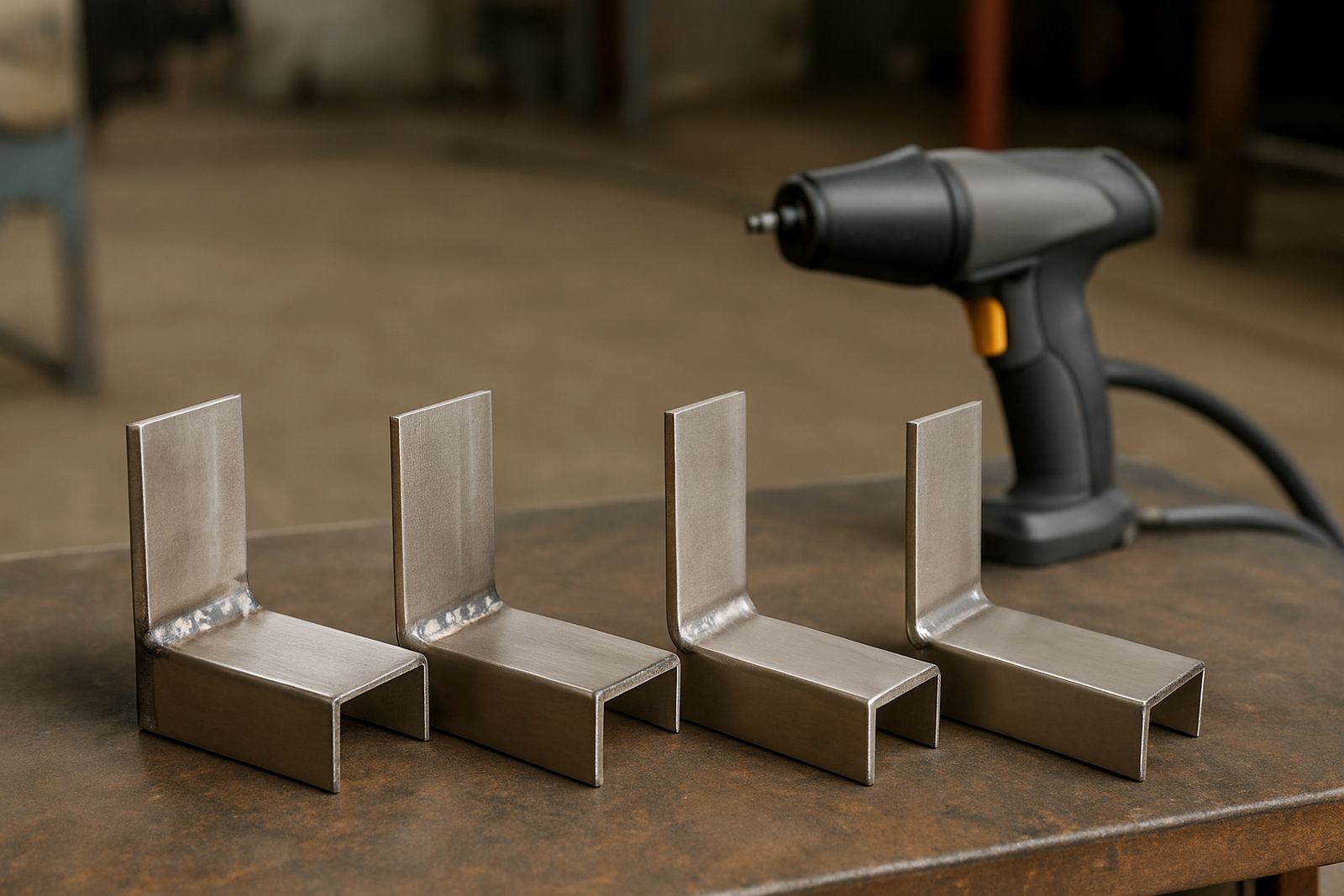
One of the biggest misunderstandings in stainless fabrication is finish. A customer may say they want it neat, but that can mean very different things. For one buyer, neat means the weld is sound and mostly hidden. For another, it means no discolouration, minimal clean-up and a surface that can go straight into a visible installation. You need to ask which one they mean.
Laser welding can reduce distortion and often leaves a cleaner joint than older methods, but the parts still need to be properly prepared. If edges are not cleaned, gaps are too wide, or there is contamination from oil and marking fluid, the end result will show it. That is why the quote should make allowance for material condition and finishing standard.
In coastal jobs, especially where stainless is going near humidity or salt air, customers should be told that finish is not only about looks. It also affects cleaning, corrosion resistance and service life. A tidy weld with the right post-weld handling can save a lot of grief later, especially on handrails, canopies and kitchen equipment.
- Define whether the finish is functional, visible, or food-grade
- Confirm if grinding, polishing or passivation is included
- Tell the customer if discolouration control is part of the scope
- Ask for sample approval when appearance matters on repeated items
Process benefits only matter when the customer can measure them
Customers often hear that laser welding is quicker, cleaner and more efficient, but those claims need to be tied to real outcomes. Otherwise the conversation becomes vague. A fabricator should explain the benefit in plain terms: less distortion means less straightening, cleaner joints mean less finishing, and faster welds can mean more units completed in a shift.
That is the sort of language a production manager understands. If you are quoting a run of stainless cabinets for a site in Isando, it helps to say that the process may reduce rework and improve consistency across the batch. If the customer runs a small workshop, the same benefit might be fewer hours spent on dressing and a better chance of keeping to deadline.
This is also where proper operator training matters. A welder who understands travel speed, beam focus and joint preparation will get a more consistent result than someone learning by trial and error. Customers should know that the benefit is not just the machine, it is the process discipline around it.
What to tell customers before they sign off the job
Before the order is confirmed, make sure the customer has a clear picture of the job from start to finish. This is not about over-explaining. It is about removing uncertainty that can turn into a complaint later. A short conversation can prevent a lot of back-and-forth once production begins.
Use a simple checklist in your sales process so every quote covers the same points. That keeps the team aligned, and it gives the customer a fair basis for comparison.
- Material type and thickness
- Joint condition and fit-up quality
- Expected finish standard
- Lead time and delivery method
- Any testing or sample approval needed
- Whether maintenance or after-sales support is included
In a busy area like Spartan, where workshops are often juggling contract work, repair work and urgent call-outs, clear quoting saves time. It also builds trust. People remember when a supplier tells them the truth upfront, even if the answer is not the shortest one they hoped for.
A local example from Spartan to site handover
A stainless fabricator in Spartan took on a repeat order for food-processing frames and was asked by the client to cut delivery time by two days. Instead of promising the impossible, the fabricator broke the quote into machine time, prep time and final inspection. They also explained that the first unit would be tested before the batch was released. The customer agreed because the scope was clear.
The result was a cleaner handover and fewer surprises. The fabricator did not need to stop mid-job to argue about polish marks or late changes. The client got the batch on time, the shop kept production moving, and there was no confusion about what counted as a finished part. That is how expectation setting protects both sides.
For shops that work across Kempton Park, Jet Park and Germiston, the same approach helps with municipal rules, site access and transport planning too. If a job must move in daylight hours only, or a site needs a loading bay booking, say so early. Small details make a big difference when the job is already on the machine.
Better quoting leads to better laser work
Setting expectations is not an extra admin task, it is part of good fabrication. When customers understand lead time, finish and process benefits, they make better decisions and the workshop can deliver without unnecessary pressure. That means fewer disputes, fewer reworks and more repeat business.
For laser welding in stainless steel, clear quoting is often the difference between a smooth production run and a messy one. If you want the customer to value precision, show them exactly what precision means in time, finish and cost. The quote should feel practical, not vague, and the delivery should match what was promised. That is what keeps a workshop credible in a tough market.