Why stainless jobs punish rushed welding
Stainless fabricators know the real cost of a rushed weld is usually paid later. A bead that looked quick on the day can mean extra dressing, discolouration, distortion, or a call-back when the client spots it on a stair rail, tank, hand wash unit, or kitchen line.
In a busy Spartan or Jet Park shop, it is tempting to chase the fastest possible travel speed. But stainless responds badly to too much heat and poor control. The more heat you throw in, the more likely you are to see warping, sugaring on the back side, and a finish that needs grinding before it can pass inspection. On thin sheet, that can turn a one pass job into a small repair cycle.
The better question is not how fast can we weld, but how fast can we weld and still avoid rework. That shift in thinking is where most shops gain time. If a weld comes out clean first time, your grinder stays idle, your polishing time drops and the job moves faster overall.
The finish clients notice is often the finish you do not get for free
Customers buying stainless usually notice the final look before they understand the process behind it. They may not ask about amperage or shielding technique, but they will notice colour changes, ripple consistency, and whether the joint looks like part of the product or like a repair. On visible work, finish is part of the sale.
That does not mean every weld must look decorative. It means the weld has to suit the job. A food prep line in Kempton Park may need a neat, low-cleanup result because hygiene, wipe-down time and repeat inspections matter. A support bracket in an industrial plant may allow a simpler finish if strength and turnaround matter more. Good fabricators know where appearance is essential and where it is only costing time.
The best shops set finish targets before the first tack goes down. If the team knows what is acceptable, they can choose the right joint prep, torch angle, travel speed and after-cleaning method instead of guessing midway through the job. A missed standard on one batch can follow the whole order through the workshop.
Where handheld fibre laser welding changes the pace
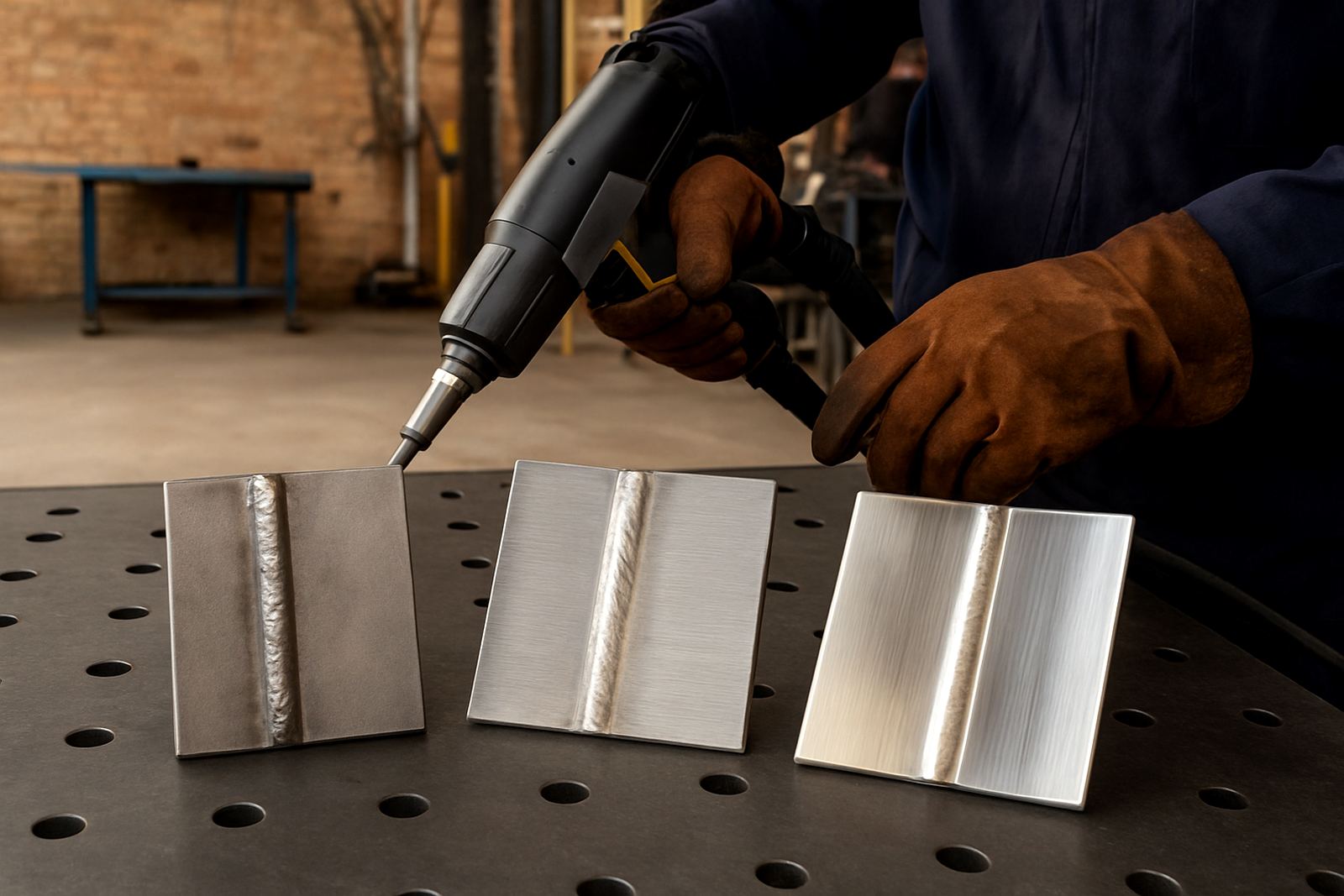
For stainless fabrication, handheld fibre laser welders have changed the way many shops think about throughput. They allow fast, controlled welds with a narrow heat affected zone, which is especially useful on thin stainless, decorative assemblies and repeat production runs. The benefit is not only speed, it is consistency.
Traditional methods often need more post weld finishing, especially when the job must look clean on both sides. With the right setup and an operator who understands the material, a laser weld can reduce the amount of grinding, filling and straightening afterwards. That matters in workshops where labour is tight and load-shedding already eats into the day. Less finishing time means more value from each productive hour.
The point is not that laser replaces every process. The point is that it can take pressure off finishing stages that slow down delivery. If your team is welding balustrades, cladding trims, tank fittings, or small stainless assemblies, the right machine settings can save time without making the job look rough. That balance is where the payoff is.
The shop-floor habits that protect both speed and appearance
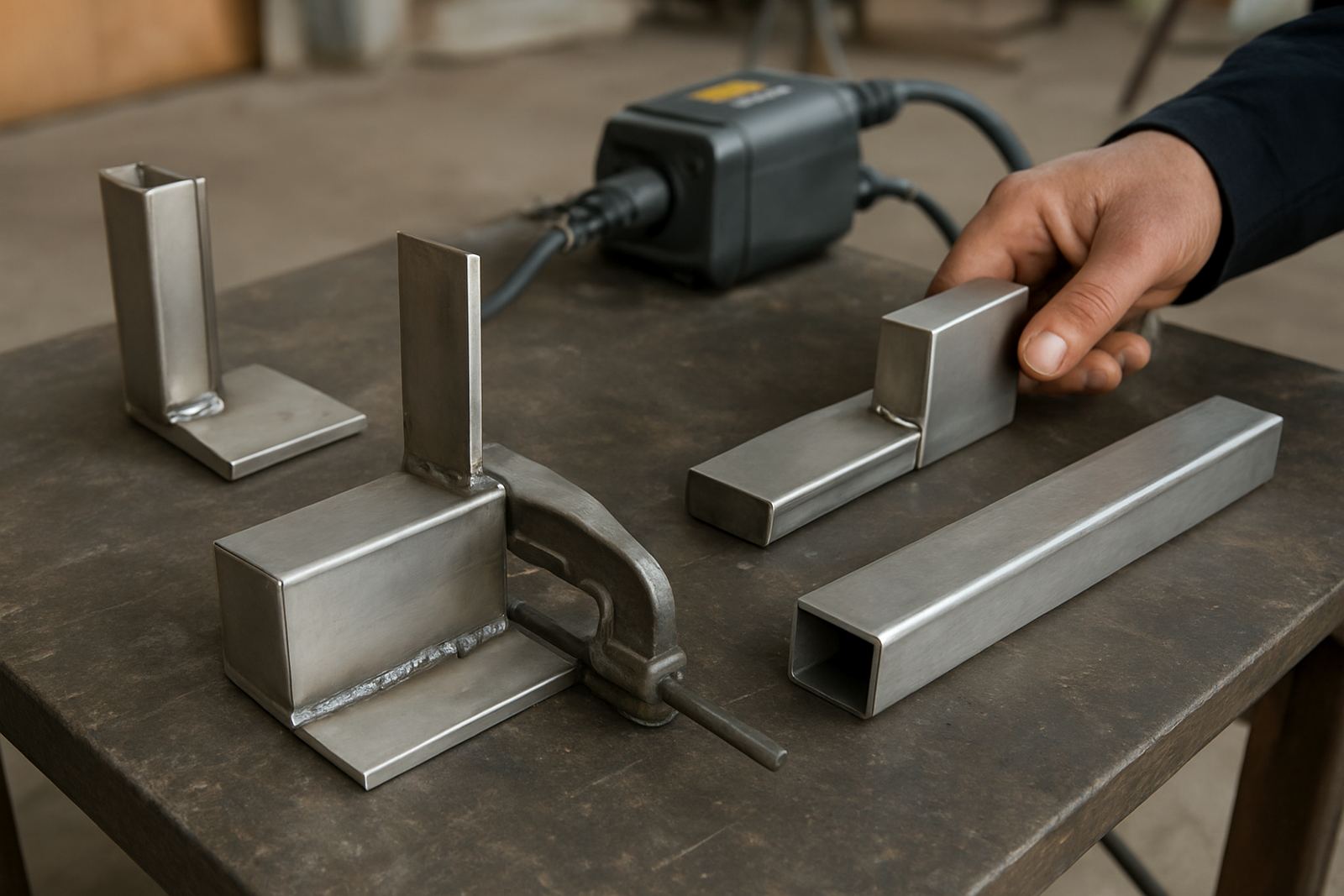
Even with good equipment, the process still depends on shop discipline. Clean material, correct fit-up and stable clamping make a bigger difference than many teams expect. If parts are out of square or the joint gap keeps changing, the operator slows down, adds correction, and the finish suffers. Good prep is often the cheapest way to increase output.
In practice, the most efficient teams keep a simple routine for every stainless job. They clean the joint, check alignment, confirm gas coverage or shielding needs, and do a test piece before full production. That small pause saves time later. It is better to spend five minutes checking than thirty minutes fixing a weld that has gone off colour or pulled the part out of line.
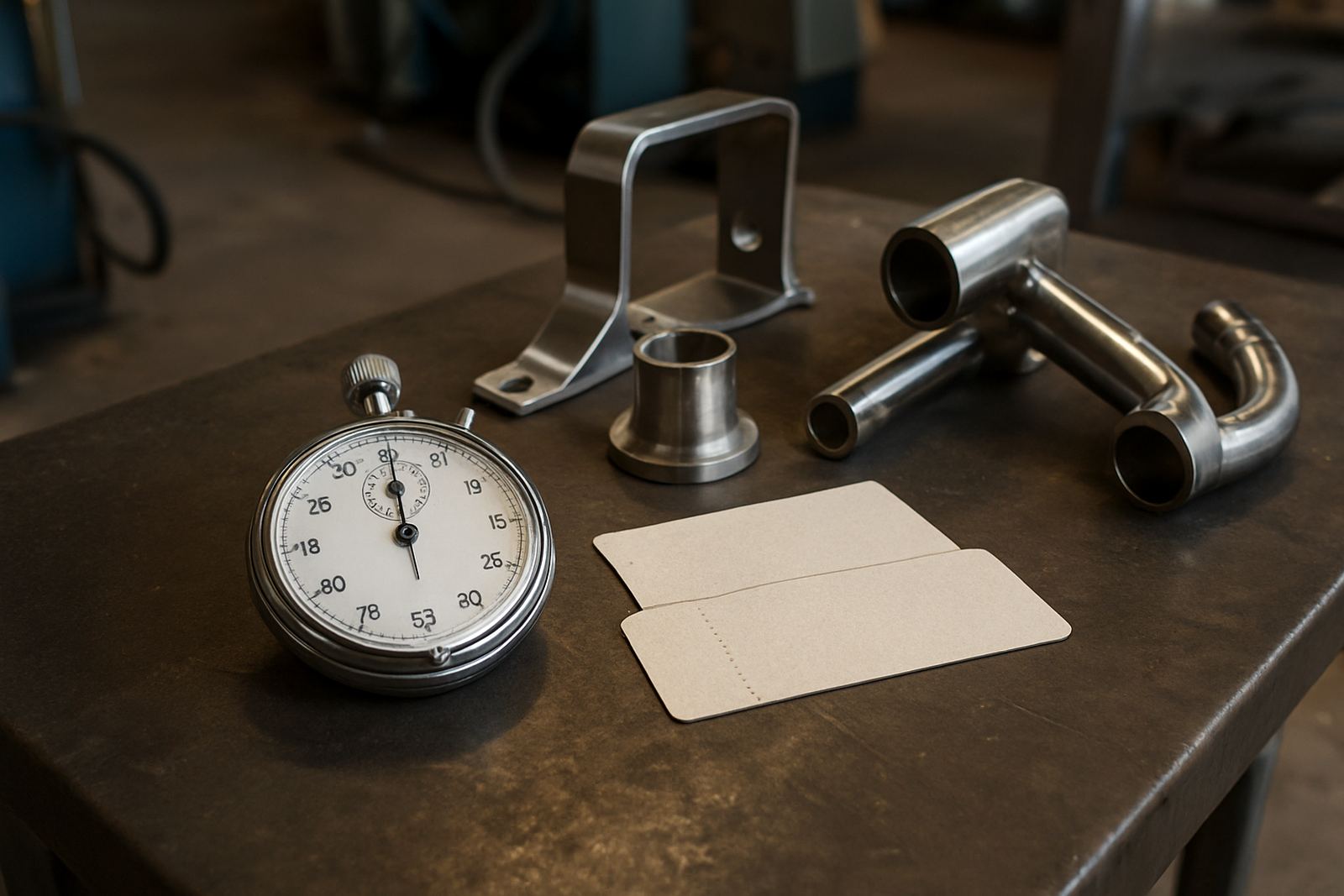
Training also matters. A skilled operator can work faster because they know what the pool is doing, when to back off and when to keep moving. That is why refresher training, process optimisation and weld testing are worth doing on site. One good setup on one shift is not enough if the next team changes the result. Consistency is what keeps the finish stable.
A local example from a Kempton Park production run
Take a stainless fabrication shop in the Ekurhuleni area that makes custom sink units and light industrial frames for inland clients and coastal sites. The shop was spending too much time on finishing because the welds were sound but too heavy for the visual standard. The team could move quickly on the first pass, yet the back end of the job dragged on.
After reviewing the process, the workshop changed the way it approached joint prep, training and output targets. Operators were shown how to keep travel steady, reduce heat build-up, and aim for a cleaner first pass rather than relying on grinding to hide the weld. The result was not magic, just better control. Output improved because the team spent less time fixing surfaces, and the parts were ready for packing sooner.
That same approach works whether the job is going to a Cape Town marine environment, a Durban plant exposed to humidity, or a Pretoria factory where deadlines are tight and labour has to be used carefully. The principle is the same: if the finish is under control, the speed becomes useful. If the finish is poor, speed just creates more work.
How to choose the right balance for each job
There is no single setting that suits every stainless job. A clean ornamental panel, a food-grade assembly and a structural support piece all ask for different priorities. The right balance comes from knowing what the client will inspect, what the job must withstand, and how much afterwork the shop can afford.
A practical rule is simple: if the surface is highly visible, protect the finish first and let speed follow from better control. If the weld will be hidden or painted over, the priority may move toward production speed, provided the joint is sound and within spec. Either way, the team should work from the same expectations so no one is surprised at handover.
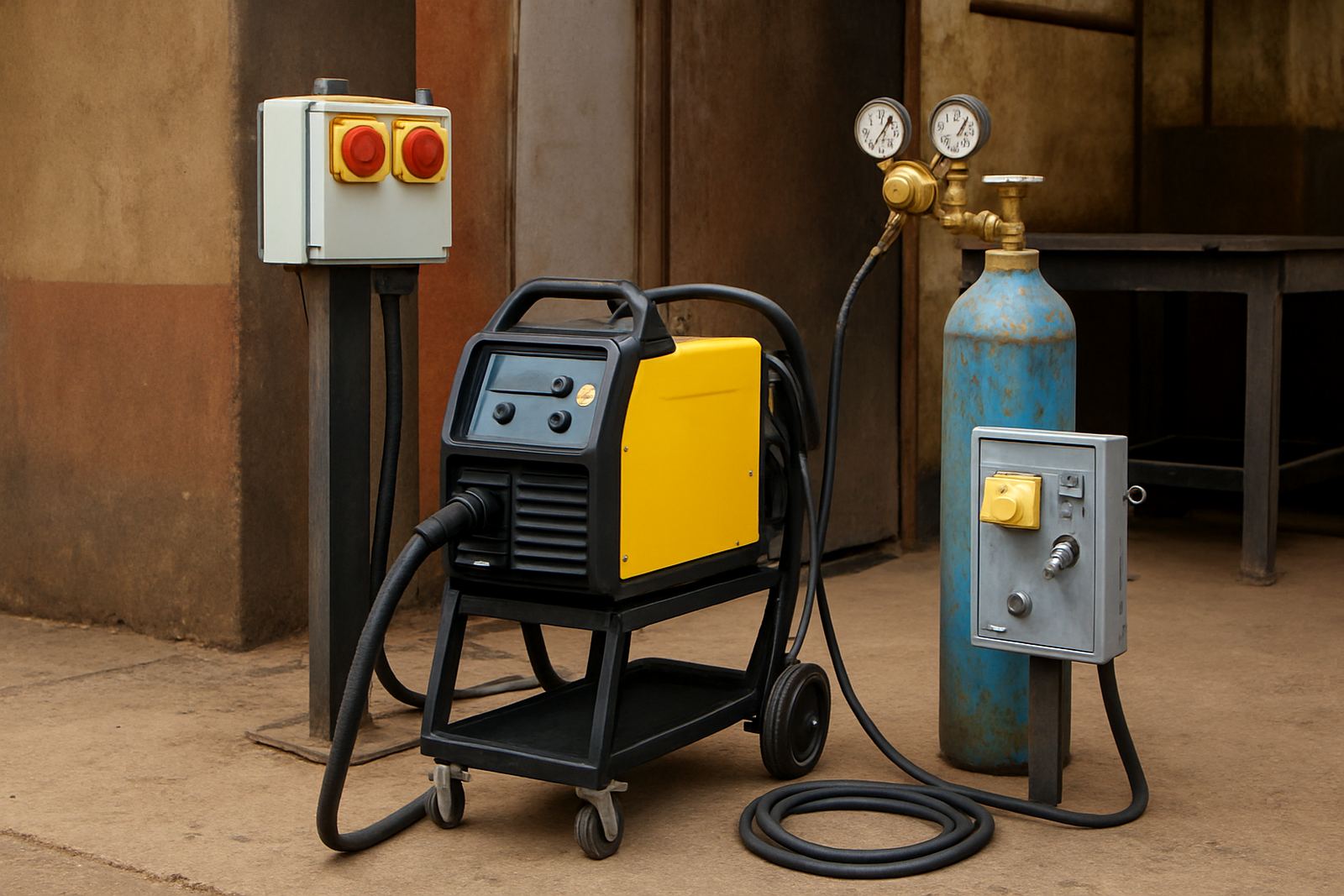
For shops in Spartan, Kempton Park and surrounding industrial areas, that balance is often easiest to reach with proper commissioning, operator training and regular maintenance. When the machine is set correctly and the team knows how to use it, speed and finish stop fighting each other. They start supporting each other, and that is where stainless work gets done properly.