Why the seam is part of food safety, not just a join
In a food plant, seam quality affects more than appearance. A rough root, undercut, pinhole or heat tint line can hold product residue, cleaning chemical and moisture. Over time that becomes a hygiene problem and a maintenance problem too.
For stainless equipment used in bakeries, dairies, meat rooms, bottling areas and prep spaces, fabricators are expected to create joints that can be washed down without trapping grime. That means smooth weld profiles, proper fit-up and the right heat control. If the seam is open or scuffed after fabrication, the cleaning team will notice it long before production signs off the job.
In practice, good seam work reduces rework, helps pass internal hygiene checks and keeps the fabrication shop from getting called back for avoidable repairs.
Where handheld fibre laser welding helps most in food-grade fabrication
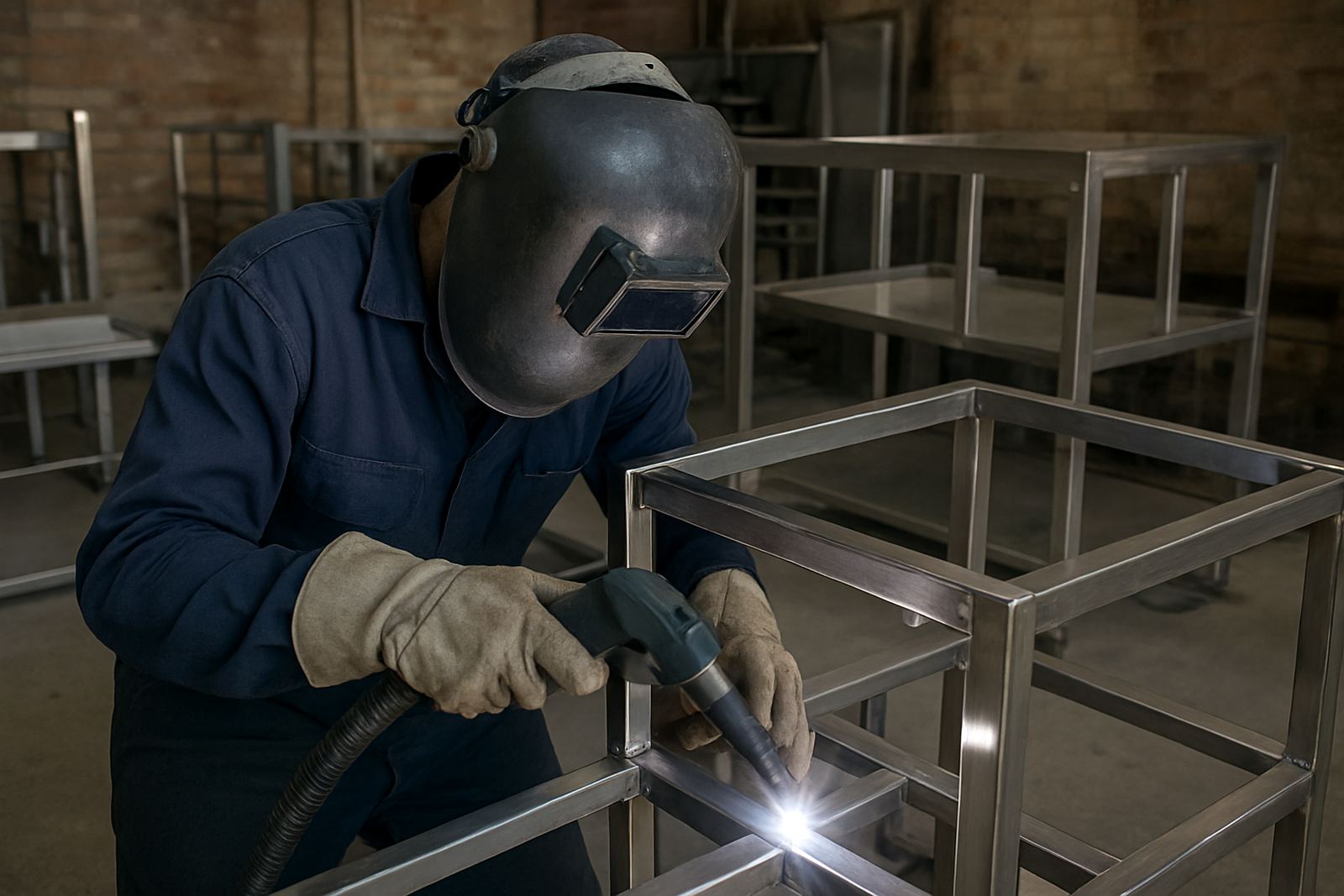
Handheld fibre laser welders suit many food equipment jobs because they give precise heat input and neat bead control on stainless steel. That is useful on thin sheet, edge seams, corners, guards, trays and frames where distortion can create gaps or uneven surfaces.
Compared with slower manual methods, the operator can move through long seams with less grinding afterwards. Less grinding means less chance of thinning the stainless, changing the profile, or leaving a finish that is hard to clean. For workshops in Spartan, Kempton Park and the wider Ekurhuleni area, that can make a real difference when production is under pressure.
Typical applications include:
- Machine housings for food processing lines
- Stainless tables, sinks and wash stations
- Chutes, hoppers and transfer sections
- Brackets, guards and support frames
- Small tanks and service panels
When a workshop is building for hygiene sensitive environments, the aim is not just to join metal. It is to create a seam that stays easy to clean after months of daily use.
What clean seams look like on a stainless food line
A clean seam should be consistent in width and height, with no obvious spatter, burn marks or open edges. The surface should support a sanitary wipe-down, whether the equipment is used in a chilled room in Alberton or a warm packhouse near Germiston.
Fabricators should pay attention to heat tint because discoloration can indicate oxide build-up and extra cleaning effort. On food equipment, that can mean more polishing, more pickling work and more time before handover. A tidy weld also helps prevent sharp edges around access points and service panels where operators work every day.
There is also a practical maintenance point. If the seam line is even, inspectors and operators can quickly spot damage, corrosion or contamination. If the weld is lumpy or hidden under excessive filler, small faults are easier to miss. That can become expensive later on.
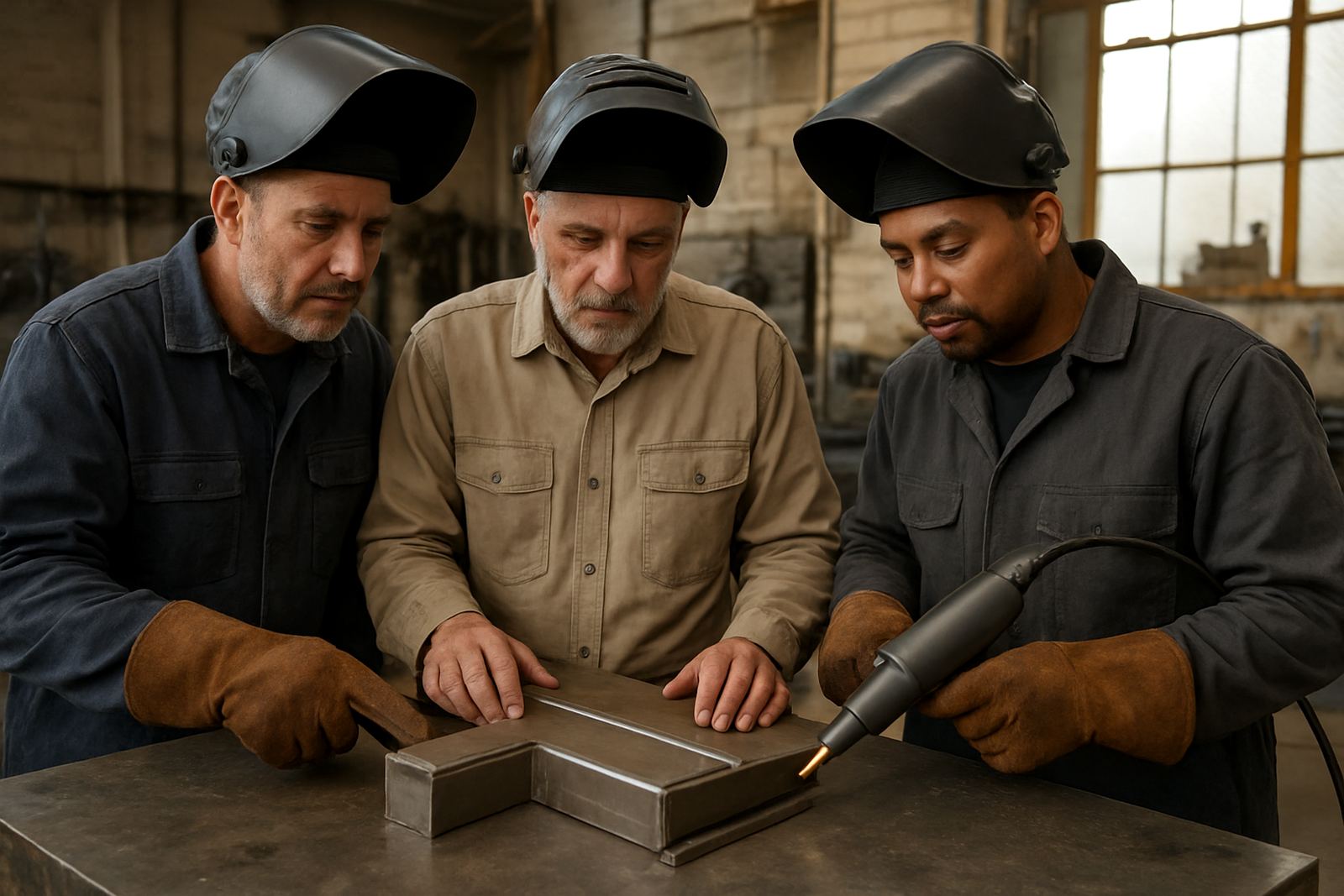
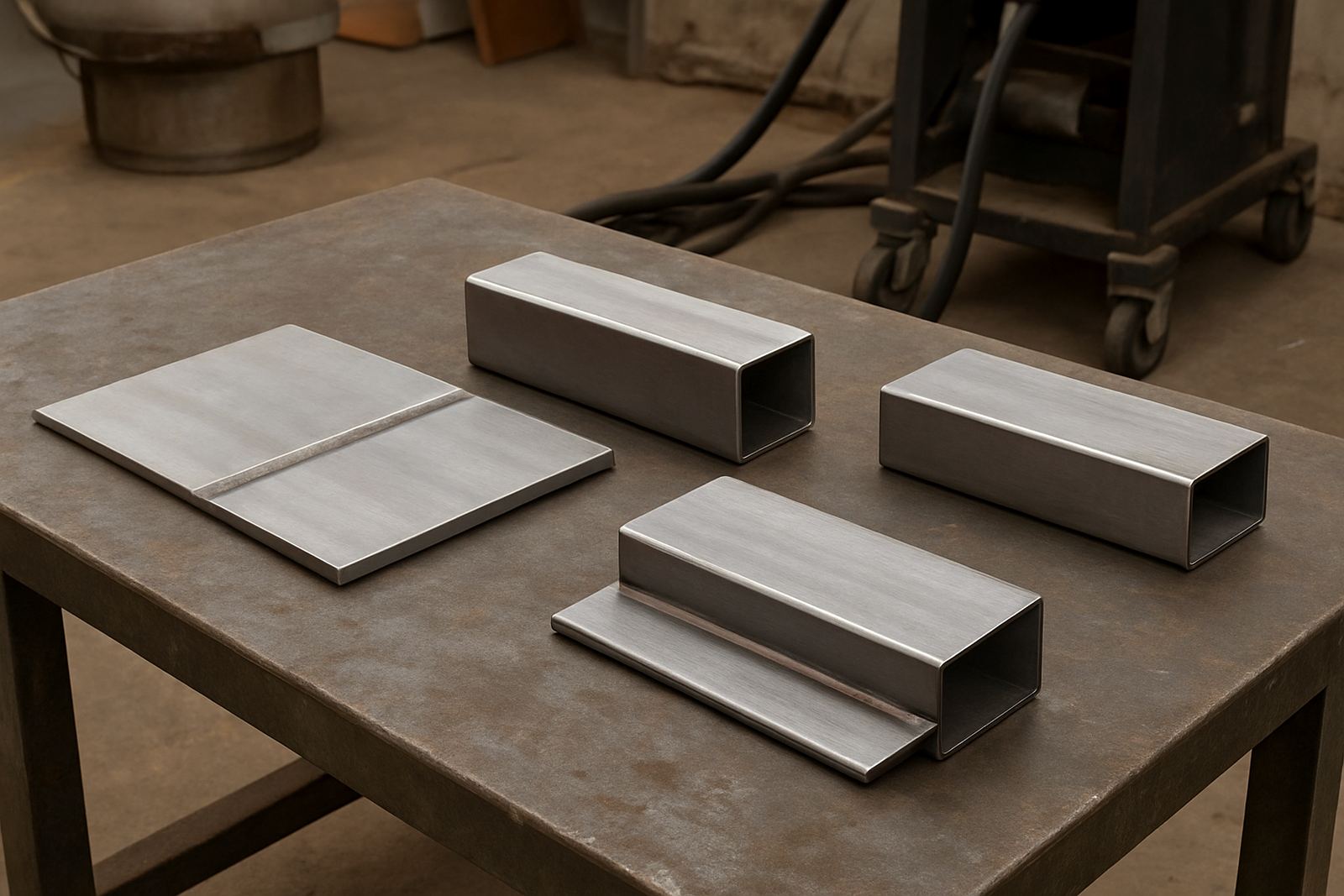
For shops working on repeat production, one strong habit is to set a standard sample for seam finish and keep it at the machine bay. It makes training easier and keeps the team aligned on what acceptable looks like.
Workshop habits that improve hygiene performance
Good welds start before the torch is switched on. Proper edge preparation, clean stainless surfaces and consistent clamping all affect the final seam. Any oil, dust or handling marks can show up in the weld line and create extra finishing work.
For food equipment jobs, the workshop should treat seam prep as part of quality control. A few simple habits help:
- Degrease parts before fit-up
- Remove burrs and sharp edges
- Keep filler and tools dedicated to stainless work
- Check joint gap before welding starts
- Inspect the seam under good light before handover
Training matters as well. An operator who understands penetration, travel speed and heat input is far less likely to create a seam that needs grinding back. That saves time and keeps the stainless thickness where it should be. In a busy fabrication shop, even small gains in consistency can free up hours each week.
A local example from a Kempton Park fabrication shop
At a stainless fabricator in Kempton Park, a run of food prep units kept coming back for touch-up work after installation. The issue was not the design, but the seam finish around corners and short runs where cleaning cloths kept catching. The shop changed the process, added seam checks after welding and introduced handheld fibre laser welding for selected joints.
After that, the team spent less time on post weld finishing and more time on fit and assembly. The units left the workshop with cleaner edges and more consistent welds, and the client reported easier washdown during production. It was a practical change, not a dramatic one, but it made the line easier to run and inspect. The supervisor said it was one less thing to chase before dispatch.
That kind of result is common when the welding method matches the job. Food equipment often has many short seams and awkward corners, so a process that gives control on detail work can improve the final outcome without slowing the whole line.
Commissioning, training and support for food equipment teams
Buying the machine is only part of the picture. The real value comes when operators know how to use it on actual production work, with the right settings for the material thickness, joint type and finish target. That is why commissioning and training matter on site, especially when a workshop is changing from older methods.
Laser-Welder works with fabrication shops across South Africa, from Spartan and Isando to Jet Park, Edenvale, Boksburg, Germiston and Alberton. Demos and training can be arranged at the customer’s premises, which helps the team learn on the same benches and fixtures they use every day. That practical approach is useful when load-shedding, shift pressure and delivery deadlines all compete for time.
Support services commonly include:
- Machine commissioning
- Operator training and refresher training
- Process optimisation for stainless jobs
- Preventive maintenance
- Breakdown response and remote help
- Spares and consumables support
For food plant work, that backing helps keep the seam quality steady after the first week of use, not just on handover day.
What to ask before you approve a seam for food-grade use
Before releasing a machine or product, ask whether the seam can be cleaned quickly and inspected properly. If the answer is no, the job is not ready. A good finishing standard should fit the cleaning routine on site, whether the customer uses hose-down cleaning, chemical washdown or manual wipe cleaning.
Useful checks include:
- Are there any visible gaps or pinholes?
- Is the bead profile smooth enough for easy cleaning?
- Has heat tint been managed properly?
- Are corners and overlaps fully sealed?
- Can the operator reach the seam without awkward brushing?
These questions are simple, but they keep the conversation practical. For food equipment, that is usually the safest way to decide whether the seam is fit for service. If the joint looks tidy but still traps residue, it is not good enough.
In stainless fabrication, the best seam is the one nobody has to think about during cleaning. It just does its job and stays out of the way.