Why the first 15 minutes matter in a stainless workshop
A handheld fibre laser welder is built for speed, but speed only helps when the operator starts the day the same way every time. On stainless steel jobs, small changes in nozzle condition, shielding gas flow or part preparation can show up fast as colouring, poor penetration or extra clean-up later.
For workshops in Spartan, Kempton Park and the wider Ekurhuleni area, the morning routine also has to take load-shedding and dusty conditions into account. Power may come back with a surge, the air compressor may have been off overnight, and fine grinding dust can settle on tables, lenses and cable runs. A simple routine keeps the machine ready and the team alert.
It also builds discipline. If one operator leaves a nozzle loose or forgets to check the chiller or gas supply, the next shift inherits the problem. That is where a written daily startup routine helps, because everyone follows the same order and nothing is left to memory alone.
Start with the room, not the torch
Before anyone powers up the unit, walk the bay. Look for trip hazards, water on the floor, loose offcuts and any combustible material near the welding area. In a small fabrication shop this may seem basic, but a busy morning can make people skip it and that is when mistakes happen.
- Confirm the work area is dry and clear of oil, rags and packing material.
- Check that extraction or ventilation is on and positioned correctly.
- Make sure screens, barriers and warning signs are in place where other staff pass by.
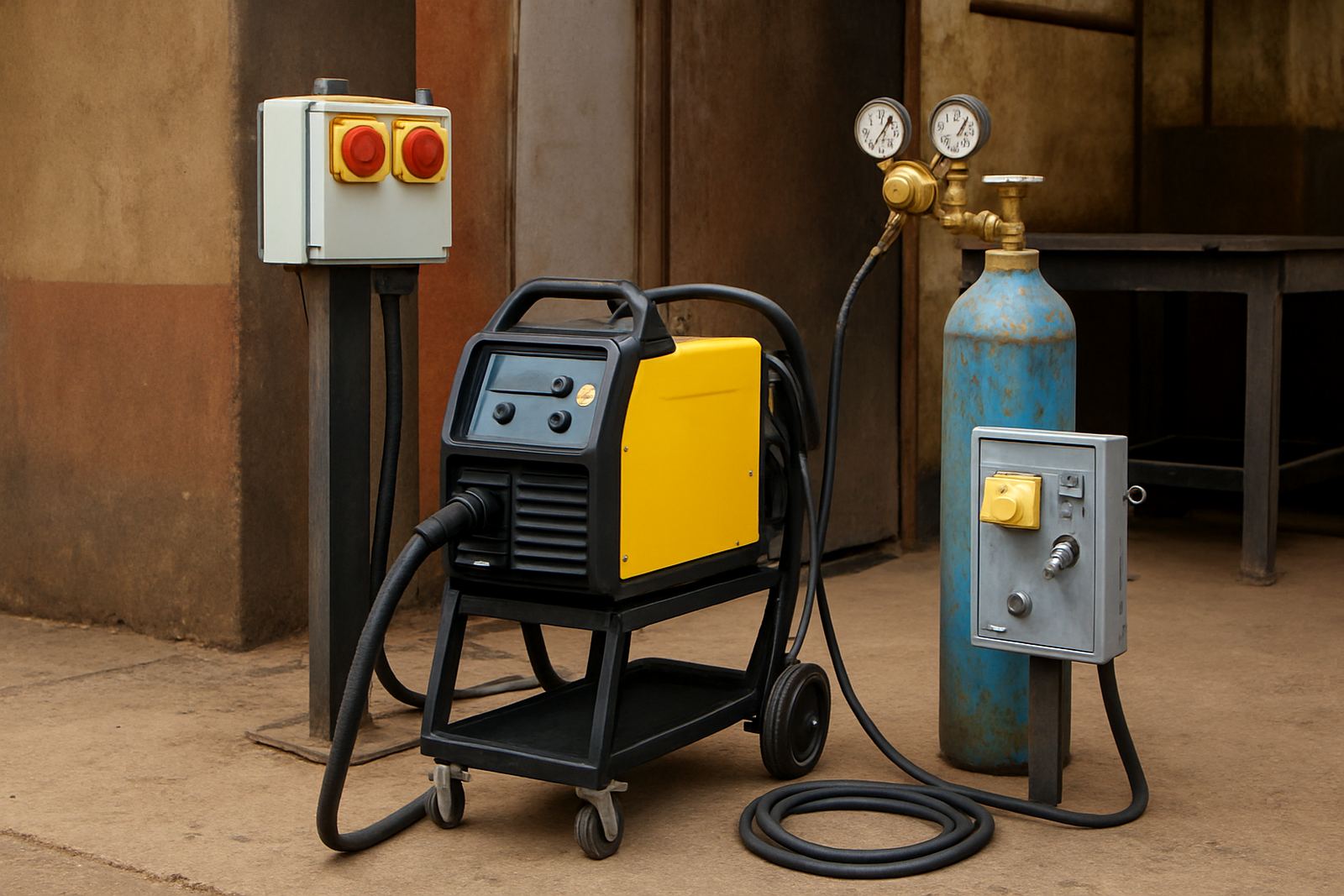
- Verify the compressed air or gas supply is connected and the cylinder is secured upright.
If you work near the coast or in humid conditions, pay extra attention to condensation on fittings and stored consumables. Stainless steel shows contamination quickly, so the surrounding area must be clean before the first test weld is even attempted.
Power-up checks that prevent avoidable downtime
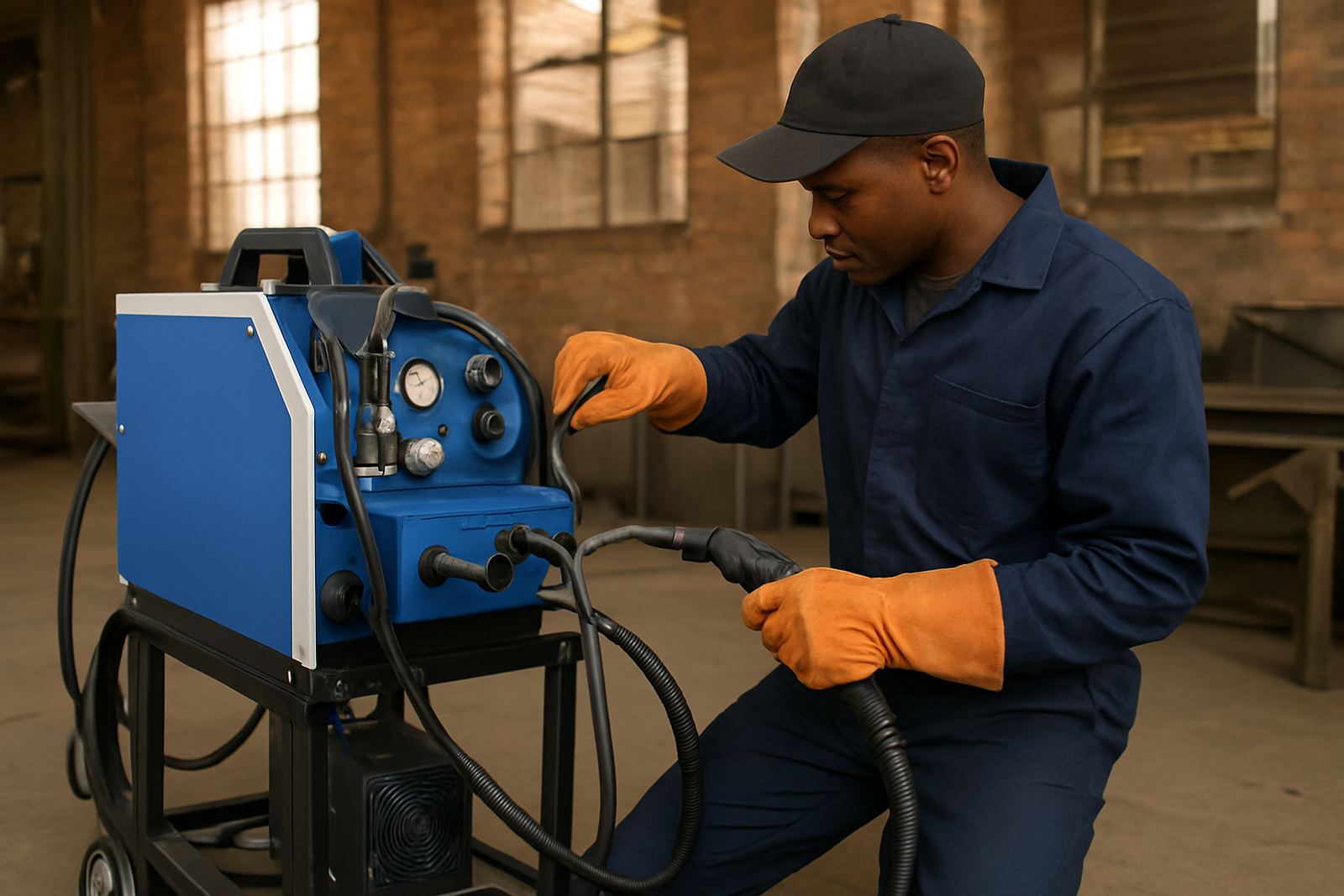
Once the workspace is ready, move to the machine itself. Inspect the main power cable, control leads, torch cable and footpath area around the unit. If the machine was moved the previous day, check that the connections are seated properly and that nothing is pinched. A quick look now can save a breakdown response call later.
Then switch on the system and let it complete its normal boot sequence. Watch the display for faults, warnings or unstable readings. If the machine uses a cooling system, confirm the coolant level, flow and temperature before any production work starts. A brief warm-up period is useful especially on cold winter mornings in Germiston or Alberton, where condensation and temperature changes can affect stable operation.
Operators should never rush this stage. If the machine shows an alarm, sort it out before production starts. It is better to lose five minutes than to waste a whole batch of stainless parts because the settings were forced through a fault condition.
Consumables and optics: the small items that decide weld quality
The daily routine should include a fast check of the nozzle, protective glass and any consumables used on the torch head. A worn nozzle or dirty protective window can scatter the beam and reduce weld quality. That often leads to wider seams, extra colour on the stainless surface, or slower travel speeds to compensate.
- Inspect the nozzle for spatter, dents or heat damage.
- Check protective glass for dust, haze or any visible mark.
- Confirm the wire feed path is clean if filler wire is part of the job.
- Make sure the lens area and torch face are free of oil and fingerprints.
- Keep spare consumables in a dry, labelled container near the workstation.
In shops where multiple operators share one system, this step is essential. One person may finish late on a Monday and the next person only notices the issue after the morning job has already started. A simple handover note and a clean-up rule at the end of every shift can prevent that.
Do a short test weld before production starts
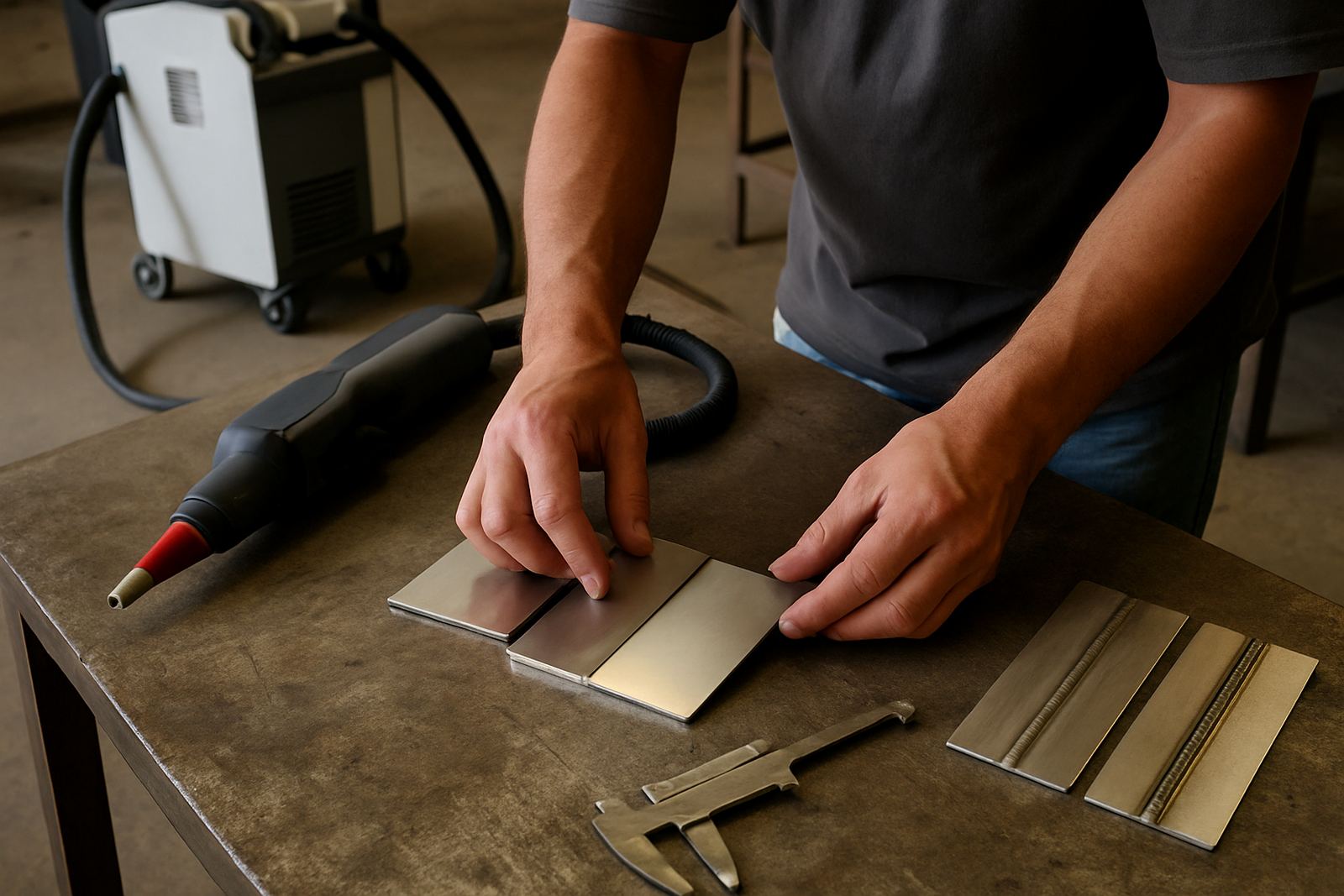
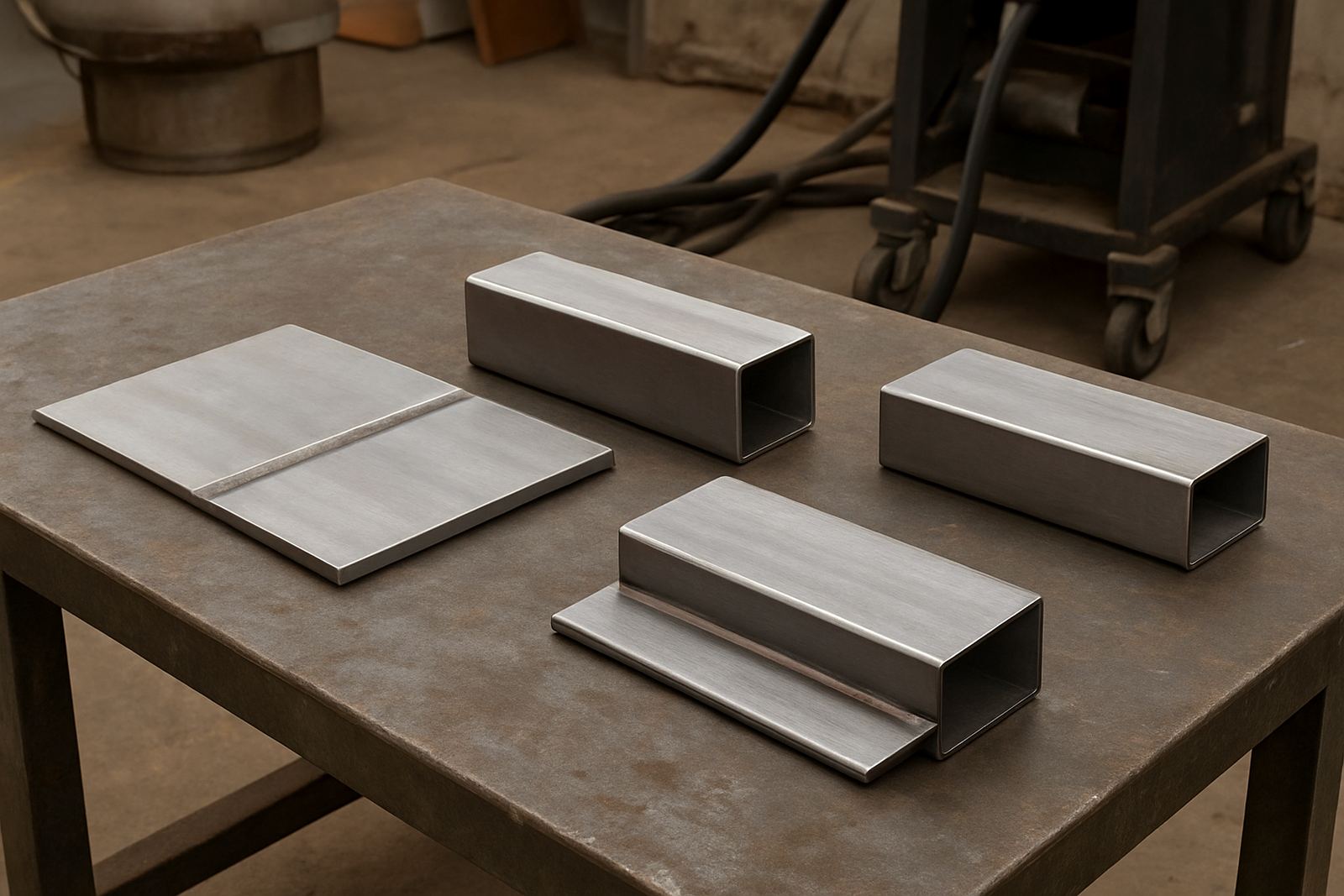
Never assume yesterday’s settings will suit today’s material. Stainless sheet thickness, joint fit-up and edge prep can vary from one batch to the next. A short test weld on offcut material tells you a lot before you commit to a full run.
Use the test piece to confirm travel speed, bead appearance, penetration and heat input. Watch for undercut, porosity, excessive discolouration and lack of fusion. If the finish is too hot or too cold, adjust in small steps. Changes should be made by one person, then checked again so the team knows exactly what produced the result.
Where the workshop handles repeat production, keep a simple record of successful settings by material grade and thickness. A fabricator in Boksburg working on 1.5 mm stainless enclosures does not want to start from scratch each morning. A proper record saves time and helps new operators learn faster too.
People, PPE and training should be part of the routine
Equipment checks matter, but the operator is still the most important part of the process. The daily startup routine should include PPE, posture and a quick reminder of the job order. Clean gloves, eye protection, suitable clothing and closed footwear are non-negotiable in a welding bay. Loose cuffs or oily rags in a pocket create unnecessary risk.
Supervisors should also use the start of the day to confirm who is running which job. In a busy workshop, one person may be on fabrication, another on finishing and another on quality checks. Clear roles reduce confusion and keep the laser welder moving without interruptions.
- Confirm every operator is trained on the specific machine and process.
- Review the day’s material thicknesses and job sequence.
- Check that a first-aid kit, fire extinguisher and emergency stop points are known to all staff.
- Make sure new staff are supervised until they can repeat the startup routine without help.
At Laser-Welder, training at fabrication shops nationwide is built around exactly this kind of repeatable daily practice, because a machine performs best when the people around it work with the same discipline every shift.
A practical Spartan morning example
Picture a stainless steel fabricator in Spartan starting at 7:00 on a Tuesday. The power has been off overnight, the compressor only came back just before sunrise, and there are six parts due for delivery by lunchtime. The operator walks the bay first, clears offcuts from the bench, checks the gas cylinder, powers up the unit and waits for the system to stabilise.
Next comes a test weld on an offcut from the same material batch. The first pass shows a little too much heat, so the settings are trimmed slightly and the second test gives a cleaner finish. By 7:20 the shop is ready, the team knows what to expect and the day starts properly. That kind of routine might feel plain but it keeps output steady, reduces scrap and cuts down on avoidable call-outs.
When the routine becomes habit, operators spend less time guessing and more time welding. That is the point of a daily startup: the machine, the material and the team all begin on the same page.