Why jobbing shops should consider the change
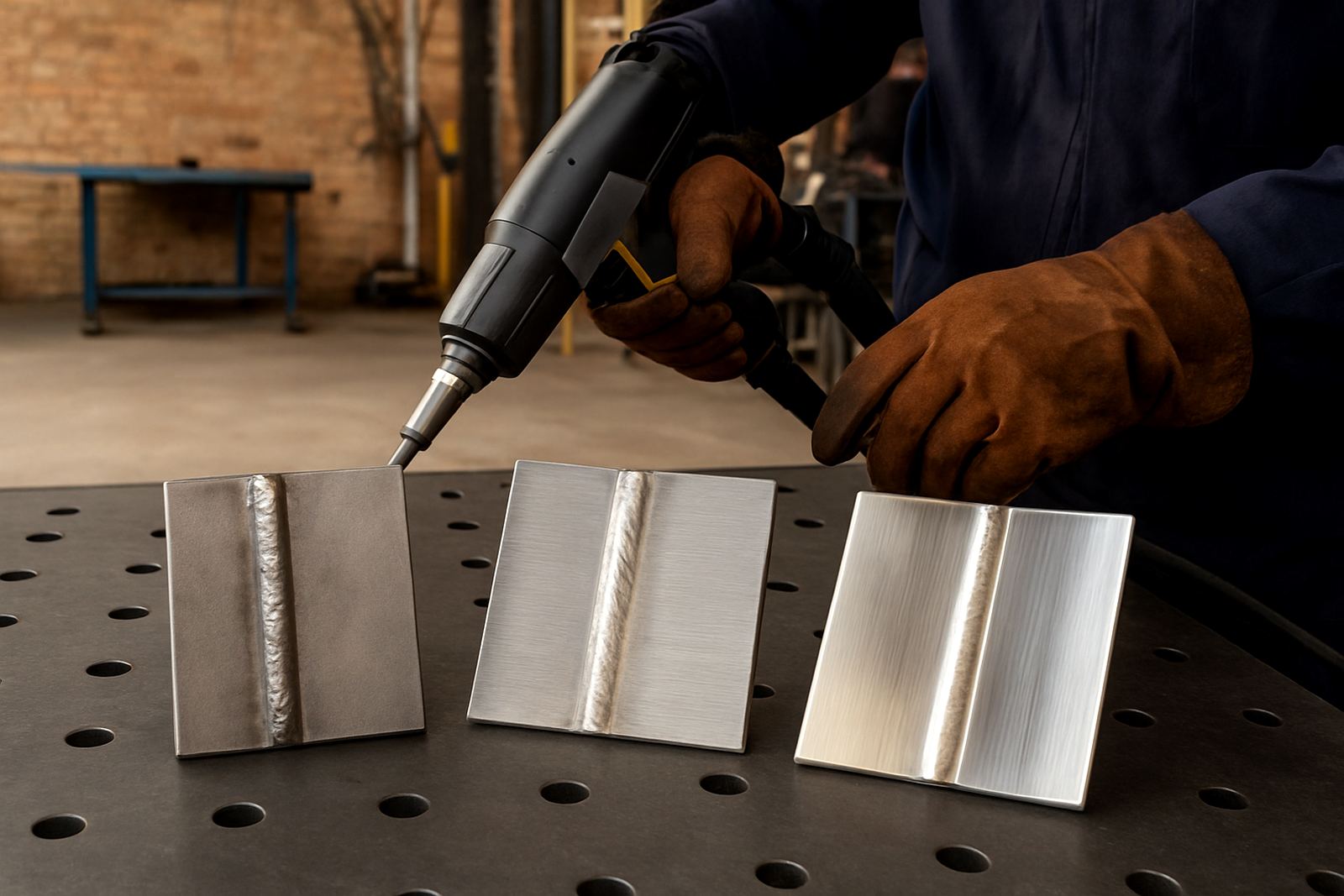
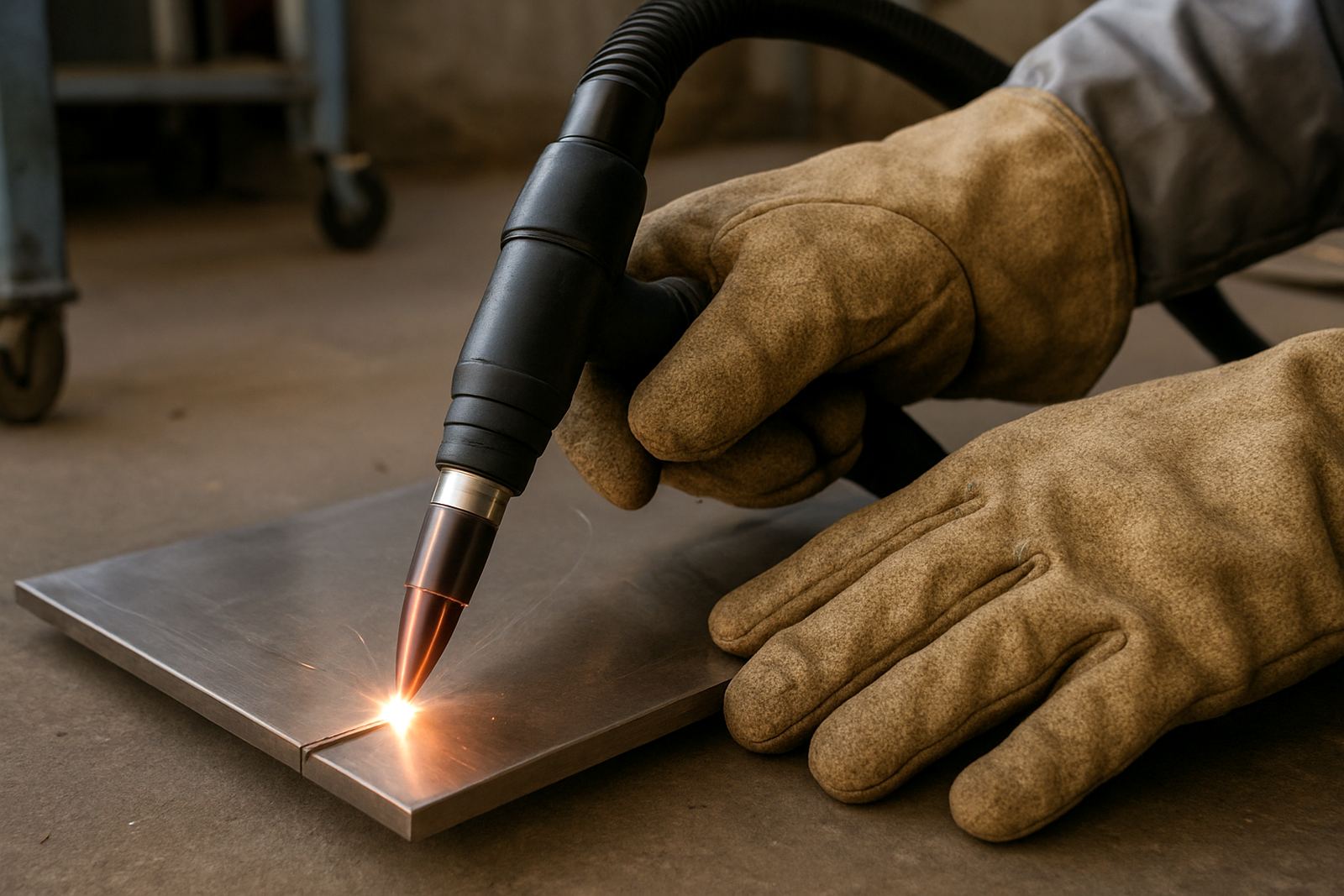
In a jobbing shop, the challenge is not whether a machine can weld. It is whether it can keep up with a mix of one-off work, repeat orders, repairs, and urgent call-ins without slowing the rest of the floor. Handheld fibre laser welding suits that kind of work because it gives clean, controlled welds on stainless steel with less grinding after the fact. For many shops in Spartan, Isando, Jet Park and the wider Ekurhuleni area, that matters just as much as speed.
The big advantage is flexibility. You are not setting up a full production line for every job, and you are not asking one process to replace every other process in the shop. You use the laser welder where it makes sense, such as thin stainless assemblies, visible finishes, short runs, brackets, tanks, frames and repairs where distortion must stay low. That makes adoption practical instead of disruptive.
For a mixed shop, the aim is not to chase novelty. It is to reduce rework, shorten turnaround times, and give the team another tool that can handle stainless consistently. On busy weeks, that can be the difference between sending a job out on time or spending an extra afternoon cleaning welds and straightening warped sections.
Start with the right mix of jobs
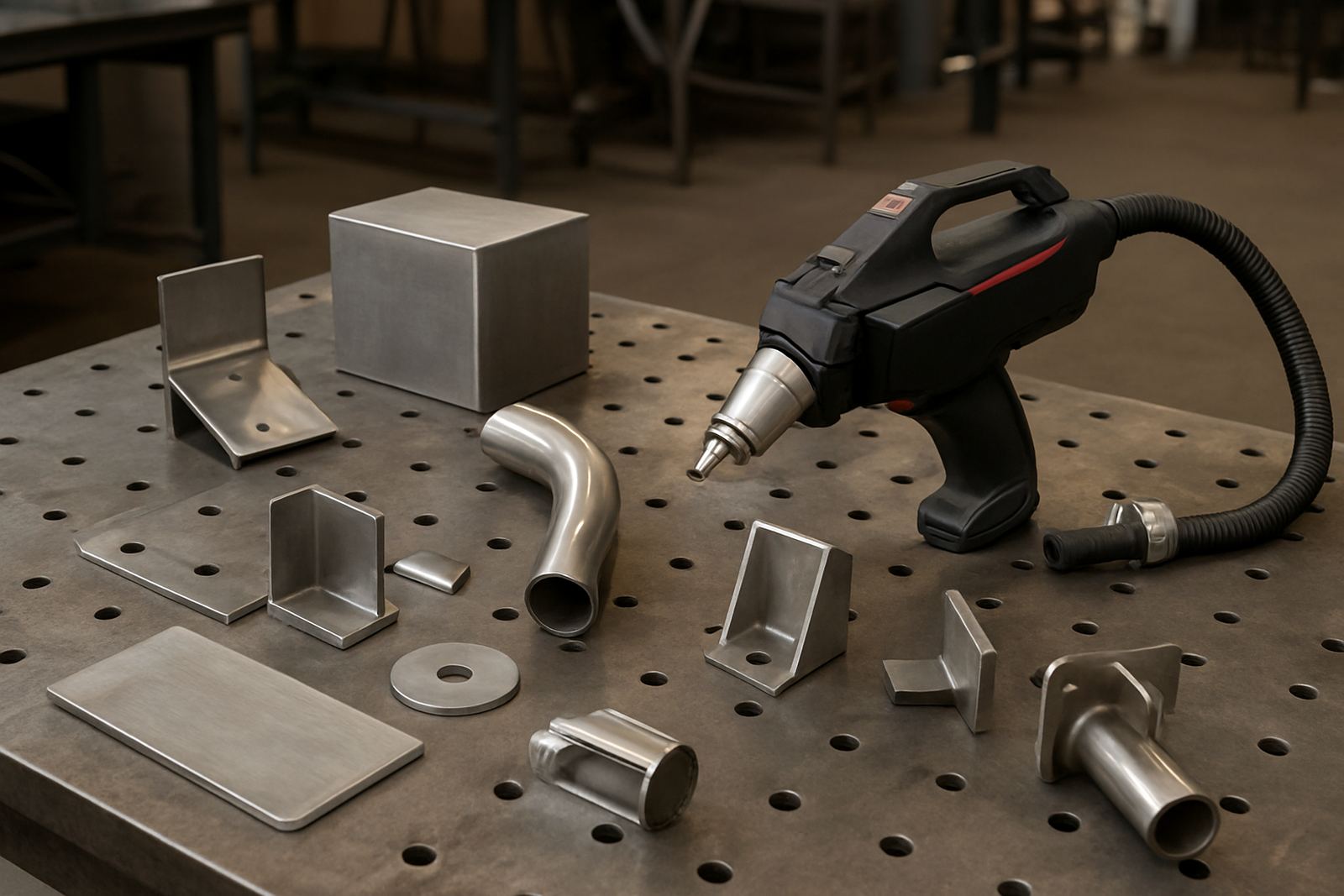
Not every job belongs on a handheld laser welder, and a sensible shop manager knows that from the start. The easiest way to adopt it is to begin with jobs that are easy to repeat and simple to measure. That means stainless steel parts with tight visual standards, thinner material, or work that normally needs a lot of finishing after MIG or TIG. If a job already spends hours in grinding and rework, it is worth looking at first.
- Thin stainless cabinets, enclosures and covers
- Food grade fittings and frames where clean seams matter
- Small tanks, trays, and drip pans
- Decorative stainless parts with visible welds
- Repair work on cracked sections and worn assemblies
It also helps to separate jobs by complexity. A jobbing shop in Germiston may have a Monday repair order, a Tuesday batch of rail parts, then a Wednesday rush job for a local processor. The laser welder can fit into that pattern if the team knows which jobs to route to it. That kind of discipline avoids confusion and keeps the machine from sitting idle between urgent work.
The best early wins usually come from parts that look hard to finish by hand. If the laser gives a neat weld with less heat input and less cleanup, the result is easy to see. That makes buy-in easier for the rest of the team too.
Keep the change practical on the shop floor
A handheld laser unit should be introduced like any other production tool, not like a special project that takes over the shop. Put it in a defined area, keep access clear, and make sure the team knows what belongs there. In a small workshop, that might be a corner near the stainless benches. In a larger fabricator, it may sit in a dedicated bay close to fit-up and finishing. The point is to keep handling simple and tidy.
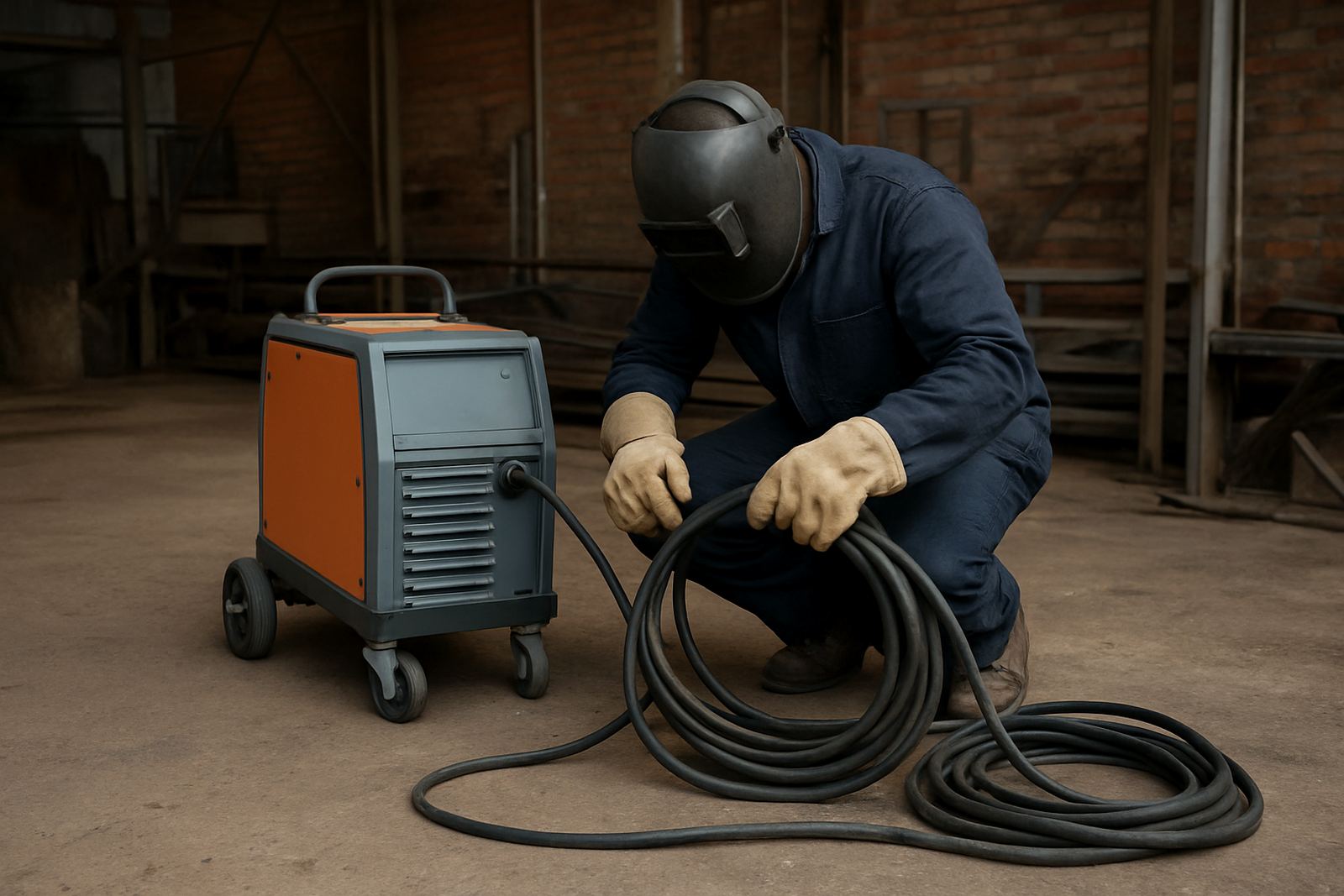
Power quality matters. South African shops know the effect of load-shedding and unstable supply. Plan for it. Ask what support is needed for safe shutdowns, warm-up, and restart after interruptions. If a shop is in a coastal area, humidity also needs attention because it can affect storage, optics care, and general housekeeping. Dry, clean conditions help the machine stay reliable.
- Assign one operator for the first stage of use
- Keep shielding gas, nozzles and lenses checked daily
- Store consumables in a clean dry cabinet
- Schedule setup times around high-output work
- Record settings for common thicknesses and joint types
Do not scatter responsibility across too many people in the beginning. A single lead operator and one back-up usually work better than a long list of users who all do things differently. That keeps the process stable and makes troubleshooting far easier.
Training is what makes adoption stick
Most shops do not struggle with the machine itself, they struggle with habits. If the team is used to MIG or TIG, the first few days with handheld laser welding need clear instruction on joint prep, torch angle, travel speed, fit-up tolerance and basic safety. Once those habits are in place, the work becomes repeatable. Without that, people can blame the machine for poor preparation or inconsistent technique.
Training should be tied to actual jobs in the workshop. A team in Alberton does not need a generic talk about theory. They need to know how to weld the jobs sitting on the table that afternoon. That is why hands-on demonstrations and on-site training work better than long classroom sessions. Workers learn faster when they see the weld, inspect the result and then repeat it on similar parts.
Refresher sessions also matter. In a mixed shop, staff rotate, orders change, and new welders come in. A short refresher every few months keeps standards steady and stops bad habits from creeping back in. It also gives the supervisor a chance to review what is working and what needs adjustment.
Measure the savings in time, finish and rework
A jobbing shop should judge adoption by what changes on the floor, not by marketing claims. The most useful numbers are easy to track. How long does a part take from fit-up to completion? How much grinding is needed after welding? How often does a job come back for correction? Those figures tell the real story.
When a stainless job comes off the bench with less distortion and a cleaner seam, you save time in several places, not just at the weld. There is less straightening, less polishing, fewer returns from the client and less pressure on the next person in the chain. That matters whether the workshop is in Boksburg, Edenvale or further out in the East Rand where every hour counts.
- Track weld time per part for the first 10 jobs
- Compare finishing time before and after adoption
- Log the number of rejected parts or rework items
- Note material thickness and joint type for future repeat orders
It is worth keeping a simple job card note for the first few months. That way, when a similar order comes back, the team already knows what settings and method worked best. This is especially useful for workshops that handle a wide mix of custom work and do not have time for repeated trial and error.
A local example from Spartan to the production floor
A stainless fabricator in the Spartan area took on handheld laser welding after struggling with short-run work that needed a clean finish for food-related equipment. The shop was not looking to replace all its welding methods. It simply wanted one process for the parts that kept causing finishing delays. The first step was a small pilot, using a few repeat items and one trained operator. The rest of the team kept working as normal.
Within a short period, the shop had a better handle on which jobs suited the laser and which still needed conventional welding. That reduced confusion and helped the supervisor plan work more accurately. The machine did not change everything overnight, but it did remove a lot of the frustrating small delays that had been building up in the workflow. The owner later described the shift as practical, not dramatic, which is exactly how a jobbing shop should approach it.
If your workshop is near Kempton Park, Isando, Jet Park or Germiston, the same approach applies. Start small, train properly, and build from the jobs that give measurable gain. That is how mixed production shops adopt new equipment without upsetting the rest of the floor.