
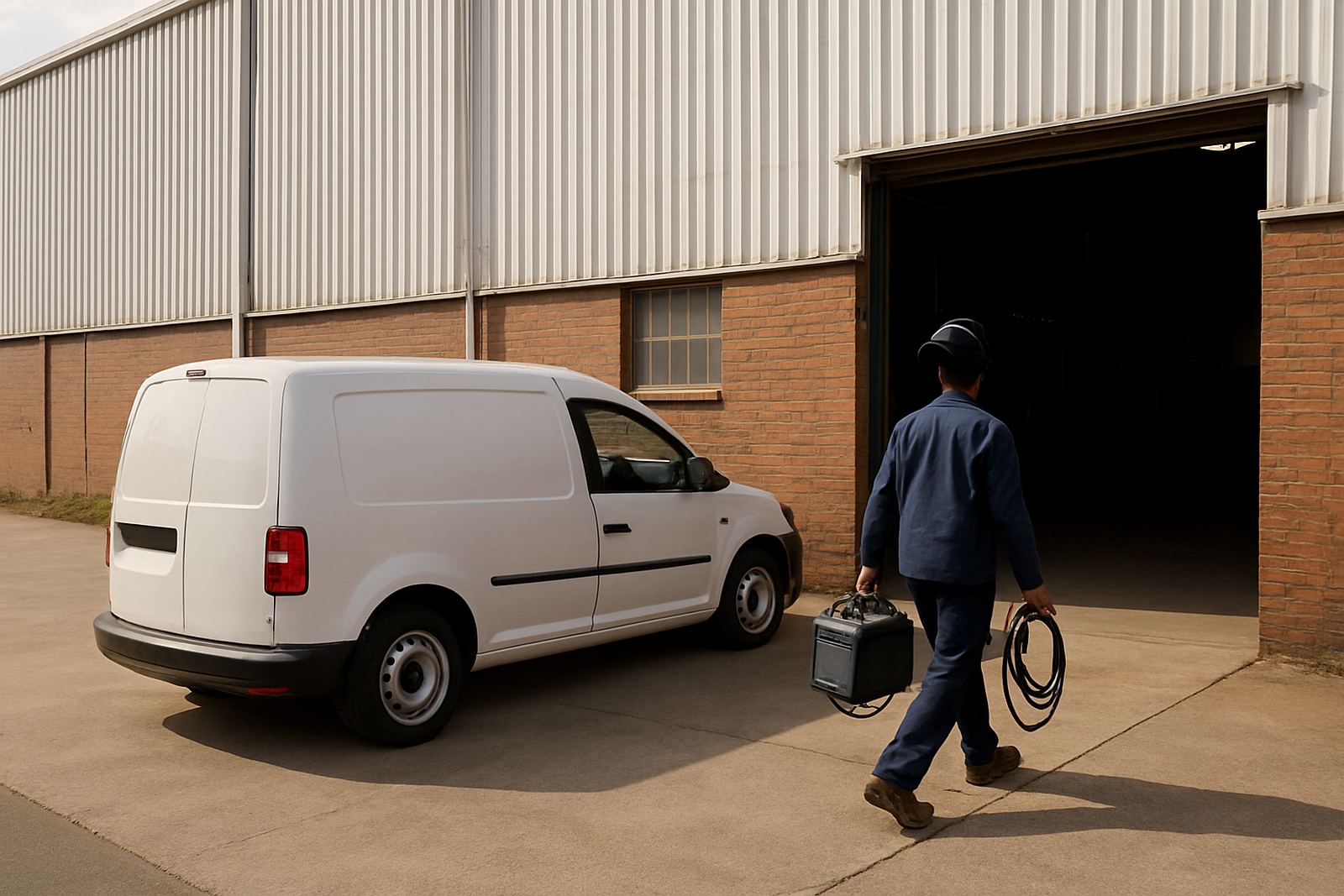
When a laser welding fault stops the line
Breakdowns rarely happen at a good time. A torch may stop firing, the wire feed may stutter, shielding gas may be off, or the weld head may alarm mid shift. In a busy stainless steel shop, that can mean delayed deliveries, overtime, and a pile of parts waiting at the bay. Our breakdown response service is set up for urgent calls where production has already stopped or is close to stopping.
We work on handheld fibre laser welders used for stainless steel fabrication, usually in 1 kW to 3 kW output ranges with water or air cooled systems depending on the setup. The aim is simple: identify the fault, isolate the cause and get the machine back into safe working order as quickly as possible. In many cases the issue is electrical, optical, cooling related, or down to setup and operator handling, rather than a major component failure.
What the breakdown response visit covers
Each call starts with a focused assessment so time is not wasted on guesswork. We check the machine condition, recent usage, error codes, gas delivery, cooling, optics, cabling, handpiece function and basic process settings. If the fault points to a worn part or contaminated component, we advise on replacement straight away.
- Fault diagnosis on handheld fibre laser welding systems
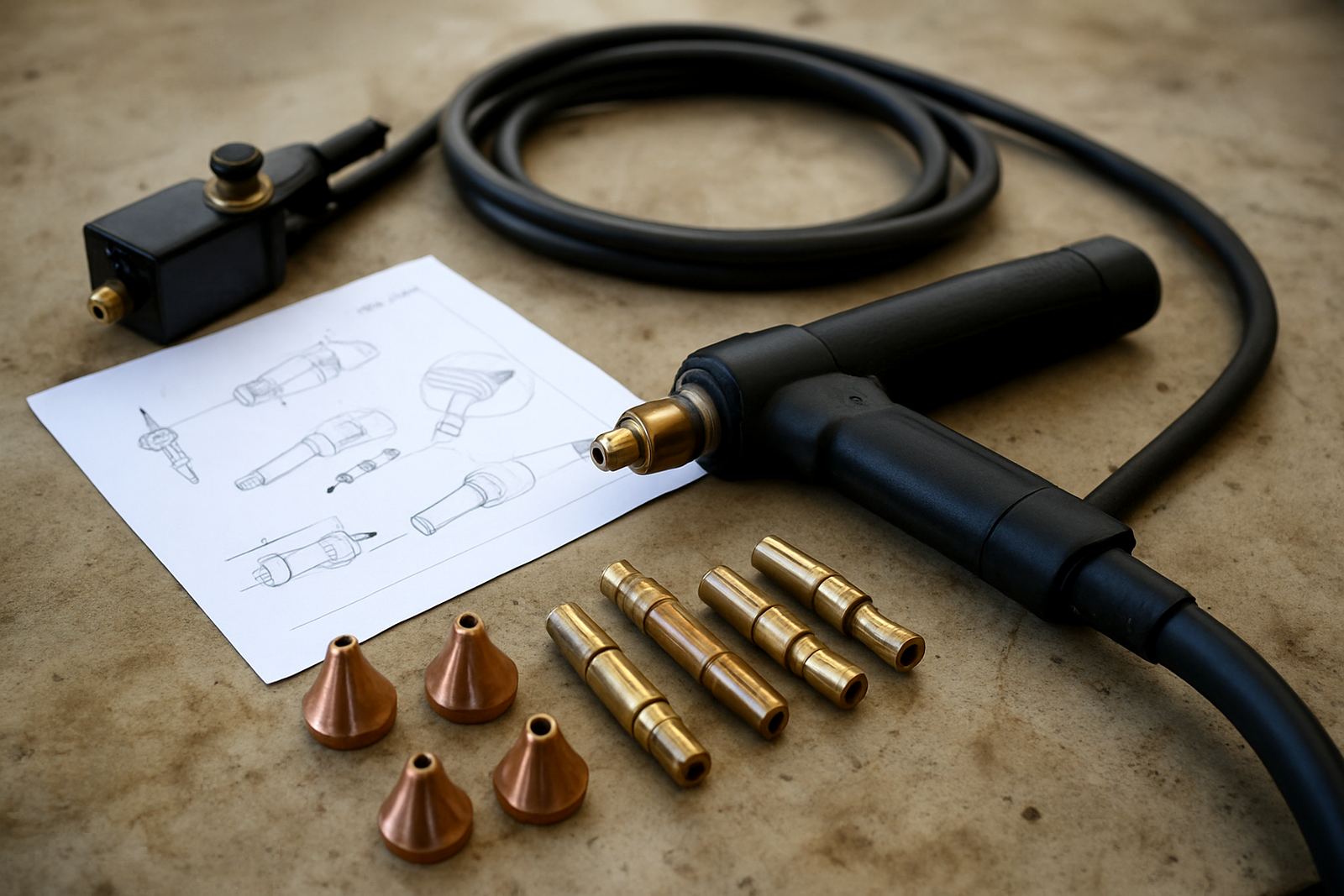
- Handpiece, cable and trigger checks
- Cooling unit and circulation inspection
- Gas flow and shielding checks
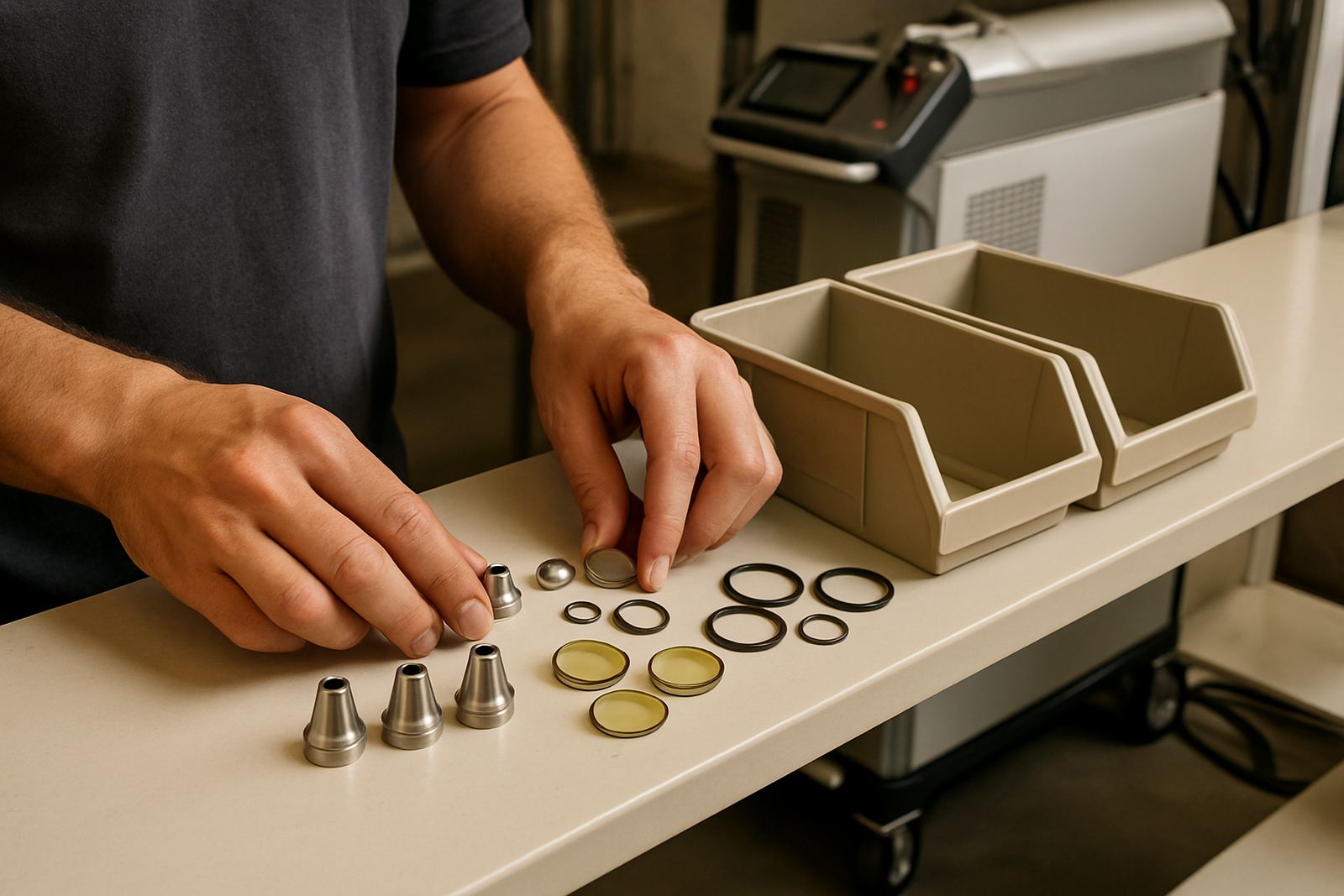
- Optical path and lens condition assessment
- Electrical and control fault tracing
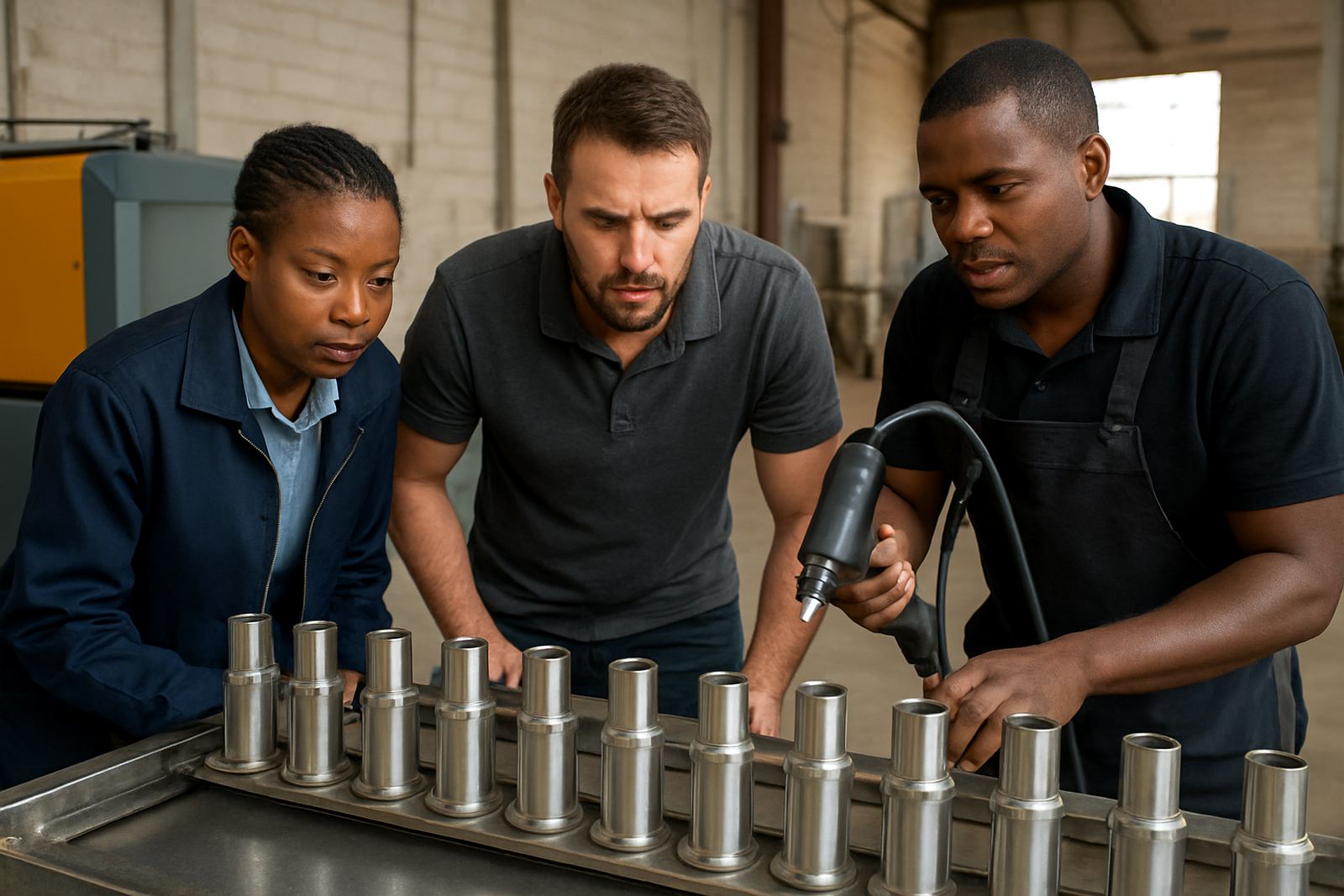
- Safe restart testing on stainless steel samples
Where needed, we also check the work area. Poor earthing, unstable power, dusty extraction and badly stored consumables can all cause repeat stoppages. A quick fix that ignores the cause usually means the same job comes back two days later.
How the response process works from first call to restart
Clients contact us through the enquiry form on our contact page with the fault description, machine details, and what happened just before the stop. If possible, include the model, output power, cooling type and any alarm text. That gives the team a head start before a site visit is arranged.
From there, the process is usually straightforward:
- Triage of the fault and likely cause
- Site attendance or remote first-line guidance, depending on urgency
- Inspection and live testing
- Parts recommendation or immediate correction if possible
- Restart support and operator handover
For many Ekurhuleni shops, especially around Spartan, Kempton Park, Isando and Jet Park, we can move very quickly. For out of town fabricators, the same process applies but travel and access times will affect the schedule. The priority is always to reduce downtime, not to stretch a simple job into a long callout.
Turnaround times and what affects them
Some faults are resolved on the same day if the issue is minor, such as a loose connector, blocked flow, dirty lens, or an incorrect parameter set. Other breakdowns need a part replacement or a deeper electrical test, which takes longer. If a spare component is on hand, turnaround improves immediately. If not, the diagnostic report is used to source the correct item without delay.
Typical turnaround depends on three things: how far the site is from Spartan, whether the machine is still safe to power up, and whether the fault is component based or process based. For a shop in Kempton Park with a clear fault and easy access, the response can be very quick. For remote areas, or where the machine is badly contaminated or physically damaged, more time is needed to complete the work properly.
We do not guess at repairs. If a machine needs bench testing, optical cleaning or a controlled recommission, we say so upfront. That avoids repeated stoppages and protects the weld quality when the line starts again.
Pricing based on fault type, not surprises
Breakdown work is priced according to the actual job, the travel required, and any parts or consumables that need replacing. That may include diagnostic time, callout time, labour, and the cost of spares. For straightforward faults, pricing stays lean. For more involved failures, you get a clear scope before extra work goes ahead.
We keep the approach practical because most fabricators need to know whether it is cheaper to repair, replace a component, or schedule a longer maintenance stop. If the fault points to repeated operator damage or a process issue, we will say so plainly and recommend the next step. No one benefits from paying twice for the same stoppage.
Maintenance intervals that reduce future stoppages
Breakdown response solves the immediate problem, but it also helps to prevent the next one. For handheld fibre laser welders in regular production, we normally advise a planned service check every 3 to 6 months, with shorter intervals for heavy use, coastal humidity, dusty workshops, or sites affected by load shedding and voltage swings.
- Daily: check gas supply, hose condition, lens cleanliness and cooling status
- Weekly: inspect cables, connectors, handpiece movement and visible contamination
- Monthly: review cooling quality, airflow, machine alarms and weld consistency
- Quarterly to half yearly: full service check, optics inspection and process review
For shops doing repeat stainless runs, maintenance intervals should be set against production hours not just calendar time. A unit running all week in Boksburg will need attention sooner than one used occasionally for custom work. Keeping a simple service log helps spot changes before they become stoppages.
Support for commissioning, training and production recovery
When a machine fails, the job is not only to fix it but to get the workshop confident again. Our team can support commissioning after the repair, refresh operator handling, and check whether the weld settings still suit the current job. That is useful when production has changed, materials have shifted in thickness, or a new operator has taken over the machine.
Laser-Welder works from Spartan, Kempton Park and supports fabricators across Ekurhuleni and nationwide, including site demonstrations and training at fabrication shops. The breakdown response service is backed by technical sales, applications support and service coordination from a team that understands what happens when a line is waiting on one machine. The goal is to get the unit back into use and keep it there, not just patch it for the day.
Key facts
| Typical output range | 1 kW to 3 kW handheld fibre laser welders |
|---|---|
| Common fault areas | Optics, cooling, gas flow, cabling, trigger control and electrical systems |
| Response area | Spartan, Kempton Park, Ekurhuleni and nationwide |
| Support types | On-site fault finding, remote help, restart testing and operator handover |
| Recommended service interval | Every 3 to 6 months, depending on use and workshop conditions |
| Best suited to | Stainless steel fabricators, small workshops and production environments |