From Trial Pieces to Repeatable Production
Production rollout is for workshops that have already seen the value of handheld fibre laser welding and now need to turn that into reliable day to day work. We help you move from one-off test pieces to a controlled process that suits your material mix, joint type and output target. That includes stainless steel sheet, tube, handrails, tank work and light fabrication where clean welds matter and rework is expensive.
Our team works with small jobbing shops in Spartan and Kempton Park, as well as larger manufacturing plants in Jet Park, Isando, Germiston and Boksburg. The aim is simple: get the machine into production without slowing the shop down. We look at fit-up, joint gaps, cleaning, shielding gas use, operator handling and the practical rhythm of your bay, because a machine that performs well in a demo must still perform at 7am on a Monday when orders are due.
- Suitable for 304, 316 and other common stainless grades
- Works on thin to medium gauge fabrication jobs
- Useful where heat input and distortion must be kept low
- Helps reduce grinding and clean-up after welding
What We Set Up During Rollout
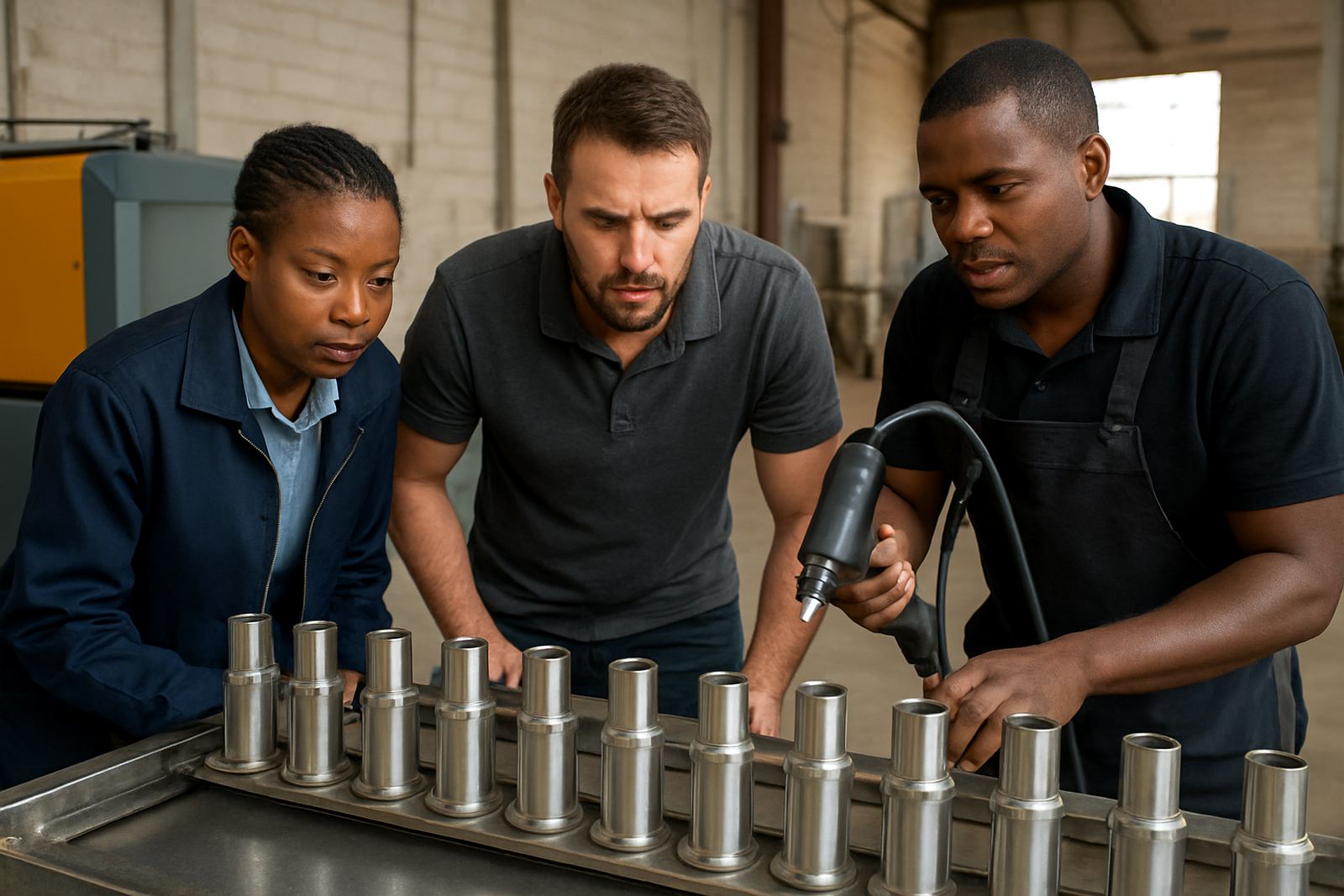
Each rollout is planned around the actual work you do, not a generic setup sheet. We commission the machine, confirm safe operating settings and establish a process that your team can repeat. If the workshop runs multiple shifts or has several operators, we set a standard for torch angle, travel speed, wire feed if used, start-up checks and cleaning between jobs. That reduces variation and makes weld quality easier to maintain.
We also check the practical side of the installation. Stable power supply matters, especially in areas affected by load-shedding and voltage fluctuation. We look at cable routing, cooling, gas supply, work area layout and whether the machine needs to move between bays. In coastal environments such as Durban or Port Elizabeth, humidity control and storage practices matter too, because moisture and poor housekeeping can affect reliablity over time.
- Machine commissioning and first production settings
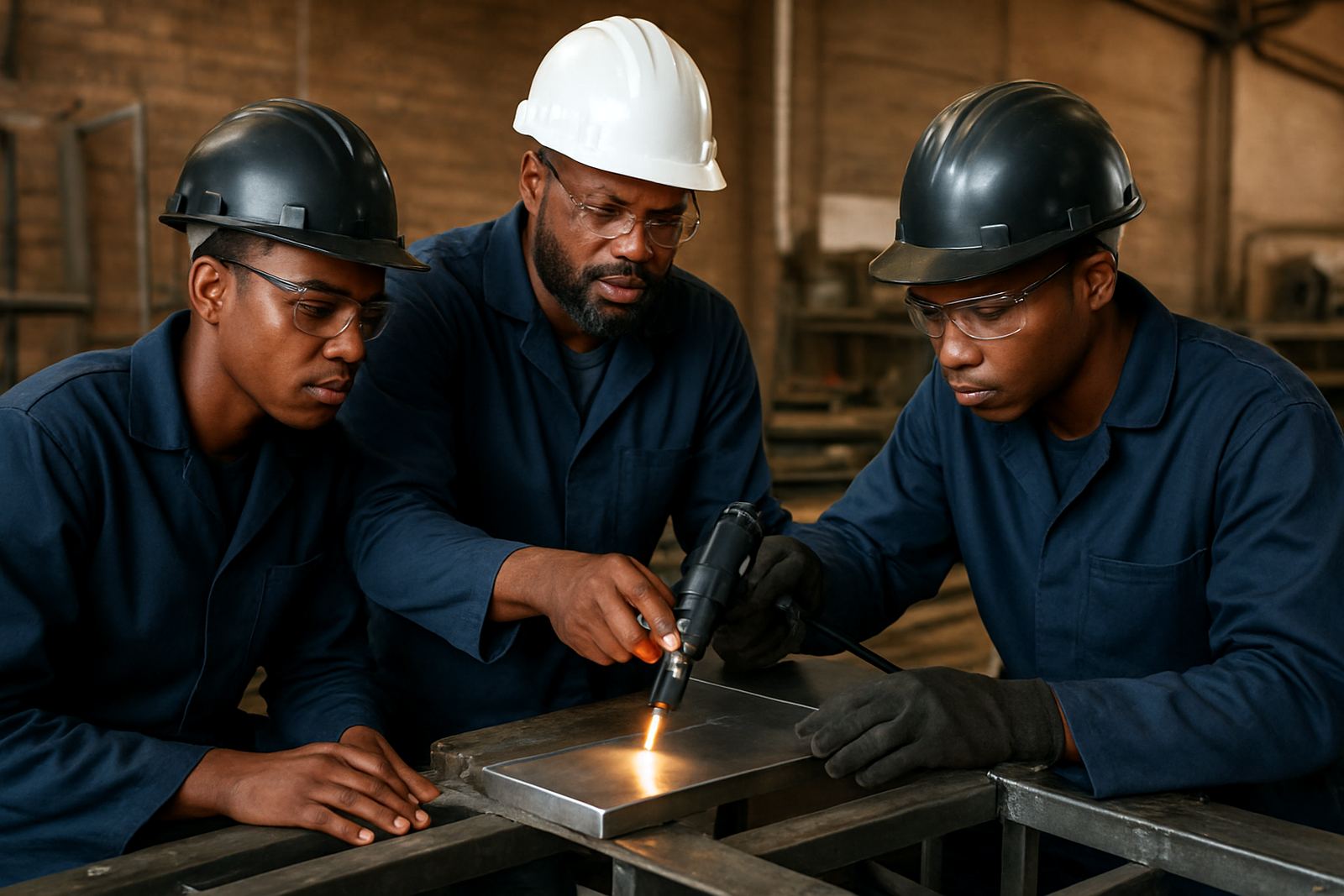
- Operator training on live jobs
- Process optimisation for speed and bead appearance
- Workstation checks for power, gas, and cooling support
Our Rollout Process Step by Step
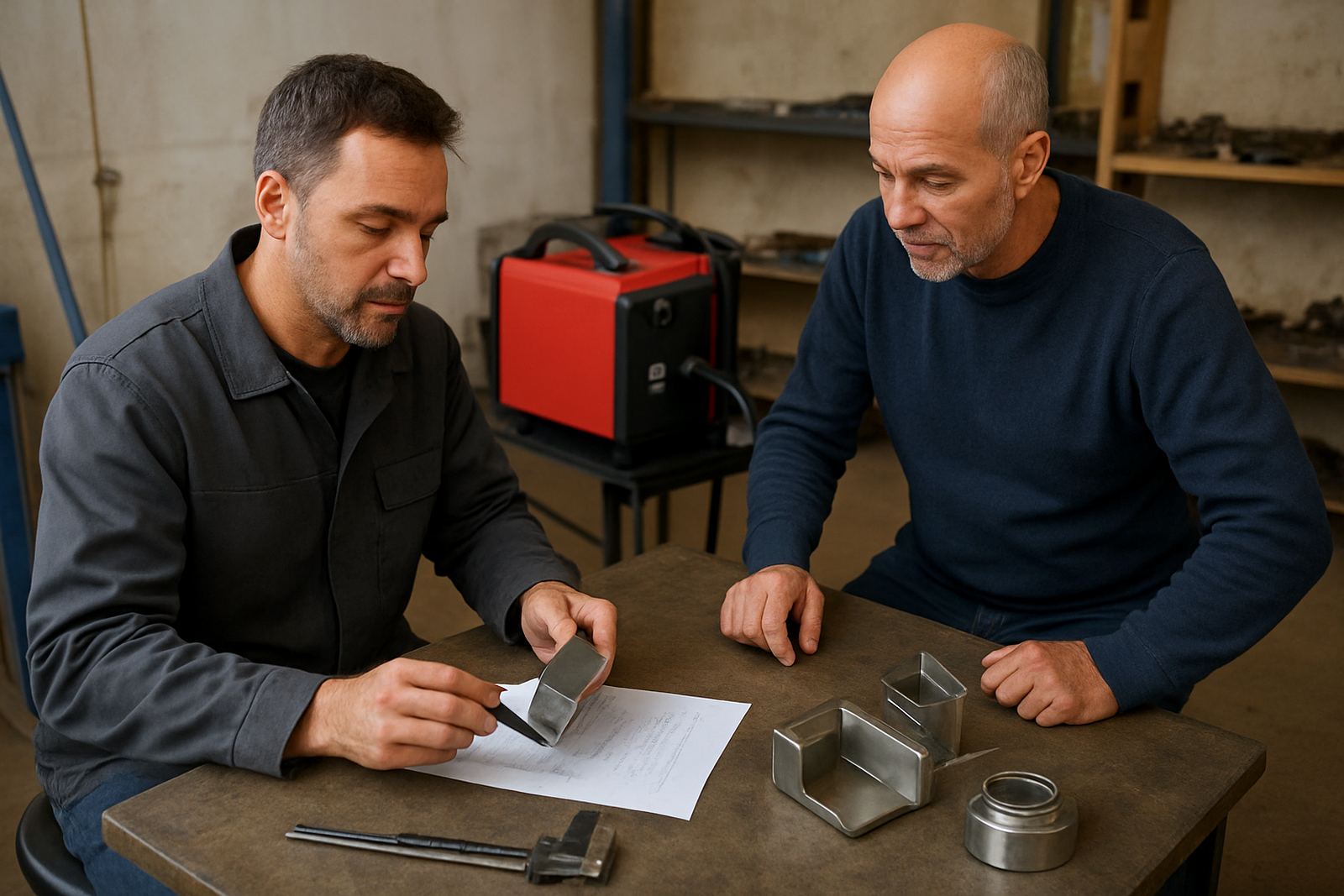
We keep the process practical and measurable. First we review the work you want to bring onto the laser welder and assess whether the current shop methods are suitable. Then we run weld tests on sample parts, refine parameters and confirm what can be moved into production straight away. After that, we train the operator or team on the agreed settings and supervise the first production runs until the work is stable.
Once the machine is making regular output, we hand over a clear working routine for daily checks and maintenance. If required, we return for a follow-up visit to tighten settings after the team has had time on the job. This works well for workshops that are expanding, adding a new product line, or replacing slower TIG work on repetitive stainless assemblies.
- Review of parts, material grades and joint types
- Test welds and parameter setting
- On-site operator coaching during live production
- Follow-up review after the first production period
Turnaround, Scheduling and Site Readiness
Most rollout visits can be planned around your production window, whether that means an early start in Spartan, a midweek visit to Alberton or a site stop in Rustenburg, Vereeniging or Pretoria. The turnaround depends on the number of operators, the amount of test work needed and how many product families you want to release into production. A straightforward single-line rollout may be completed in one day, while a wider factory changeover can take several visits.
To keep the process moving, we ask for a clean workspace, sample parts, material offcuts and a list of the jobs you want to prioritise. If you already have a production bottleneck, tell us what is holding it back, whether it is fit-up, speed, cosmetic finish or operator confidence. That lets us focus on the right details instead of spending time on the wrong one.
Where the plant has limited downtime, we can phase the rollout so one section keeps running while another is being set up. That is often the easiest way to avoid pressure on dispatch, and it gives the team time to adapt without stopping output completely.
Pricing Approach and What Affects Cost
Pricing for production rollout is based on the scope of work, not a flat call-out. We look at the number of machines, the travel required, the amount of training needed and whether you want commissioning only or a full production handover. Shops with repeated product ranges and one main operator usually need less time than a larger site with several shifts and multiple weld forms.
We quote clearly so you can plan the budget around the job and production target. If you need us to include refresher training, process optimisation or a return visit after the first run, that can be built into the rollout plan. The goal is to avoid hidden extras and to make the cost match the value of the output you will gain.
- Machine count and site location affect the visit cost
- Training depth affects labour time on site
- Complex parts and repeat testing increase the scope
- Optional follow-up visits can be included upfront
Maintenance Intervals to Keep Output Stable
Once the production line is running, maintenance should not be left until there is a fault. We recommend routine checks based on usage, workshop conditions and the kind of material being welded. For a busy stainless steel shop, a quick daily inspection and a more detailed monthly service routine usually keeps the machine in good shape. In harsher environments or high-output plants, shorter intervals may be needed.
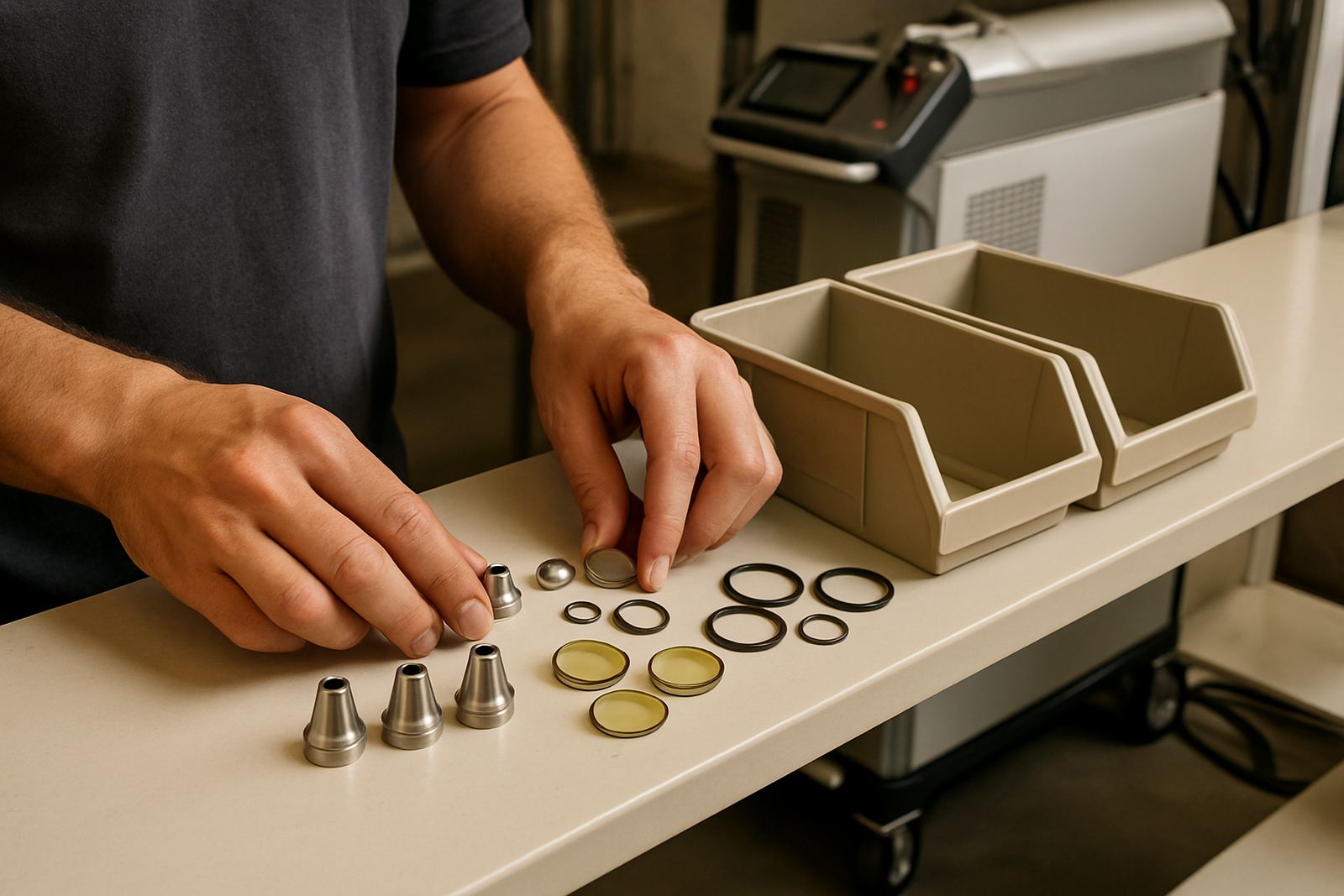
Typical checks include torch condition, lens cleanliness, cable wear, gas flow consistency, cooling system status and the state of the work area. We also advise on storage and cleaning between shifts, especially where dust, grinding debris or humidity could affect the equipment. Preventive care is cheaper than breakdown response, and it keeps production moving instead of waiting on parts.
- Daily: visual inspection and basic cleaning
- Weekly: check gas, cables and torch condition
- Monthly: deeper service check and settings review
- After heavy use: confirm output stability before the next run
Who Leads the Rollout Support
Our rollout support is handled by a team that understands both the machine and the workshop floor. Wynand Oosthuizen oversees the service direction, while Tshegofatso Ramaboa leads training, Gert Wessels handles technical sales support, Ayanda Mthembu coordinates service, Reuben Daniels works on applications and weld testing, and Sindisiwe Makhado supports clients through the enquiry process. That means you are not passed around from one person to another when the job needs action.
Whether your team is in Edenvale, Germiston, Boksburg or further afield, we keep the support practical and direct. The aim is stable output, fewer rejects and a cleaner handover from trial stage to full production. If your workshop is ready to make that move, we can help set the pace and keep it there.
Key facts
| Machine type | Handheld fibre laser welder for stainless steel fabrication |
|---|---|
| Typical material range | 304, 316 and similar stainless grades |
| Power range | Common rollout support for 1,000 W to 3,000 W class units |
| Process focus | Low heat input, clean bead formation and reduced finishing |
| Rollout output | Trial welds, parameter setting, live production handover |
| Service area | Spartan, Kempton Park and nationwide workshop visits |