
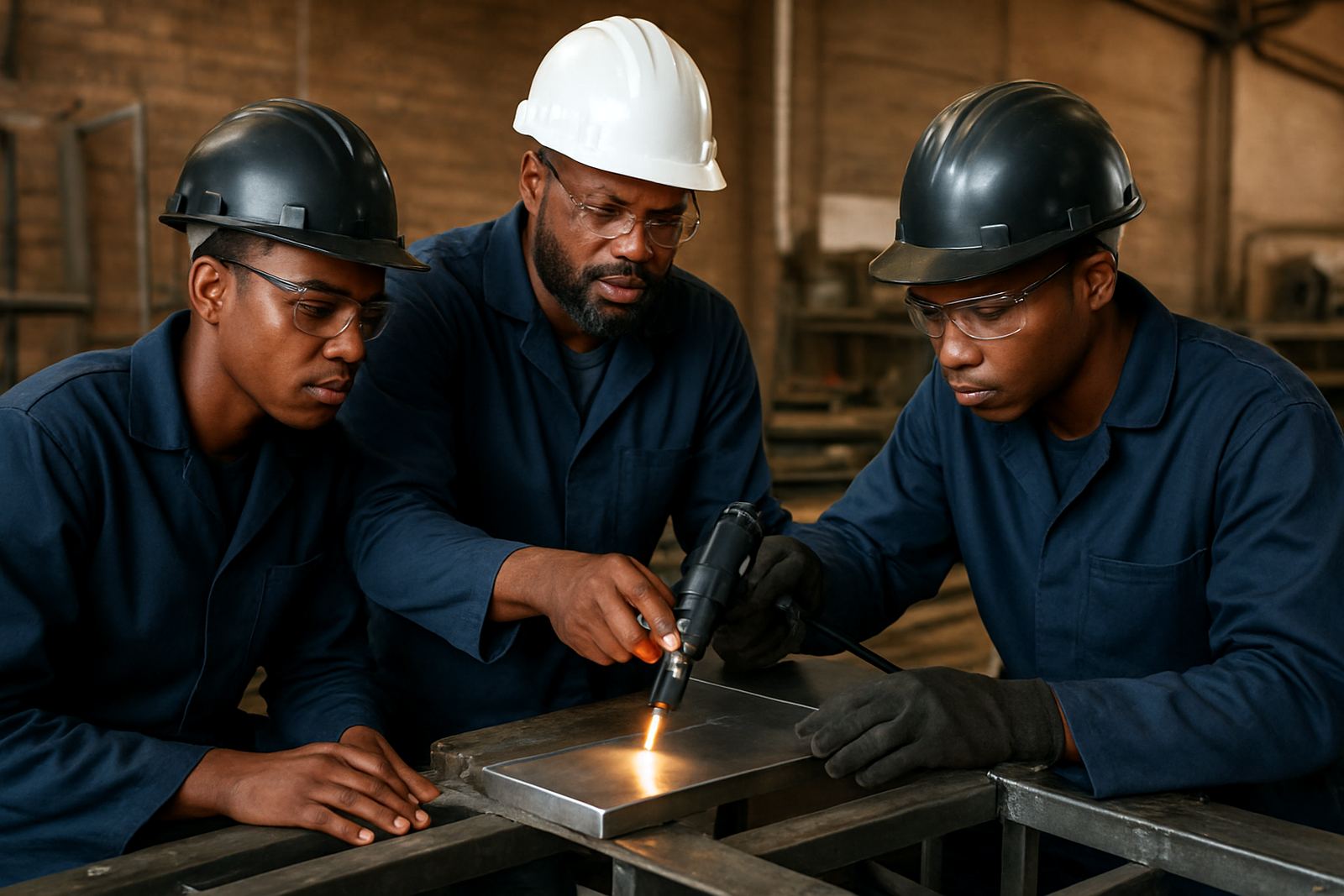
What our operator training covers
Our operator training is built for stainless steel fabricators who want better control over handheld fibre laser welding in day to day production. The focus is practical: how to get the machine ready, how to position the torch, how to keep the weld bead consistent, and how to judge joint quality before parts leave the shop. We work with new operators, experienced welders moving across from TIG or MIG, and team leaders who need a repeatable method for their crew.
Training can be done at your shop in Spartan, Kempton Park, Isando, Jet Park, Germiston, Boksburg, Alberton or elsewhere in South Africa. For shops dealing with power cuts or limited floor space, we also cover practical steps for setup and shutdown so equipment is protected and production can restart quickly after load-shedding.
- Machine start-up, shutdown and safe daily checks
- Parameter selection for stainless steel thicknesses from 0.5 mm to 5 mm
- Torch angle, travel speed and stand-off distance
- Joint fit-up, tack quality and heat control
- Visual inspection, distortion control and rework reduction
How the training session is run
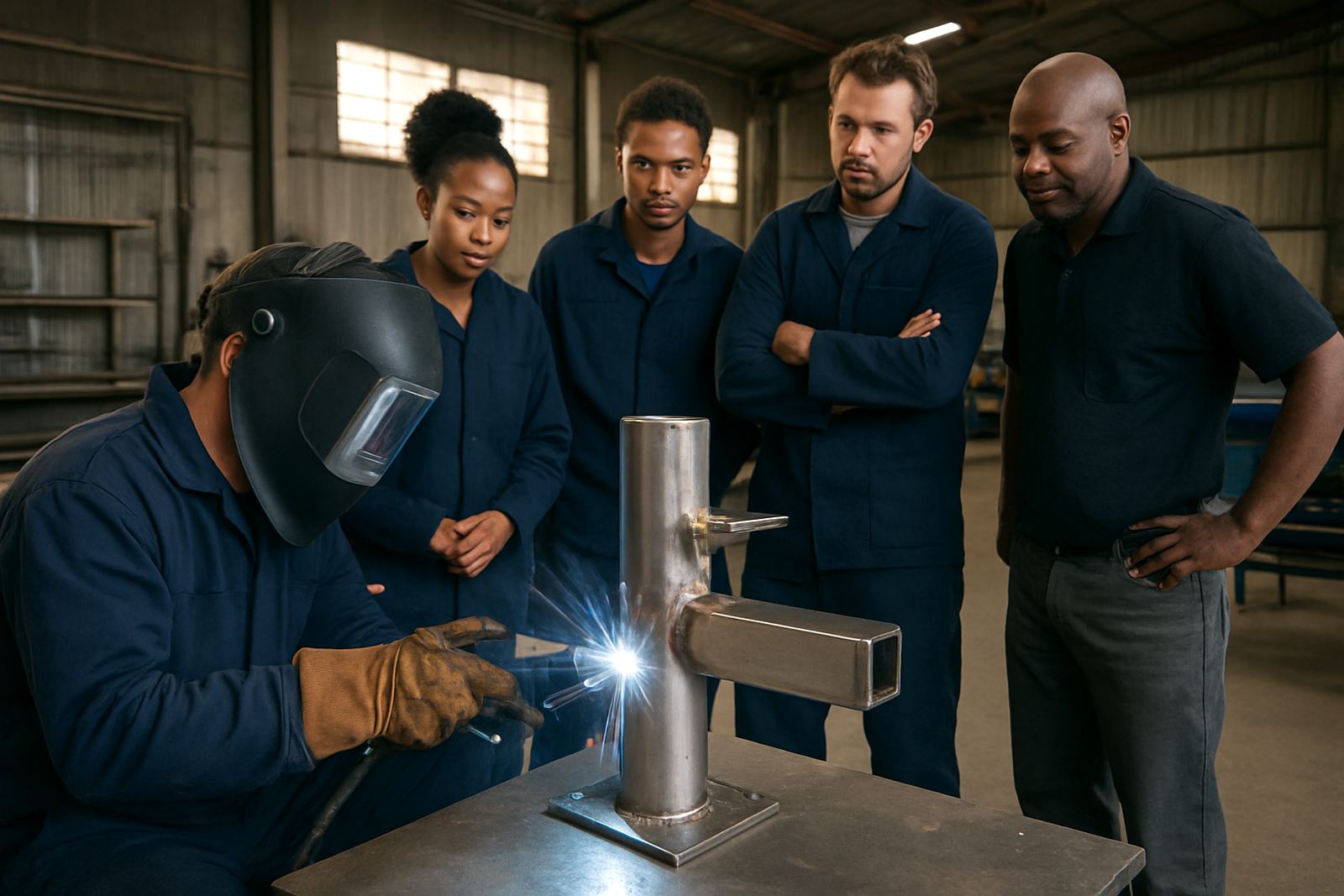
We usually start with a short site review so we can see the type of work being done, the material grades in use, and how the welding area is set up. From there, the session moves from theory to live welding. Operators first see the correct sequence, then practise it under supervision on sample pieces or production parts. That structure helps the team link each setting to a real result, which makes the learning stick.
Typical sessions include one-on-one coaching or small group instruction, depending on your production needs. For larger shops, we can work with shift teams so the same standard is applied across different operators. The training also covers basic troubleshooting, like spotting poor joint preparation, contamination, wrong travel speed, or a torch angle that is causing excessive heat input. It is direct and practical, not classroom heavy.
- Pre training site assessment and job review
- Live demonstration on sample joints or live production work
- Hands on operator practice with correction and feedback
- Basic fault finding and repeatability checks
- Sign off notes for supervisors or production managers
Expected turnaround and scheduling
Most operator training bookings can be arranged within a few working days, depending on travel and the number of operators involved. If you need training linked to a new commissioning, a production rollout or a fresh team taking over a line, we plan the session to fit your launch date. Where there are urgent production delays, we can prioritise shops that need a fast correction on weld quality or setup.
Session length depends on the machine model, the material thickness and how much hands on repetition is needed. A short refresher for one operator may take half a day, while a full crew with different skill levels often needs a full day. For complex stainless steel assemblies, we may recommend a follow-up visit after the first week of production so we can correct small habits before they become costly.
Pricing approach that suits the shop
Training is priced according to the number of operators, the location, the time required, and whether the session is part of a wider service such as commissioning or process optimisation. We keep the pricing practical and clear. If you only need refresher training for a few welders, you will not be pushed into a full package. If you need a full production team brought up to the same standard, we quote for the job as a structured visit.
For budgeting, many shops prefer to compare the training cost against scrap reduction, lower rework, faster weld times and fewer call backs from assembly. In stainless fabrication, that can make a proper difference, especially where margins are tight and every metre of material matters. We will outline the scope first, then give a quote that matches the work required no guesswork.
- Single operator refresher sessions
- Small team training for 2 to 6 operators
- Shift based training for larger shops
- Training linked to commissioning or rollout
- Follow up refreshers after process changes
Maintenance habits that keep operators consistent
Good welding habits go hand in hand with basic maintenance. We show operators what to check before each shift and what should be left to qualified service staff. This reduces avoidable downtime and helps the machine keep producing the same results through long runs. In coastal areas, where humidity can affect storage and consumables, we also cover simple care for torch components and workpieces.
Recommended maintenance intervals depend on use, but most shops should carry out daily checks, weekly cleaning and a formal inspection at regular service intervals. If the machine is used on multiple shifts or in a dusty fabrication bay, the checks need to be tighter. We show operators how to identify worn parts, poor contact, loose connections and cooling issues before they turn into breakdowns.
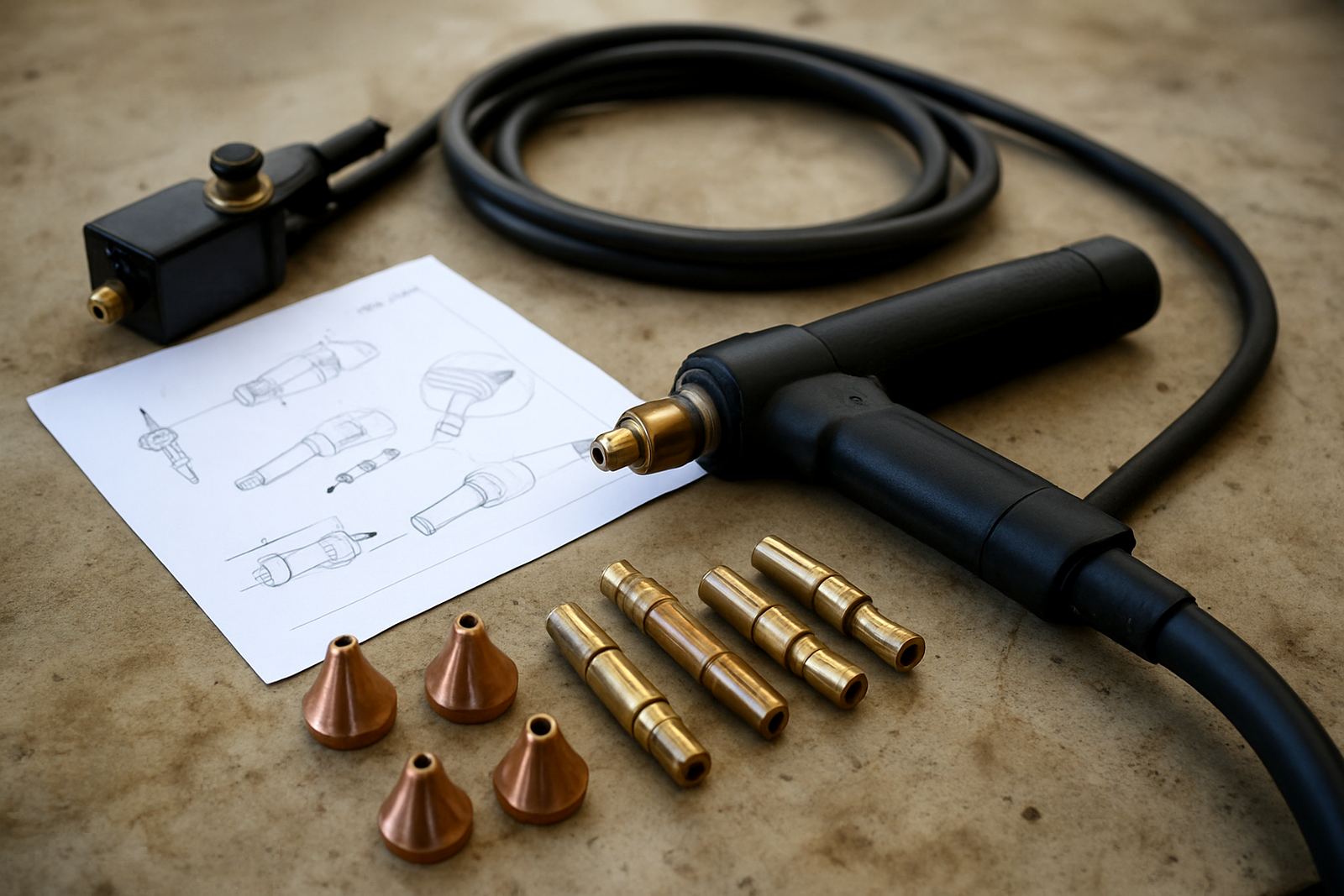
- Daily torch, cable and lens protection checks
- Weekly cleaning of the working area and consumable inspection
- Monthly review of settings, joints and repeatability
- Scheduled service inspection based on duty cycle and shift pattern
Support after the first training day
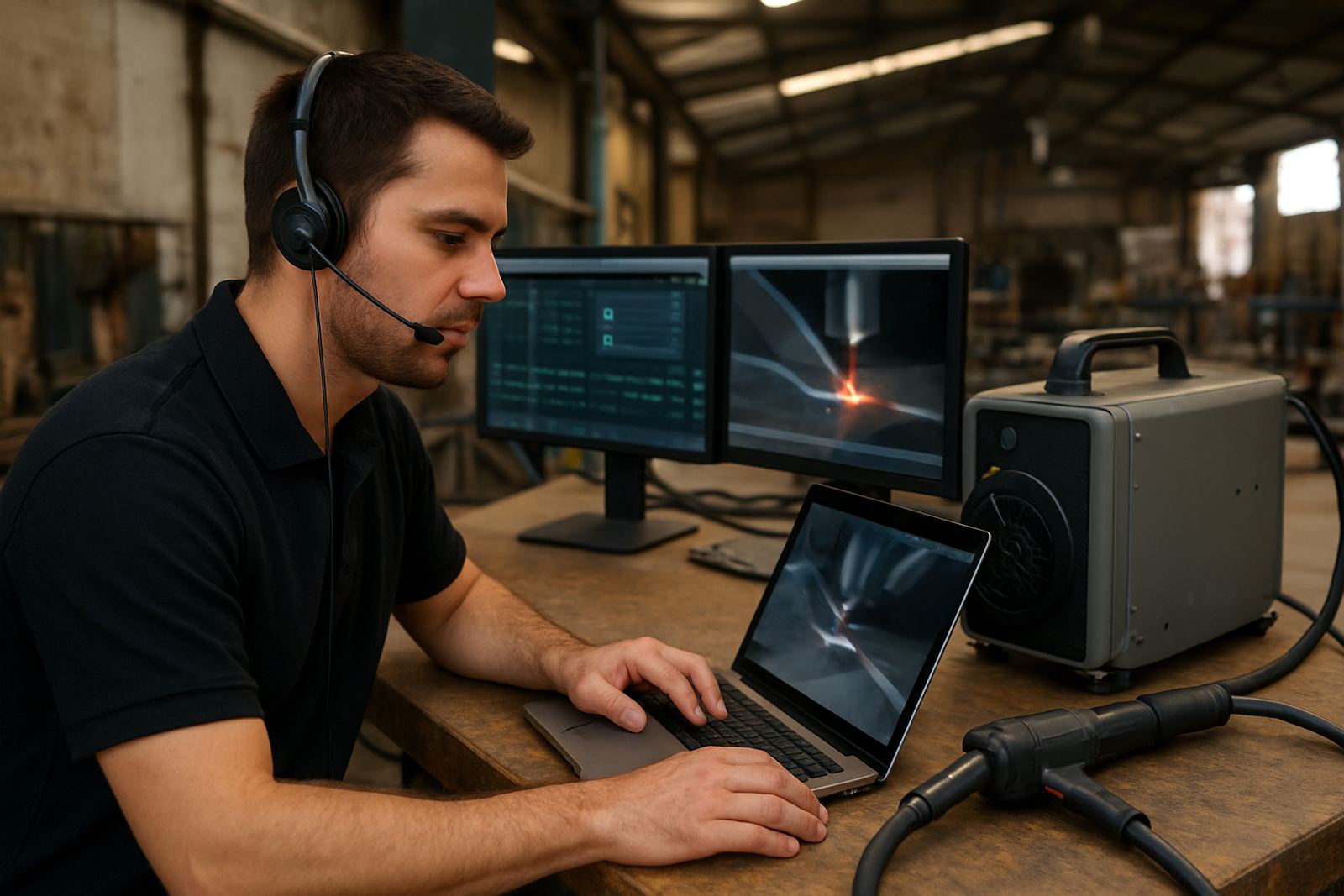
Operator training does not stop when the session ends. If your team needs a second look at settings, joint prep or handling technique, we can provide remote help or return to site for a refresher. That is especially useful when a shop changes material thickness, introduces a new product line, or adds operators with different levels of experience. We keep the advice practical so supervisors can use it straight away.
Our support team works from Spartan, Kempton Park, and we assist fabrication shops across Gauteng and nationwide. Whether your team is in a small workshop or a larger manufacturing environment, the goal is the same: cleaner welds, fewer rejects and operators who know what good looks like. If your process is drifting, we can help bring it back on track before it affects delivery. A steady process is better than chasing faults later, and that saves time on every batch.
Key facts
| Training format | On site at your fabrication shop or at a demo site in Ekurhuleni |
|---|---|
| Material focus | Stainless steel fabrication, including thin gauge and structural assemblies |
| Typical thickness range | 0.5 mm to 5 mm |
| Session length | Half day, full day or follow up refresher |
| Coverage area | Spartan, Kempton Park, Gauteng and nationwide |
| Support options | Remote help, refresher visits, process review and production rollout |