What happens during a shop demonstration
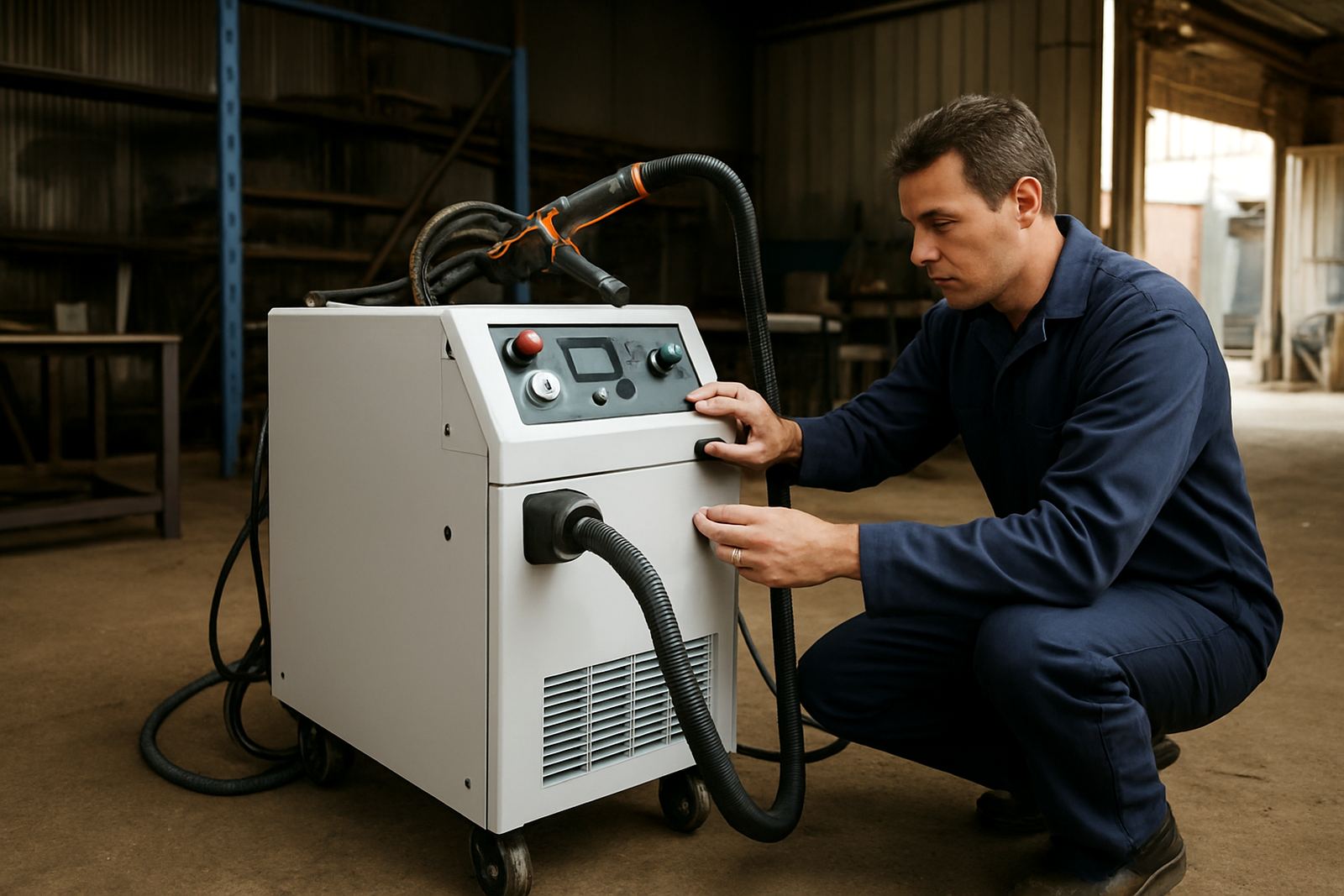
A shop demonstration is done at your fabrication site or a nominated workshop where we can work on the parts you actually make. We do not use generic test pieces unless you ask for it. The aim is simple: show whether a handheld fibre laser welder suits your stainless steel jobs, your weld prep, and your output targets.
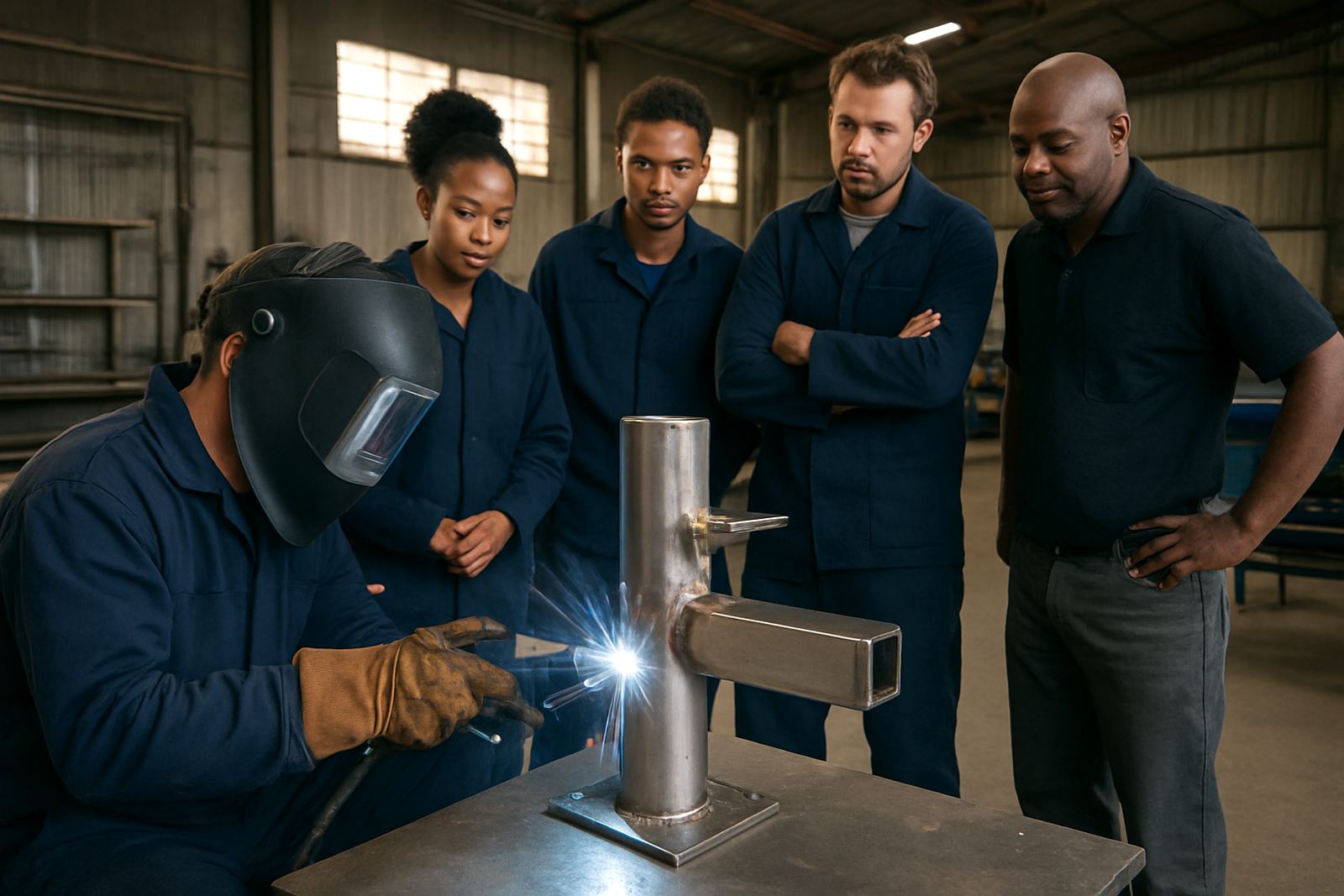
For most demonstrations we bring the welding unit, hand torch, consumables and basic setup gear. We assess access around the component, joint type, thickness, finish requirements and whether the job needs fillet welds, edge welds or repair work. Typical material ranges include 0.8 mm to 3 mm stainless steel, although heavier sections can be assessed too if the application calls for it. In many cases we can show a marked improvement in speed and bead appearance on the first morning, even before fine tuning.
- Onsite trials using your own stainless steel parts
- Joint testing for sheet, tube, angle and fabricated assemblies
- Weld appearance, penetration and distortion checks
- Operator handling and torch positioning guidance
What is included in the demonstration
Every demonstration is planned around your production work. That may mean tank fabrication, trolleys, kitchen equipment, handrails, ducting, frames, enclosures or clean finish stainless assemblies. We also look at how the machine will fit into your existing process, including prep time, clamping, access to the joint and post weld cleaning.
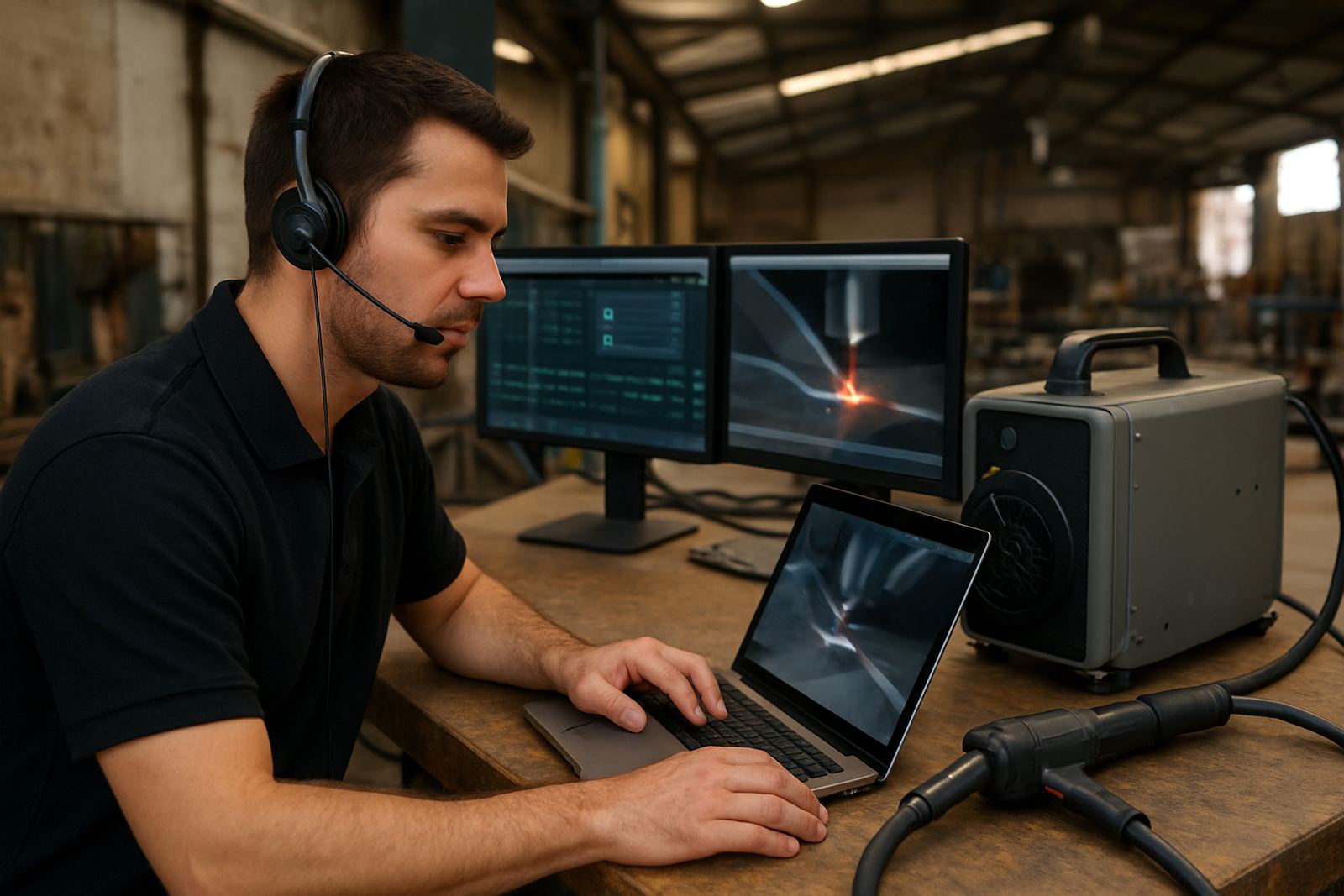
You will get a hands on explanation of machine controls, suitable travel speed, torch angle, wire feed where required, and basic fault checks. If your team wants to compare different operators, we can do that too. We often find that a well prepared workshop can move from trial to production with only a few hours of guided practice, though some jobs need a bit more time to settle the settings.
- Component review and weld plan before the first pass
- Live welding on production grade parts
- Demonstration of cleaning, fit up and finish control
- Initial parameter guidance for your thickness and joint type
- Practical notes for workshop workflow and safety
How we run the process from booking to test welds
We start with an enquiry through the contact page and ask for a few photographs, material details and the main application. This helps us decide what setup is needed and whether the visit should be a quick single-shift demo or a longer production trial. If your workshop is in Spartan, Kempton Park, Isando, Jet Park, Edenvale, Germiston, Boksburg or Alberton, we can usually plan the visit quickly. We also travel to fabrication shops nationwide.
On arrival we check power availability, safe floor space and the condition of the parts. Load-shedding can affect planning, so we discuss backup power and whether the job needs a generator or a stable supply for the day. After that we do a short intro, run sample welds and then move into your actual components. If needed, we repeat the test with different settings until the weld looks and performs as expected.
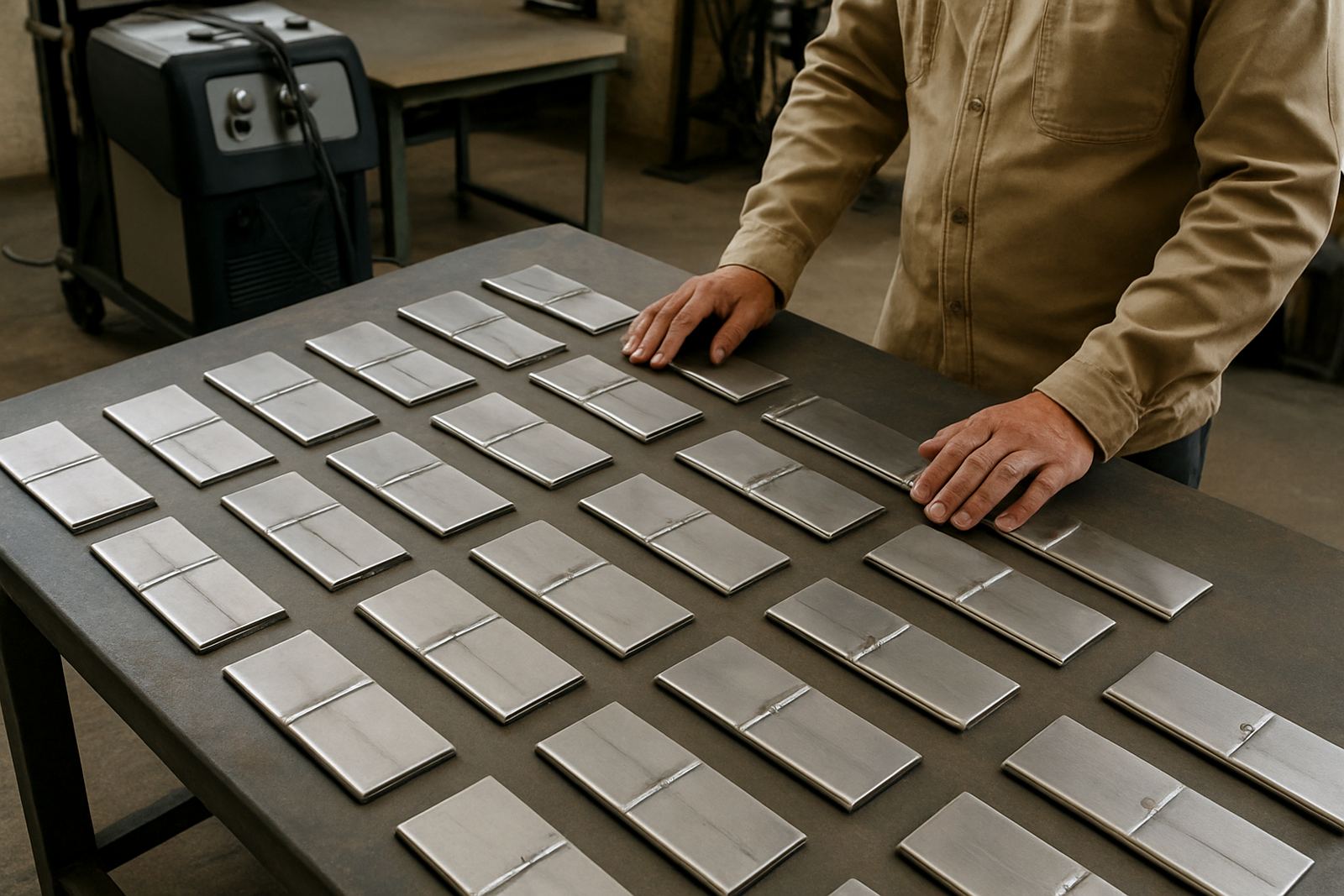
There is no guesswork in the process. You will see the welds as they are made, then compare them for colour, bead shape, heat affected zone and clean up time. That makes it much easier to decide if the machine suits your production line or smaller workshop work.
Typical turnaround and pricing approach
Most demonstrations can be scheduled within a practical lead time once we have your component details and a suitable date. For local East Rand and Ekurhuleni sites, we often work within a few working days. National visits depend on route planning, access to the shop and the amount of testing needed. If you need a second visit for more detailed trials, we can arrange that as well.
Pricing depends on travel, time on site, the number of test pieces and whether we are carrying out a basic product demonstration or a fuller process assessment. We keep the approach straightforward so you know what is covered before the visit. If the job grows into operator training, production rollout or a follow up optimisation session, we quote that separately. It keeps things fair and avoids surprises, which is important when a workshop is already busy.
For many customers the demonstration cost is a small part of the decision, because the bigger question is whether the machine will reduce rework, speed up output and give a cleaner finish on stainless steel. That is where the value sits.
Maintenance intervals and workshop readiness
After a demonstration we also advise on care intervals so the machine stays ready for daily use. Handheld fibre laser welders benefit from routine checks on optics cleanliness, torch condition, cable wear, cooling performance and filter condition. In busy shops we normally suggest a quick daily visual check, weekly cleaning tasks and a more detailed service review at regular intervals depending on hours used.
For production sites running through the week, we often recommend a preventive maintenance schedule at set usage points rather than waiting for a fault. That is especially useful in coastal humidity, dusty fabrication areas and workshops where the machine moves between bays. If your team is starting out, refresher sessions help keep settings consistent and cut down on poor welds caused by simple handling issues.
- Daily visual checks before first use
- Weekly cleaning of key working parts
- Scheduled inspection based on machine hours
- Refresher training for new operators or new shifts
Who benefits most from an onsite demo
Shop demonstrations are useful for stainless steel fabricators who want clearer welds, less distortion and faster finishing. They suit small jobbing shops, contract fabricators, production lines and maintenance teams alike. If your current method needs lots of grinding, polishing or rework, a live test on your own parts will show very quickly whether laser welding is a better fit.
We also see strong results where the shop is under pressure to improve throughput without adding more labour. One operator can often cover a wide range of repeat stainless jobs once the process is dialled in, though the exact output depends on joint type, material thickness and how the parts are prepared. For many customers, the demo is the point where the benefits become easy to judge because the result is right there on the table.
Our team includes practical support from first enquiry to final weld test, with shop demonstrations, weld testing and follow up help available after the visit. If you are in Ekurhuleni or anywhere else in South Africa and want to see the process on your own work, we can arrange it.
Key facts
| Weld process | Handheld fibre laser welding for stainless steel fabrication |
|---|---|
| Material range | Typical demo focus from 0.8 mm to 3 mm stainless steel |
| Site coverage | Spartan, Kempton Park and nationwide workshop visits |
| Demo format | Onsite trials on your own components and production tasks |
| Support included | Operator guidance, settings advice and follow up assistance |
| Best suited to | Fabricators, production shops, maintenance teams and contract welders |