What machine commissioning covers on site
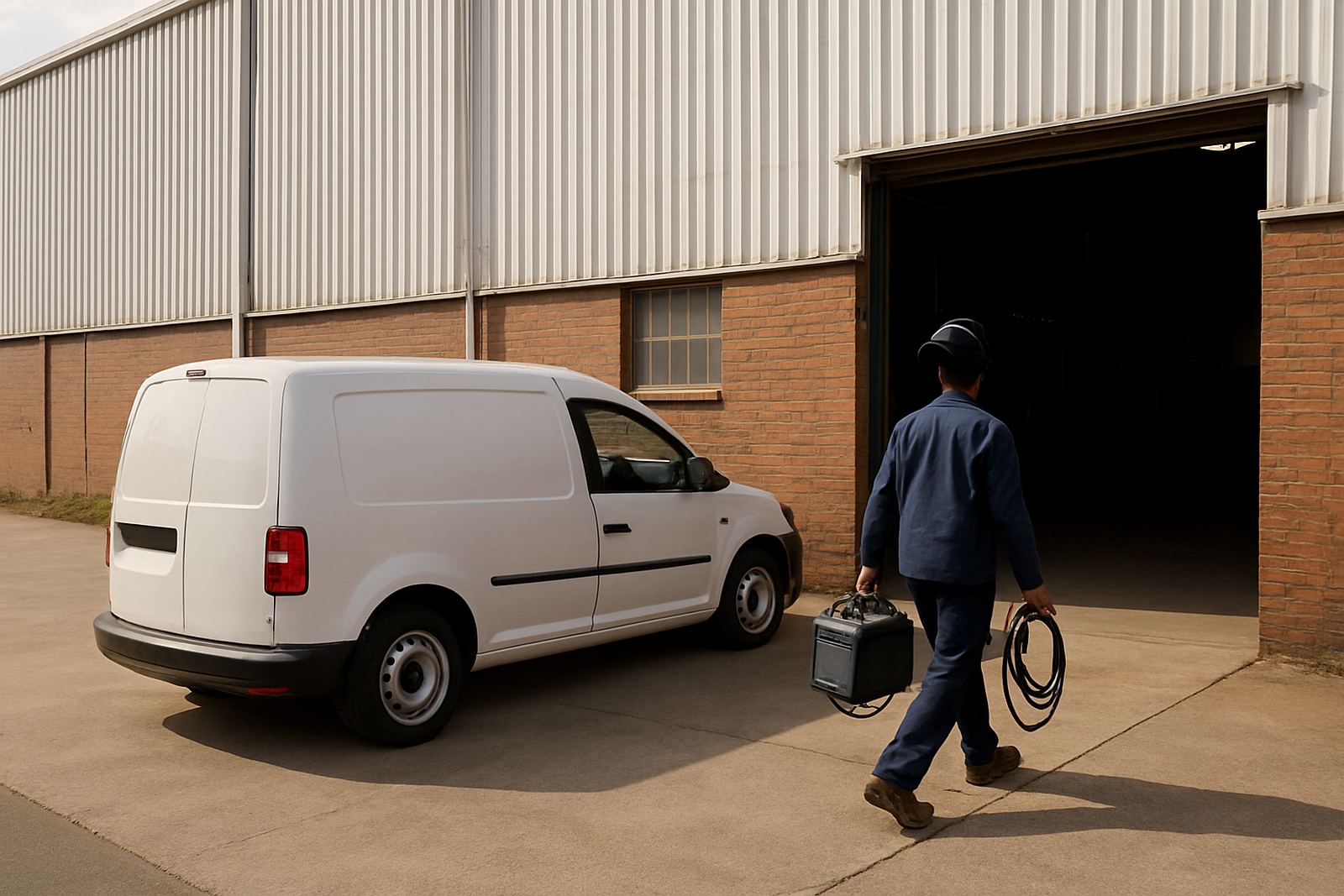
Our commissioning service is for stainless steel fabricators that want the machine set up correctly before production starts. We work on handheld fibre laser welders used for sheet metal, tanks, kitchen equipment, ducting, guards, frames and general fabrication. The visit is practical and focused on getting the unit ready for real workshop use, not just switching it on and hoping for the best.
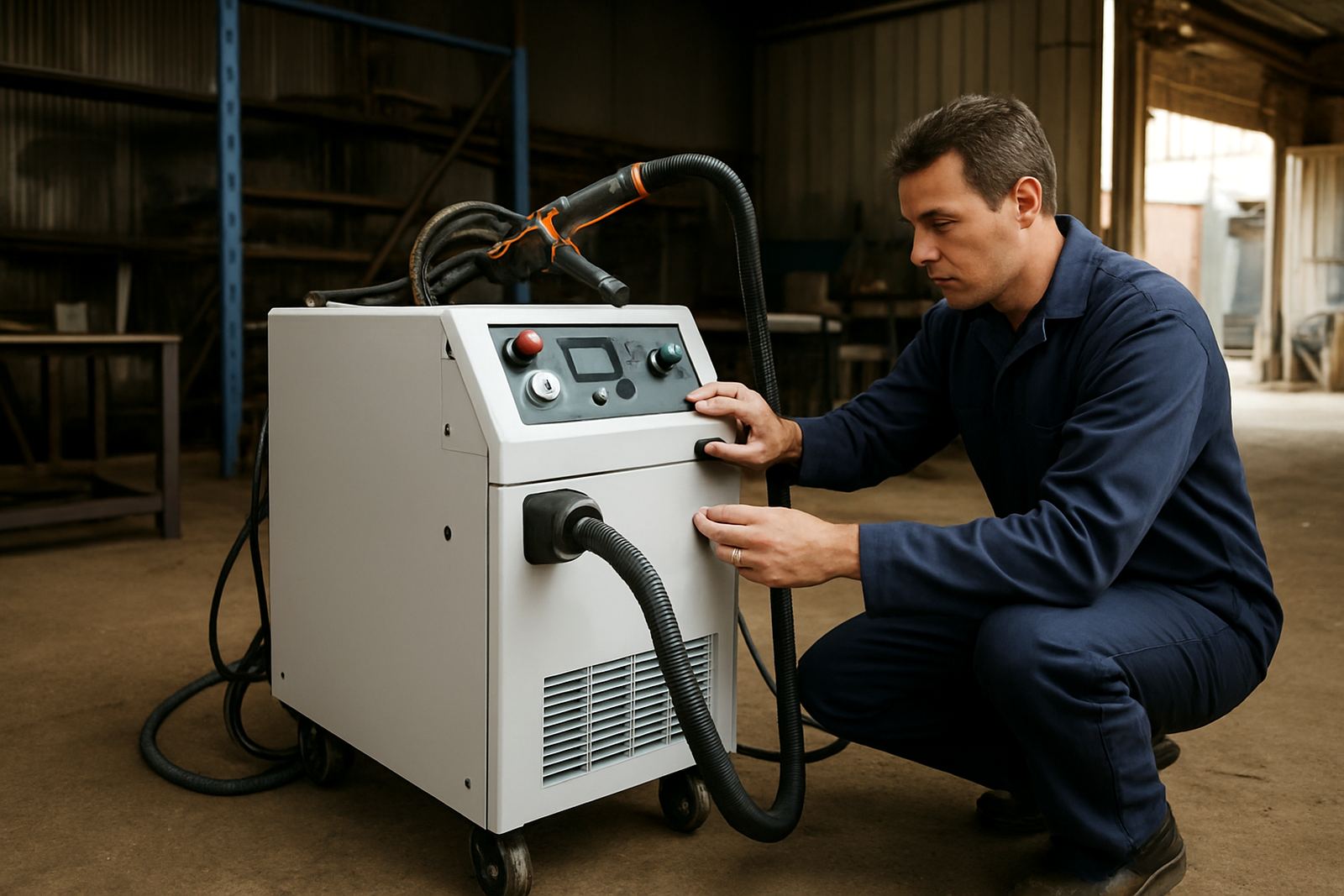
We confirm the installation location, power supply, cooling, gas supply and work area safety before the first weld is made. That includes checking cable routing, torch condition, beam path integrity, protective cover condition and whether the operator has the right PPE and screen protection in place. If your workshop runs during load-shedding or on generator power we also check stability, because voltage dips can affect performance and can damage sensitive electronics over time.
Where needed, we verify that the setup suits the material you are welding, whether that is 1 mm stainless for light fabrication or thicker plate and sections for production work. The aim is clean welds, repeatable results and a safe start, with no guesswork.
What is included in the first setup and handover
Commissioning is more than a demo. We walk through the machine functions, verify the main settings and hand over a system that your team can use properly after we leave. If the site is in Spartan, Kempton Park, or at a fabrication shop in Germiston, Boksburg, Alberton or further afield, the same process applies.
- Initial machine inspection and unpacking check
- Power connection verification and safety review
- Cooling system check and fluid level confirmation
- Shielding gas setup and flow check
- Weld parameter setup for the job at hand
- Sample weld tests on your material
- Operator familiarisation on controls, torch handling and cleaning
- Basic fault code explanation and shutdown procedure
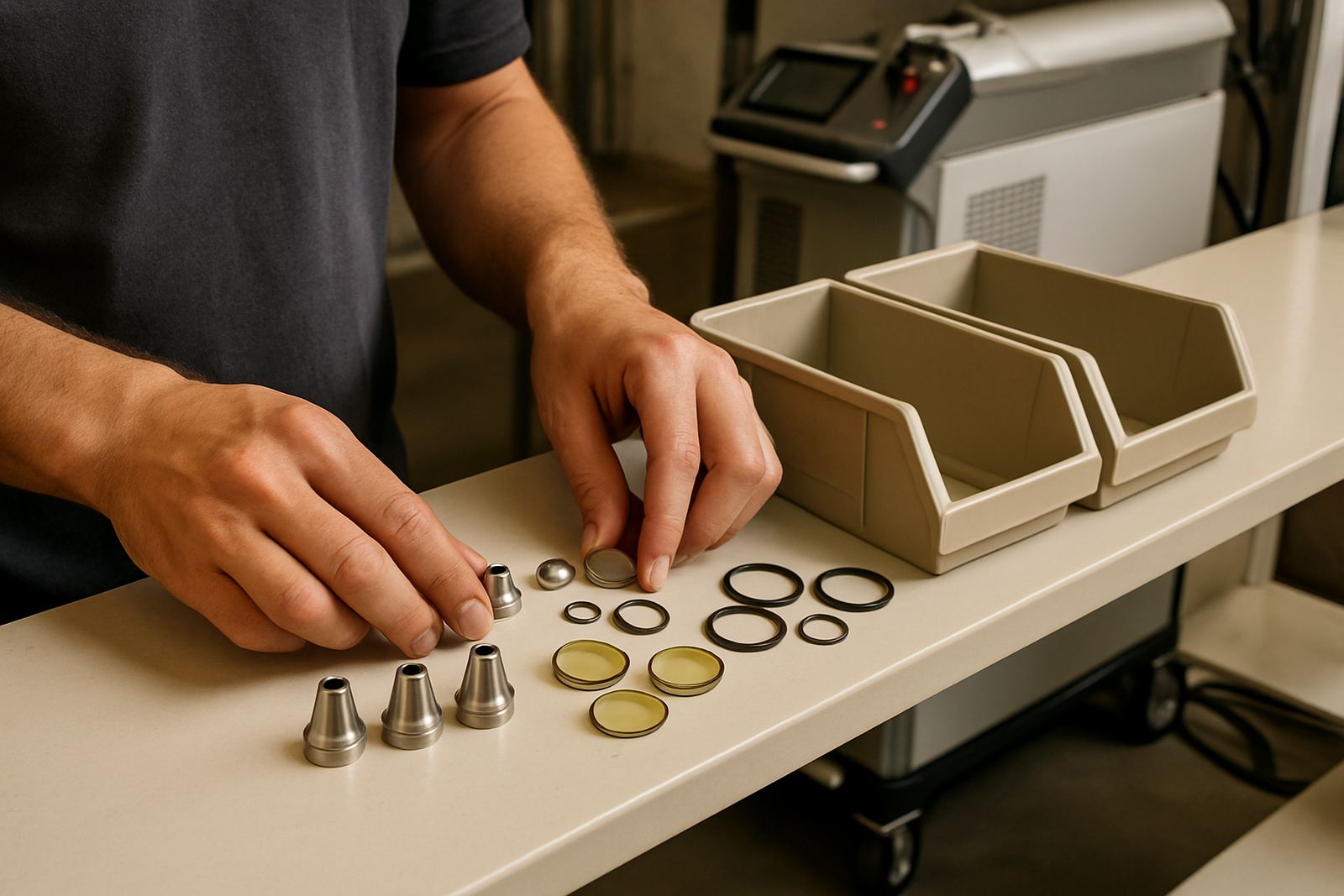
We also confirm the simple day to day items that often get missed, like nozzle condition, lens cleanliness, wire feed alignment if fitted, and the correct way to store consumables. Small errors at this stage can lead to poor weld appearance, excess spatter and unnecessary downtime later on.
Our commissioning process from arrival to sign-off
We keep the process structured so your production team knows what to expect. First, we review the application and the materials you need to weld. Then we check the workshop layout and power availability before making any adjustments. Once the machine is safe to energise, we test all core functions and set the machine for the intended duty.
After that, we run practical weld tests and adjust speed, power, wobble settings and focus where required. Stainless steel behaves differently depending on thickness, joint type and heat input, so the settings need to match the actual job not a generic number from a manual. We then hand the system over to your operator or supervisor, with enough practical instruction to keep work moving.
- Step 1: Site review and application discussion
- Step 2: Power, gas and cooling checks
- Step 3: Functional machine test
- Step 4: Material specific parameter setup
- Step 5: Weld samples and quality review
- Step 6: Operator handover and final sign-off
If the job needs more than one material thickness or a few different joint types, we can test each one during the visit. That saves time later and helps your team know which settings to use on the shop floor.
Typical turnaround and site requirements
Most commissioning visits can be scheduled within a practical working window after the machine and site details have been confirmed. In many cases, a standard setup and handover can be completed in half a day to a full day, depending on the condition of the machine, the number of weld tests required and how ready the workshop is.
For larger rollouts or sites with multiple operators, allow extra time for training and process checks. If your workshop has not yet prepared the extraction, gas supply or safe work area, that can add time on site. We prefer to be upfront about this because a rushed commissioning often leads to repeat issues and avoidable callouts.
To keep the visit efficient, have the material samples ready, make sure the machine is accessible, and appoint one person who will be the main contact for decisions. That helps us get through the set-up without unnecessary delays. If there is a missing item or a minor issue with the machine, we will point it out and advise on the next step.
Pricing approach for machine commissioning
Our pricing is based on the scope of the job, travel distance, the number of machines, and whether the visit includes training, weld testing or process optimisation. A single machine in Spartan or Kempton Park will not be priced the same as a multi-shift commissioning at a production site in Durban, Cape Town or Port Elizabeth. We keep the quote clear so you know what is included before the visit.
Where possible, we bundle commissioning with operator training or a first production rollout so you do not pay twice for the same site time. If we find an issue that can be solved quickly on site, we will explain the options and the likely cost before proceeding. There are no unnecessary extras built into the service and no hidden surprises after the visit.
For planned projects, it also helps to book commissioning together with preventive maintenance or consumables support, especially where the workshop has high output or runs across two shifts. That way, the machine starts correctly and stays on track in the first few weeks of use.
Recommended maintenance after commissioning
Once the machine is running, regular checks keep it stable and extend component life. The exact interval depends on how many hours you weld each day, the cleanliness of the workshop and the type of stainless work you do. A light fabrication shop may need checks less often than a busy production line, but every site benefits from a simple schedule.
We generally recommend a quick operator check each shift, a weekly visual inspection and a more detailed service at set intervals based on use. In dusty environments, coastal humidity or shops where grinding happens near the welding area, cleaning and inspection should be more frequent. That helps prevent contamination of the optics and keeps the torch performing properly.
- Daily: check torch condition, cooling, gas and lens cleanliness
- Weekly: inspect cables, fittings, filters and work area cleanliness
- Monthly: review settings, output consistency and wear items
- Quarterly or service-based: preventive maintenance and calibration review
If your team is new to fibre laser welding, we can also schedule refresher training after the first production run. That often catches small habits that would otherwise affect weld quality over time.
Key facts
| Service type | Machine commissioning for handheld fibre laser welders |
|---|---|
| Typical site duration | Half day to full day, depending on scope |
| Common applications | Stainless steel sheet, frames, tanks, ducting and fabrication |
| Core checks | Power, cooling, gas, safety, settings and sample welds |
| Coverage | Spartan, Kempton Park and nationwide site visits |
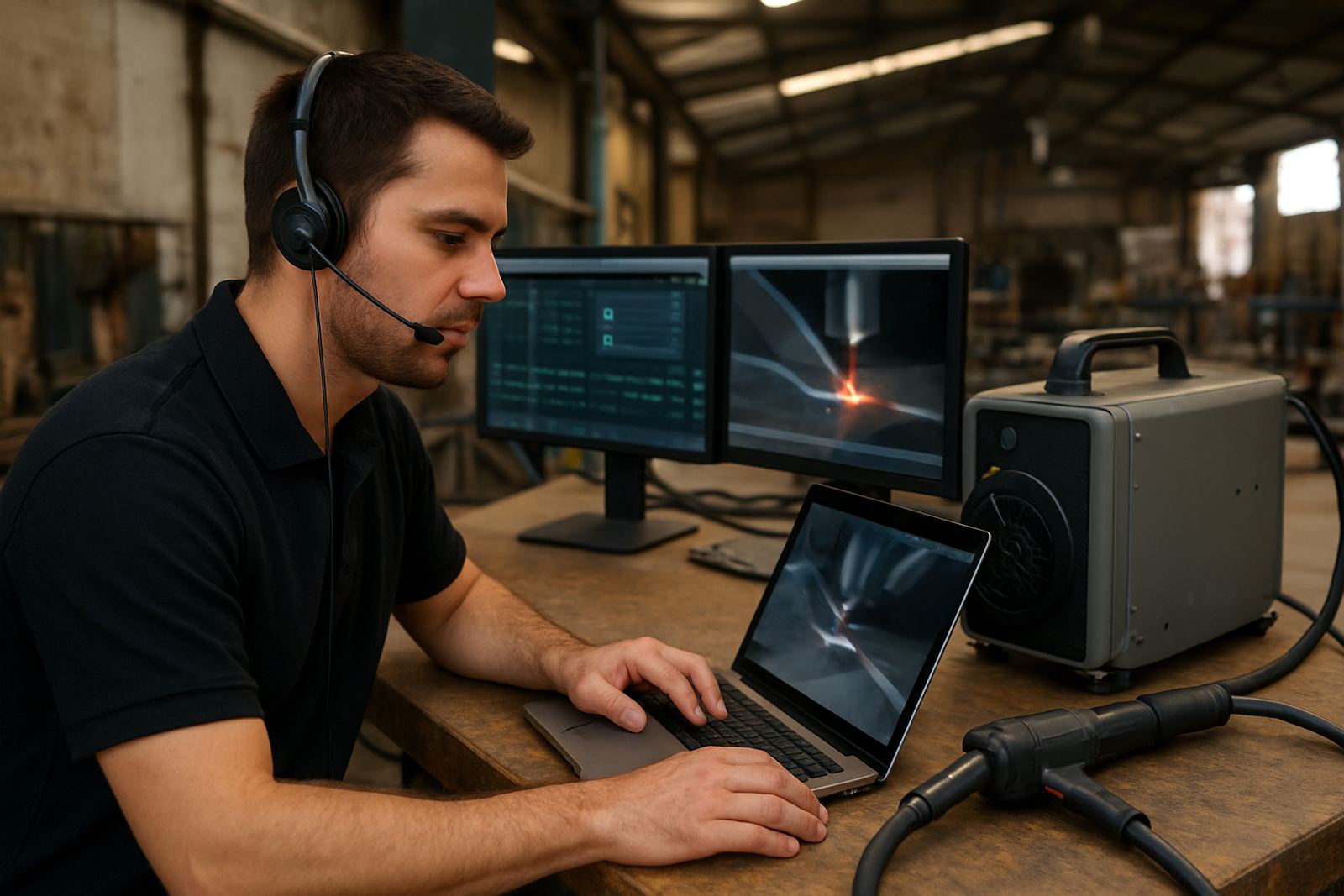
| Follow-up options | Training, maintenance, remote help and process optimisation |