What process optimisation covers on your shop floor
Process optimisation is a practical site visit aimed at getting better welds out of the equipment you already have. We look at the full welding cycle, from material prep and fit-up to torch angle, wire use where applicable, shielding gas, speed, heat input and post weld finishing. The goal is simple: a neater bead, fewer reworks and a process your team can repeat on a Monday morning as well as on a Friday afternoon.
For stainless steel fabricators, small changes can make a large difference. Too much heat can cause discolouration, distortion or slow-downs in production. Too little can leave weak fusion or patchy appearance. We help set the machine and the workflow so the weld matches the job, whether you are doing sheet, tube, guards, tanks, frames or custom fabrication.
- Assessment of current weld quality and cycle time
- Review of material thickness, joint type and prep method
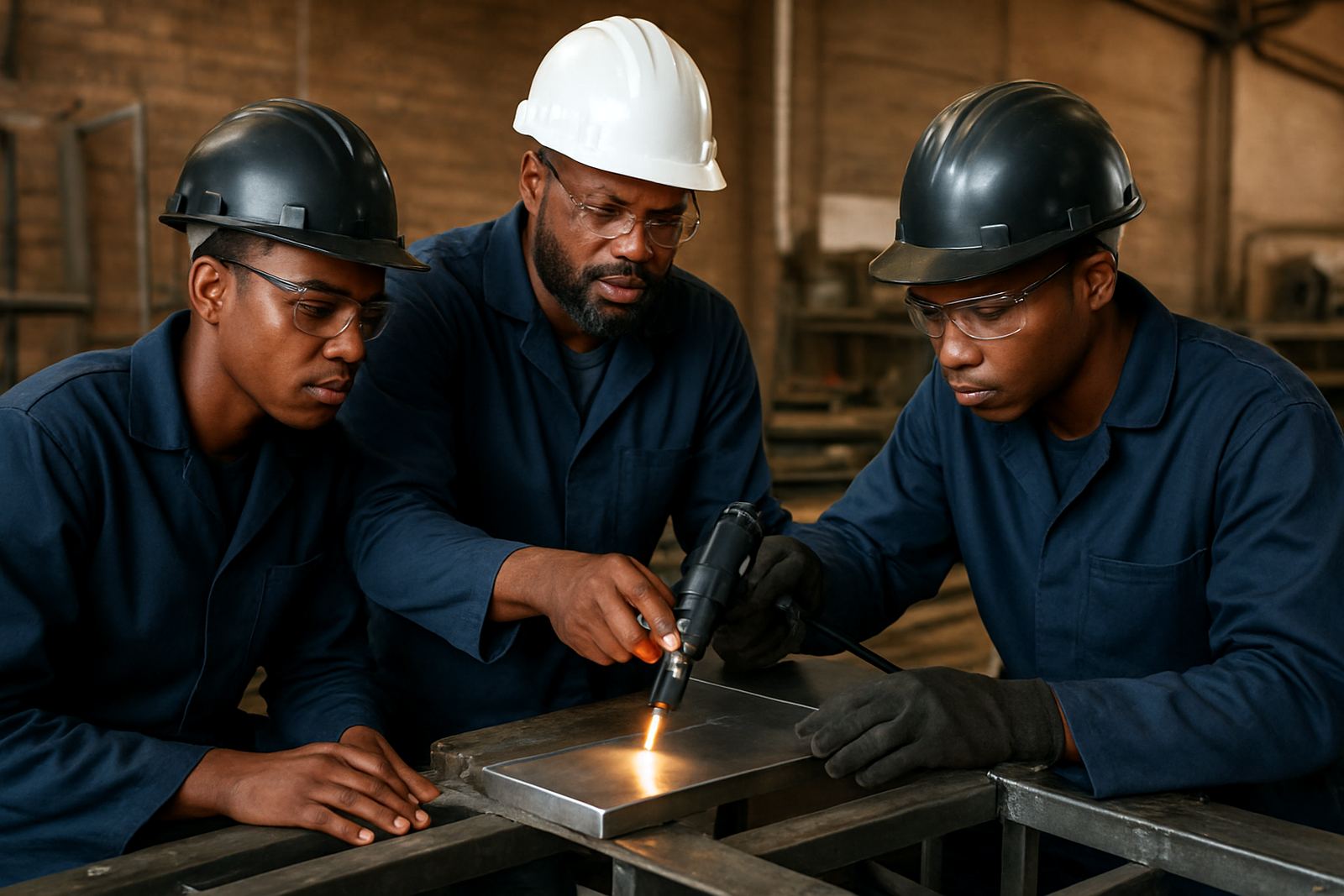
- Setting checks for power, wobble width, focus and travel speed
- Advice on gas flow, nozzle condition and cleanliness
- Practical changes for cleaner repeatable welds
How we optimise your welding process
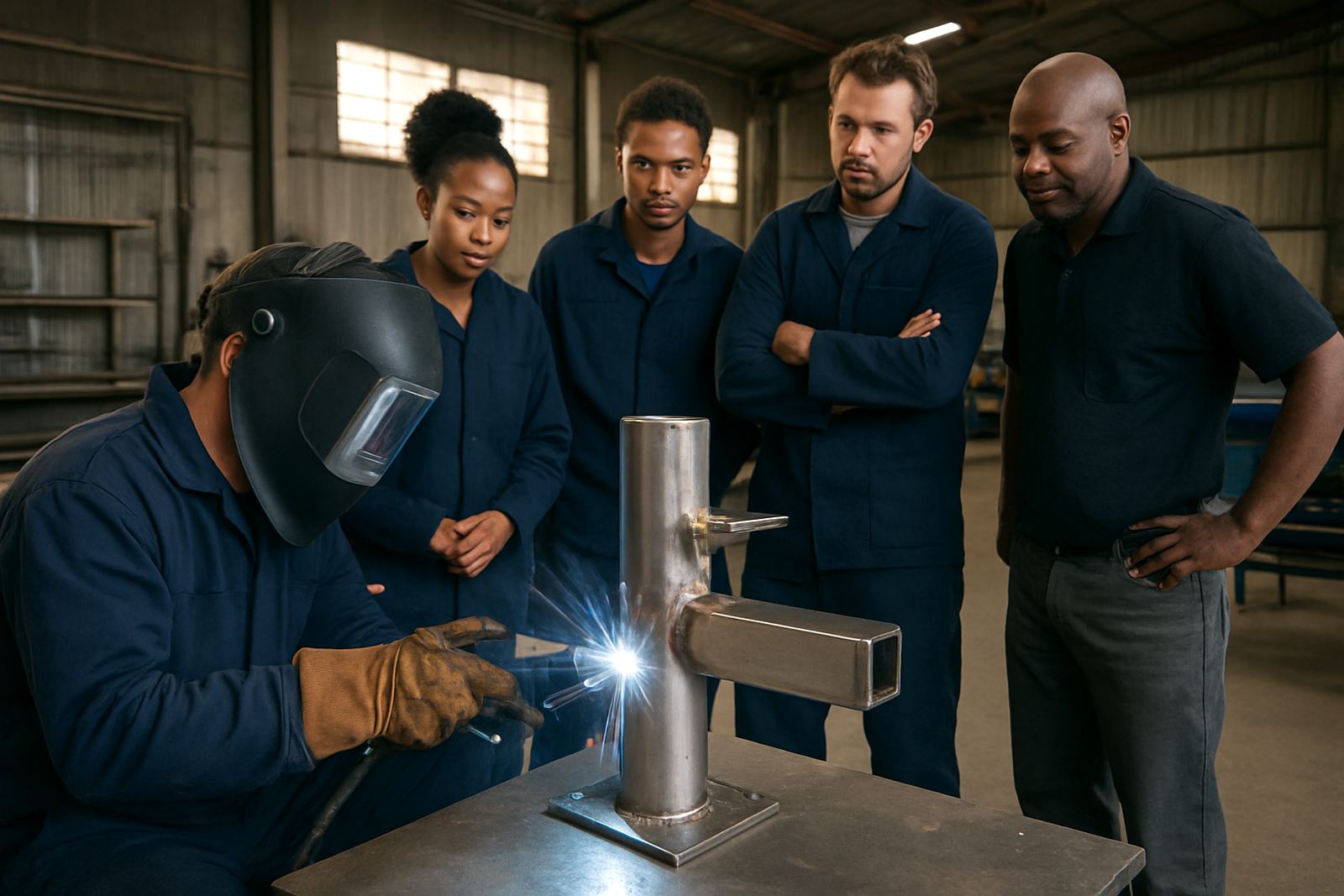
We start with a hands-on review at your workshop in Ekurhuleni or at your site anywhere in South Africa. The technician watches a few live welds, checks the parts, and records the settings that are being used now. If your team is working around load-shedding, generator power, or shared compressor supply, we also check how those conditions affect performance and stability.
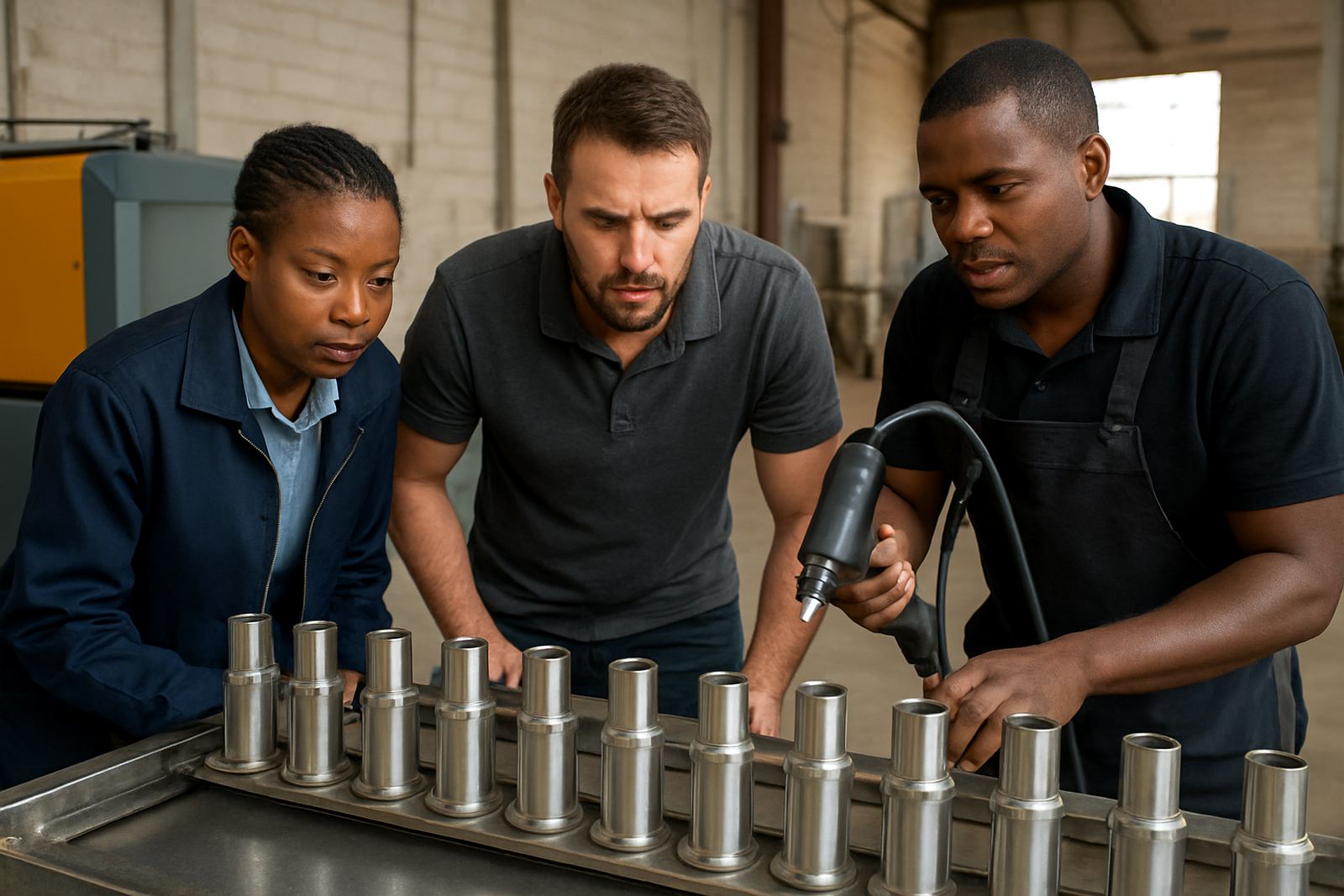
From there we test a few controlled changes. That can include adjusting output for different stainless grades, changing torch distance, refining seam prep, reducing unnecessary rework, and setting a standard operating sequence for the team. We do not guess. We compare bead profile, colour, spatter, edge fusion and heat distortion against the job requirement.
- Live weld observation and baseline capture
- Test coupons or production parts for comparison
- Settings adjustment and repeat testing
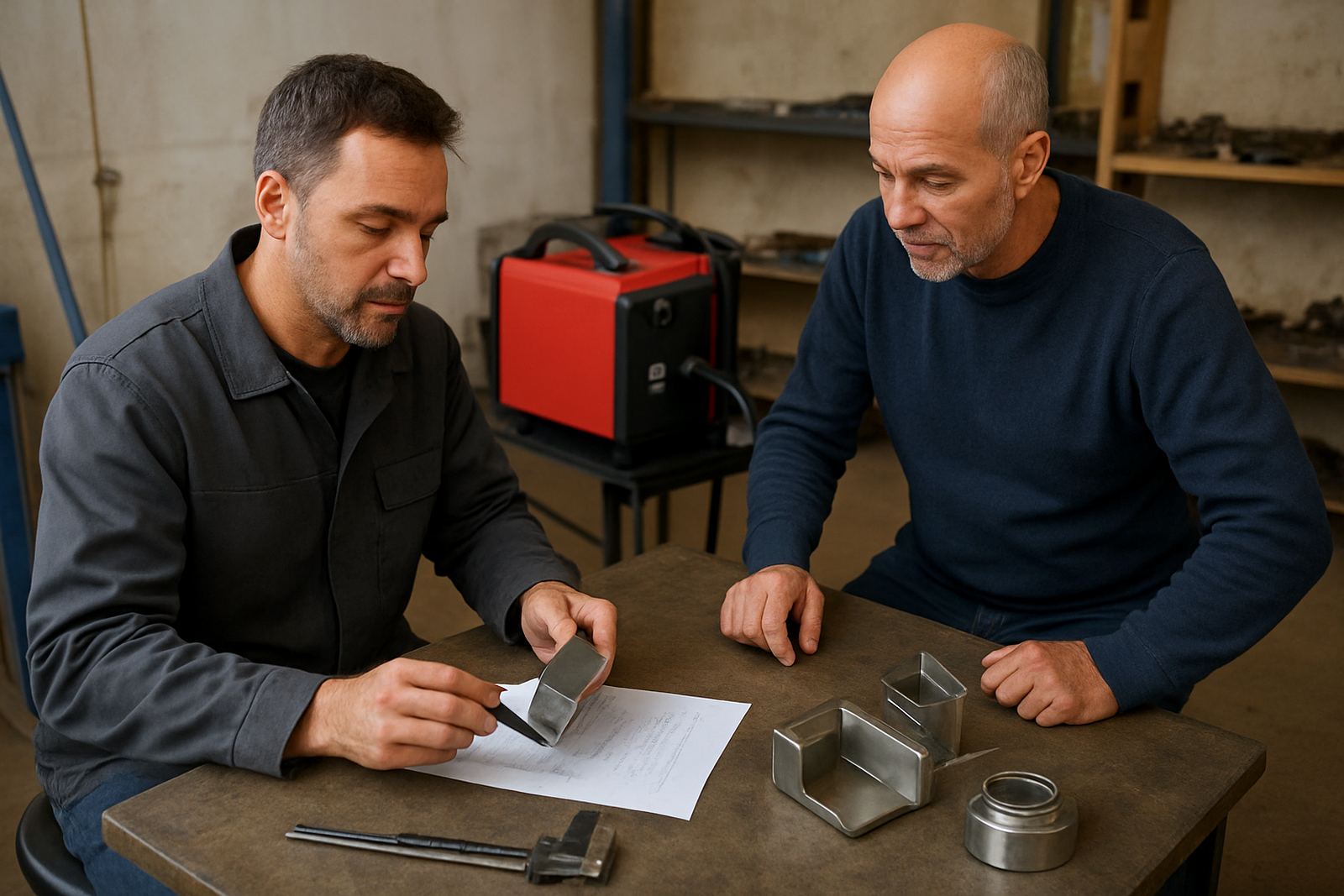
- Process notes for operators and supervisors
- Recommendation list for day-to-day production control
Typical improvements you can expect
Most fabricators want three things: better appearance, faster travel and less variation between operators. Process optimisation is aimed at all three. On stainless steel, a more stable setup can reduce cleaning time, lessen heat tint and make finishing more predictable. That saves time in the bay and helps when the client wants a neat visible seam rather than a welded joint hidden later.
In many workshops we also find that the biggest gains come from simple control points. Clean material, consistent clamping and a fixed method for setting each job often do more than major machine changes. If you are working near the coast, where humidity can affect storage and surface condition, we will also look at rust bloom, contamination and consumables handling. Small things matter when you need repeatability.
- Cleaner weld appearance with less tint and cleanup
- Steadier speed on long seams and repeated parts
- Lower distortion on thinner stainless sections
- Better repeatability across different operators
- Less time spent correcting the same fault twice
What is included in the service visit
A process optimisation visit is not a quick glance and a handshake. We bring a structured approach and leave you with usable settings and practical guidance. Depending on the job, the service can include machine checks, operator input, sample welds, parameter review and a short rollout session with your team. If a production line needs more than one visit, we map the changes in stages so the shop can keep working.
Our team in Spartan includes support from the managing director, training lead, technical sales manager, service coordinator, applications technician and customer support lead. That means the right person handles the right part of the job, from technical tuning to follow-up support. Clients reach us through the enquiry form on our contact page, then we book the visit and confirm what material and joints should be ready for testing.
- Workshop or site assessment
- Parameter tuning for the job at hand
- Operator guidance during live welding
- Process notes and recommended settings sheet
- Follow-up support by remote help if needed
Turnaround times and production planning
Turnaround depends on the size of the workshop, the number of machines involved and whether you need one job refined or several parts of the process standardised. For a single machine and a focused stainless steel application, we can often complete the main optimisation in one visit. Larger plants may need a baseline visit, a testing session and a final sign-off once the team has run the updated settings in actual production.
We plan around your shift times and production pressure. If your shop is busy with urgent orders, we keep the intervention tight and practical. If you are commissioning a new line or preparing for a production ramp up, we can align optimisation with operator training and machine commissioning so the setup is sorted before full output begins.
- Single machine jobs can often be handled in one site visit
- Multi line or multi operator work may need staged visits
- Follow-up remote help is available for fine tuning
- Training and optimisation can be combined where needed
Pricing approach, maintenance and support intervals
Pricing is quoted according to the number of machines, the amount of testing needed, travel distance and whether the work is for a one-off job or an ongoing production support plan. We keep the structure clear so you can budget properly. If you need optimisation for several stainless products, it is often more cost-effective to group the jobs together rather than booking separate call-outs for each one.
For maintenance intervals, we usually suggest a review after new operators join, after a major change in material thickness, or after repeated issues start showing up in production. Many shops benefit from a monthly or quarterly process check, especially where output is high, parts are thin, or weld appearance is customer-facing. Preventive attention can stop small setting drift from turning into scrap and delays.
- Quoted per site visit or per project scope
- Discounted grouping possible for multiple machines
- Recommended review after process changes or operator turnover
- Quarterly checks suit busy production environments
Key facts
| Service area | Spartan, Kempton Park and nationwide at fabrication shops |
|---|---|
| Main material focus | Stainless steel fabrication and related production work |
| Typical thickness range | From thin sheet up to heavier structural sections, job dependent |
| Machine type | Handheld fibre laser welders |
| Output review points | Bead shape, fusion, speed, heat tint and repeatability |
| Support options | On-site visits, remote help, refresher training and production rollout |