
What preventive maintenance covers
Preventive maintenance is a scheduled service visit focused on keeping the machine in good condition before wear turns into downtime. We check the items that matter most on a handheld fibre laser welder used for stainless steel fabrication, especially where the machine runs for long shifts, gets moved between bays, or works in hot and dusty shop conditions.
The service normally covers cooling performance, optics condition, nozzle wear, cable and torch condition, alignment checks, safety checks, and a general inspection of the full setup. In coastal areas with humidity, or in workshops where grinding dust is always in the air, these checks are worth doing on time. A small issue caught early is usually cheaper than a breakdown during a rush job.
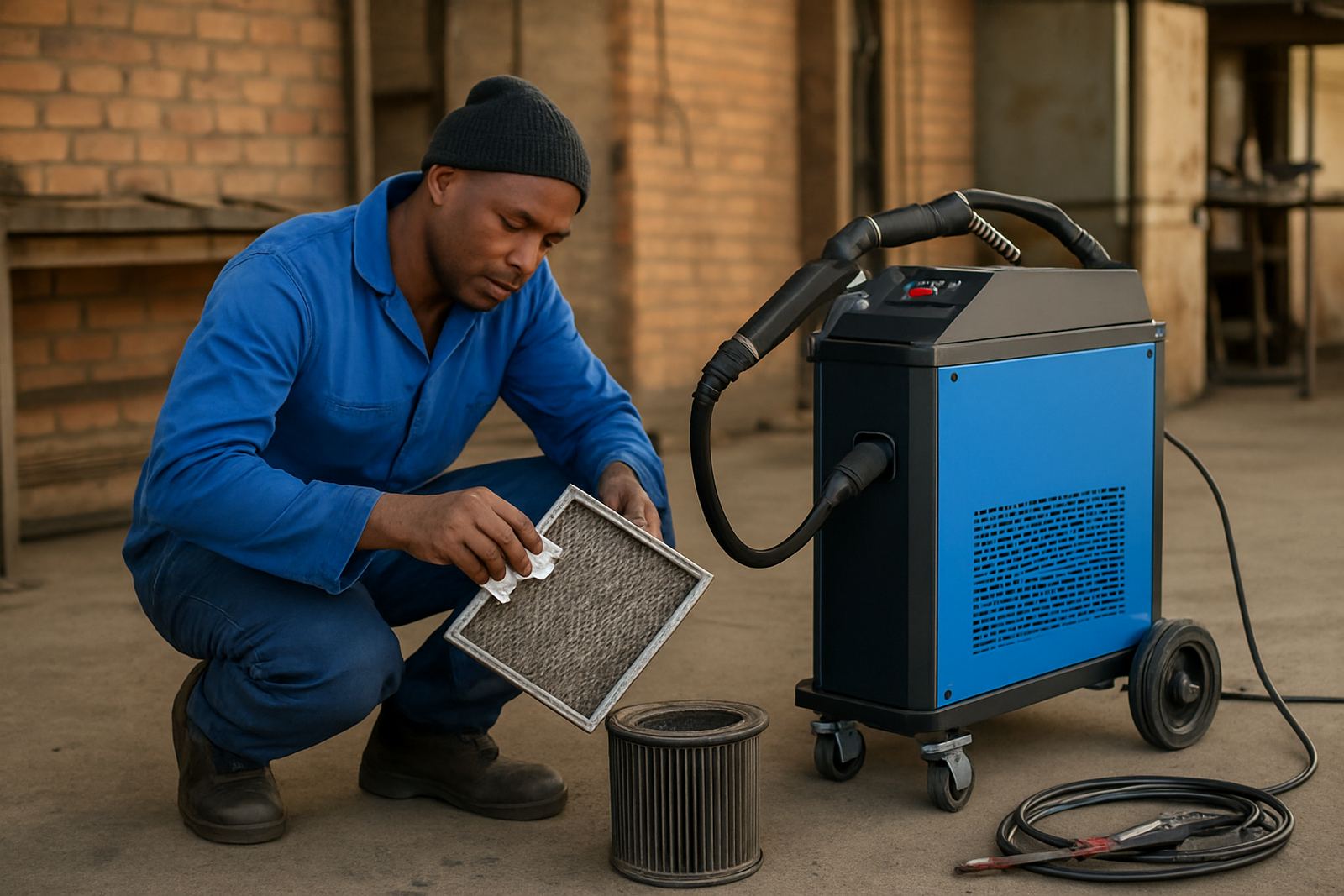
- Cooling system checks and fluid condition
- Optics inspection and cleaning where required
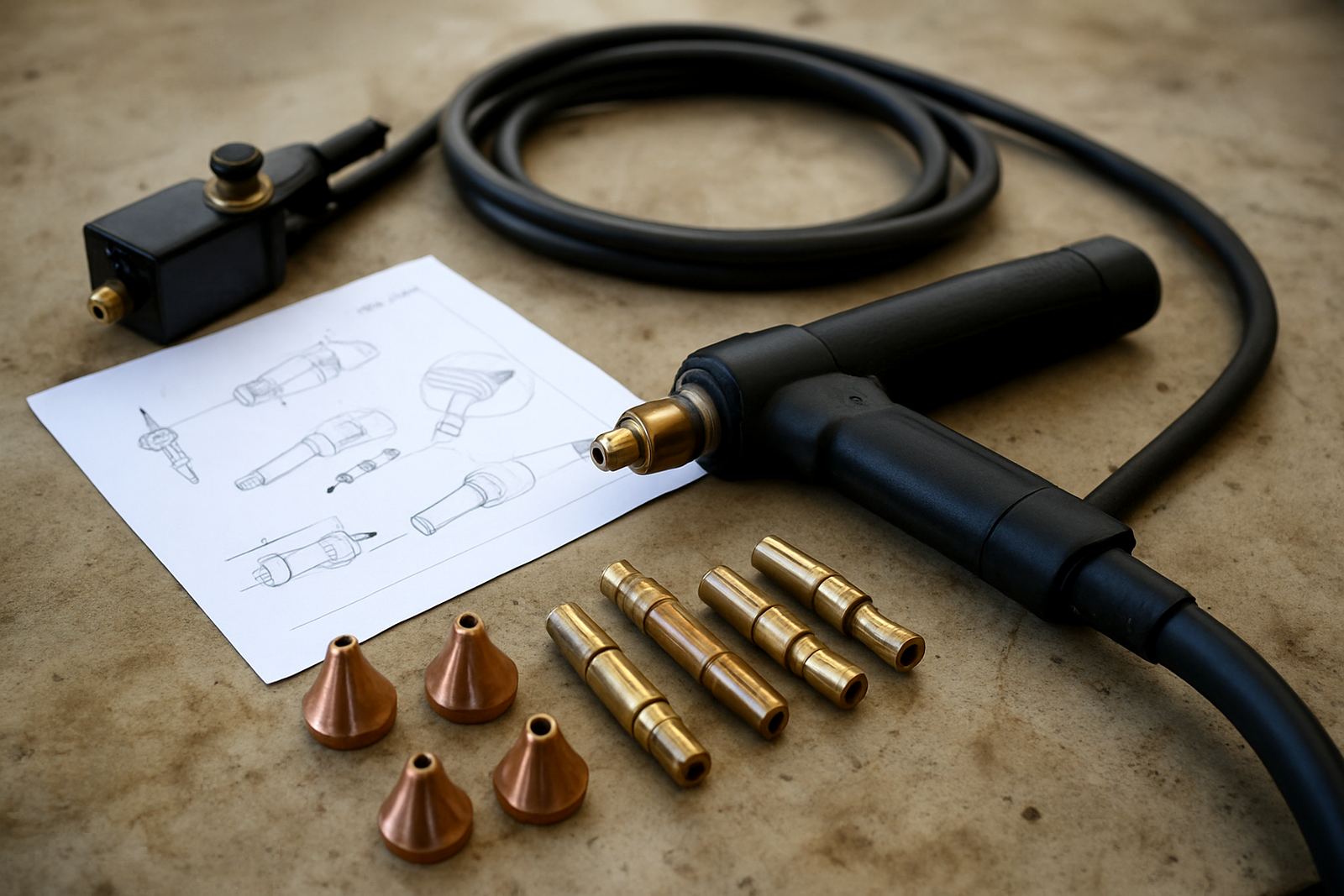
- Torch, cable and connector inspection
- Beam path and output consistency checks
- General machine condition and safety review
Why planned maintenance pays off
Handheld fibre laser welders are built for precision, but that precision depends on stable cooling, clean optics and consistent setup. If any of those drift, you may see weaker weld penetration, more spatter, heat marks or inconsistent bead quality. On stainless steel work, that can mean extra finishing time and more rejects.
Planned maintenance helps you keep weld quality steady across shifts and operators. It also reduces the chance of nuisance faults, overheating and premature wear on parts that are not expensive individually but add up over time. For workshops in Spartan, Kempton Park, Isando and Jet Park, this is especially useful when production is busy and lead times are tight.
- Less unplanned downtime
- More consistent weld quality
- Better protection for cooling and optical parts
- Lower risk of avoidable repair costs
How we carry out a service visit
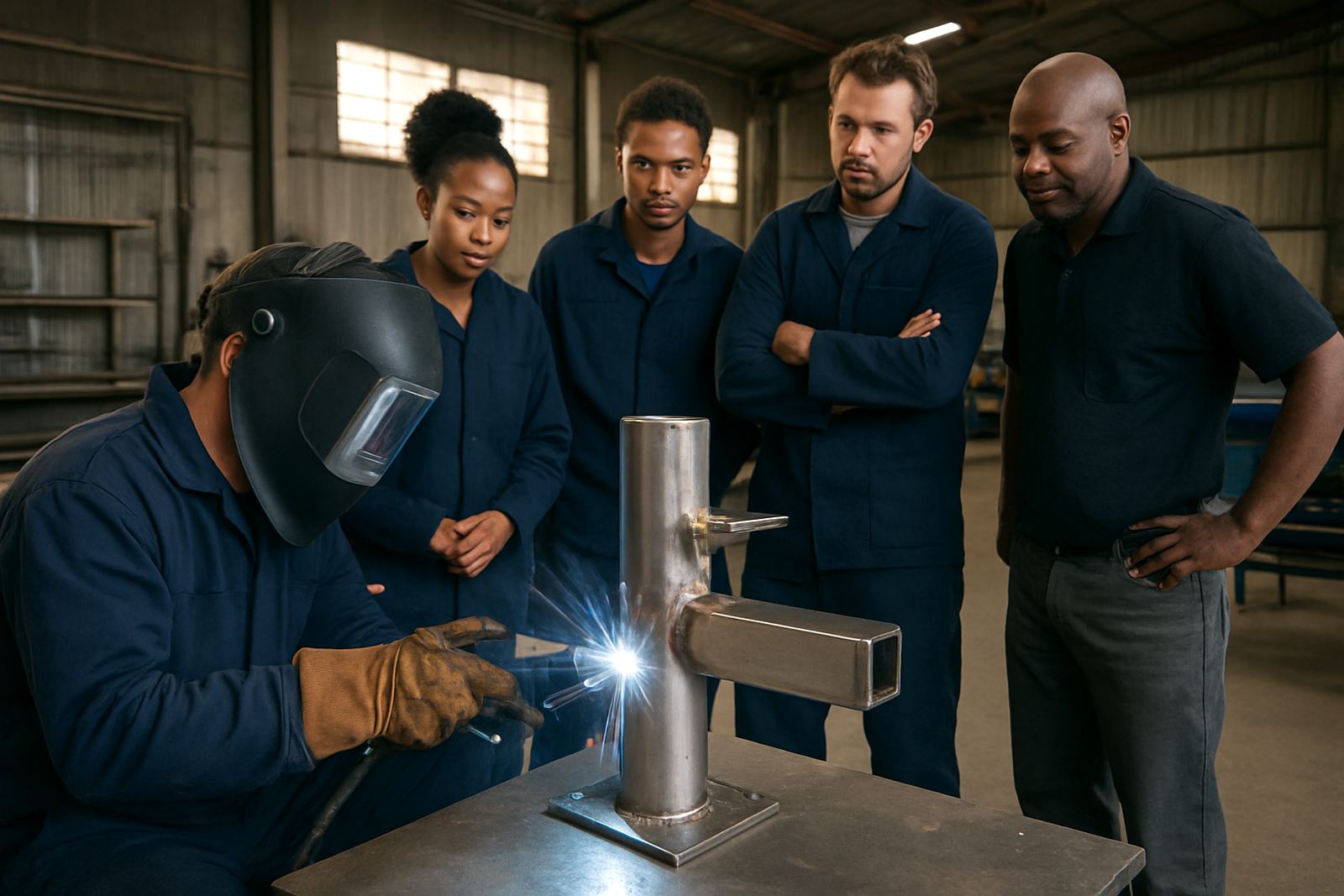
We start by understanding how the machine is used, what material thicknesses you run, and whether the unit is used on one site or moved between jobs. From there we plan the service work around your production window. If needed, we can combine preventive maintenance with operator refresher training so the team knows what to watch for between visits.
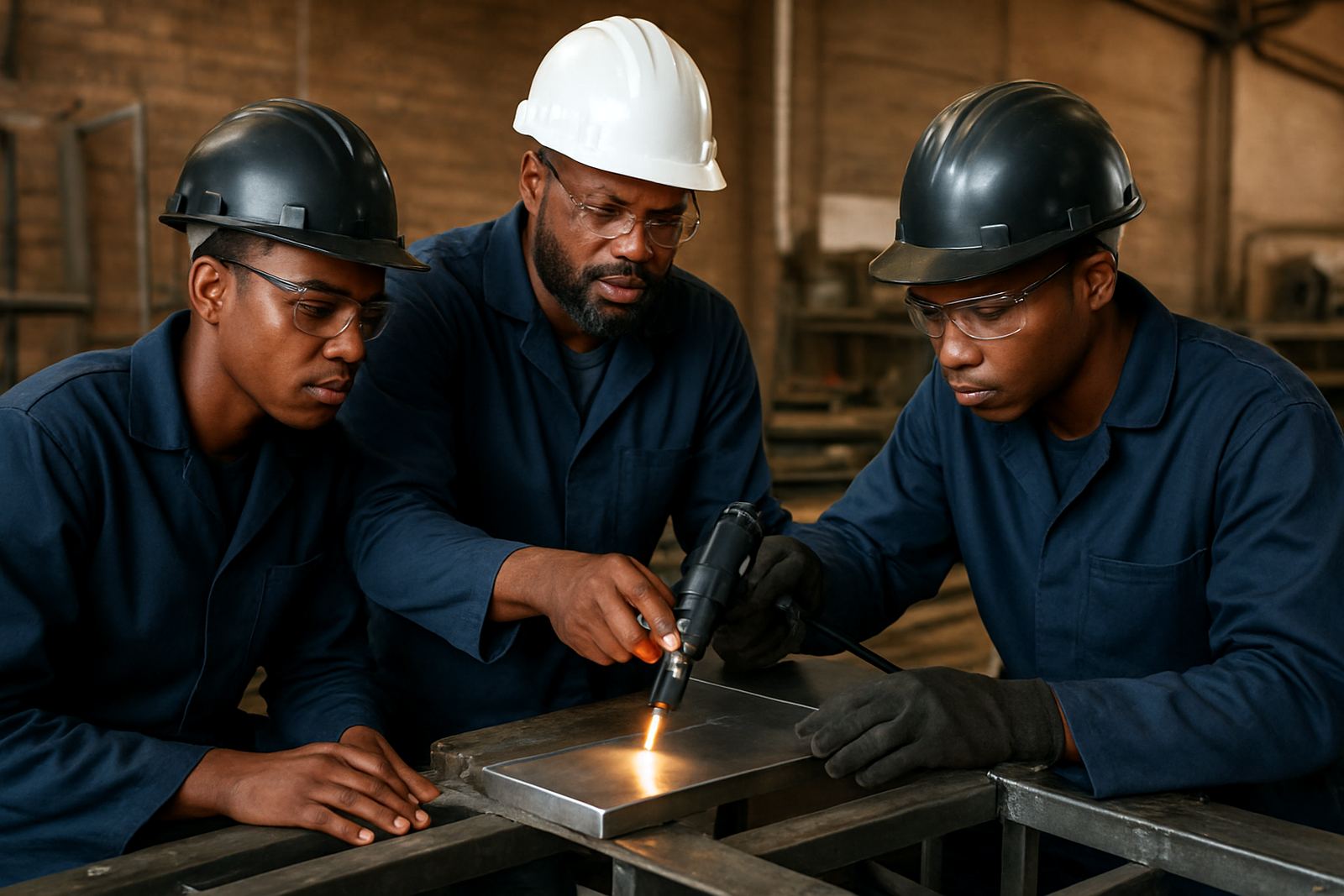
During the visit, our technician records the machine condition, carries out the inspection steps, and tests the welding setup after service work is complete. If anything needs replacement, we explain the issue clearly and only proceed once the requirement is understood. In many cases the work can be completed in a single visit, but more involved faults may need a follow-up.
- Initial condition review and service planning
- Inspection, cleaning and functional checks
- Replacement of worn items where agreed
- Post-service testing and sign-off
- Feedback on any operating risks or future needs
Typical maintenance intervals
Service intervals depend on daily running time, workshop dust levels, cooling load and how many operators use the machine. A unit running every day in a fabrication shop will need attention more often than one used only for occasional jobs. As a practical guide, many customers book preventive maintenance every 3 to 6 months, with closer checks when production is heavy or conditions are harsh.
If you are working near the coast, or in a shop where the machine is exposed to dust, heat and frequent movement, shorter intervals make sense. After a breakdown or major production change, it is also worth resetting the maintenance schedule so the machine does not slip past its next service window. The aim is simple: keep the machine predictable, not just repaired after the fact.
- Heavy daily use: every 3 months
- Typical workshop use: service every 4 to 6 months
- Low use or standby machine: every 6 months
- After relocation, major repair or poor weld results: sooner
Turnaround, pricing and what affects the quote
Turnaround depends on the condition of the machine, access to the unit, and whether any parts need replacement. A standard inspection and service can often be completed quickly once scheduled, while a unit with cooling issues or worn optical components may need extra time. We work to keep disruption low, especially for shops that cannot afford a full day off the line.
Pricing is based on the machine condition, the scope of work, travel requirements and any parts that must be supplied. We do not quote blind for maintenance because two similar-looking units can need very different levels of attention. The cleanest approach is to assess the machine first, then give you a clear scope with the expected labour and parts before work begins.
- Machine condition and service history
- Distance to site and access to the workshop
- Parts or consumables that need replacing
- Whether testing, training or commissioning support is added
Keeping support close when production cannot stop
Our base in Spartan, Kempton Park puts us close to Ekurhuleni fabrication shops, and we support demos and service calls across Johannesburg, Boksburg, Alberton, Germiston and surrounding industrial areas. We also travel nationwide for planned maintenance visits and training. That matters when your line is busy, loadshedding forces tighter planning, or the machine has to be checked before a delivery deadline.
For customers with more than one unit, we can help set a sensible maintenance cycle across the fleet so not every machine is due at once. That makes planning easier and helps avoid a pile-up of service work in the same week. If your workshop runs stainless steel sheet, tube or structural work, a predictable maintenance plan usually works better than waiting for a fault to show itself.
- Shop visits in Ekurhuleni and nationwide
- Maintenance planning for single machines or multiple units
- Support for busy fabrication schedules
- Service coordination through the enquiry form on our contact page
Key facts
| Service type | Preventive maintenance for handheld fibre laser welders |
|---|---|
| Typical scope | Cooling, optics, torch, cables, safety and functional checks |
| Recommended interval | Every 3 to 6 months depending on use |
| Typical setup | Stainless steel fabrication workshops and production bays |
| Support area | Spartan, Kempton Park and nationwide site visits |
| Booking method | Enquiry form on our contact page |