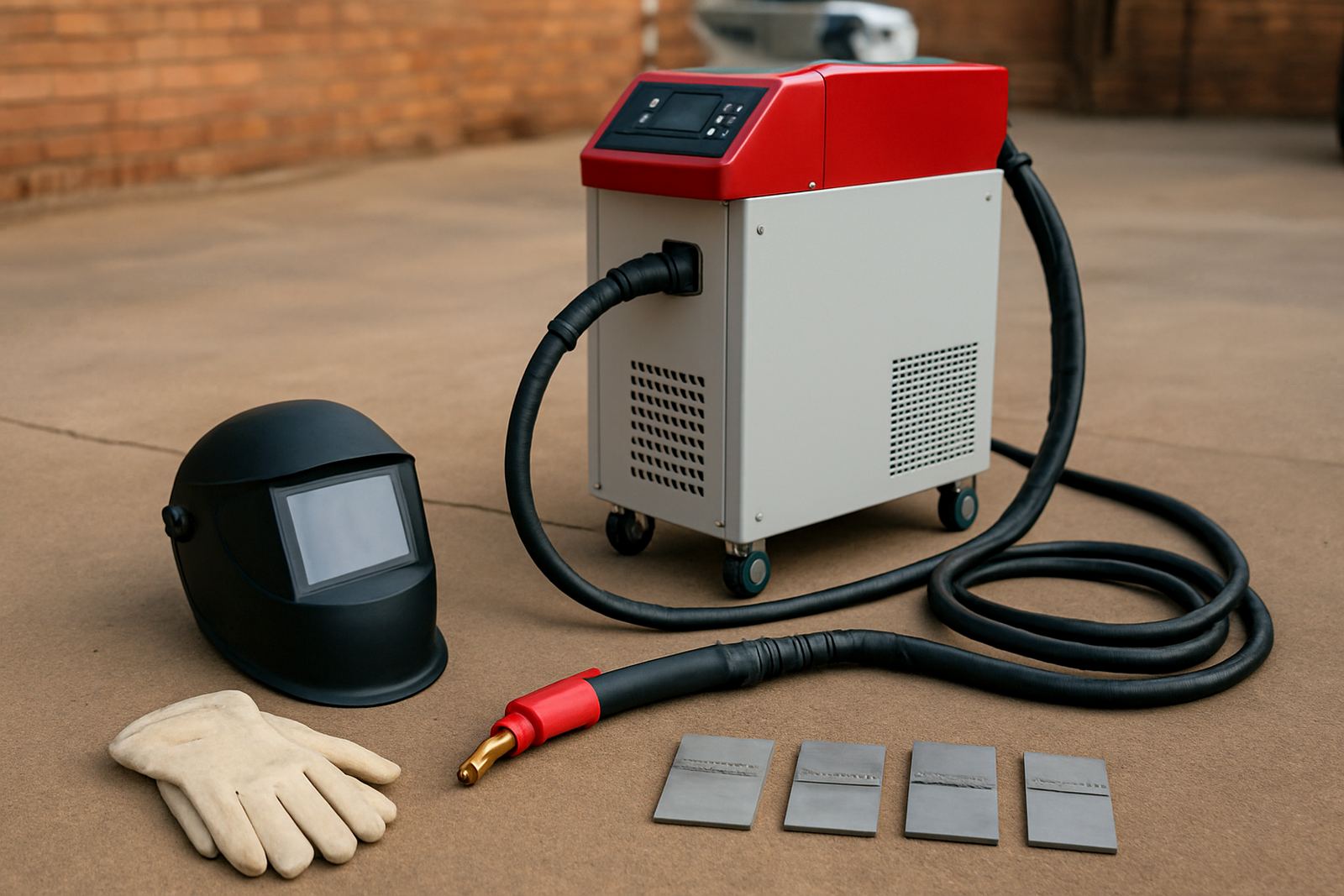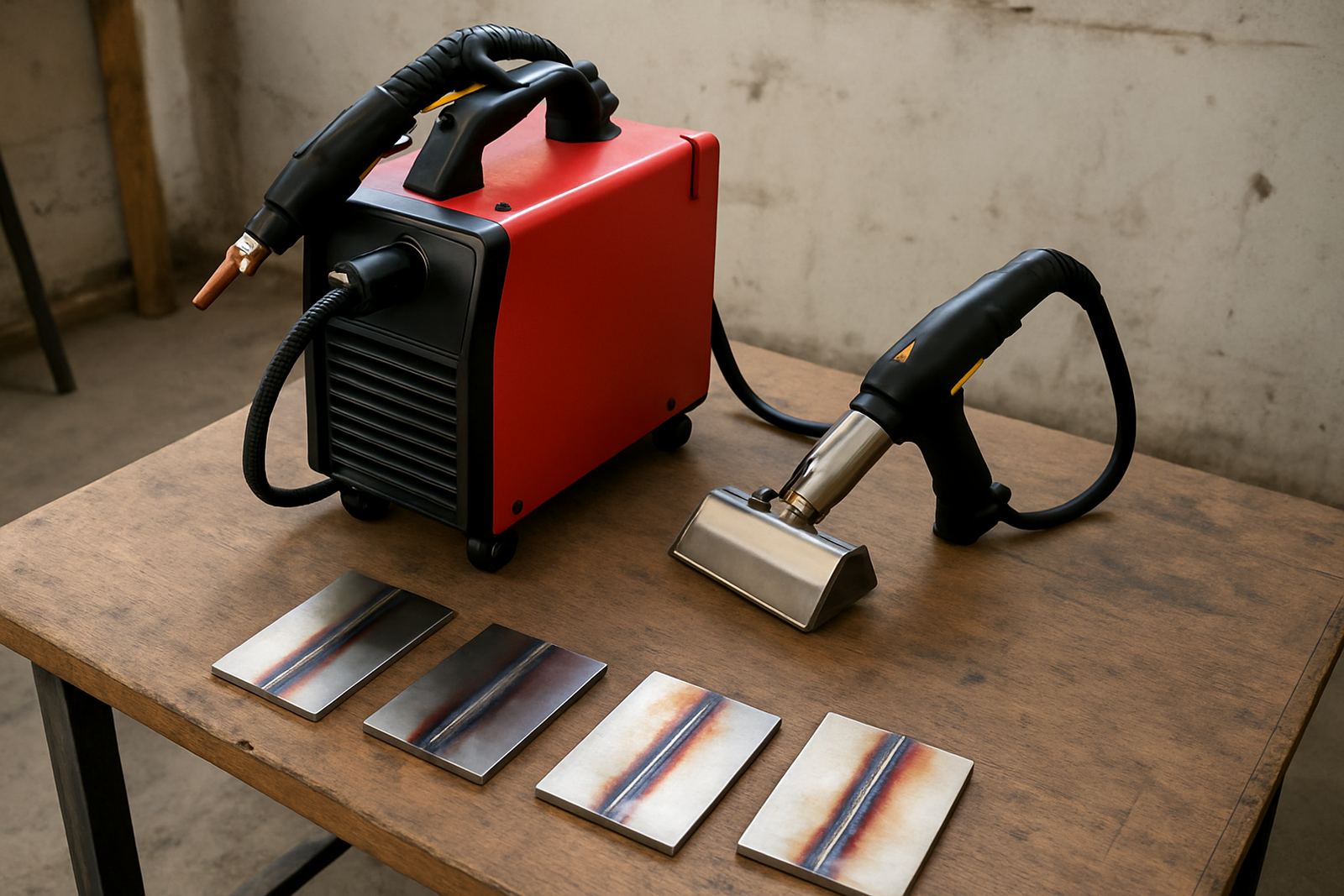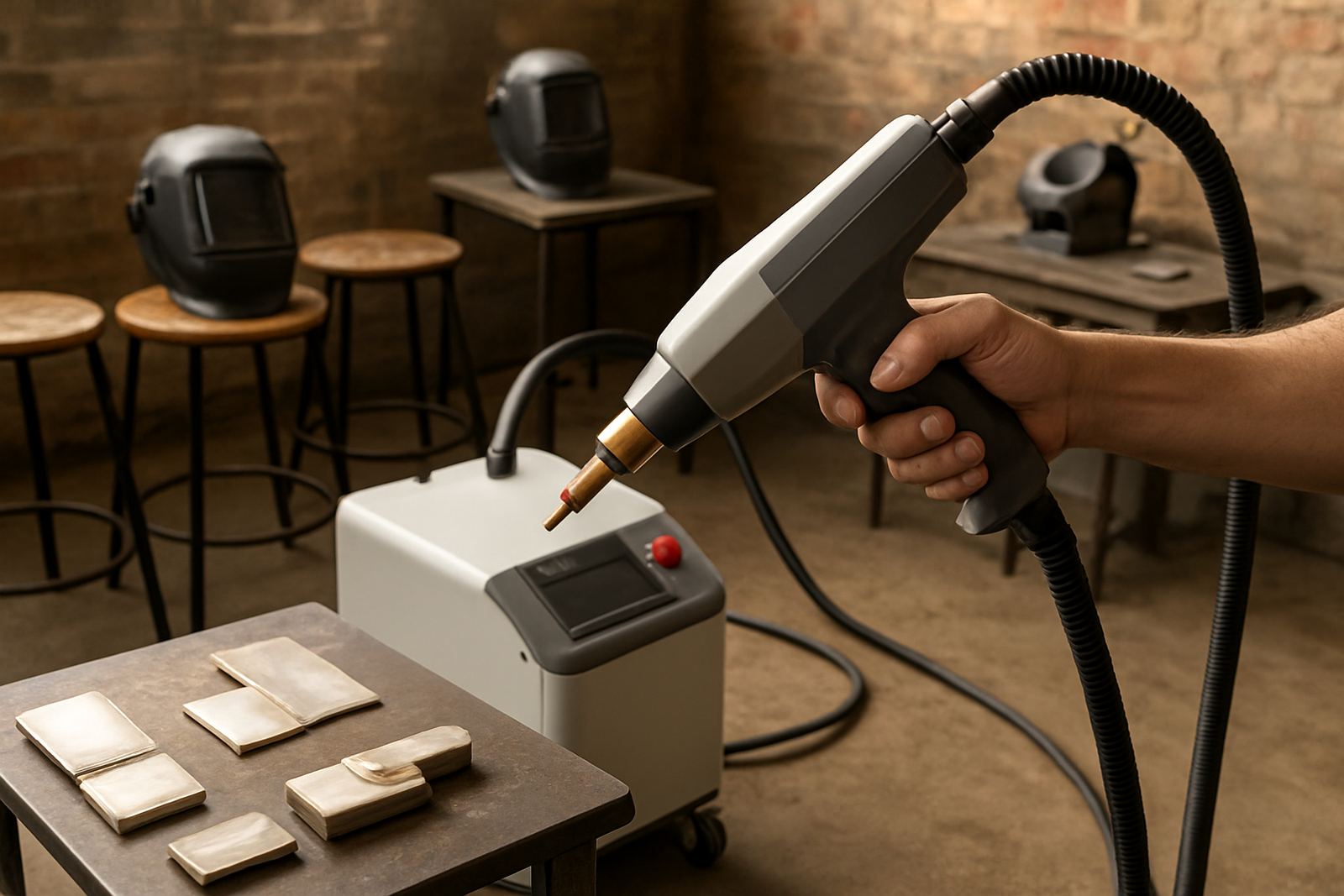

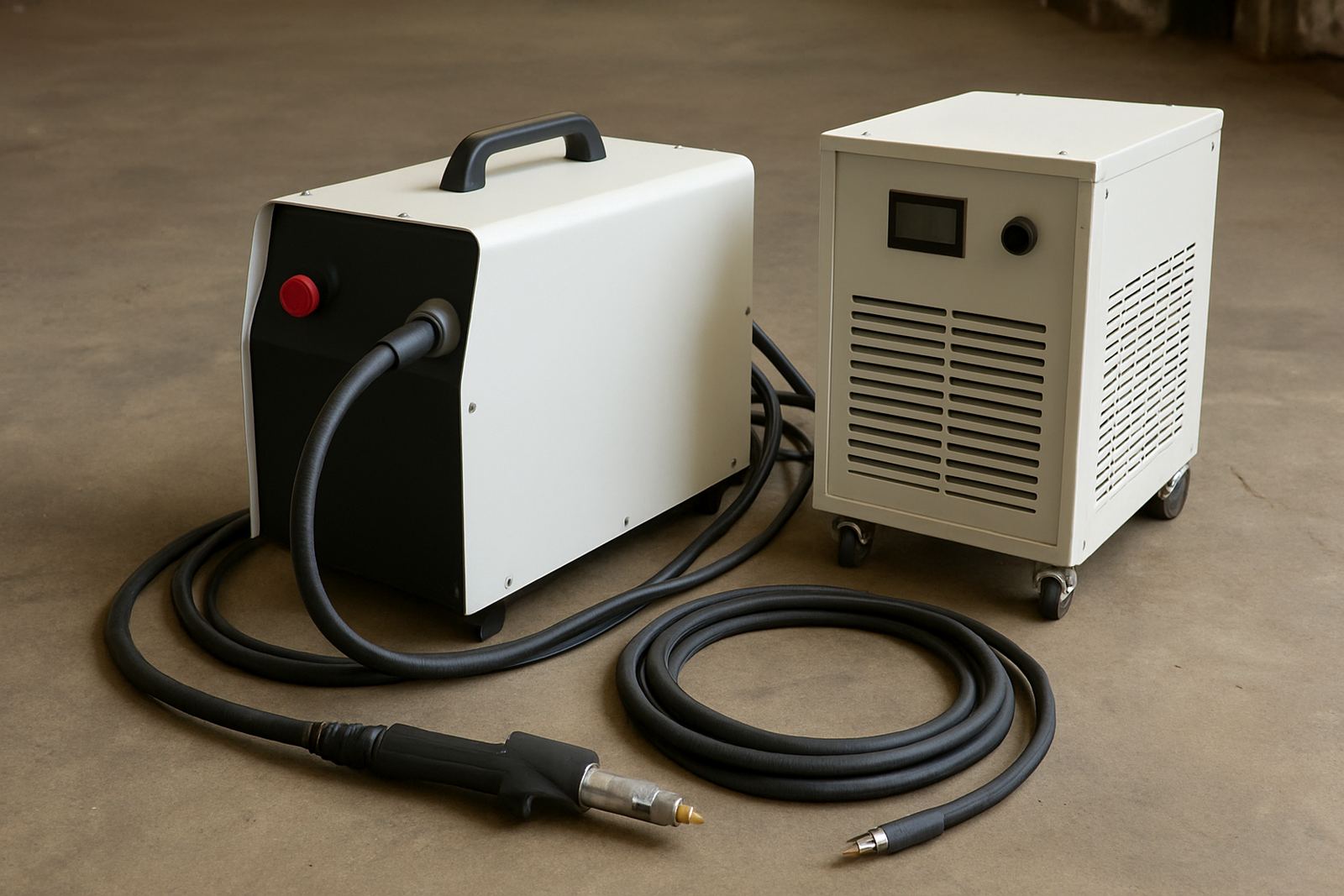
What the 2000W handheld welder is built to do
This machine is made for stainless steel fabricators who need a faster way to join sheet, tube, brackets, tanks and frames while keeping the weld neat enough to cut down on grinding. The 2000W output gives a useful balance between power and control, so you can run quick seam work on lighter material or push deeper on thicker sections when the job calls for it. For many shops in Spartan, Jet Park and Germiston, that means less rework and better output from the same team.
It is a handheld fibre laser system, so the operator guides the weld head directly along the joint. That makes it easier to work on long runs, awkward corners and assemblies that are too bulky to move around the shop. Compared with conventional methods, the heat affected zone is smaller, the finish is cleaner and distortion is easier to manage on finished stainless jobs.
For production work, the real value is consistency. Once the correct settings are set for the material, the welds stay repeatable from one operator to the next with less reliance on heavy post weld finishing. On busy weeks, that helps keep orders moving even when load-shedding and tight delivery times put pressure on the floor.
Common jobs and workshop sizes it suits
This 2000W model is well suited to stainless steel fabricators working in small custom shops, medium production environments and larger manufacturing lines. It handles stainless sheet, tube, box section, splashbacks, food grade fittings, cabinet frames, railings and light pressure vessels where a clean, controlled weld is needed. It is also a strong choice for subcontractors doing mixed work for kitchens, breweries, signage, balustrading and general fabrication.
Because it travels quickly, it suits work where labour time is the main cost. If your team spends too much time on grinding and dressing welds, this machine can make a measurable difference to turnaround. It also helps where consistency matters across multiple operators, since the setup is repeatable once the correct process is established.
- Stainless steel fabrication shops
- Food and beverage equipment makers
- Architectural stainless work
- Custom metalwork and repair teams
- Short run production and repeat orders
It is a good fit for shops that want to improve output without changing their whole workflow. The machine can be introduced into existing production with limited disruption, and once the team is trained it can sit alongside existing welding stations for specific stainless jobs.
Power, gas and installation needs on site
Most workshops will want to plan the electrical supply before the machine arrives. A stable 220V single-phase supply is commonly used, but the actual site requirements should always be checked against the installation spec and the workshop load. If you are running compressors, extraction and other plant on the same supply, it is worth confirming that the circuit can handle the draw without nuisance trips. In many South African shops, this is where load-shedding backups and older distribution boards need a proper look first.
For gas, the machine is generally used with shielding gas suitable for stainless steel welding, with a clean dry supply and the right regulator setup. Gas flow should be set for the joint and nozzle being used, because too little gas can affect the finish while too much can waste gas and disturb the weld pool. A clean, dry gas line matters more than people think, especially in coastal areas where humidity can creep into storage and lines.
Installation is usually straightforward, but it should still be done carefully so the torch, feeder path, cooling system and earth return are all set up correctly. Our team can assist with commissioning in Spartan, Kempton Park and at fabrication shops across the country, then follow through with training so the machine is ready for production not just switched on.
- Check your mains supply and breaker capacity first
- Use clean dry shielding gas with the right regulator
- Allow space for cable routing and operator movement
- Keep the work area dry and free of oil, dust and grinding debris
Control, sizes and options to ask about
When ordering, it helps to think beyond the power rating alone. The welding head, cable length, cooling arrangement and nozzle set all affect how the machine performs in your shop. A longer cable can help on large fabrication tables or when moving around bulky assemblies, while a compact setup may be easier in tight production spaces. If your work includes both flat plate and tubular stainless, you should ask which handpiece configuration is best for that mix.
There are also process options to confirm before purchase. Some shops need a standard stainless setup for general joining, while others need more control for thinner gauge material or for jobs where the bead profile must be especially neat. If your team works on food grade items, ask about the settings that support cleaner, lower spatter welds and easier finishing.
It is also worth checking what is supplied with the machine from the start, since this affects how quickly you can put it into service. The right package should support the actual work being done in the shop, not just look good on paper.
- Handheld welding head type and cable length
- Cooling system arrangement
- Nozzle and consumable set
- Recommended gas setup for stainless steel
- Training and commissioning support
- Spare parts and service access
Keeping the machine productive over time
Like any workshop machine, the 2000W handheld welder gives the best return when it is cleaned, checked and serviced on schedule. Keep the lenses, nozzles and handpiece area free of dust and metallic debris, and make sure the cooling system and gas lines are working as they should. Small contamination issues can show up quickly in the weld finish, so simple daily checks are worth the time.
Operators should also be trained to recognise changes in sound, bead appearance and travel feel. If the weld suddenly needs more clean up or the machine starts running hot, that is usually a sign something needs attention. Preventive maintenance is cheaper than breakdown response, and it keeps the machine available when orders are due.
We support workshops with refresher training, remote help, breakdown response and spares supply, including after the initial rollout. For shops running multiple shifts or planning production increases, process optimisation and scheduled maintenance can make a real difference to output. It saves time, and it keeps the weld quality stable.
What to verify before you submit your order
Before ordering, make sure the machine matches the type of stainless work you do most often. A 2000W unit is a strong all rounder, but it still needs the right joint prep, operator technique and gas setup to perform properly. If your work includes very thin sheet, heavy sections or unusual joints, it is better to confirm the material range first so the machine suits the job from day one.
It is also smart to confirm your workshop layout and power availability. If the machine will move between benches, check whether you need a longer cable or a different trolley arrangement. If your site has uneven power or backup generation, that should be discussed before commissioning so there are no surprises later. A quick check now can save a lot of frustration once production starts.
If you are ordering for a production team, ask about operator training and the number of people who will use the machine. One operator may pick it up quickly, but a larger crew needs a consistent setup and clear process notes. That is the difference between a machine that sits idle and one that earns its keep.
Key facts
| Output power | 2000W fibre laser |
|---|---|
| Input power | 220V single-phase, site dependent |
| Welding mode | Handheld fibre laser welding |
| Typical material | Stainless steel sheet, tube and section |
| Cooling | Water-cooled system |
| Travel speed | Fast travel speeds with strong penetration on common stainless jobs |