What the 3000W handheld welder is used for
This model is the higher output option in the handheld range, made for fabricators who are moving beyond light sheet work and into thicker stainless sections, longer runs and more demanding assemblies. It gives you focused heat at the torch head, so you can keep control on seams, corners and joints that would take longer with conventional manual welding.
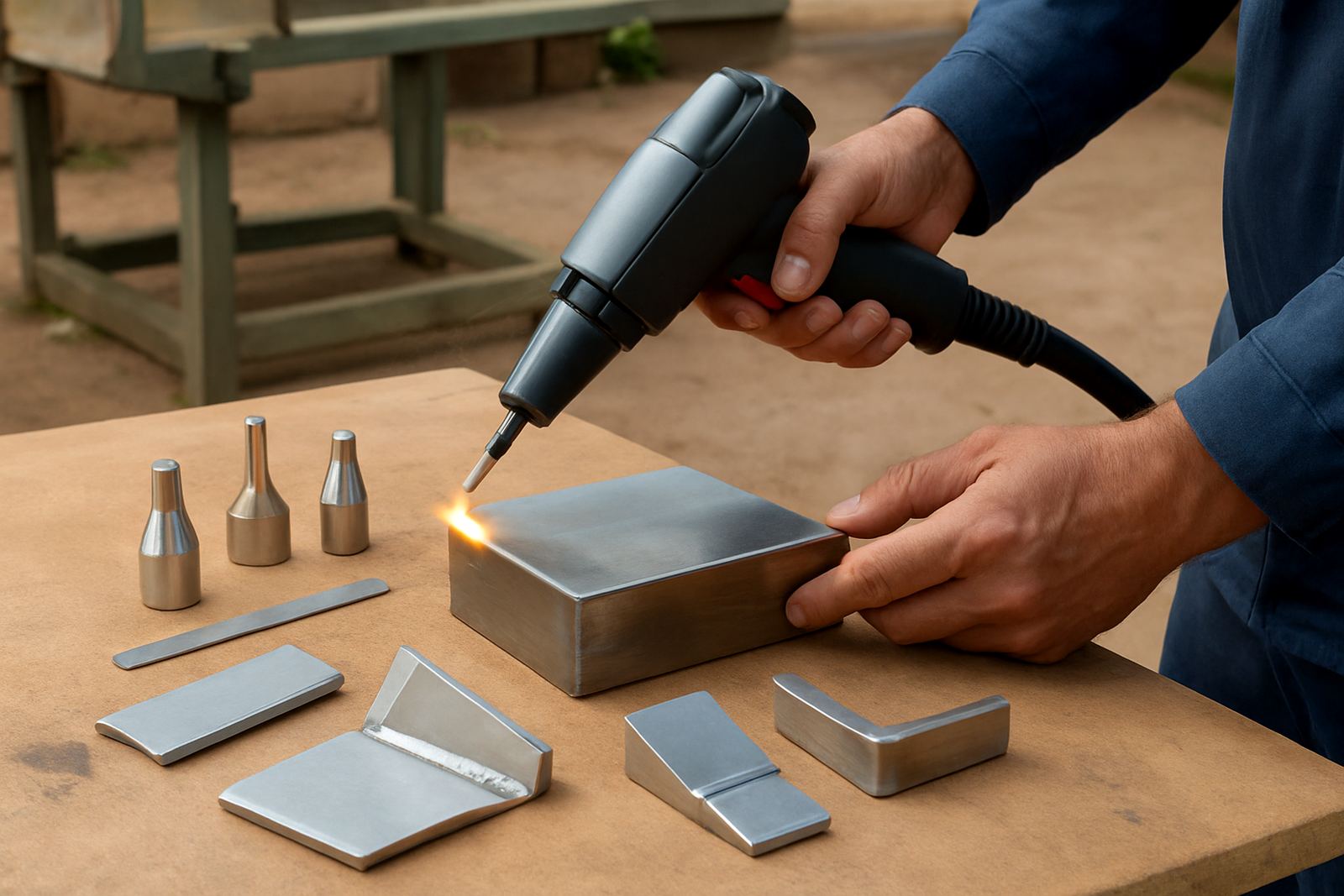
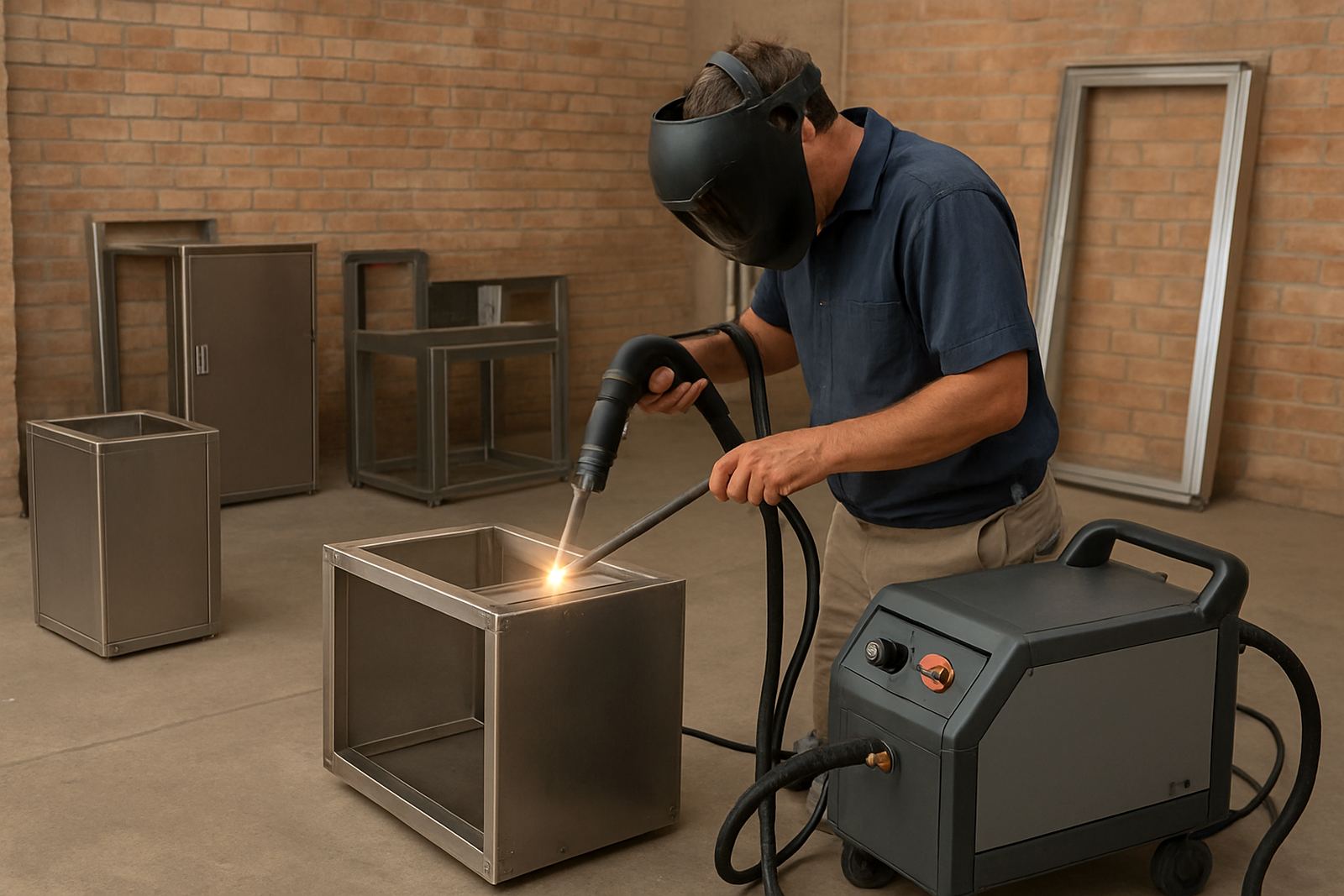
In practice, it suits stainless steel tanks, frames, guards, conveyors, food processing components, architectural metalwork and general fabrication where the job mix changes from one day to the next. Because the beam is concentrated, the weld zone is smaller and cleanup is usually quicker, which helps when you are trying to keep production moving in a small workshop or a plant with tight deadlines.
- Designed for stainless steel fabrication and production work
- Useful for heavier sections and longer continuous welds
- Helps reduce distortion on visible parts and thin adjacent areas
- Good fit for shops in Spartan, Kempton Park, Isando and wider Gauteng production lines
Power, output and welding capability
The 3000W unit is selected when 1500W or 2000W machines are no longer enough for the section thickness, travel speed or volume of work on the floor. It is a practical option for fabricators who want more headroom on thicker material and who need stable output over long shifts, especially where load-shedding planning already affects your production schedule.
Depending on the material prep, joint fit-up and operator setup, this machine is commonly used on stainless sections from thinner sheet right up to heavier plate and structural fabrication. As with any laser welding process, the result depends on clean edges, proper clamping and the correct parameter set for the job. A good test weld is the safest way to confirm whether the material, joint gap and travel speed are right.
- Higher output for demanding fabrication work
- Better suited to continuous production than occasional repair work
- Can help maintain speed on repeat jobs with consistent joint prep
- Useful where output consistency matters more than switching between many processes
Workshop fit, sizes and practical options
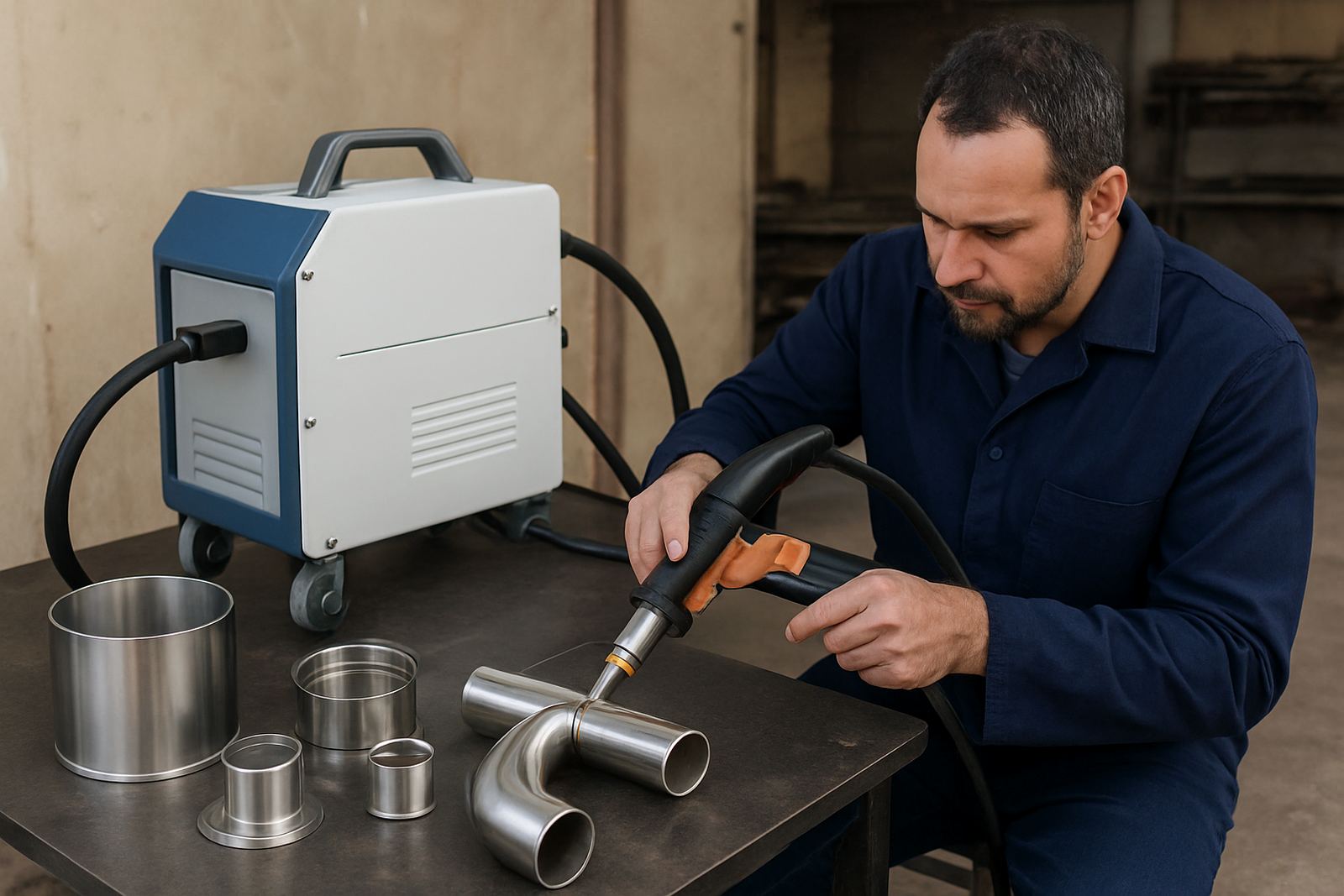
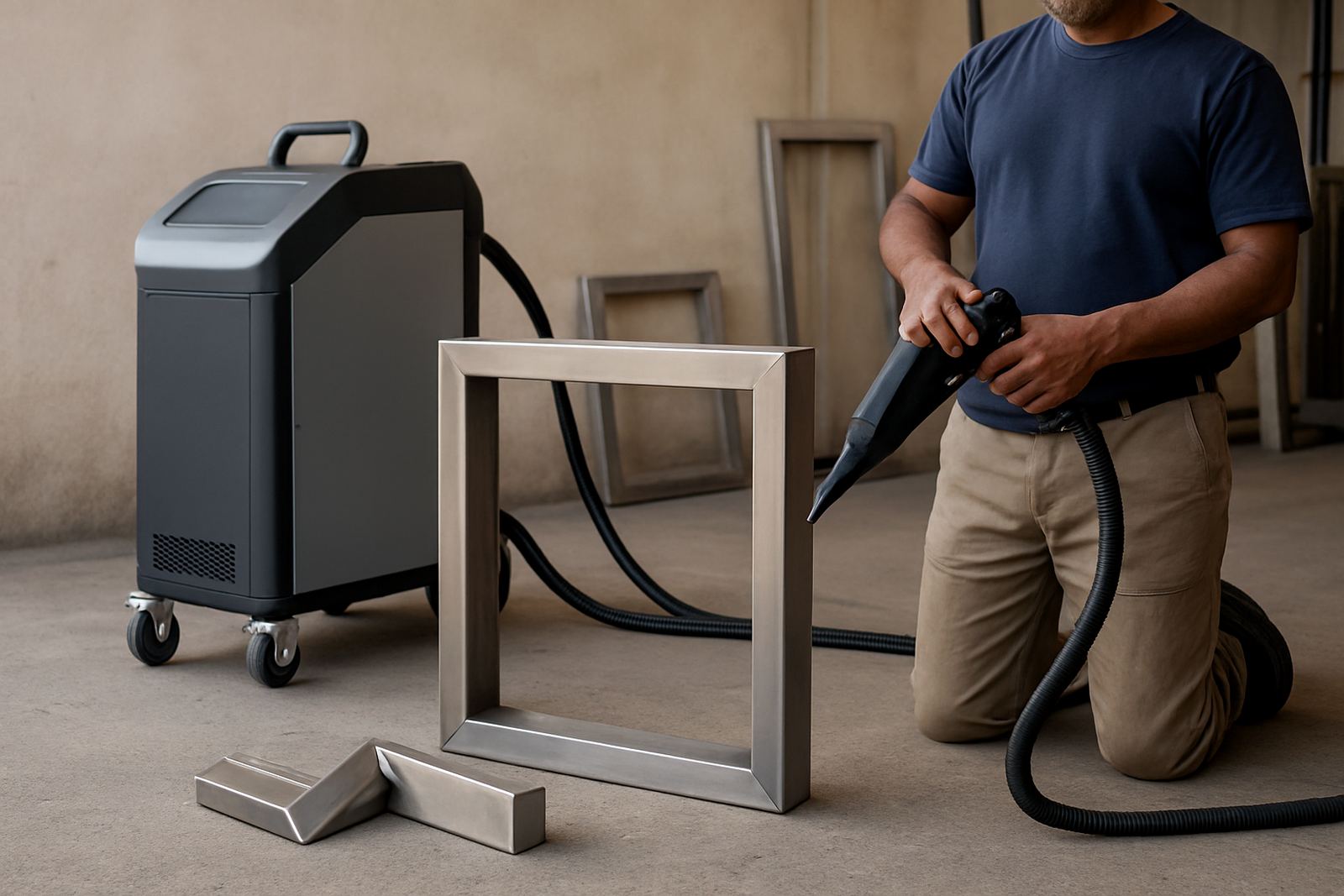
Most workshops ask first about footprint, torch handling and whether the machine can be moved between bays. The main cabinet takes floor space similar to other industrial welding systems, while the handheld torch allows the operator to work at benches, jigs or larger fabrications without moving the job around more than necessary. In a smaller shop, that can save time, and the setup is still suitable for larger manufacturing environments where repeatability matters.
Options can vary depending on the application and the type of work you are planning. The right package depends on your stainless grade, part size, thickness range and how many operators will use the machine. If you are running multiple shifts or covering different sites, it is worth matching the unit to the real production load rather than only the heaviest job on the list.
- Suitable for bench work, jig work and larger fabricated assemblies
- Can be matched to different torch cable lengths and accessory needs
- Works well in workshops with dedicated stainless steel bays
- Useful for production cells, fabrication shops and plant maintenance teams
Installation, power and gas requirements
Before delivery, check your electrical supply, floor space and ventilation. A 3000W laser welder needs a proper industrial power supply and stable site conditions, with enough room for safe operator movement and cable routing. If your workshop already deals with fluctuating supply during load-shedding, it is important to plan for your backup power arrangement before commissioning the machine.
For welding performance, the shielding gas setup must also be correct. Clean, dry gas helps protect the weld zone and keeps the bead consistent. In coastal areas like Durban or parts of the Eastern Cape, moisture control becomes even more important because damp gas lines and humid storage can affect finish quality. Keep gas bottles secured, lines checked and hoses protected from damage, and make sure the area is free of dust and grinding residue.
- Confirm power supply, breaker capacity and cable routing before installation
- Provide clean shielding gas and dry lines for steady weld quality
- Allow space for ventilation, safe access and machine movement
- Plan for generator or backup power if your site experiences outages
Care, servicing and operator habits
Like any production tool, the machine works best when the operator keeps it clean and the site stays organised. Dust, metal fines and poor storage can shorten service intervals and cause avoidable faults. After each shift, check the torch head, cables, gas supply and connectors, and make sure the work area is tidy before shutting down. It sounds simple, but it saves time later and prevents avoidable downtime.
Our team assists with commissioning, operator training, process optimisation, preventive maintenance, breakdown response and refresher training. For workshops with new staff or changing production targets, that support helps keep the welding process consistent instead of relying on one experienced person to carry everything. Small habits, done daily, usually make the biggest difference.
- Keep the torch, lenses and cable runs clean and protected
- Use preventive maintenance to avoid unplanned stoppages
- Schedule refresher training when operators change or jobs change
- Ask for process optimisation if your welds need better speed or finish
What to check before you order
It helps to know your material, thickness range and production targets before you place an order. The better the information, the easier it is to match the machine to your work. If you are unsure, bring a sample part, drawing or old weldment for a test and we can look at the joint, fit-up and expected cycle time.
Useful details include the stainless grade, typical thickness, whether you are doing long seams or short assemblies, and if the machine will be used by one operator or several. Also tell us whether your work is mainly shop based or whether you need rollout support across multiple sites. That affects commissioning, training and how quickly your team can start using the unit confidently.
- Material type and thickness range
- Daily output target and typical joint type
- Available power supply and backup power plan
- Gas setup, workshop space and operator experience level
Support from Spartan, Kempton Park and nationwide
Laser-Welder is based in Spartan, Kempton Park and supports fabricators across South Africa with demos, training and after-sales assistance. We work with shops in Kempton Park, Isando, Jet Park, Edenvale, Germiston, Boksburg and Alberton, and we also travel to fabrication shops nationwide for demonstrations and welding training.
If you need the machine commissioned on site, a refresher session for your team, or help with a production issue, our service process is practical and direct. The aim is to get your machine working the way your shop needs it to work, and to keep it there.
- Shop demonstrations available at selected Ekurhuleni areas
- Nationwide demos and welder training at fabrication shops
- Support for commissioning, spares and consumables
- Remote help and breakdown response available when needed
Key facts
| Model | 3000W handheld fibre laser welder |
|---|---|
| Power output | 3000W |
| Application | Stainless steel fabrication and production welding |
| Use type | Handheld torch operation for workshop and plant work |
| Typical setup needs | Industrial power supply, shielding gas, ventilation and safe operator space |
| Support | Commissioning, training, maintenance, demos and breakdown response |