What the Dual Purpose Welder does on the shop floor
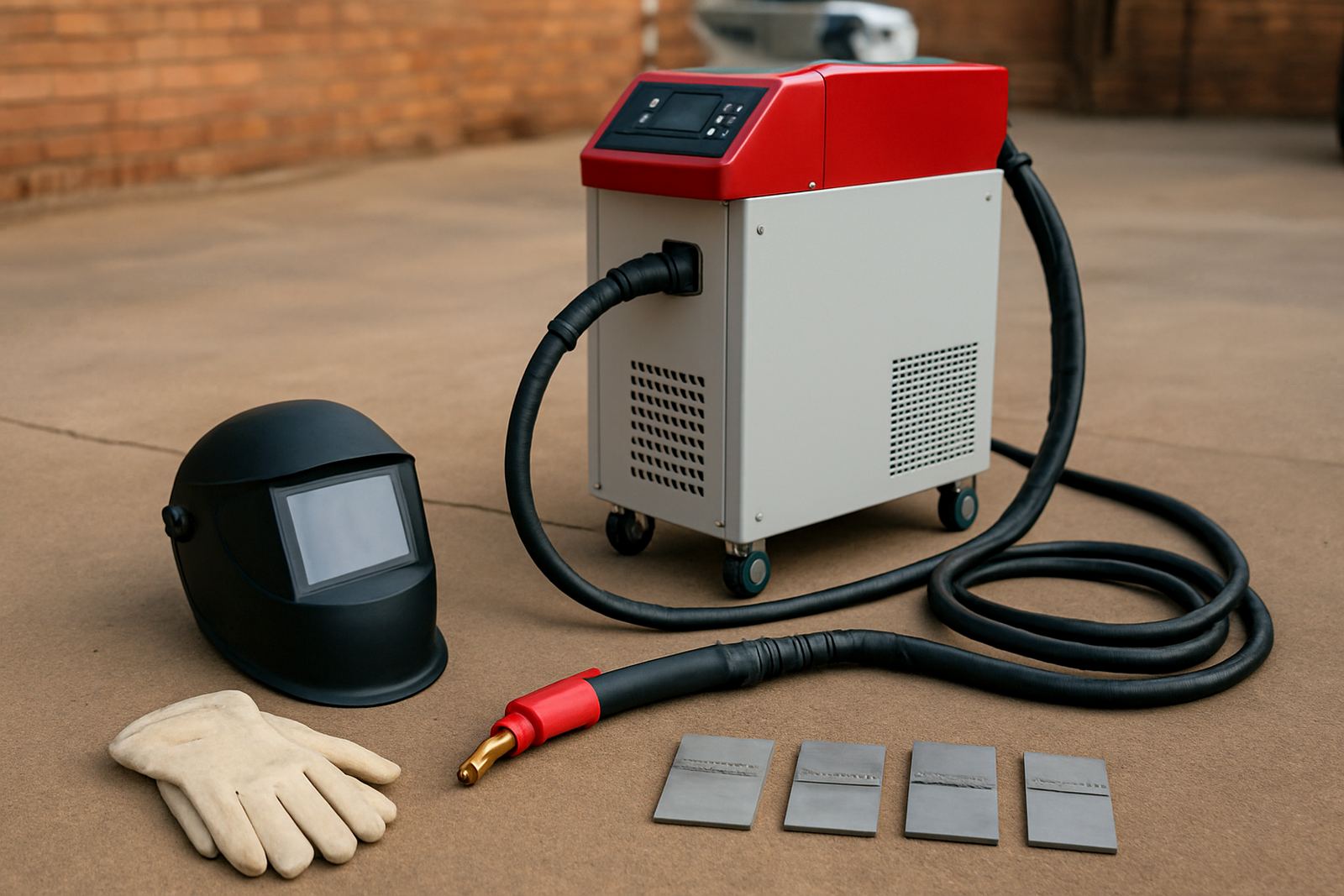
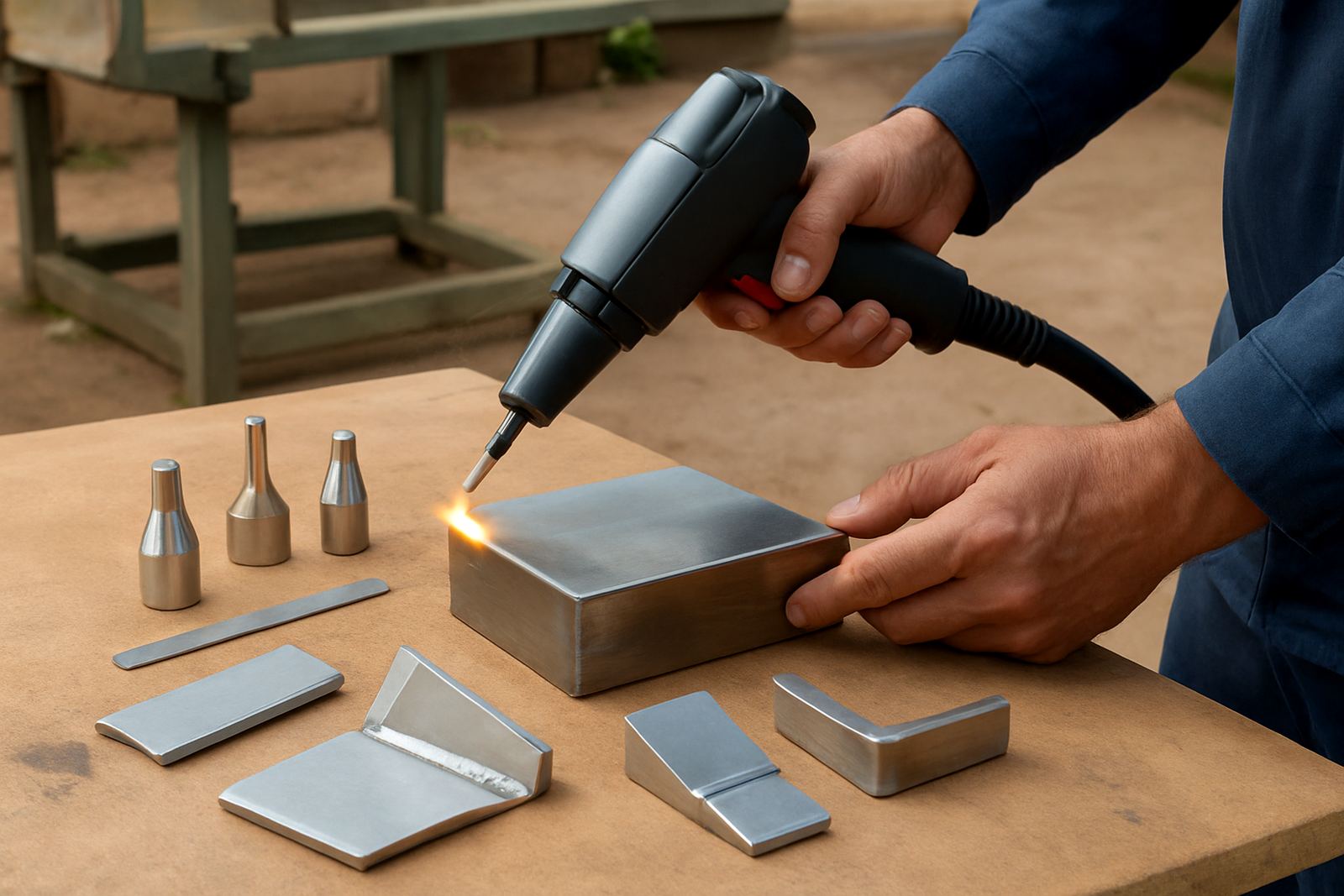
This machine is set up for stainless steel fabrication where one operator may need to move from fine sheet work to heavier assembly without changing the whole process. In practice, that means precise handheld fibre laser welding with a second working mode for faster joint build up, small repairs or seam touch-ups, depending on the configuration supplied. It is a good fit for kitchen equipment, tank work, handrails, catering items, ducting and general stainless assemblies where appearance matters as much as strength.
For many shops around Spartan, Kempton Park, Isando and Jet Park, the main benefit is control. The heat input is low, weld distortion stays down, and the bead is usually cleaner than with conventional methods on thin material. That helps reduce grinding, polishing and straightening later on. It also makes it easier for trained operators to produce repeatable results on small batches, not just long production runs. That said, correct fit-up still matters, because a laser welder wont fix poor prep.
Sizes and output options available
Dual purpose units are typically supplied in different power ratings so the machine can be matched to the steel thickness and daily workload. For lighter fabrication and repair work, a lower power setup is enough for thin stainless sheet and fast tacking. For more demanding production, a higher output unit gives more reach on thicker sections and better travel speed. The right choice depends on the metals you use, joint type, and whether you work mostly on single parts or repeated production jobs.
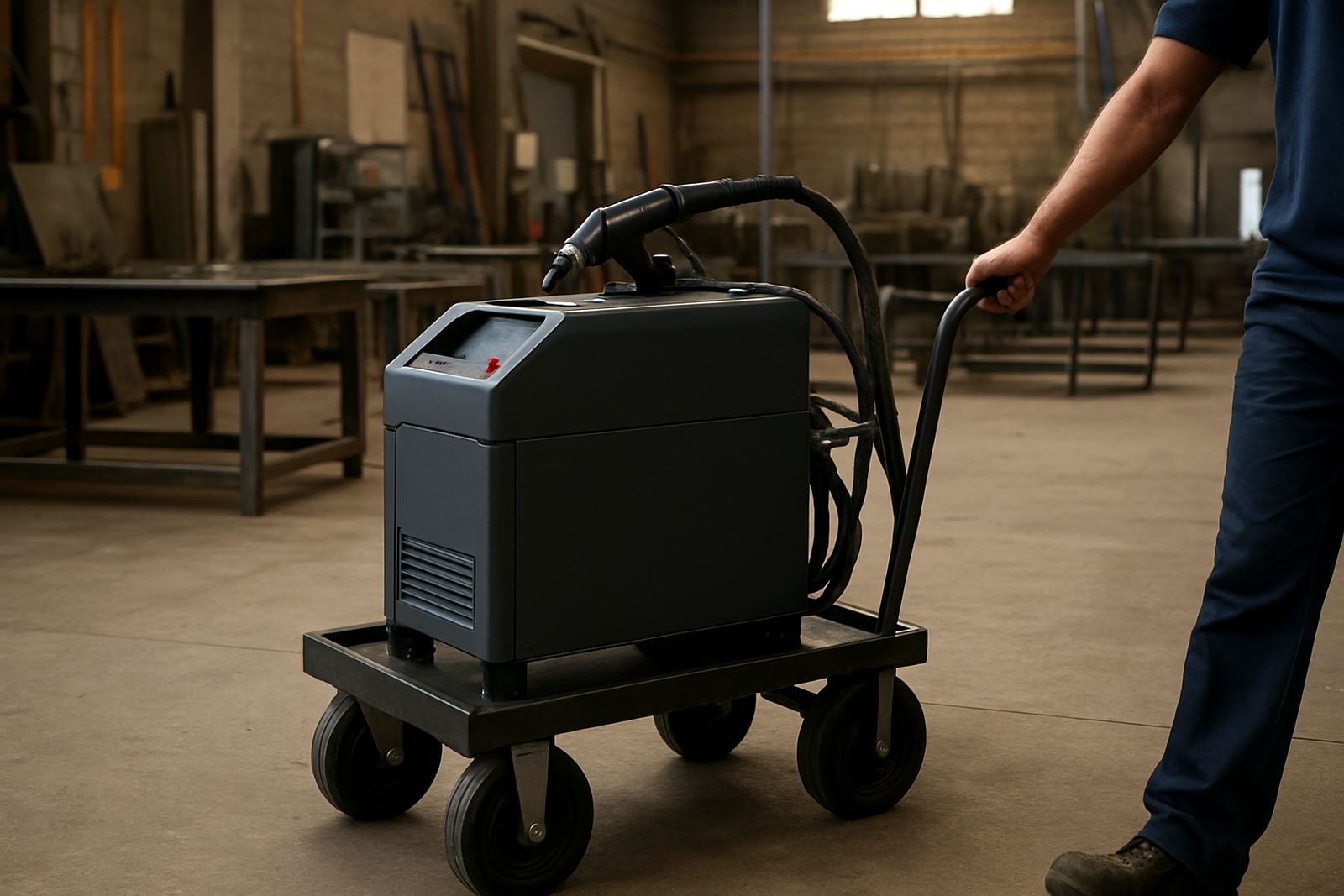
Common options include different power levels, wire feed control, torch cable lengths and cooling arrangements. Some workshops need a compact machine for limited floor space, while others need a larger setup that can run longer shifts in warmer conditions. If your workshop is in Gauteng and you run long hours with frequent power interruptions, it is worth planning for clean mains supply, proper earthing and stable ventilation. A site visit or demo at your premises helps narrow the choice quickly.
- Power ranges suited to light, medium and heavier stainless fabrication
- Manual handheld torch with adjustable weld settings
- Optional wire feed for build up and faster seam work
- Air or water assisted cooling, depending on duty cycle
- Variable cable lengths for small bays or larger production lines
Where it suits best in South African fabrication
This type of welder is well suited to stainless shops that want cleaner welds on visible parts and faster turnaround on repeat jobs. It is especially useful where finished appearance is important, such as food related equipment, architectural stainless, balustrading, sinks, trays and enclosures. The process also helps when you need to work in a tidy workshop with less heat affected marking on polished sheet or brushed surfaces.
Many fabricators in Ekurhuleni deal with mixed batches, rush orders and site work, so one machine that can handle a few different tasks is practical. It also helps when skilled labour is tight. With proper operator training, a good setup can reduce the learning curve compared with older methods. If your team works across Spartan, Germiston, Alberton, Boksburg or Edenvale, demoing the machine at your shop makes it easier to judge fit-up speed, bead quality and how the torch feels in real use.
- Stainless steel fabrication and repairs
- Light production and medium production runs
- Small workshops with limited floor space
- Sites where clean finish and low distortion are important
- Workshops wanting quicker training for operators
Installation, power and gas requirements
Installation should always be planned around the workshop supply, ventilation and operator workflow. Most units require a stable single or three phase electrical supply depending on the model, with correct circuit protection and earthing. If your site has load shedding, speak to us about what level of backup support is realistic for your output targets. A generator or inverter setup may be possible, but it must be sized correctly and checked for start up load, not just running load.
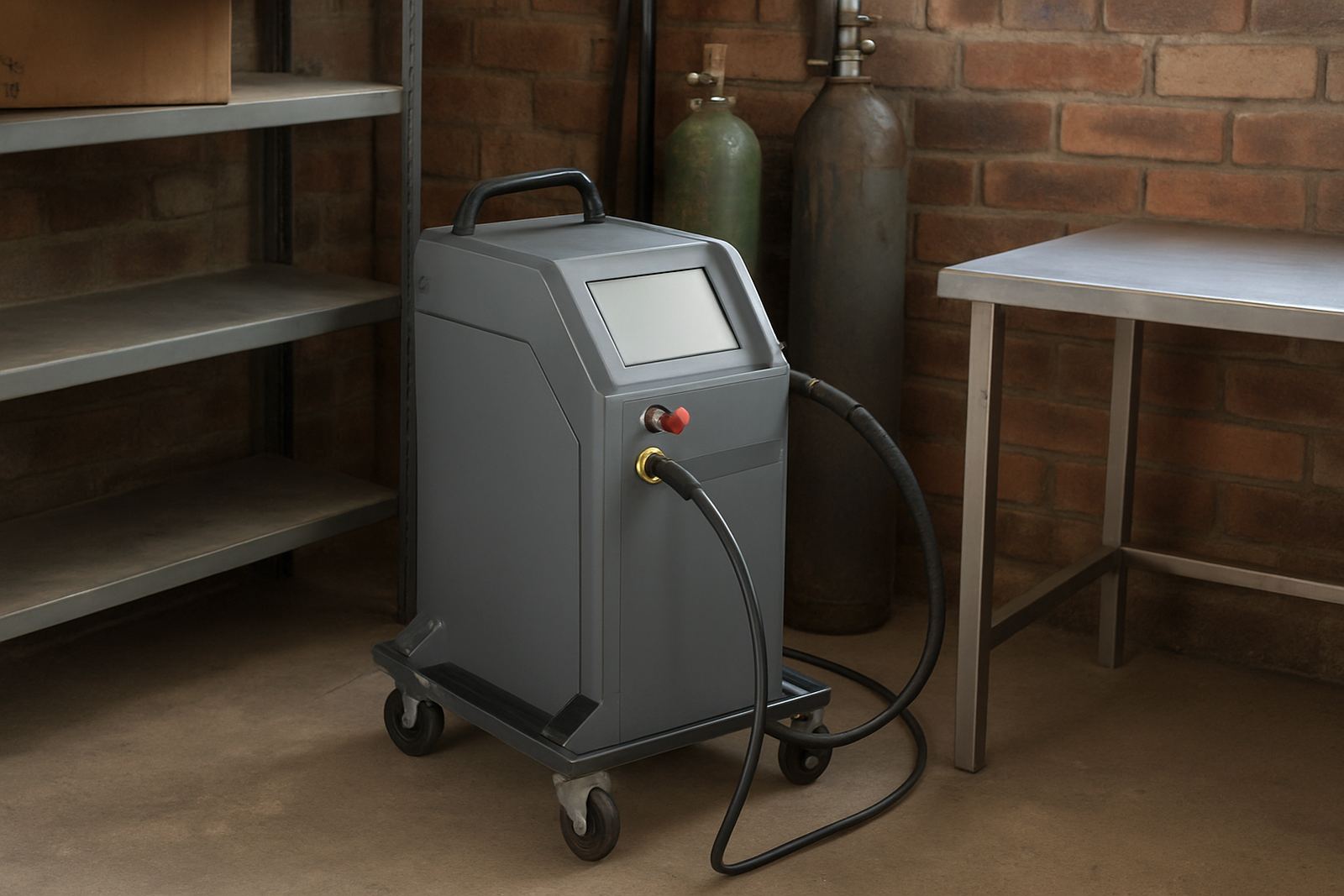
Gas needs depend on the process and material finish required. Stainless work normally needs a clean shielding gas supply set to the correct flow rate for the joint and nozzle size. Poor gas supply can leave the weld dull or contaminated. On commissioning, we check the setup, torch condition, wire feed, parameters and test welds before production starts. That gives you a safer handover and fewer surprises after the machine is moved into place.
- Correct mains supply and protection must be confirmed before delivery
- Stable shielding gas supply with suitable regulator and hose set
- Ventilation suitable for stainless fumes and heat extraction
- Level floor space for the power unit, torch lead and consumables
- Operator access for safe loading, cleaning and inspection
Care, servicing and workshop upkeep
Routine care is simple, but it should not be skipped. Keep the torch clean, check the nozzle and protective glass where fitted, and make sure the wire path is free of dust and spatter. On stainless work, contamination from carbon steel brushes or dirty benches can spoil the finish, so dedicated cleaning tools are worth keeping aside. Cooling fans and filters also need regular inspection, particularly in workshops with grinding dust.
Preventive maintenance helps extend service life and keeps weld quality steady. We can assist with scheduled checks, breakdown response, remote help and refresher training where needed. If the machine starts to feel inconsistent, do not keep pushing through the shift and hope for the best. Small faults in wire feed, gas delivery or torch alignment can show up quickly in the weld. A quick service visit is usually cheaper than rework on a full order.
- Daily cleaning of torch, lens area and work zone
- Weekly inspection of cables, clamps and gas lines
- Regular filter checks in dusty fabrication areas
- Scheduled servicing for higher duty cycle workshops
- Use dedicated stainless tools to prevent cross contamination
What to confirm before you order
Before placing an order, be clear on the thickness range, the main metals you weld, and whether you need more speed or more fine control. It also helps to know if your team will use the machine for production only, or for production and repairs across the shop. The right torch type, cable length and cooling option depend on that answer. If you often weld mirror-finish parts, say so upfront because the parameter setup can be adjusted for cleaner cosmetic results.
Check the practical details too. Measure the available space, confirm the power supply, list the gas you already use and identify the most common joint types. If you want training, ask for it at commissioning rather than later when jobs are already due. Our team can arrange shop demonstrations and weld testing at Spartan, Kempton Park and at fabrication shops nationwide, so you can compare options on your own material before you commit.
- Material thickness range and daily workload
- Single use, multi use or production line application
- Available electrical supply and backup power plan
- Shielding gas type and regulator compatibility
- Need for training, commissioning and maintenance support
Key facts
| Product type | Handheld dual purpose fibre laser welder for stainless fabrication |
|---|---|
| Typical material range | 1 mm to 6 mm stainless steel, depending on joint and power option |
| Working modes | Precision weld mode plus secondary process mode for build up or faster seam work |
| Power options | Available in different output ratings to suit light, medium and heavier duty work |
| Installation needs | Stable electrical supply, shielding gas, ventilation and safe earthing |
| Support available | Commissioning, training, maintenance, breakdown response and remote help |