
What the Food Grade Welder is built to do
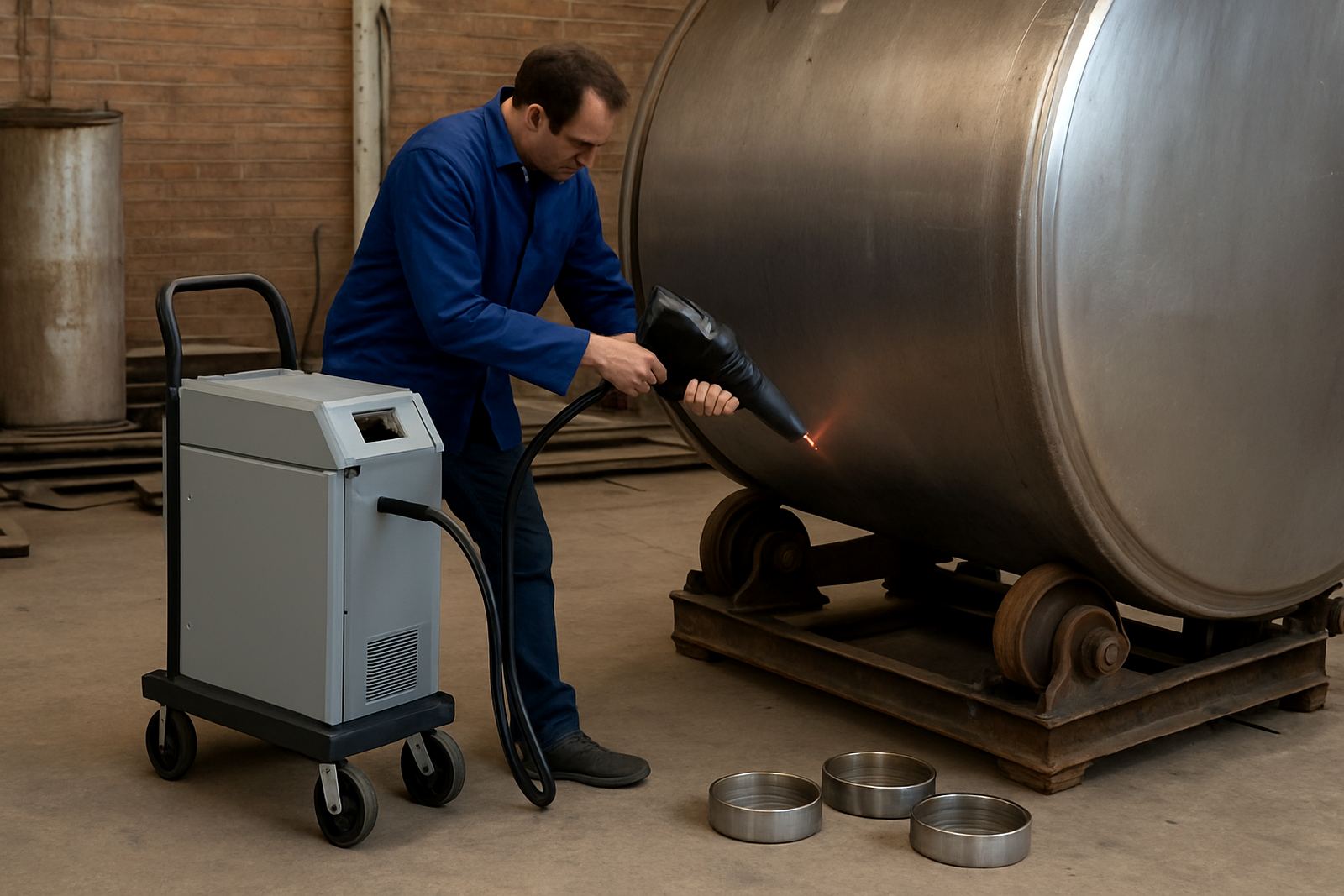
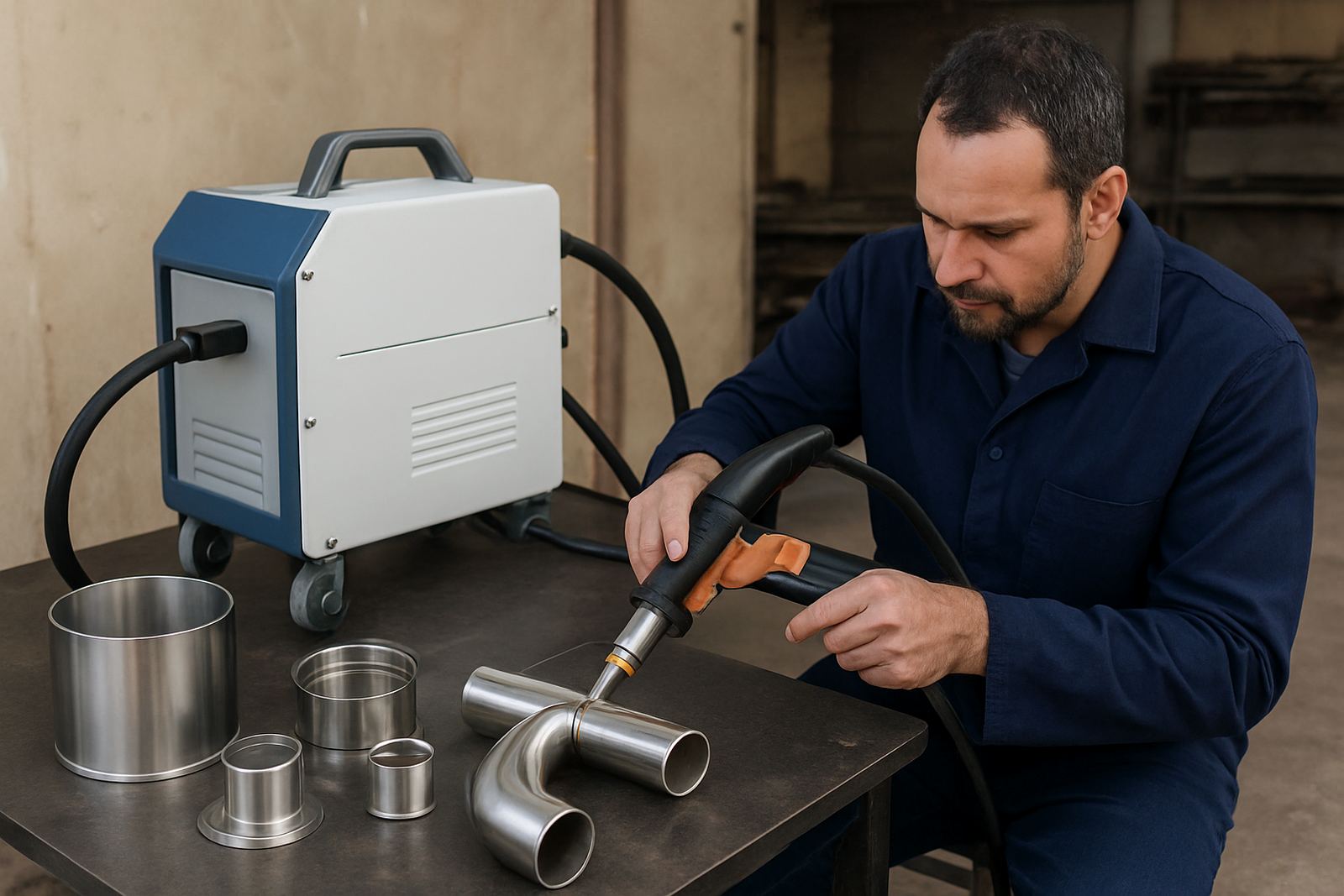
The Food Grade Welder is a handheld fibre laser welder selected for stainless steel work where appearance, hygiene, and repeatable joint quality matter. It is suited to fabricators making tanks, sinks, chutes, guards, frames, conveyor parts, mixing vessels, and general stainless assemblies for kitchens, dairies, abattoirs, bottling plants, bakeries, and packaging lines. The process gives a narrow heat affected zone and a tidy bead, which helps reduce post-weld grinding and keeps corners easier to clean.
Compared with older joining methods, the operator can move faster on thin to medium stainless sections and keep distortion under better control. That matters when parts must line up first time, especially on assemblies with close tolerances or visible finishes. It is not a magic fix for poor prep, but with the right setup it makes daily production more predictable.
- Best for stainless steel and other clean-finish metal fabrication
- Ideal where welds must be neat and easy to wash down
- Useful for repeat work, repair jobs, and small batch production
Sizes, output ranges, and handpiece options
Food grade work does not need one single machine size. The right option depends on material thickness, how many hours a day the machine will run, and whether the shop is doing fine detail or heavier section joining. In most South African fabrication shops, a 1.5 kW to 2 kW machine covers many hygienic stainless jobs, while 3 kW suits higher output and thicker material. For some applications, especially where speed matters, the higher power unit saves time across a full production day.
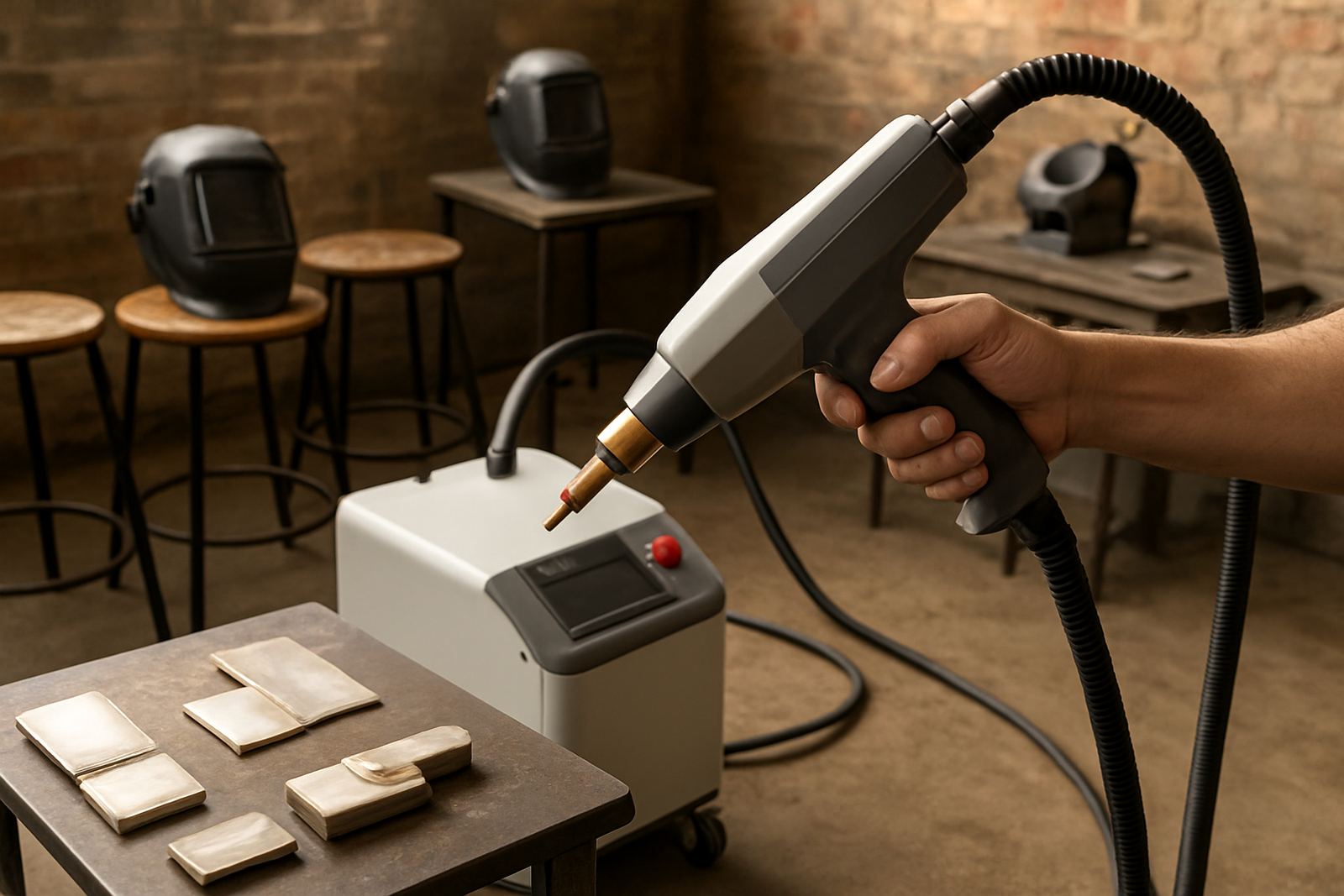
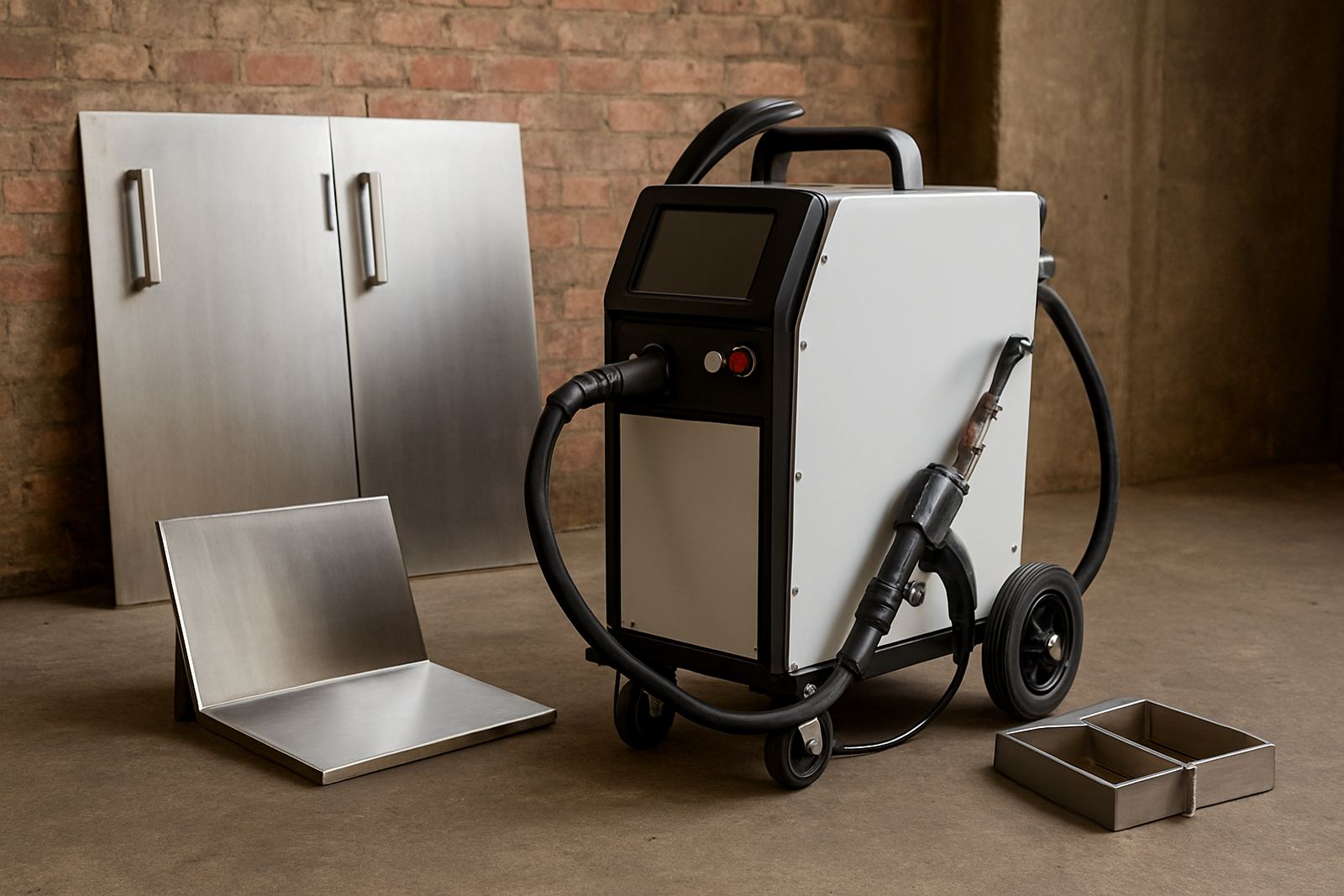
Handheld laser welders are normally supplied with a fibre delivery system, a water-cooled source, and interchangeable nozzles for different joint types. You can expect a compact welding gun, touch interface for setting output, and wire feed support where filler is needed. The exact package should match the work you do, not just the power rating.
- Typical output options: 1.5 kW, 2 kW, and 3 kW
- Suitable for sheet, tube, angle, formed parts, and light fabrication
- Wire feed can be added for joint gap control or build-up work
- Nozzles and lens protection should be matched to the application
Where food grade welding suits South African production
This machine suits workshops in Spartan, Kempton Park, Isando, Jet Park, Edenvale, Germiston, Boksburg, and Alberton, especially where stainless fabrication is part of the daily mix. It is also practical for site work at food factories, plant rooms, and equipment repair areas where moving a full welding cell is not convenient. Because the welding area stays compact, it is easier to work around finished items and reduce unnecessary rework.
It performs well on hygienic fittings and equipment that must be inspected often by customers or plant managers. That includes product contact surfaces, splash zones, tray work, frames under prep counters, and support structures where a cleaner finish is expected. In many cases, the reduced finishing time is as important as the weld itself.
- Food and beverage production equipment
- Dairy and cold-room stainless fitments
- Commercial kitchen fabrication
- Washdown areas and hygienic process lines
Power, gas, and installation requirements
Installation should be planned before the machine lands on the shop floor. Most handheld fibre laser welders need a stable electrical supply, proper earthing, clean dry compressed air, and cooling arranged according to the unit specification. For many shops, a dedicated circuit and a tidy power quality check make sense, particularly where load shedding, generator changeovers, or voltage dips are common.
The shielding gas choice depends on the job. Stainless work commonly uses argon or a suitable mixed gas depending on the weld detail and finish required. Gas flow must be set correctly or the bead can lose quality at the edges. Good fume extraction is also important, especially in enclosed workshops or where teams work close together. If the machine is being used on site, think about cable routes, trolley access, and how the cooling unit will be protected from dust and heat.
- Dedicated electrical supply recommended
- Stable earthing and correct breaker sizing are important
- Clean dry compressed air and correct gas flow help protect the weld
- Fume extraction should be planned for workshop safety
Care, servicing, and daily checks
Like any precision tool, this welder works best when it is kept clean and checked regularly. Lens protection, nozzle condition, cable handling, and cooling levels all affect performance. In coastal areas where humidity can be high, extra care is needed to prevent moisture issues on stored accessories and electrical connections. In busy inland workshops, dust build-up and metal offcuts are usually the bigger concern.
We support machine commissioning, operator training, preventive maintenance, breakdown response, remote help, and spares supply. That helps shops keep output steady and avoid waiting on avoidable faults. A short daily check before starting production is worth it, and it can save hours later on. If you have a new operator, refresher training is worthwhile too. One careless setup can spoil a good batch.
- Check lens protection and nozzle wear daily
- Keep cooling levels, filters, and cables in order
- Store consumables dry and away from grinding dust
- Schedule servicing before faults affect production
What to confirm before you order
Before placing an order, it helps to define the exact material range, joint types, and finish standard you need. If your shop works on thin food-grade sheet one day and heavier support frames the next, the machine spec and accessories should reflect that mix. Also confirm whether you need wire feed, extra nozzles, longer hose lengths, or a different power setup for your site.
It is worth checking who will operate the machine and how quickly they need to become productive. A shop with multiple welders may need production rollout support, while a small fabricator may only need one or two operators trained properly at the start. If you are ordering for a plant in Gauteng, KwaZulu-Natal, the Western Cape, or elsewhere nationwide, the same principle applies: match the unit to the work, not the other way around.
- Material thickness and stainless grade
- Expected daily output and shift length
- Need for wire feed, nozzle sets, or added accessories
- Electrical supply and cooling arrangement at your site
- Training, commissioning, and support requirements
Key facts
| Product type | Handheld fibre laser welder for hygienic stainless fabrication |
|---|---|
| Typical power options | 1.5 kW, 2 kW, 3 kW |
| Main material use | Stainless steel, with selected use on other clean-finish metals |
| Cooling | Water-cooled system |
| Input requirements | Dedicated electrical supply, shielding gas, and clean dry compressed air |
| Support available | Commissioning, training, maintenance, spares, remote help, and breakdown response |