
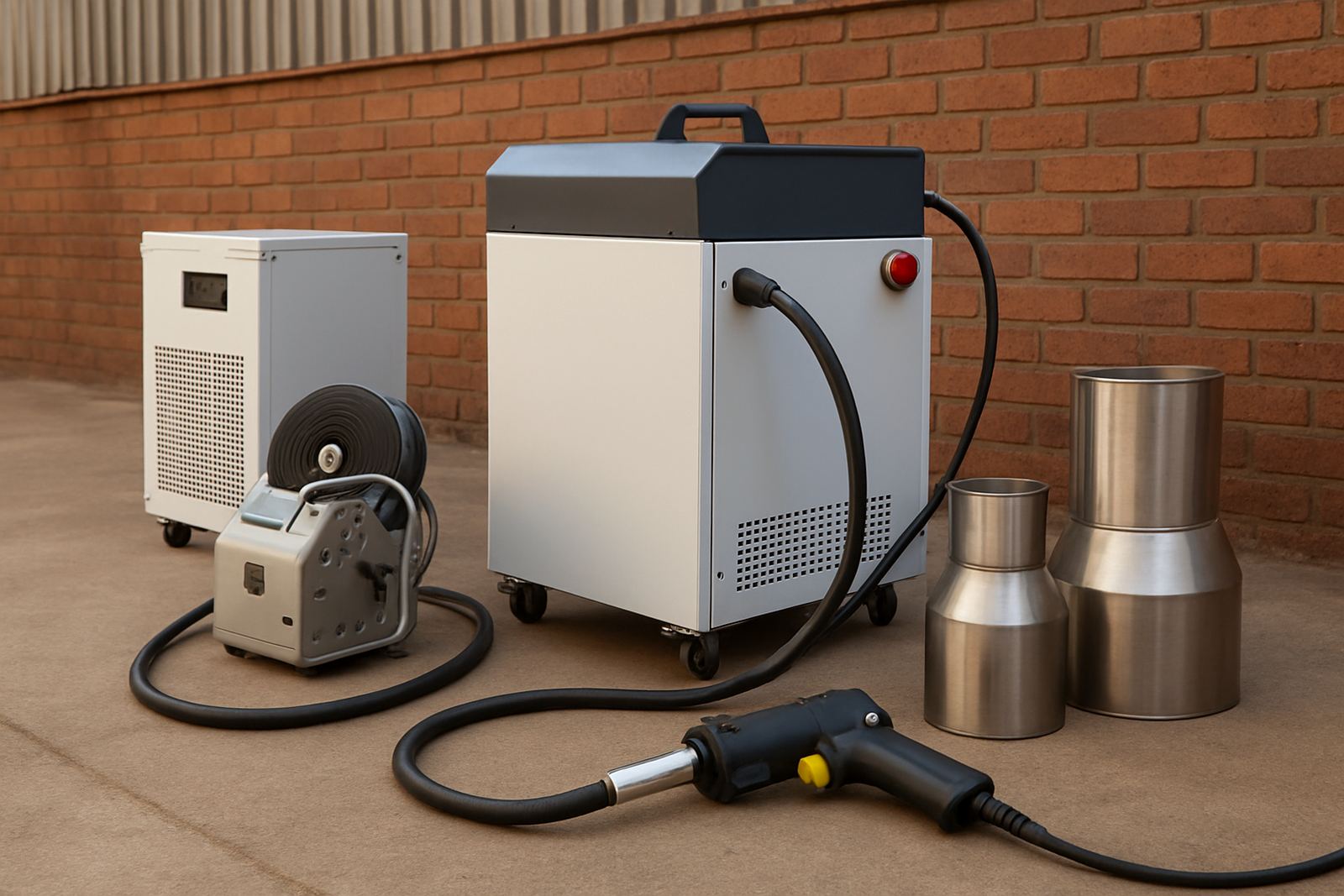
Built for higher output stainless steel work
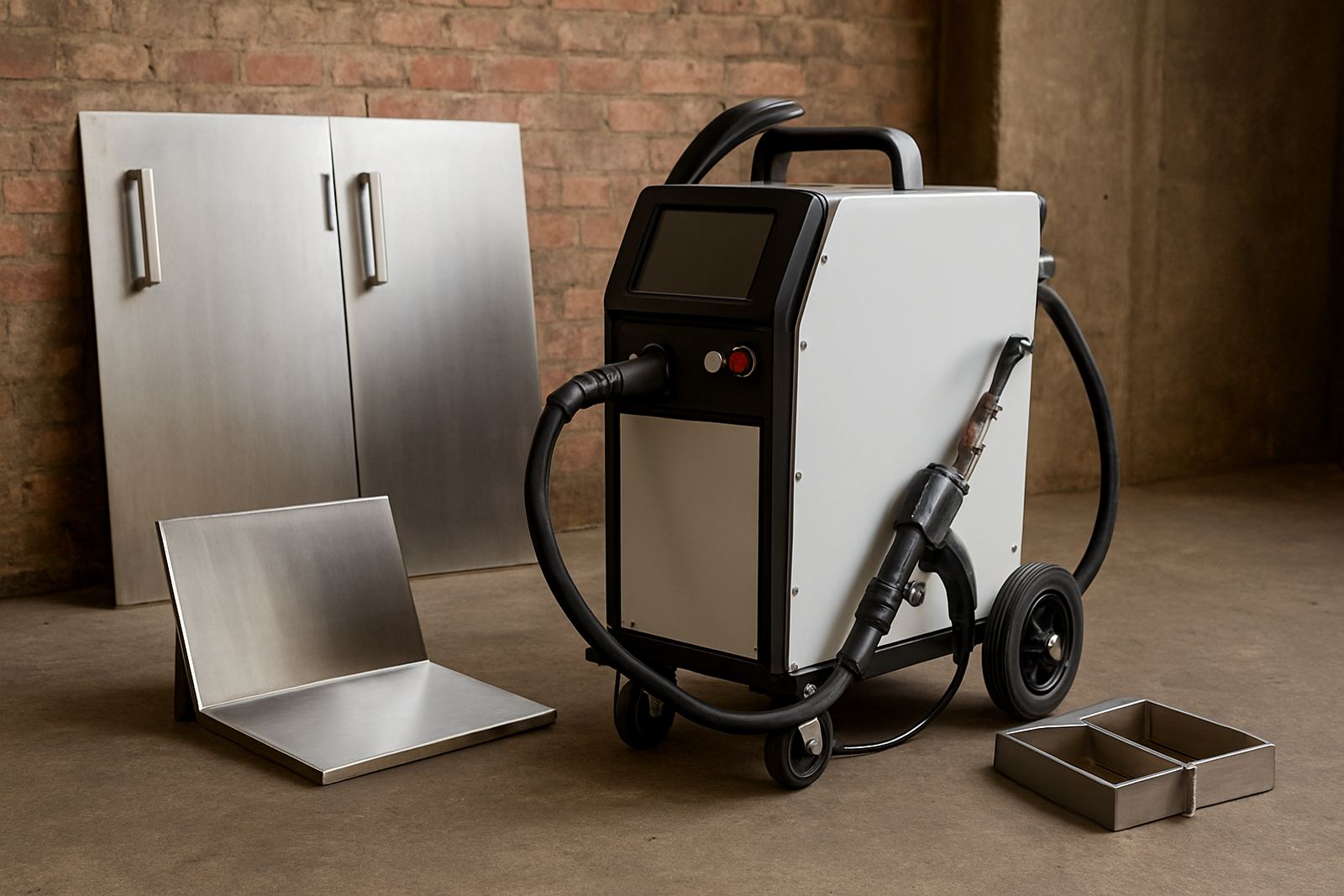
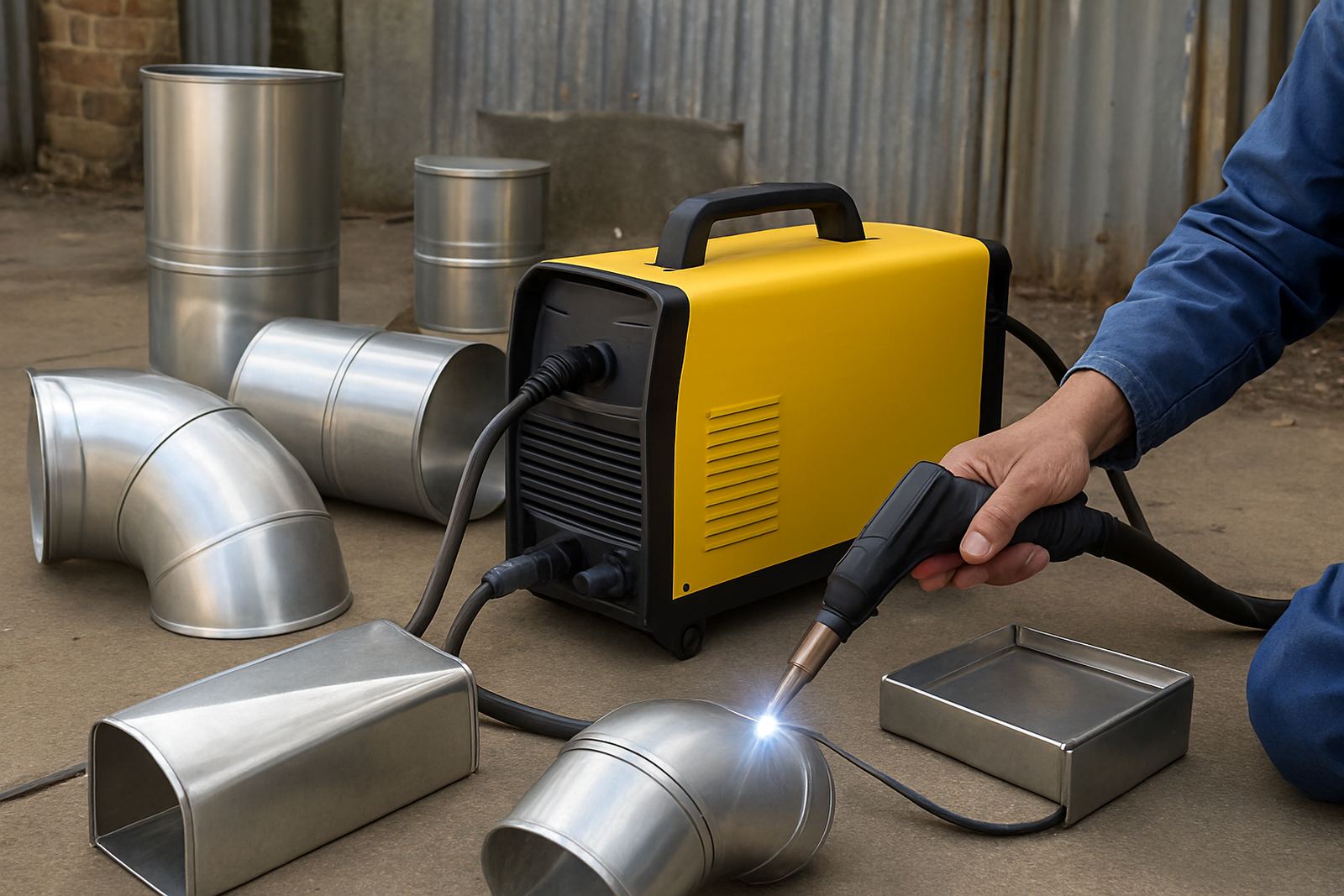
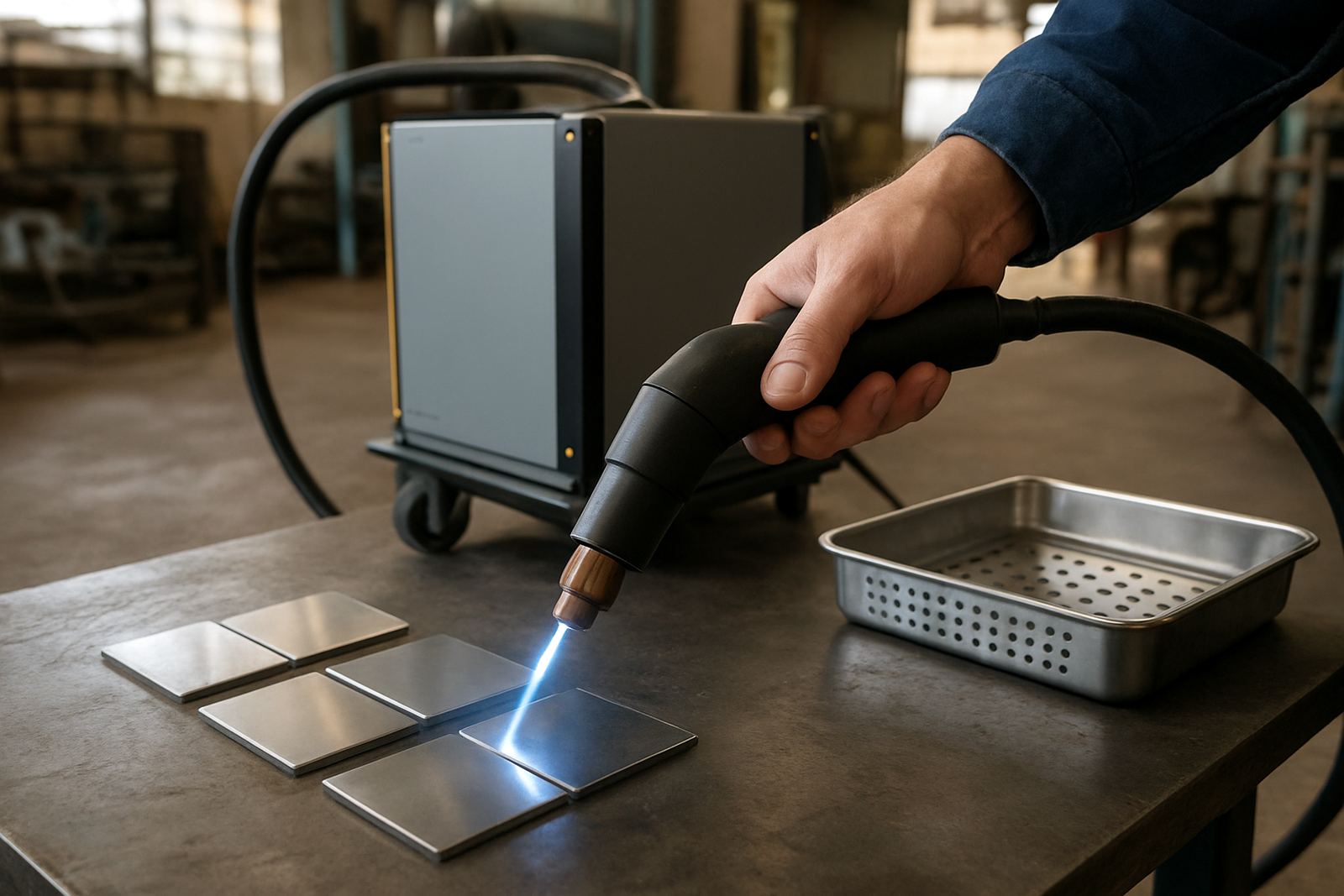
The Advanced Package combines a handheld fibre laser welding unit with the controls, cooling and accessories needed for a busier workshop. It is aimed at fabricators working on stainless steel tanks, guards, frames, food-grade items, handrailing components and custom assemblies where consistency matters from the first part to the last. The beam is narrow and controlled, so heat input stays low and the weld needs far less finishing than standard arc processes. That means less distortion, cleaner edges and less time at the grinder.
This package is a good fit for shops in Spartan, Kempton Park, Isando, Jet Park and the wider Ekurhuleni area, especially where labour has to be used carefully and turnaround times are tight. It also suits field-ready teams doing site repair work, though the system is usually best installed in a fixed bay where parts are prepared properly and the operator can work without interruption.
Sizes, power options and what can be included
The Advanced Package is offered in several output levels and set-ups so the machine can match the duty cycle and material mix in your shop. Most stainless steel fabricators choose a mid to higher output unit for better speed on thicker joints, but lower output units are still useful for detailed work and thinner sheet. Hand torches, wire feed options and nozzle kits can be matched to the type of weld you do most often.
- Output options for light fabrication through to higher duty production work
- Single-phase and three-phase supply options depending on the installation
- Air-cooled or water-cooled configuration, subject to the output level
- Manual wire feed for added fill on thicker joints and gaps
- Different torch lengths and nozzle sets for access on awkward assemblies
If you are running mixed stainless thicknesses, it helps to specify the typical material range upfront. That lets the right optics, wire feed setup and cooling arrangement be chosen before delivery, instead of trying to make one set-up cover everything and slowing production later on.
Where this package works best
This package is suited to medium and larger fabrication shops that need repeatable weld quality without overcomplicating the process for the operator. It is especially useful where clean finishes matter, like stainless kitchen equipment, dairy components, process piping brackets, display units, lifts trims and architectural stainless assemblies. It is also a strong option for jobbing shops that take on a mix of short runs and repeat orders, because changeover is quick and the weld profile stays consistent.
In coastal areas like Durban, Gqeberha or Richards Bay, stainless work often has to stand up to humidity and salt in the air. In those conditions, careful joint prep and proper post-weld cleaning matter just as much as the welding itself. Shops working in municipal or food environment contracts should also keep records of material thickness, filler use and inspection results for traceability. That is not optional once the work is under spec.
- Best for stainless steel fabrication where finish quality matters
- Works well in production bays, repair sections and dedicated weld cells
- Useful where skilled operators need speed without heavy grinding
- Suitable for repeat jobs and mixed-size batches
Installation, power and gas requirements
Getting a handheld laser welder installed is fairly simple, provided the workshop is prepared correctly first. The machine needs a stable power supply, clean working space and enough room for the operator, wire feed and torch movement. For most shops, a dedicated circuit is the safest option, with protection sized to the actual machine output. If your premises already struggle during load-shedding, you may need to plan generator or backup power carefully, because unstable supply can interrupt production and affect consistency.
Shielding gas is normally required for a clean stainless weld. The exact gas type and flow rate depends on the application, but the system should always be set up with clean gas lines, dry supply and correct regulators. If your workshop uses compressed air for other tools, keep the welding gas set-up separate and clearly marked. That small step avoids contamination and waste, which becomes expensive over a month.
- Provide a clean, dry power source with the correct breaker size
- Allow space for cooling, torch handling and safe movement around the work area
- Use suitable shielding gas for stainless steel work
- Keep the area free of grinding dust, oil and moisture
- Plan for backup power if production must continue through outages
Care, servicing and keeping output consistent
Like any production tool, the Advanced Package works best when it is checked regularly. Daily care is simple: inspect the torch, check hoses and cable routing, keep the lens area clean and confirm the cooling system is running normally before the shift starts. Weekly checks should include gas flow, wire feed condition and basic visual inspection of the weld area. If the machine is used in a dusty workshop, keep the unit covered when not in use and clean the intake areas more often.
Preventive maintenance helps avoid breakdowns that hold up production, especially when orders are booked against delivery dates. A scheduled service can pick up early wear on consumables, cooling issues or feed irregularities before they turn into downtime. If a workshop runs multiple shifts, it is worth assigning one person to log faults and keep a simple service record. Small things get missed when everyone assumes someone else sorted it and then the machine sits idle.
- Keep lenses, nozzles and wire feed parts clean
- Replace worn consumables before weld quality drops
- Monitor cooling performance and cable condition
- Book routine servicing based on actual usage, not guesswork
What to verify before you submit an order
Before ordering, check the main materials, thickness range, joint types and daily output target. A shop doing thin stainless panel work will need a different set-up from one welding brackets, boxes or thicker frames all day. It also helps to know whether the machine will be used by one trained operator or several staff members on rotation, since that affects training needs and the preferred control layout.
Confirm the power available on site, the condition of your compressed gas supply and whether you need commissioning at your workshop or support at a demo location in Spartan, Kempton Park, Isando, Jet Park, Edenvale, Germiston, Boksburg or Alberton. If you want production rollout, refresher training or weld testing on your own parts, have sample material ready and make sure the test pieces match actual jobs. That gives a proper result, not a workshop guess.
- Material type and thickness range
- Daily output target and shift pattern
- Power supply and backup power arrangements
- Gas supply, regulator and line condition
- Operator training and on-site commissioning needs
Local support for demos, training and rollout
The Advanced Package is supported from Spartan, Kempton Park, with demos and welder training available at fabrication shops nationwide. That matters when a business is trying to improve weld quality across a full team, not just one skilled person. We can help with commissioning, process optimisation, preventative maintenance, breakdown response, spares supply, consumables support, remote help, shop demonstrations, weld testing, production rollout and refresher training.
For many shops, the real value is not only the machine itself but the ability to get it set up correctly and kept in service. A good handover saves time, reduces scrap and helps the team trust the process from day one. If your production depends on stainless jobs moving out on time, that support counts.
Key facts
| Package | Advanced handheld fibre laser welding package |
|---|---|
| Typical output range | 1,500W to 3,000W depending on configuration |
| Input power | Single-phase or three-phase, site dependent |
| Cooling | Air-cooled or water-cooled options |
| Shielding gas | Stainless steel suitable shielding gas required |
| Best material range | Thin sheet through to medium stainless fabrication work |